Problem Solving Normal Numbers Worksheets for Ages 7-9
6 filtered results
-
From - To
Enhance your child's math abilities with our engaging Problem Solving Normal Numbers Worksheets designed for ages 7-9. These worksheets focus on developing critical thinking and problem-solving skills through interactive activities centered around normal numbers. Tailored for early learners, the exercises promote logical reasoning while reinforcing essential math concepts in a fun, engaging way. With colorful illustrations and child-friendly layouts, these worksheets encourage kids to explore various scenarios and apply their knowledge effectively. Perfect for home practice or classroom use, our resources empower young learners to tackle challenges confidently, building a strong foundation for future math success. Download and start learning today!
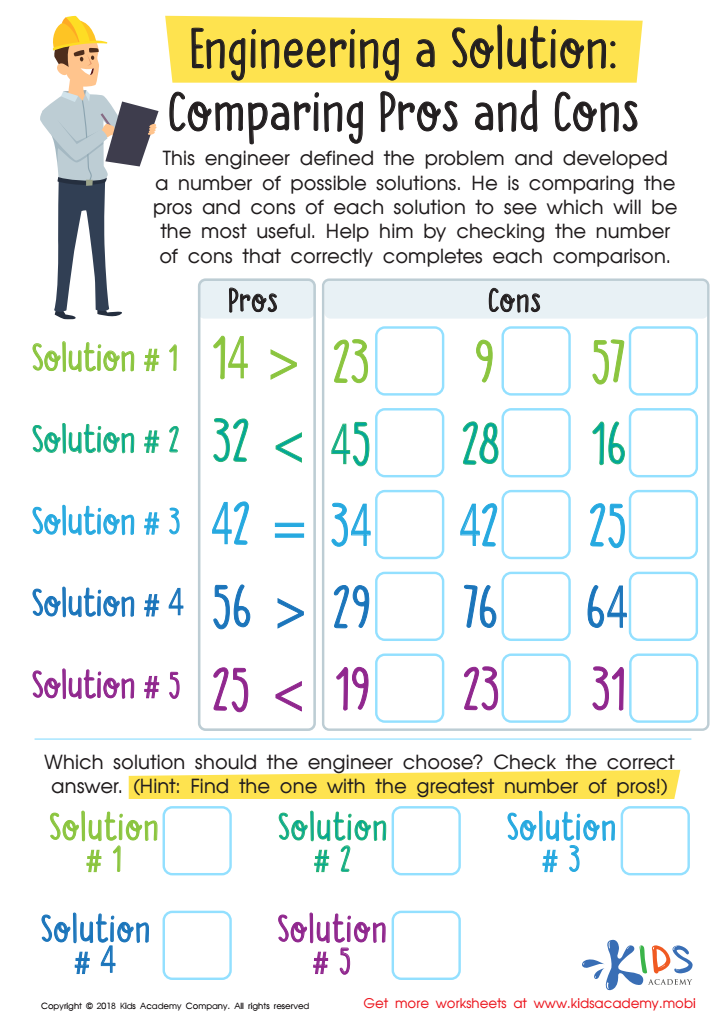
Engineering a Solution: Comparing Pros and Cons Worksheet
 Assign to My Students
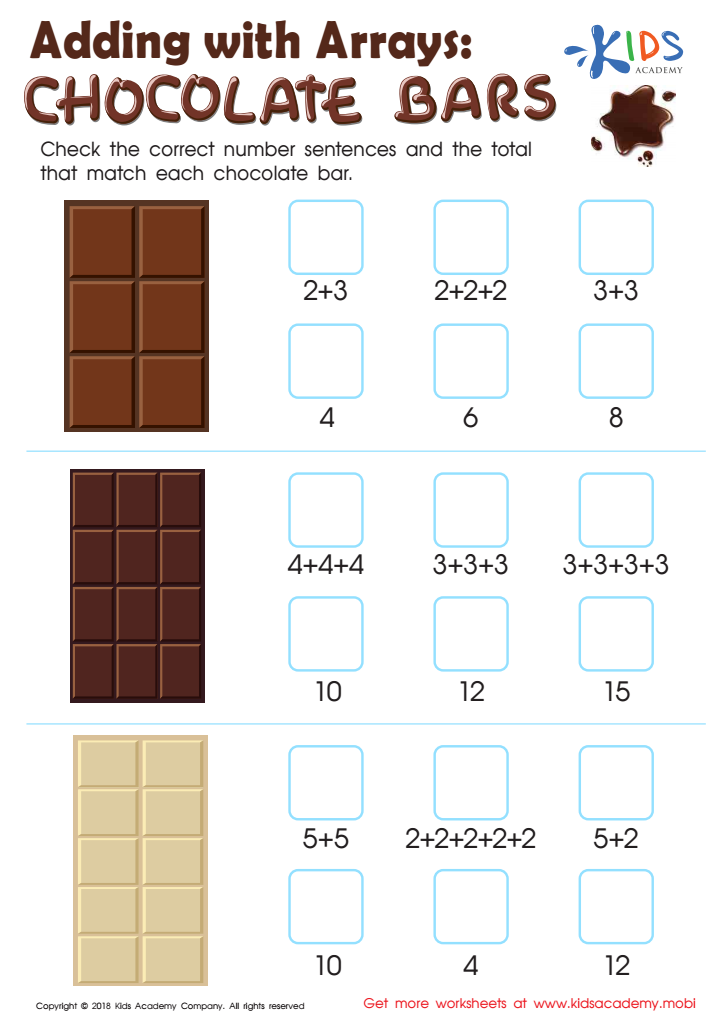
Adding with Arrays: Chocolate Bars Worksheet
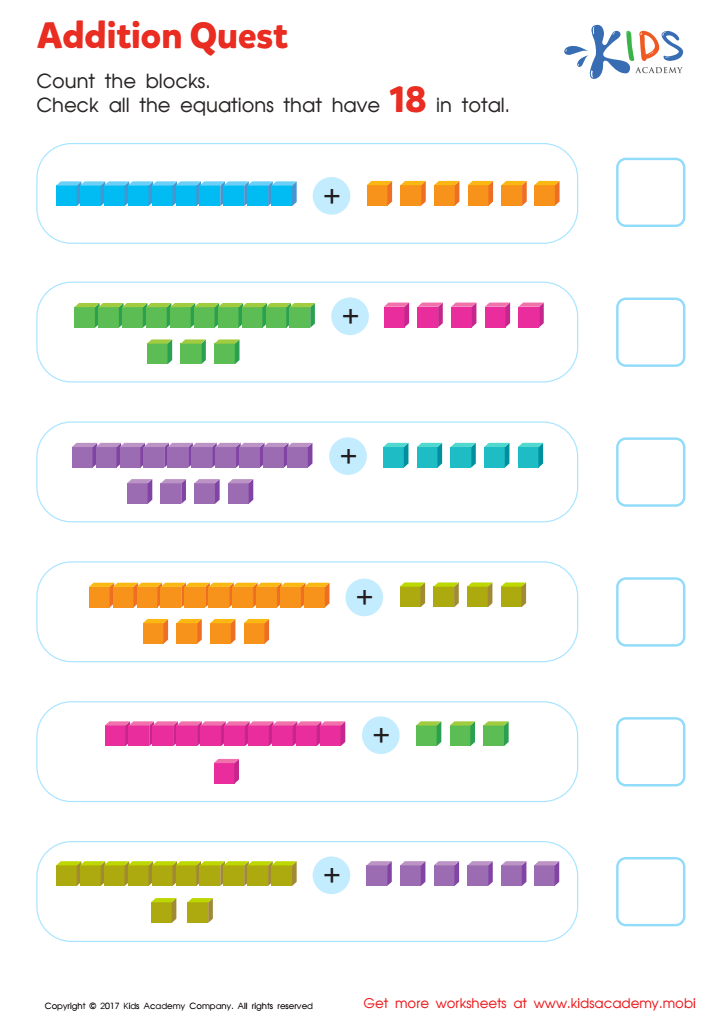
Addition Quest Worksheet: Part 2
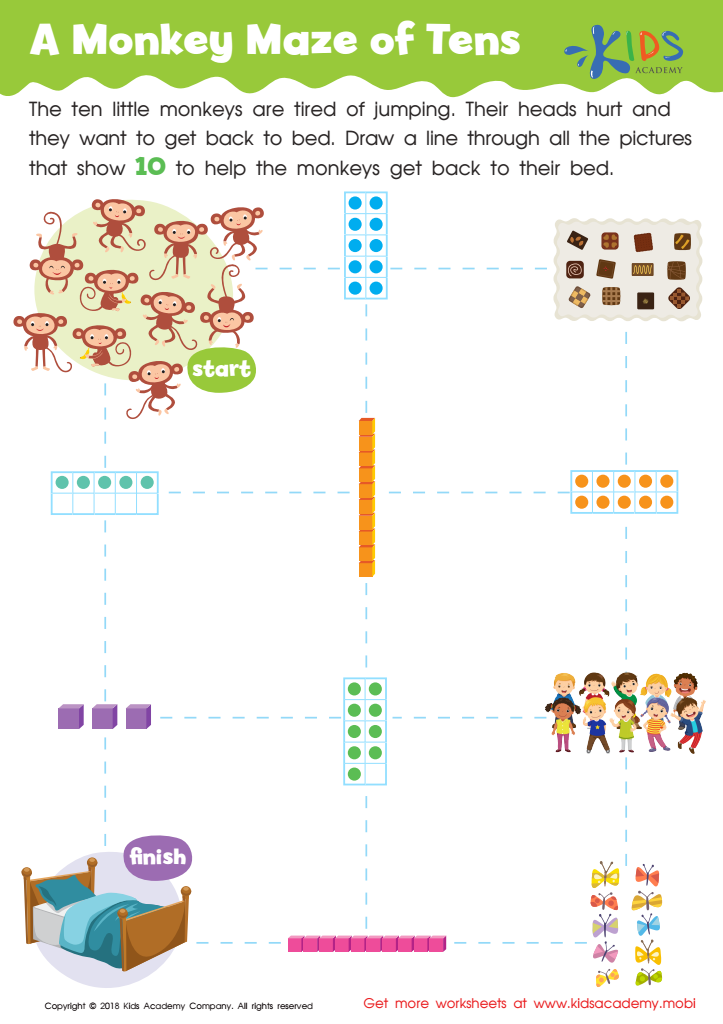
A Monkey Maze of Tens Worksheet
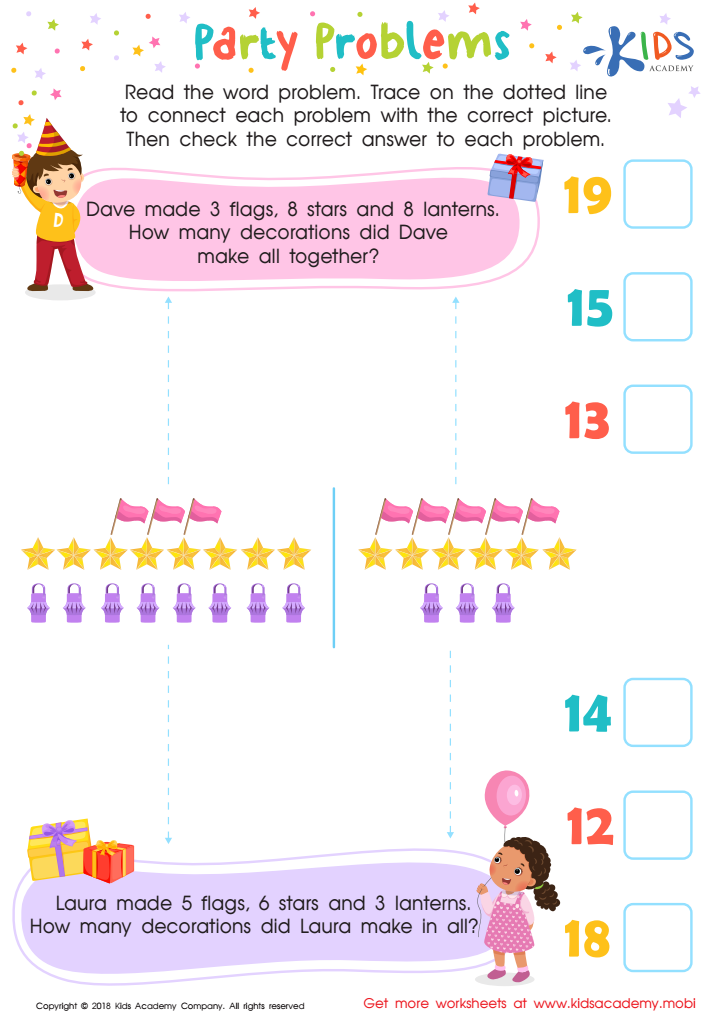
Party Problems Worksheet
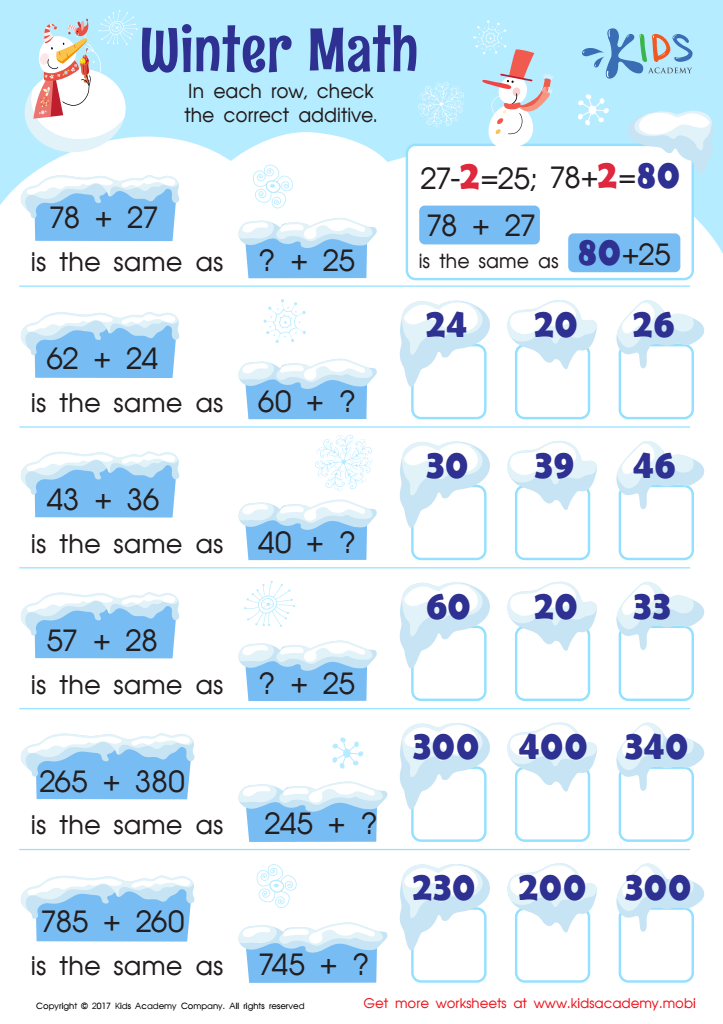
Free Addition Worksheet







.jpg)
Parents and teachers should prioritize problem-solving skills in normal numbers for children aged 7-9 because this foundational ability is critical for developing mathematical understanding and logical thinking. During this stage, children are building their understanding of basic arithmetic and becoming comfortable with concepts like addition, subtraction, multiplication, and division. Engaging students in problem-solving enables them to apply these concepts in real-life situations, fostering a deeper comprehension of numbers and relationships among them.
Moreover, problem-solving nurtures critical thinking and perseverance. When children face challenges, they learn to devise strategies, test solutions, and reflect on their approaches, skills essential not just in math but across all areas of learning. It promotes collaboration and communication as they often work with peers, discussing various methods and solutions.
Additionally, early problem-solving experiences can spark interest and enjoyment in mathematics, helping to counteract math anxiety later in life. By encouraging mindful engagement with normal numbers, parents and teachers guide children in building confidence and competence, essential qualities in both academic and future professional settings. Therefore, investing time and resources into developing problem-solving skills in young learners yields long-term benefits that extend beyond the classroom.








