Enhancing critical thinking Normal Math Worksheets for Ages 7-9
5 filtered results
-
From - To
Unlock your child's potential with our "Enhancing Critical Thinking Normal Math Worksheets" designed for ages 7-9. These engaging worksheets foster essential critical thinking skills while making math enjoyable and accessible. Each activity encourages young learners to solve problems, analyze situations, and apply their knowledge creatively. With a variety of topics to choose from, children can practice their math skills in a meaningful context, building confidence along the way. Perfect for both classroom and at-home learning, our worksheets are a valuable resource for parents and educators aiming to develop thoughtful, independent thinkers. Start your child's journey to mathematical mastery today!
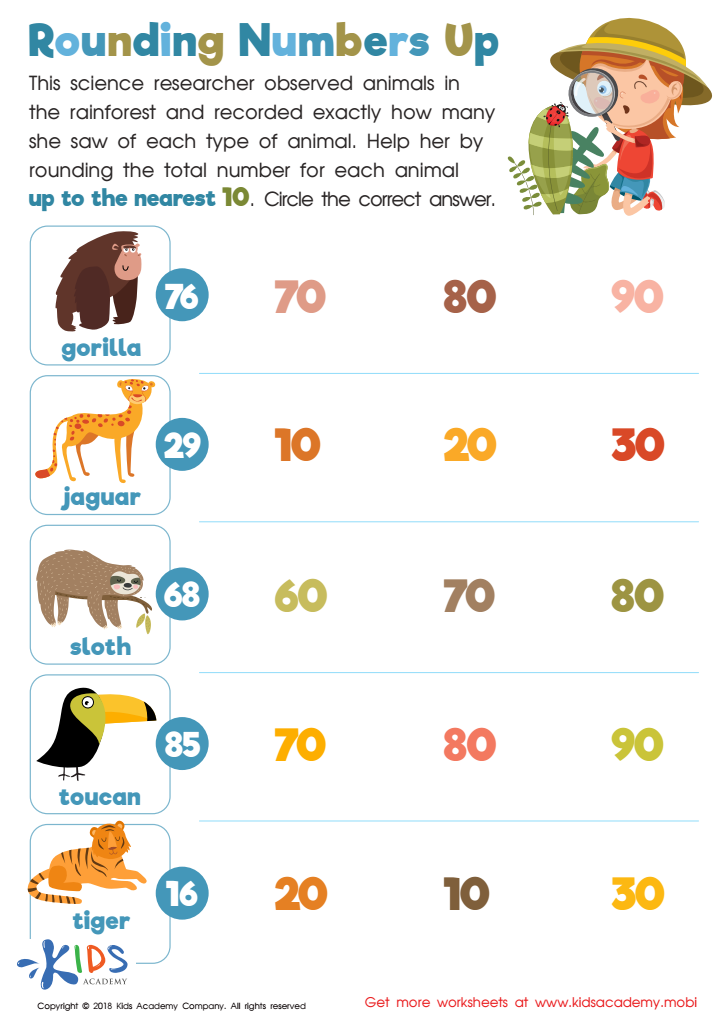
Rounding Numbers Up Worksheet
 Assign to My Students
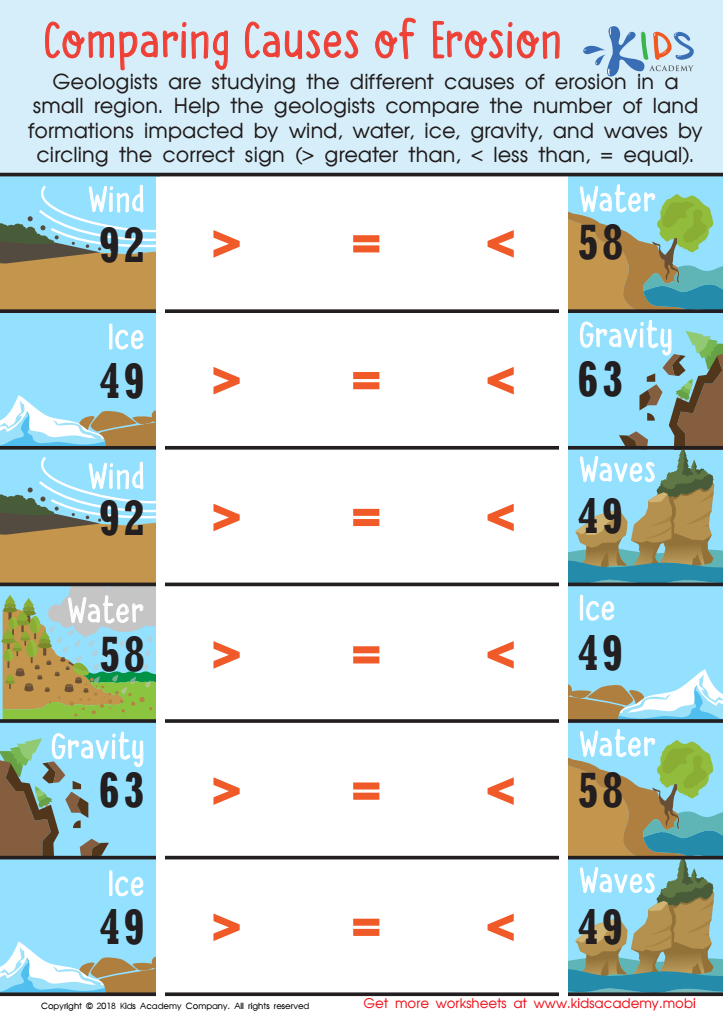
Comparing Causes of Erosion Worksheet
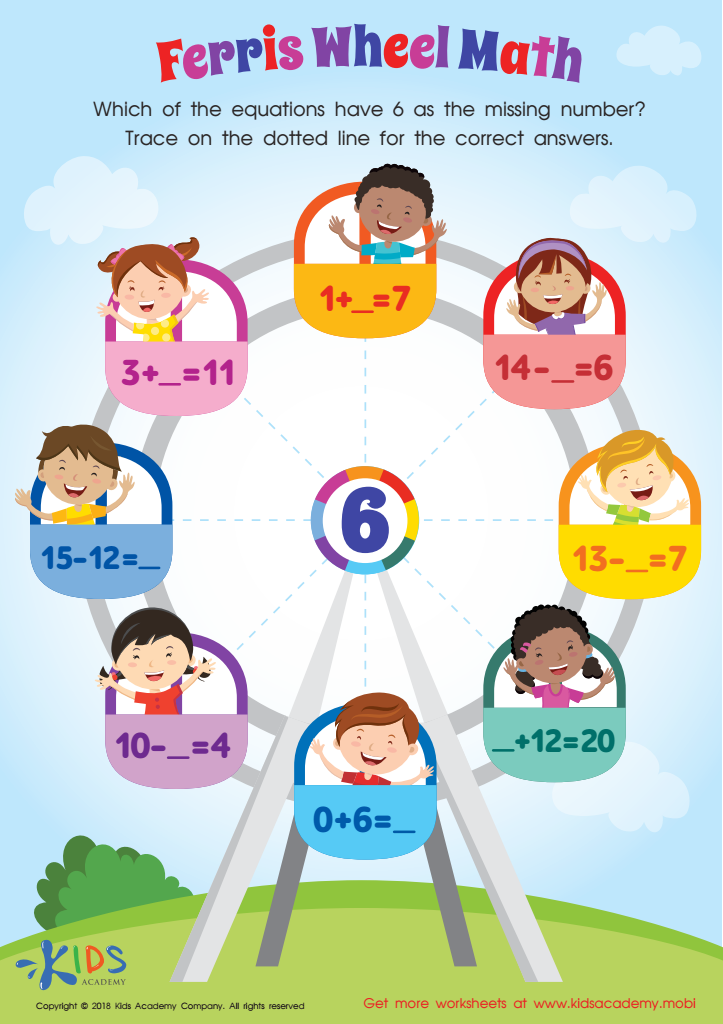
Missing Number: Ferris Wheel Math Worksheet
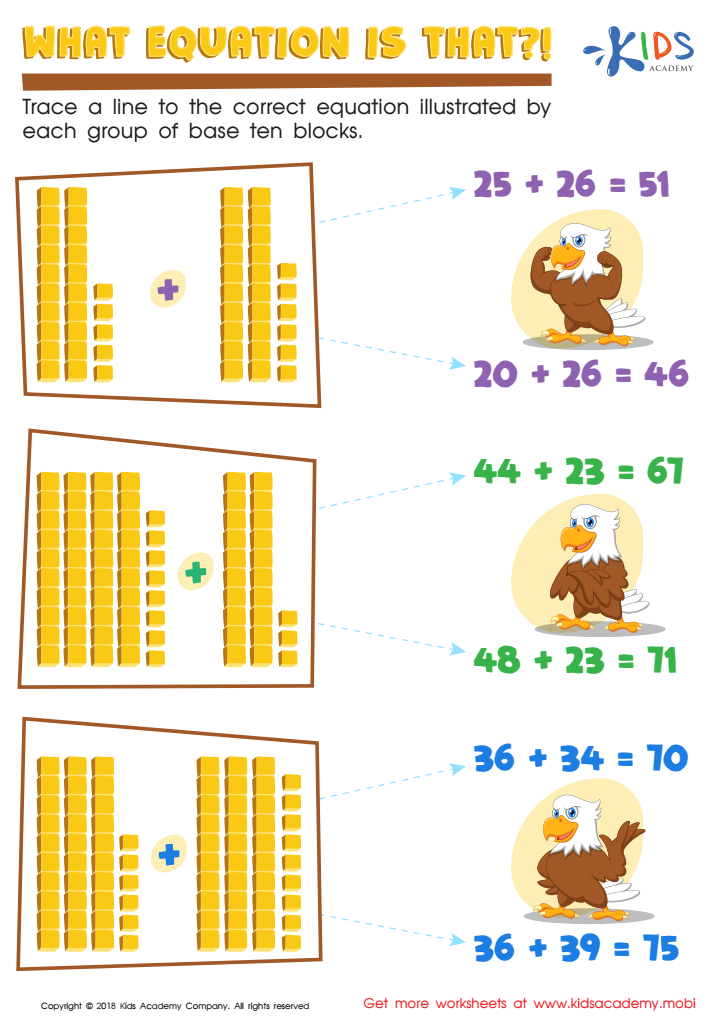
What Equation Is That? Worksheet
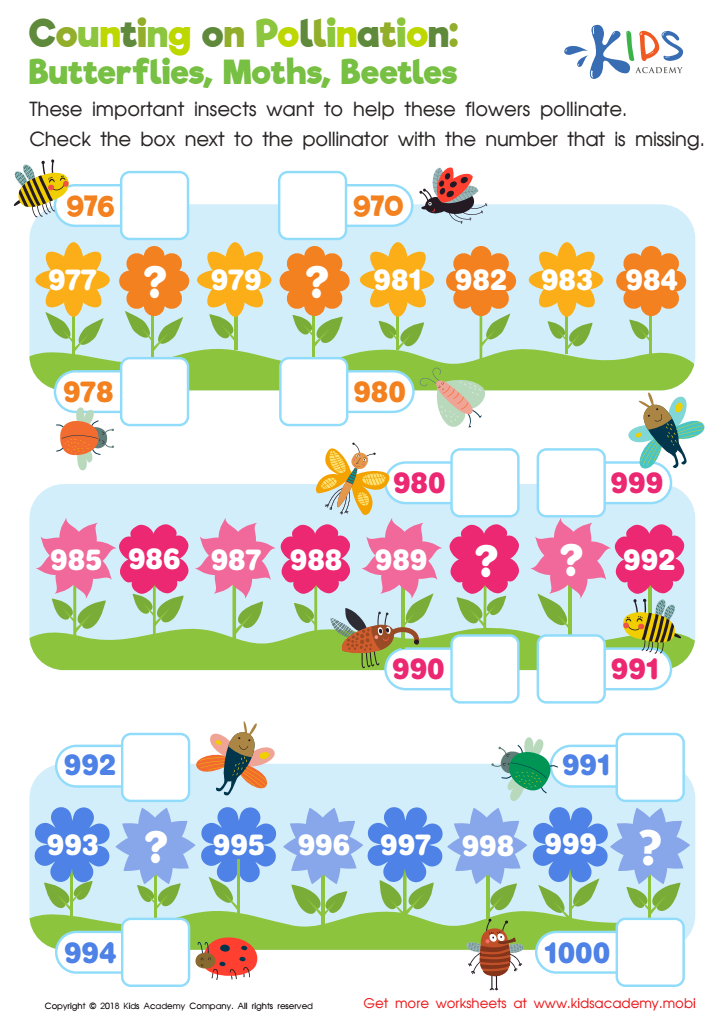
Counting on Pollination: Butterflies, Moths, Beetles Worksheet








Enhancing critical thinking in math for children aged 7-9 is essential for their overall cognitive development and future success. At this age, students are beginning to grasp the foundations of mathematics, and fostering critical thinking skills helps them not only understand mathematical concepts but also apply them in real-world situations. Encouraging children to think critically about math problems enhances their problem-solving abilities, promotes creativity, and nurtures a growth mindset.
Parents and teachers should care about this aspect of education because critical thinking in math can lead to greater academic confidence and independence. As children learn to analyze, evaluate, and create their own strategies for solving problems, they become more engaged and motivated learners. This mental flexibility allows them to navigate not just math challenges, but various life situations.
Moreover, today's fast-paced world demands individuals who can critically assess information and make informed decisions. By prioritizing critical thinking in math education, we prepare young learners for complex future challenges, fostering resilience and adaptability. In short, enhancing critical thinking skills in mathematics equips students with essential life skills that support both academic success and personal development, making it a vital consideration for both parents and teachers.








