Understanding patterns Normal Math Worksheets for Ages 7-9
8 filtered results
-
From - To
Unlock your child’s potential with our “Understanding Patterns” normal math worksheets tailored for ages 7-9. These engaging and educational worksheets are designed to help young learners recognize and predict patterns, a crucial math skill. Through fun activities and exercises, children will enhance their logical thinking and problem-solving abilities. From simple repeating patterns to more complex sequences, each worksheet encourages creativity and critical thinking. Perfect for classroom use or at-home practice, our high-quality printable worksheets aim to build a strong math foundation, making learning both enjoyable and effective. Discover a world of patterned possibilities with Kids Academy!
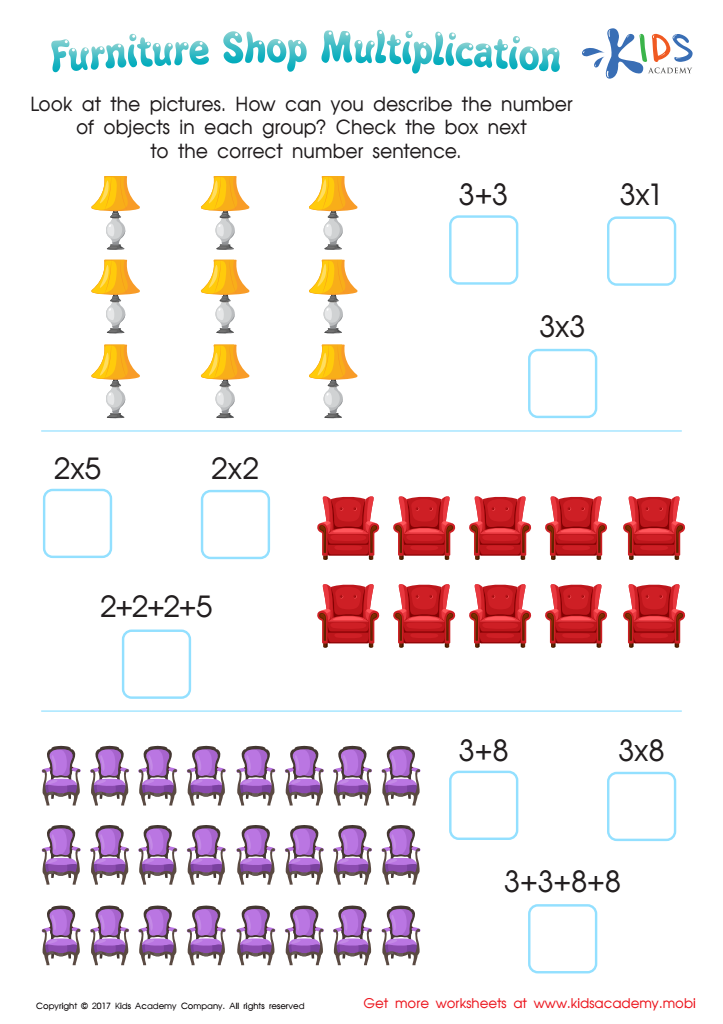
Furniture Shop Worksheet
 Assign to My Students
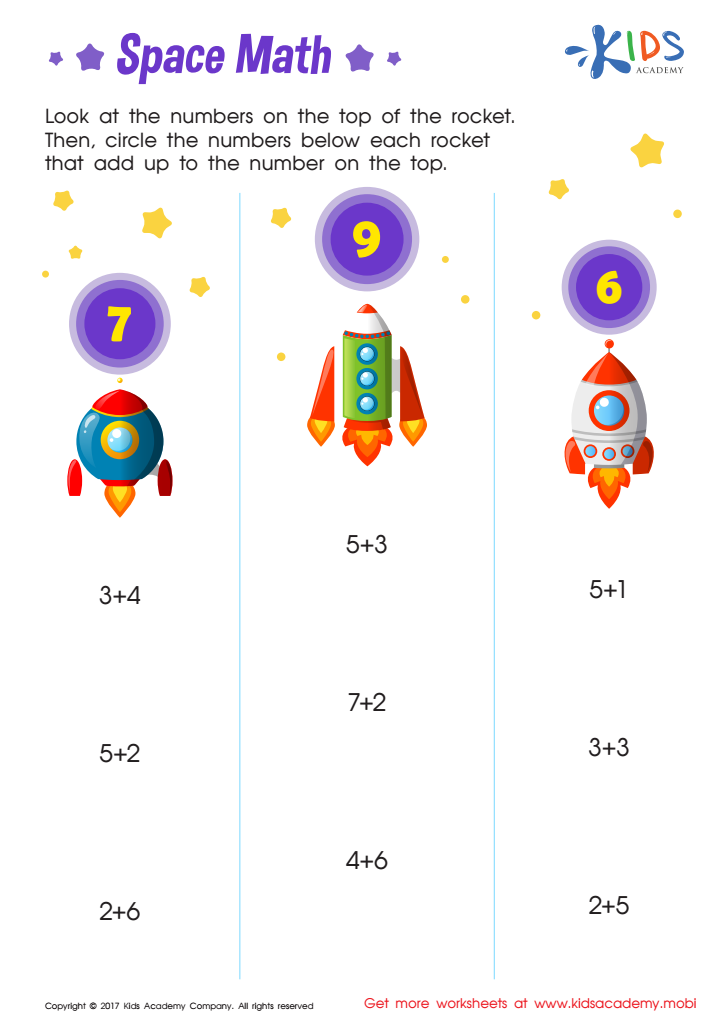
Addition: Space Math Worksheet
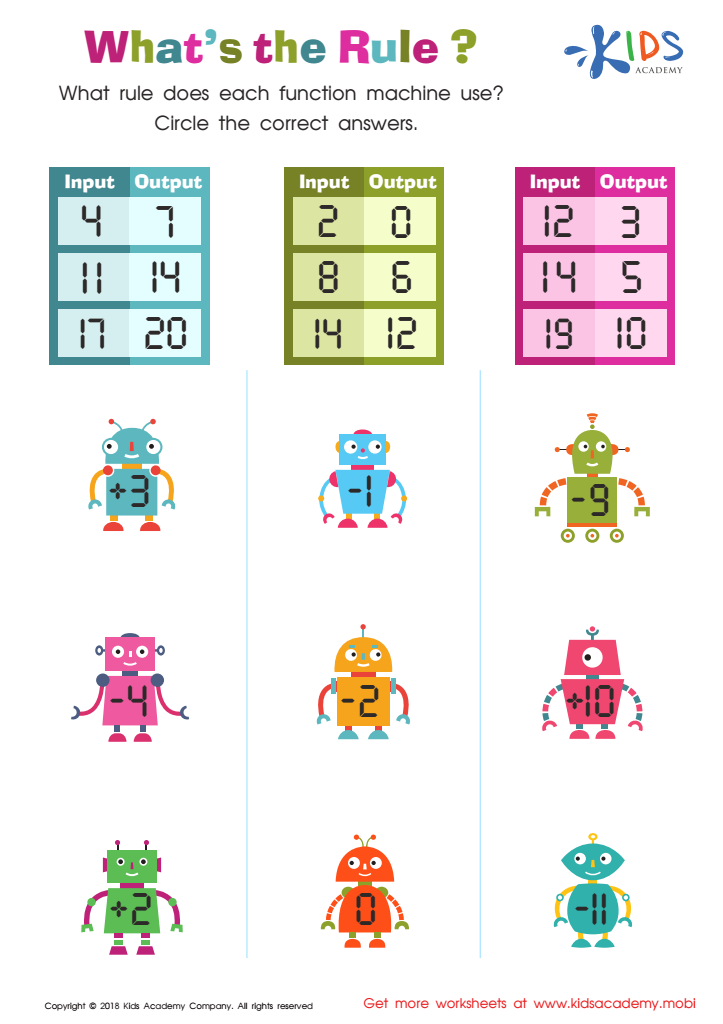
What's the Rule Worksheet
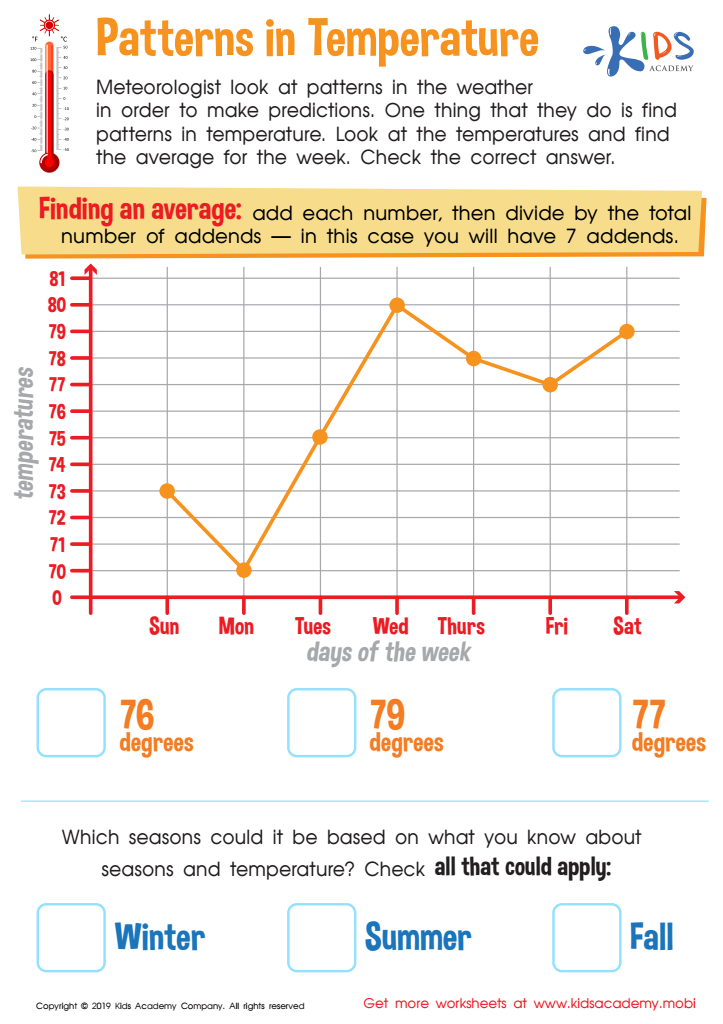
Patterns in Temperature Worksheet
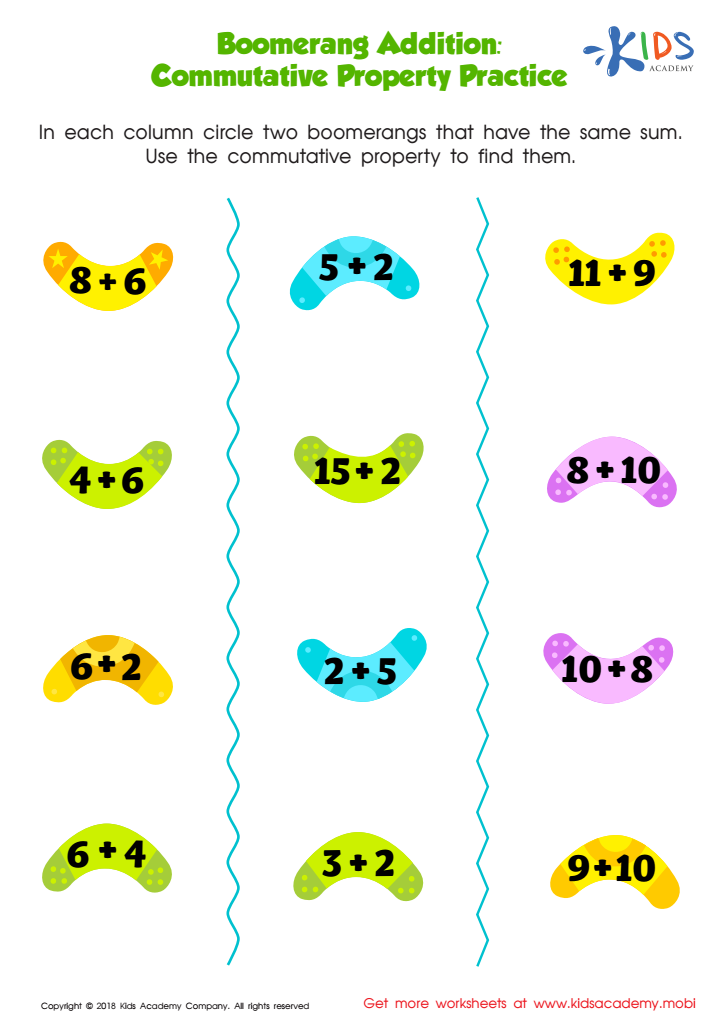
Boomerang Addition Worksheet
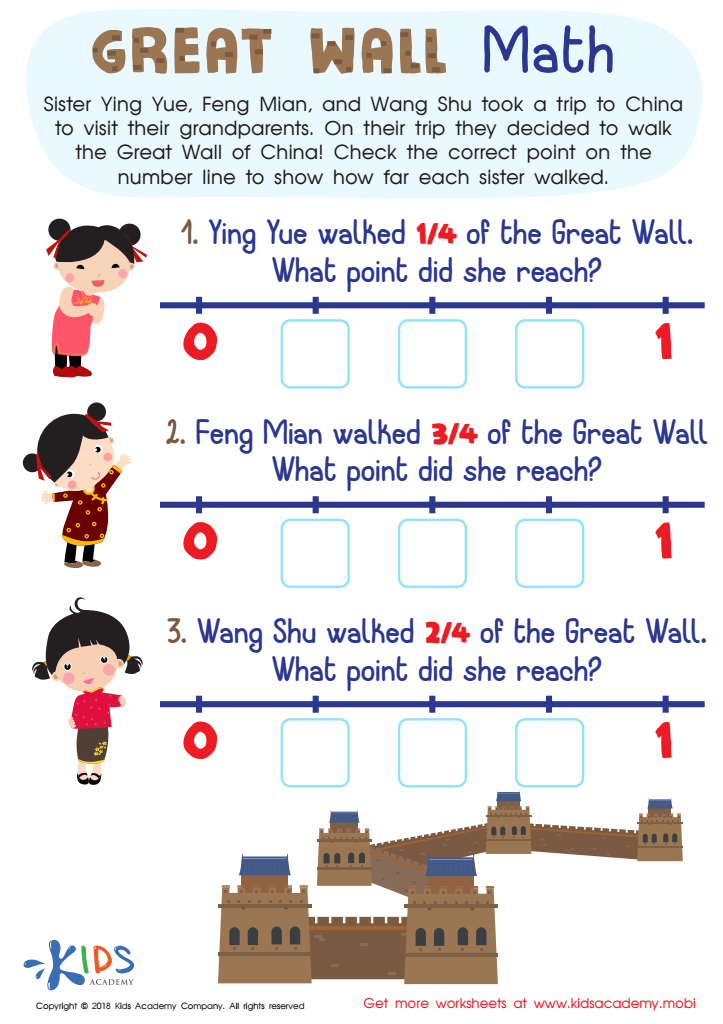
Great Wall Math Worksheet
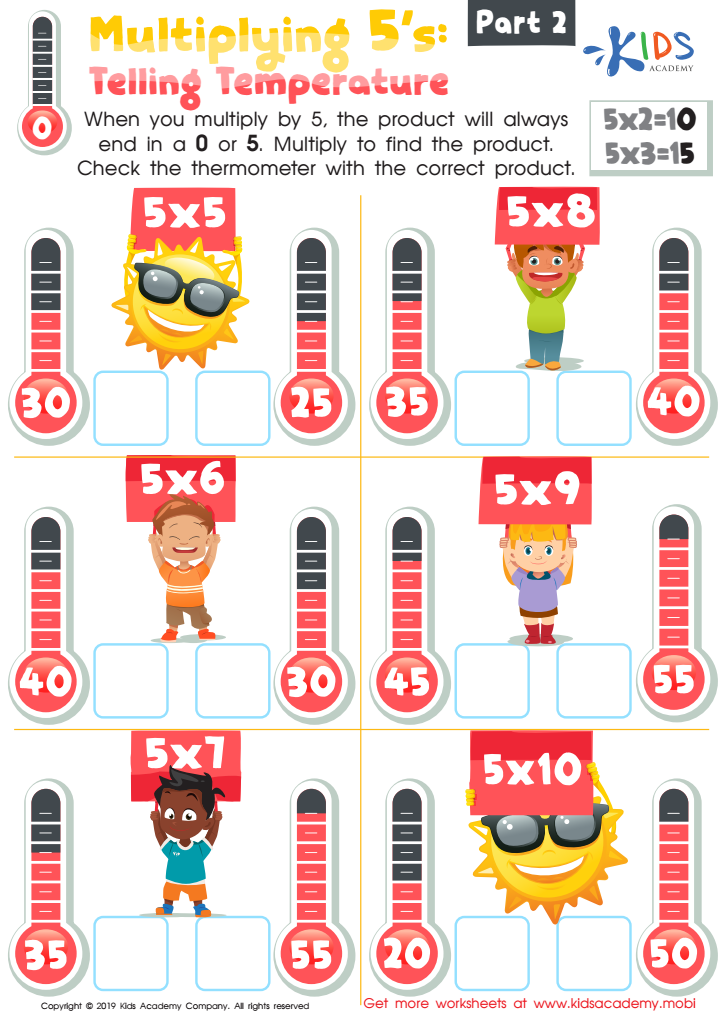
Multiplying 5’s: Telling Temperature Part 2 Worksheet
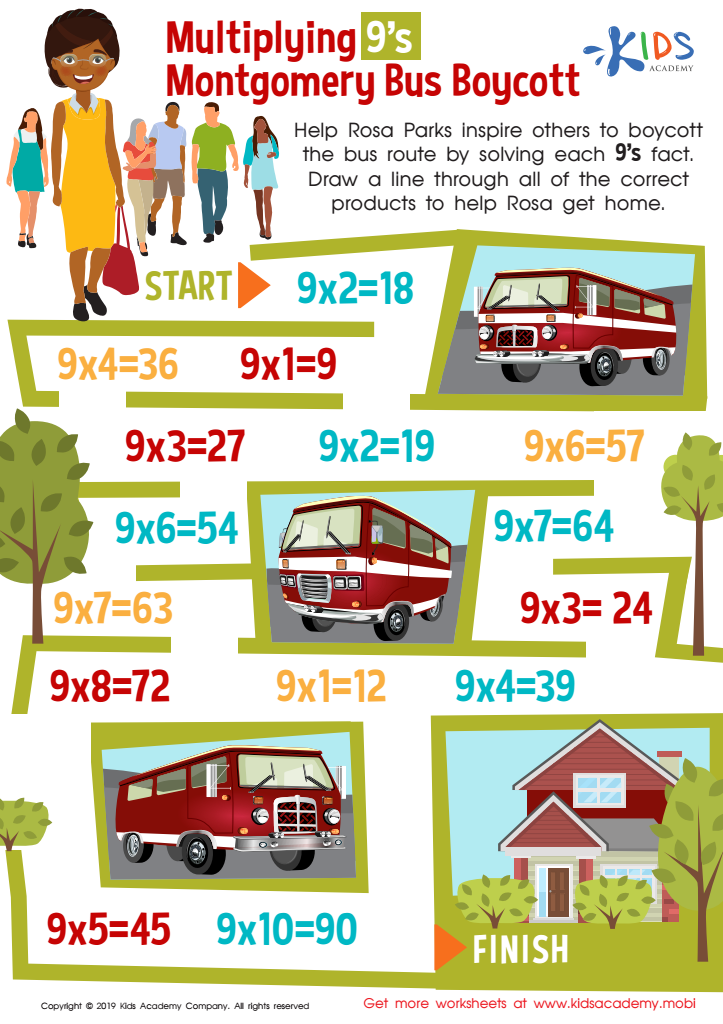
Multiplying 9’s Montgomery Bus Boycott Worksheet







Understanding patterns in math is a crucial skill for children ages 7-9 as it forms the foundation for more advanced mathematical concepts. When parents and teachers prioritize teaching patterns, they set the stage for children’s analytical and problem-solving abilities. Recognizing patterns helps children see relationships and make predictions, which are essential skills not only in math but also in science, reading, and other subjects.
For example, recognizing numerical patterns aids in understanding addition, subtraction, and multiplication. Children who understand patterns can more easily grasp the sequence of numbers and the structure of times tables. This understanding reduces their cognitive load, making it easier for them when they encounter more complex mathematical ideas in later grades.
Furthermore, learning about patterns helps improve children's logical thinking and reasoning skills. By identifying and predicting patterns, children learn to analyze situations, recognize order, and solve problems systematically. These skills are transferable to everyday life, from recognizing patterns in schedules to making sense of repeating events.
Another important aspect is that understanding patterns enhances children's overall curiosity and engagement in learning. Activities involving patterns can be fun and interactive, making math enjoyable and less intimidating. In turn, this positive experience fosters a lifelong interest in learning and exploration, setting them up for academic success across disciplines.








