Fine Motor Skills Normal Numbers Worksheets for 7-Year-Olds
11 filtered results
-
From - To
Equip your 7-year-old with essential fine motor skills through our expertly designed Normal Numbers Worksheets. These worksheets provide engaging activities that encourage proper number formation, self-control, and precision. Each worksheet features fun exercises tailored to reinforce important developmental skills, including hand-eye coordination and dexterity. Specifically crafted for young learners, this collection enhances mathematical understanding and helps in laying a solid foundation for future learning. Your child will enjoy interactive tasks, improve their pencil grip, and build confidence in writing numbers. Combine learning with play and watch as foundational skills flourish with our comprehensive worksheets!
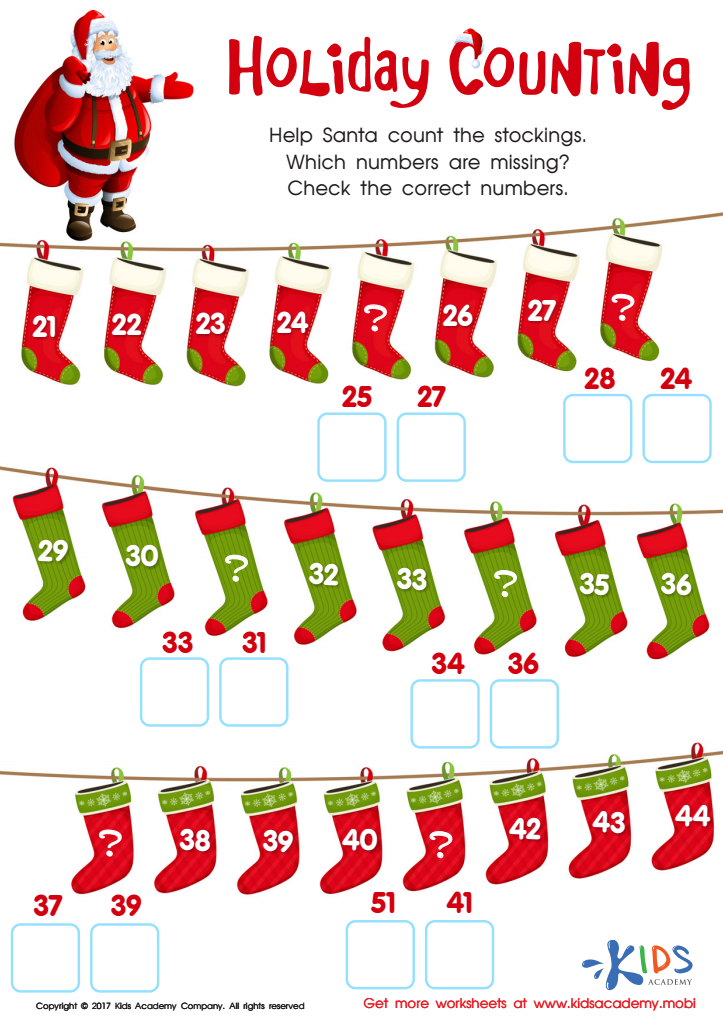
Holiday Counting Worksheet
 Assign to My Students
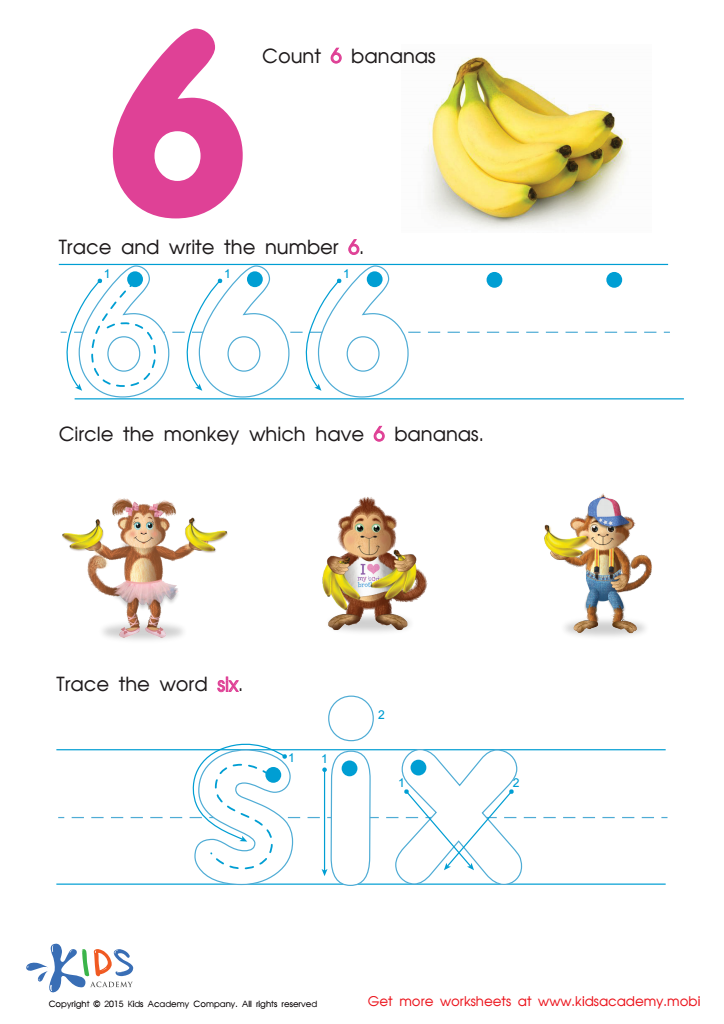
Tracing And Writing Number 6 Worksheet
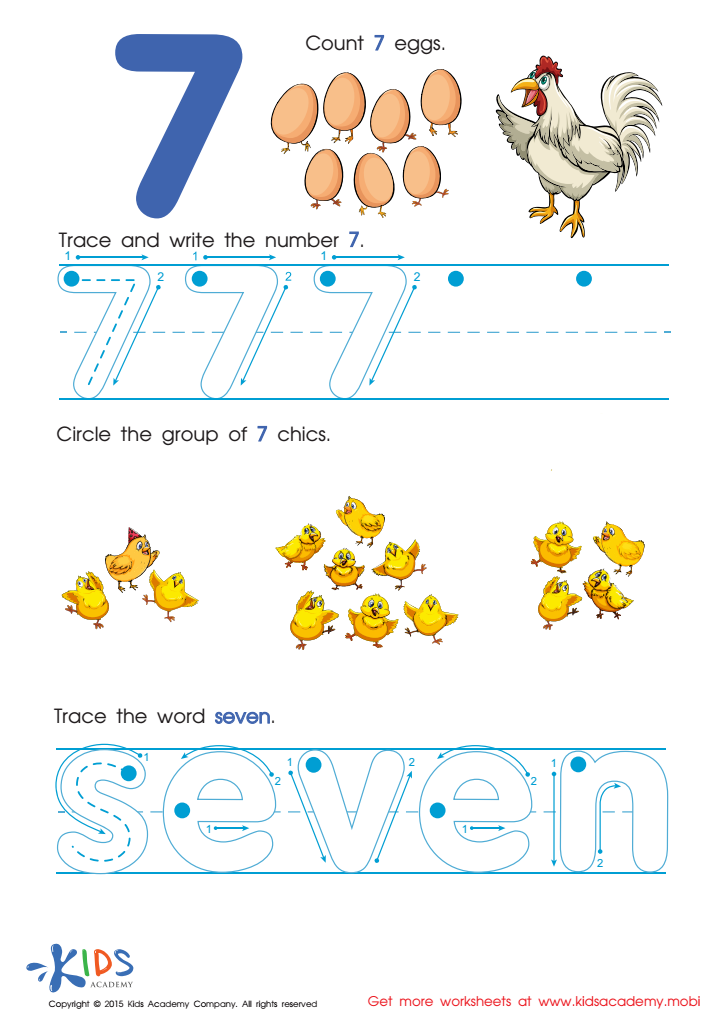
Trace And Write Number 7 with Fun Worksheet
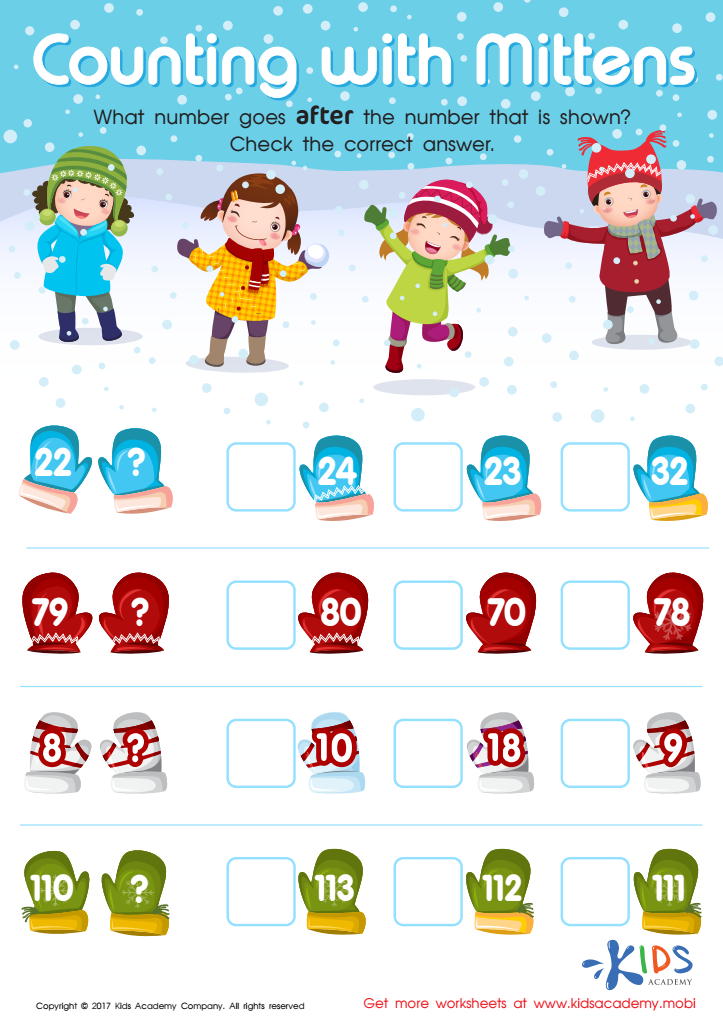
Counting with Mittens Worksheet
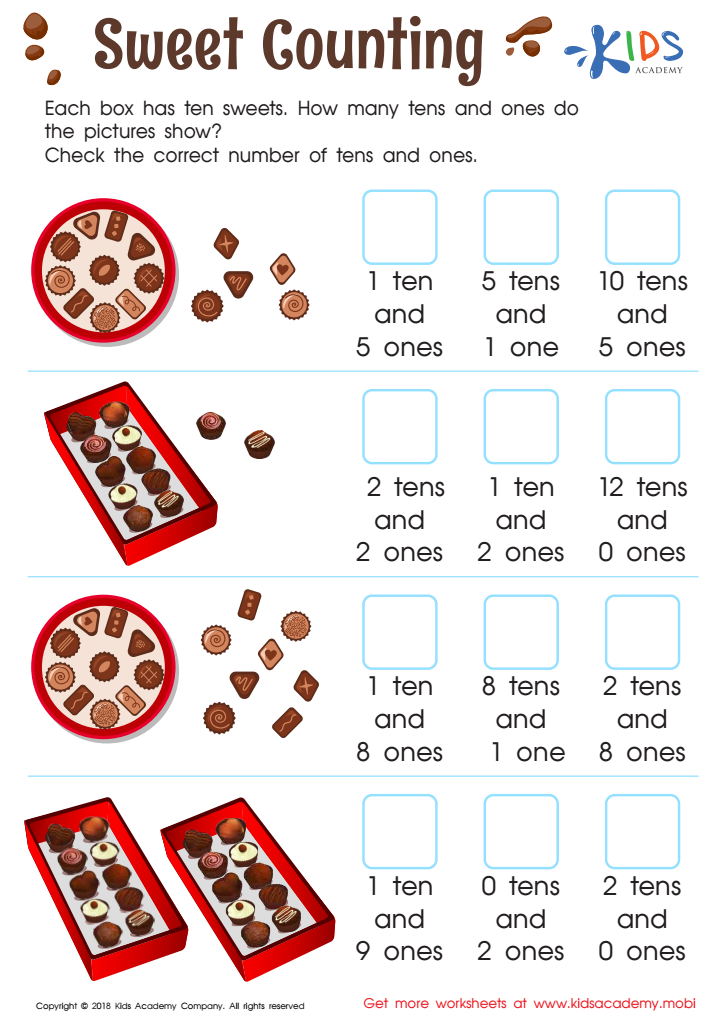
Sweet Counting - Part 2 Worksheet
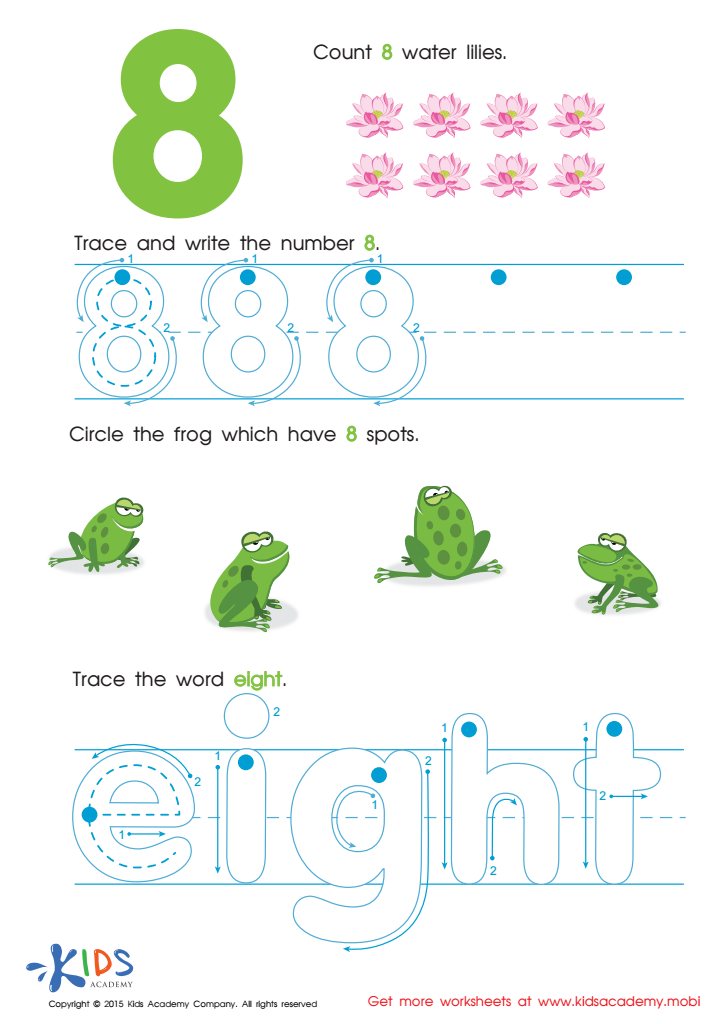
Learn Number 8 Easily Worksheet
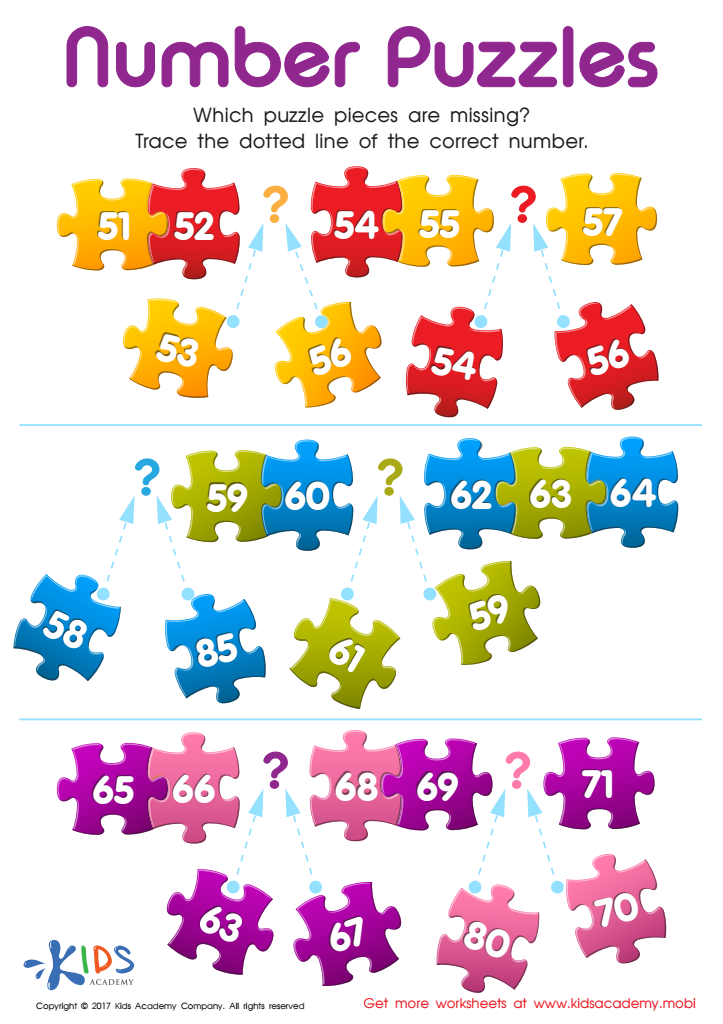
Number Puzzles Worksheet
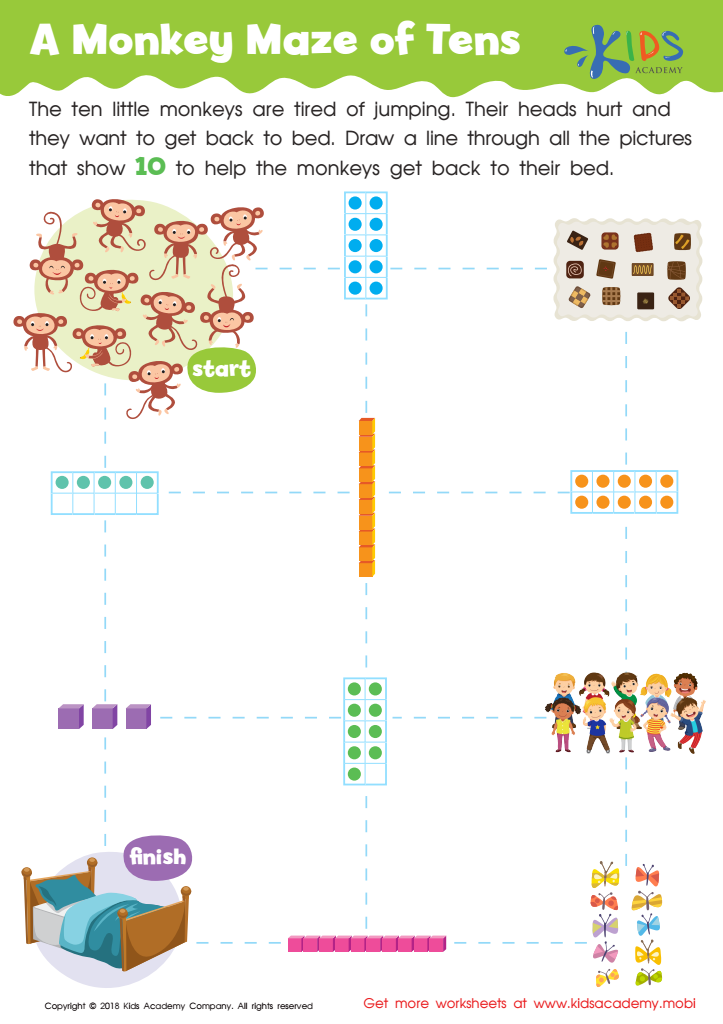
A Monkey Maze of Tens Worksheet
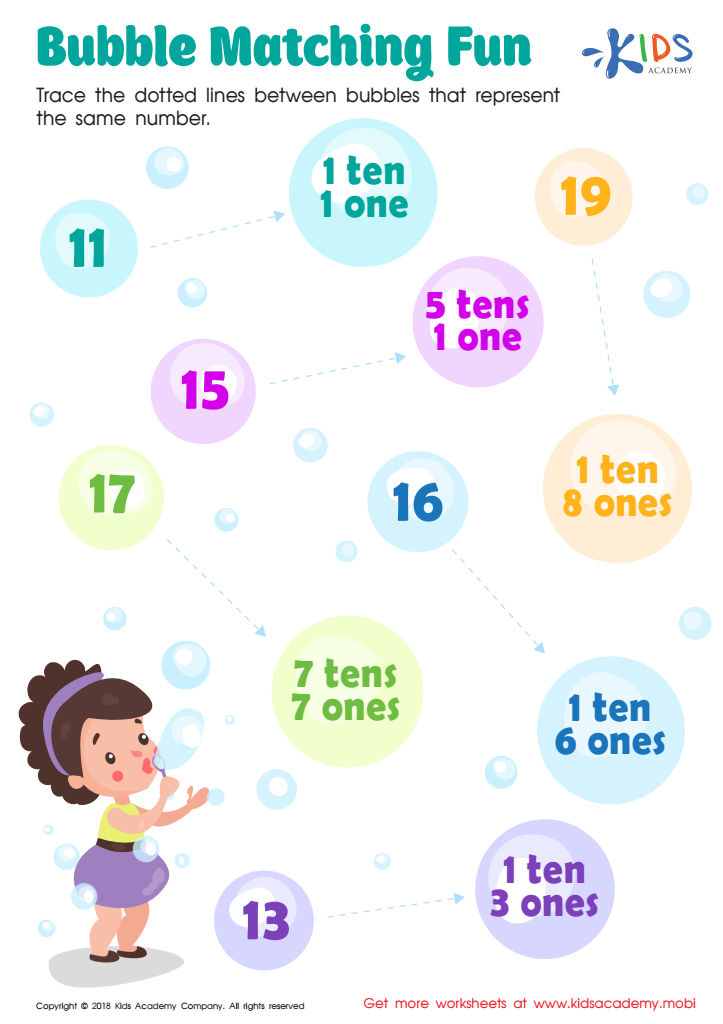
Bubble Matching Fun Worksheet
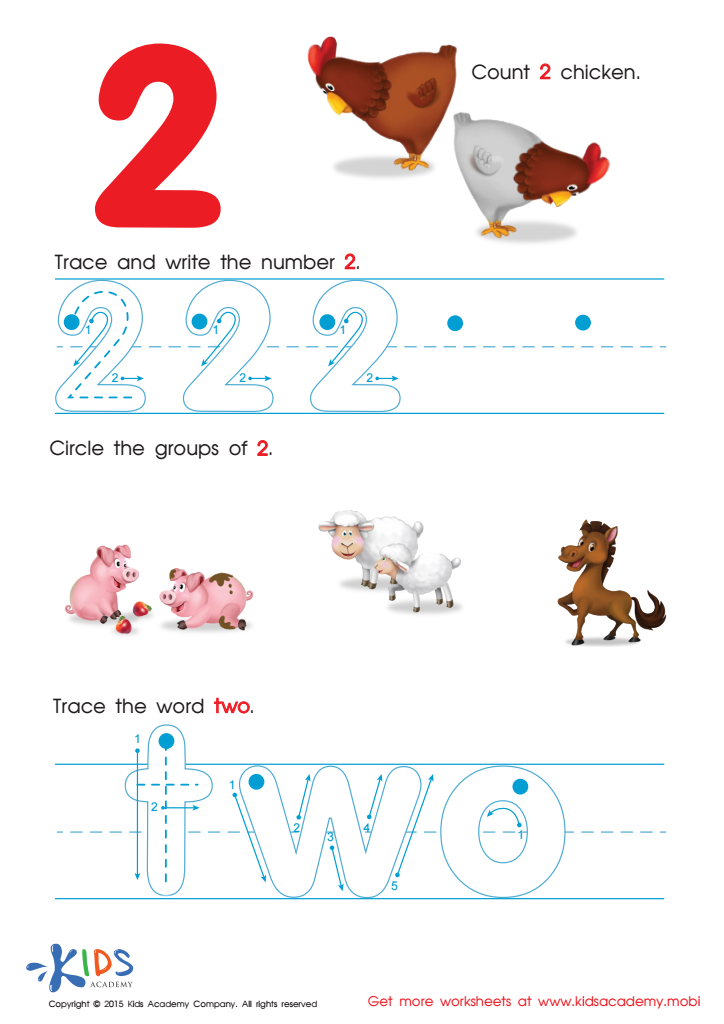
Learn to Write the Number 2 Worksheet
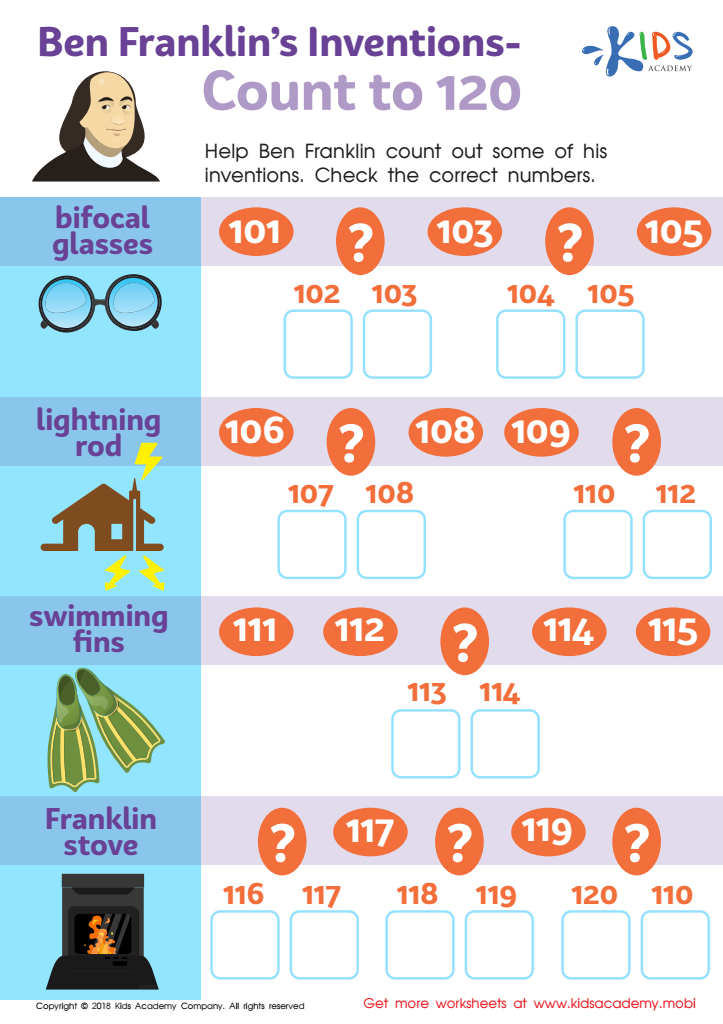
Ben Franklin’s Inventions – Count to 120 Worksheet







%20(1).jpg)
Understanding the importance of fine motor skills development in 7-year-olds is crucial for both parents and teachers. Fine motor skills involve the coordination of small muscles in the hands and fingers, allowing children to perform tasks like writing, buttoning a shirt, or tying shoelaces. At age seven, many children are in the first few years of their formal education journey, requiring them to use fine motor skills more frequently and with greater precision.
Normal fine motor skill development benchmarks enable children to meet educational milestones, build confidence, and foster independence. If a child struggles with tasks requiring fine motor skills, it can impact their academic performance—particularly in writing and art projects. For example, trouble with gripping a pencil affects handwriting clarity, making it more challenging to keep up in class.
Recognizing typical developmental milestones helps parents and teachers identify early signs of difficulties. Early intervention can provide support through targeted activities, like play-dough modeling or simple crafts, to strengthen these crucial skills before they become larger barriers to learning and daily activities.
Ultimately, attention to fine motor skills facilitates smoother academic and personal growth. It ensures that children are not only academically prepared but also capable of handling everyday tasks with ease, contributing to their overall sense of competence and well-being.








