Developing analytical skills Normal Worksheets for Ages 8-9
5 filtered results
-
From - To
Enhance your child’s cognitive development with our "Developing Analytical Skills Normal Worksheets" designed for ages 8-9! These expertly crafted worksheets focus on sharpening critical thinking and problem-solving abilities through engaging activities. Children will explore logic puzzles, pattern recognition, and analytical reasoning exercises that promote curiosity and creative thinking. Each worksheet is structured to align with educational standards, ensuring a comprehensive learning experience. Parents and educators can easily access and print these resources to provide kids with fun yet challenging tasks that foster independence and confidence in their analytical skills. Explore now and empower your child to think critically and analytically!

Author's Purpose Worksheet
 Assign to My Students
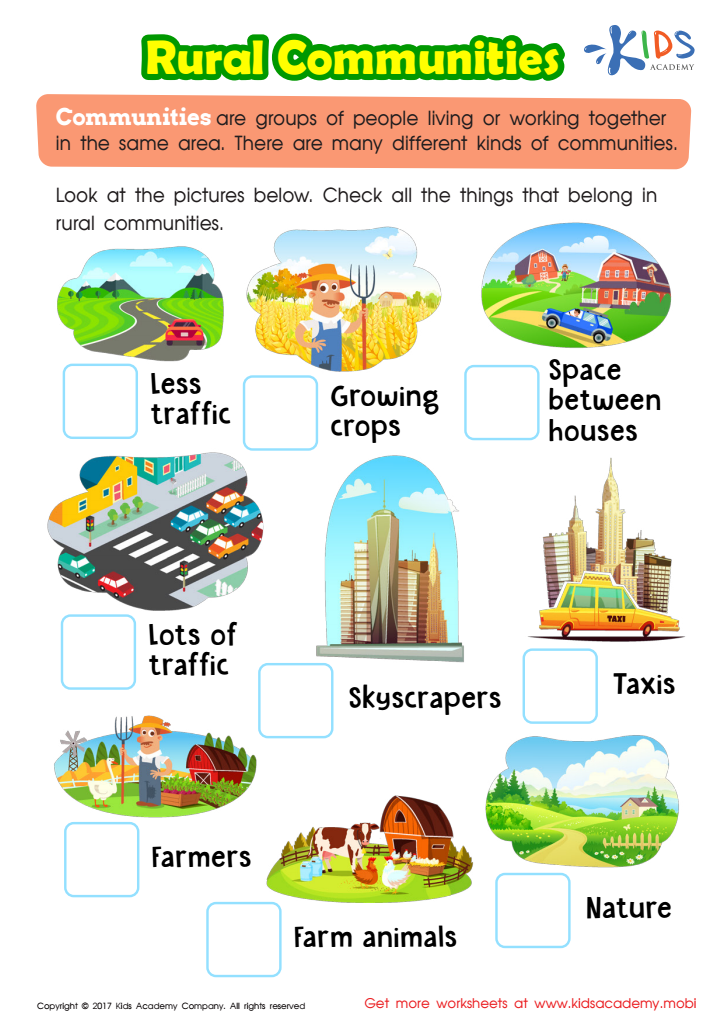
Rural Communities Printable
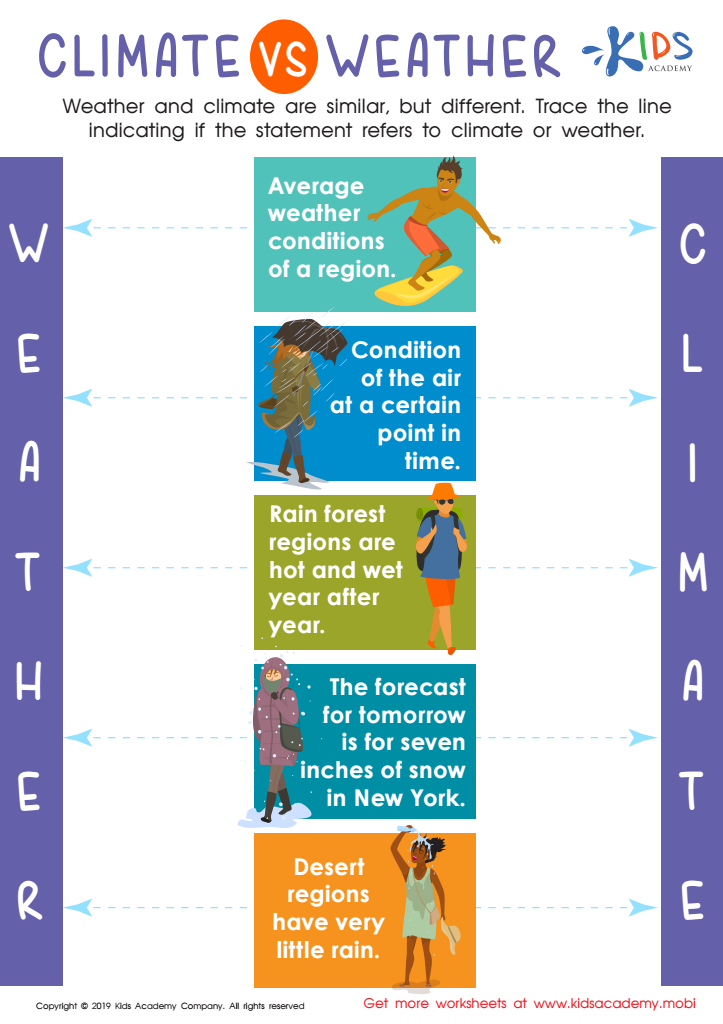
Climate vs Weather Worksheet
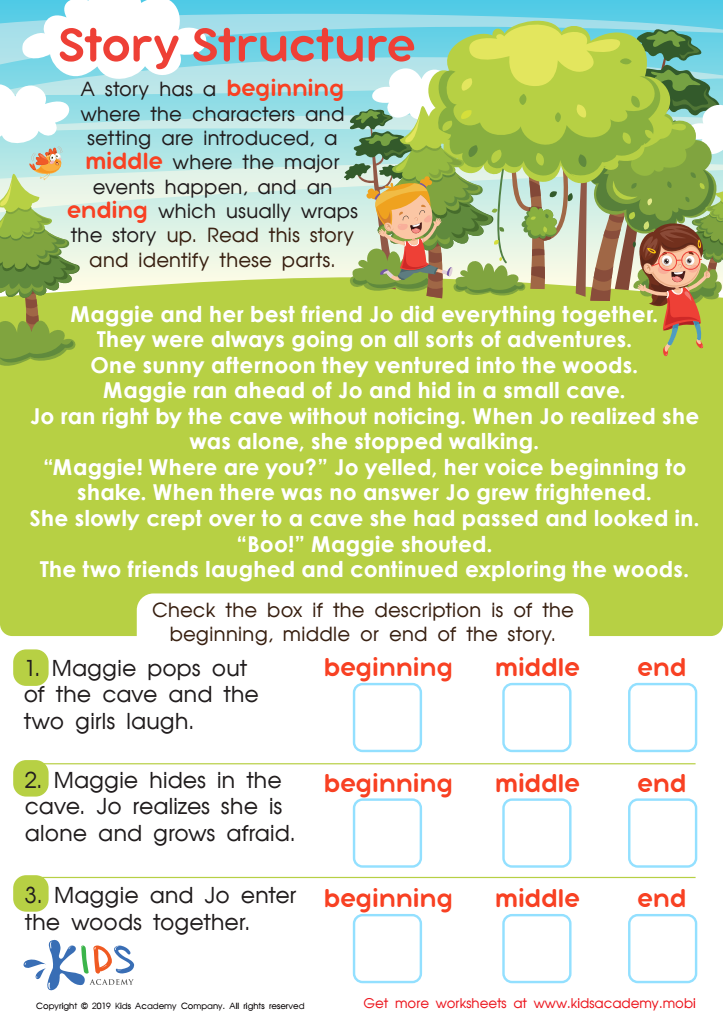
Story Structure Worksheet
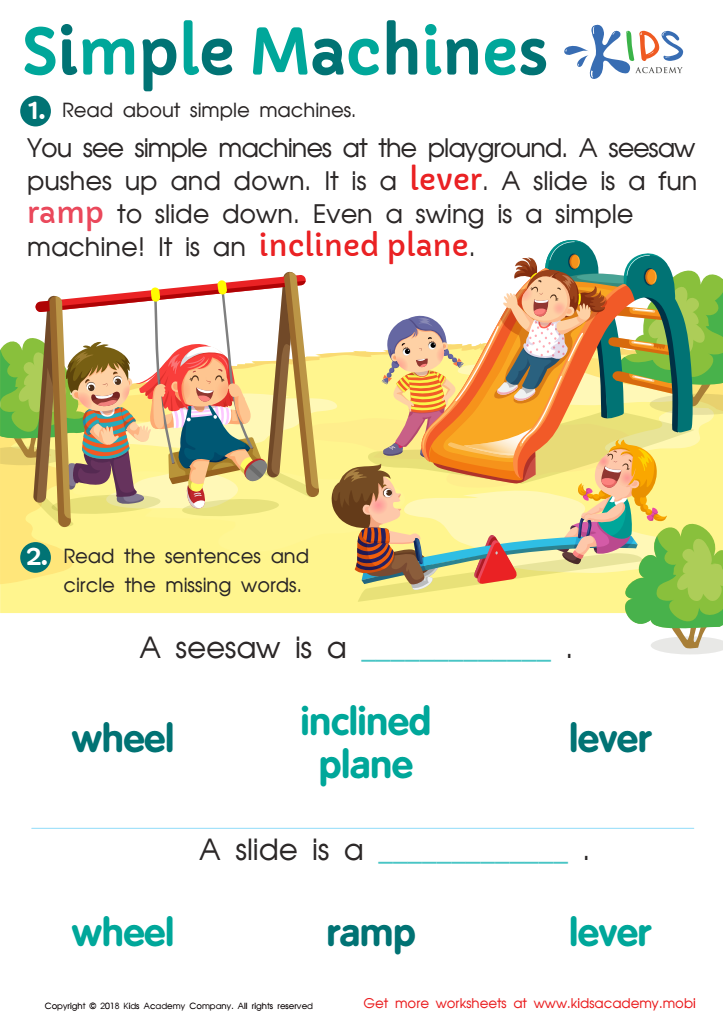
Simple Machines Worksheet








Parents and teachers should prioritize developing analytical skills in children aged 8-9 because this age marks a critical stage in cognitive development. At this age, children begin to think more critically and can tackle more complex problems. Learning to analyze information fosters an understanding of cause-and-effect relationships and enhances their decision-making abilities. Analytical skills empower students to solve challenges creatively and think independently, laying the groundwork for lifelong learning.
Moreover, analytical skills are essential for academic success across subjects. In subjects like mathematics, science, and literacy, students use these skills to process information, draw conclusions, and evaluate arguments. Mastering analytical thinking also nurtures lasting habits of inquiry, encouraging children to ask questions and seek deeper understanding instead of passively receiving information.
Finally, in an increasingly information-rich world, strong analytical skills equip children to navigate opinions and information critically, discerning fact from fiction. By focusing on these skills, parents and teachers are not just preparing students for standardized tests but are also endorsing their ability to engage thoughtfully in society. Nurturing analytical skills cultivates confidence, curiosity, and resilience, essential traits as children transition into more advanced levels of schooling and life.








