Enhancing vocabulary Normal Worksheets for Ages 8-9
6 filtered results
-
From - To
Welcome to our "Enhancing Vocabulary Normal Worksheets" for ages 8-9! Designed to ignite a love for words, these comprehensive worksheets provide engaging activities that expand your child’s vocabulary. Each worksheet focuses on essential language skills, including synonyms, antonyms, context clues, and more. With fun exercises, such as word matching and fill-in-the-blank, these resources promote active learning while reinforcing critical thinking. Perfect for home or classroom use, our worksheets are tailored to meet the developmental needs of 8 to 9-year-olds, ensuring they build a robust vocabulary foundation. Join us in making learning exciting and effective with our quality educational materials!
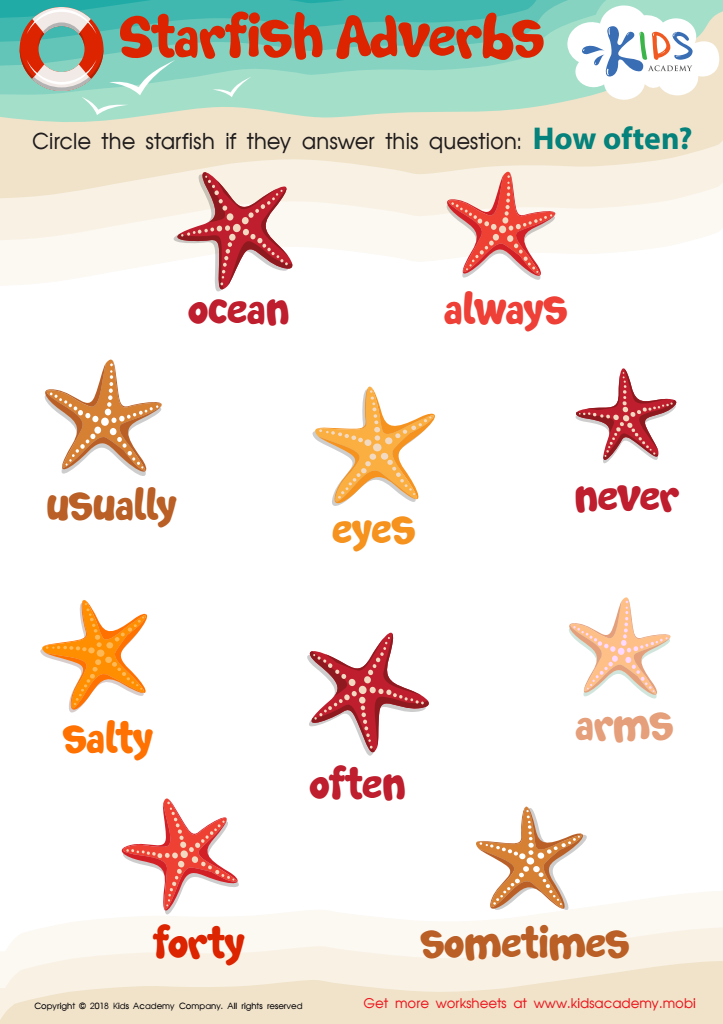
Starfish Adverbs Worksheet
 Assign to My Students
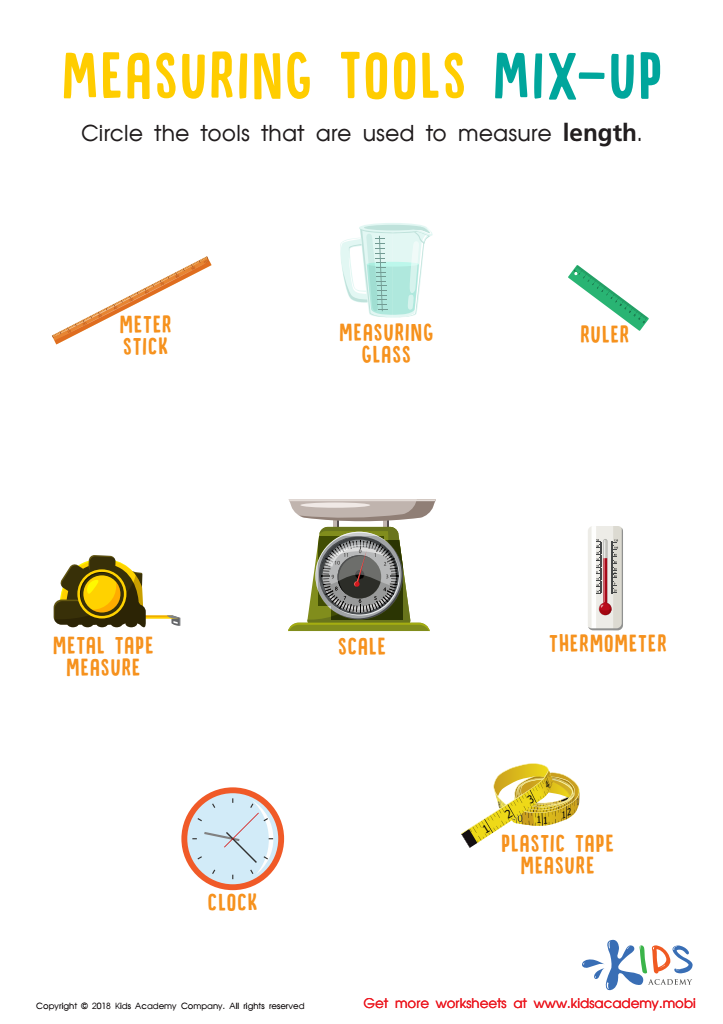
Measuring Tools Mix–up Worksheet
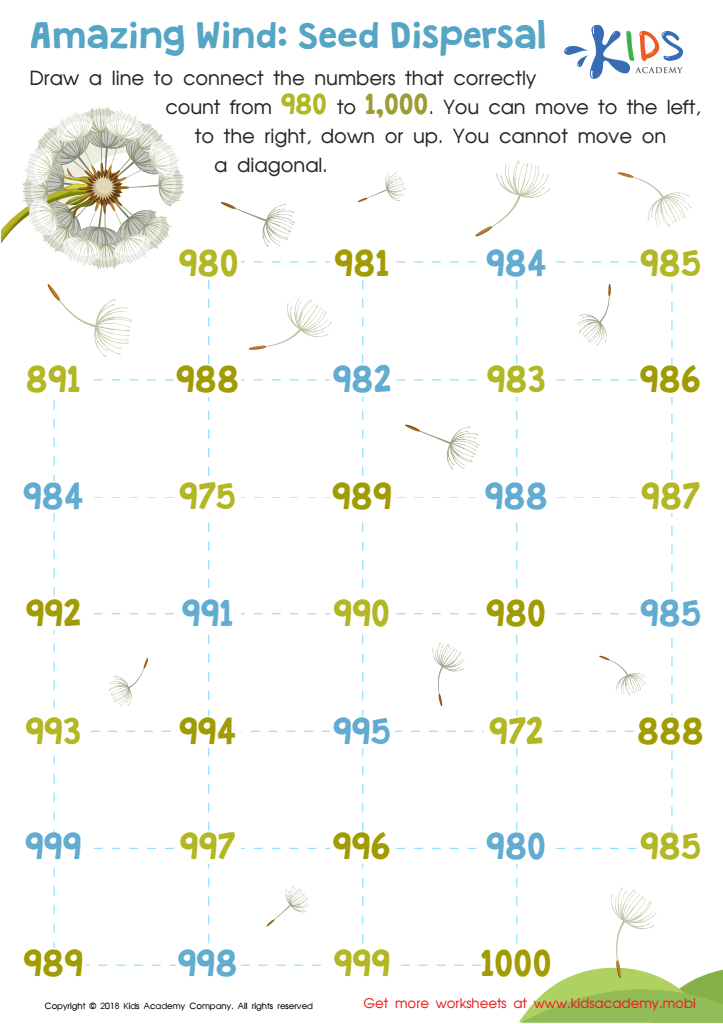
Amazing Wind: Seed Dispersal Worksheet
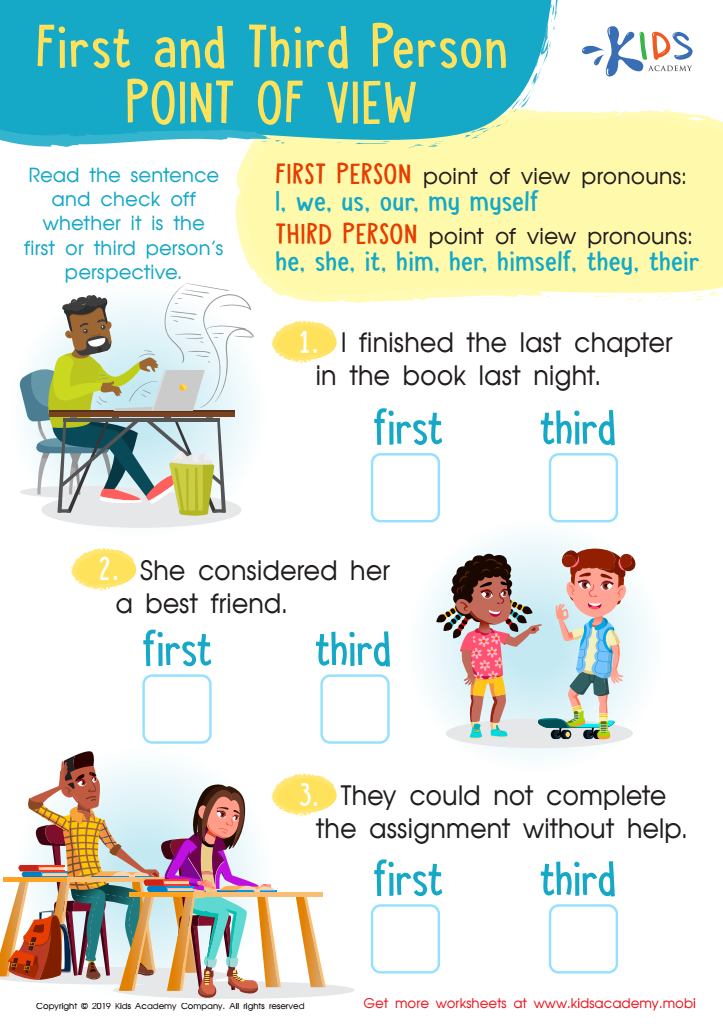
First and Third Person Point of View Worksheet
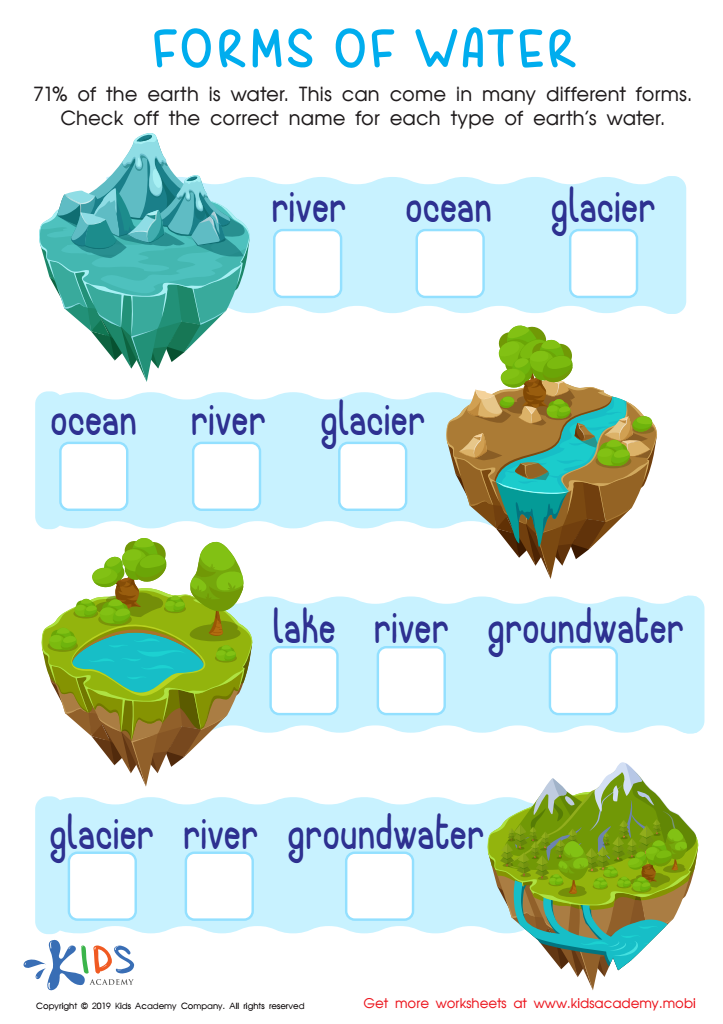
Forms of Water Worksheet
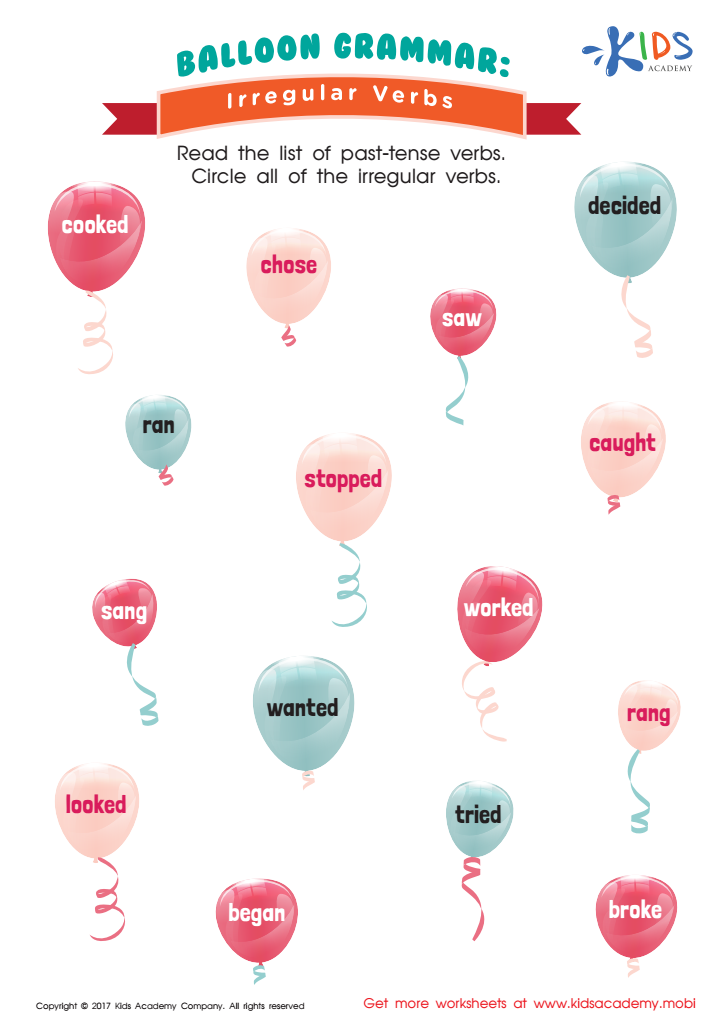
Irregular Verbs: Baloons Worksheet








Enhancing vocabulary in children aged 8 to 9 is crucial for several reasons. During this developmental stage, children are transitioning from learning to read to reading to learn. A robust vocabulary enables them to comprehend more complex texts, allowing them to explore new subjects and ideas beyond their immediate experience.
Furthermore, a rich vocabulary supports effective communication skills. Children with a strong vocabulary are better equipped to express their thoughts, feelings, and opinions, fostering confidence in social interactions and academic discussions. This is essential not only for classroom success but also for building relationships with peers and adults.
Vocabulary development also plays a significant role in critical thinking. When children have access to a wide range of words, they can articulate and process their thoughts more accurately, encouraging deeper engagement with ideas.
For teachers and parents alike, nurturing vocabulary growth sets the foundation for lifelong learning. Engaging with literature, providing varied language exposure, and encouraging curious conversations are key strategies. A child's ability to articulate concepts clearly enhances academic performance, bolsters emotional intelligence, and encourages a love for language, empowering them in both their personal and scholarly journeys. Therefore, prioritizing vocabulary development at this age is a vital investment in their future.








