Learning about ecosystems Normal Worksheets for Ages 8-9
3 filtered results
-
From - To
Discover our engaging "Learning About Ecosystems" worksheets designed for ages 8-9. These instructor-approved resources help young learners explore the diverse world of ecosystems, understanding the intricate connections between plants, animals, and their environments. Each worksheet offers interactive activities that foster critical thinking and a love for science. Aligned with educational standards, our worksheets support differentiated learning and promote environmental stewardship. Ideal for classrooms or at-home study, these materials provide a comprehensive, hands-on approach to studying ecosystems. Boost your child’s science skills through fun, informative exercises that make learning about nature both exciting and accessible.
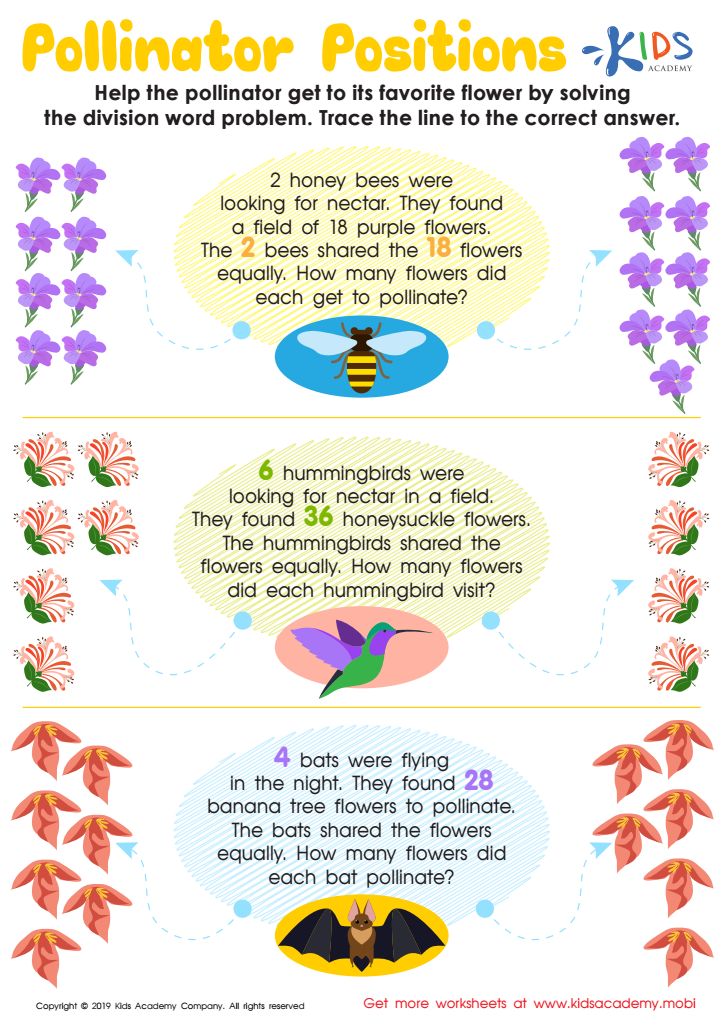
Pollinator Positions Worksheet
 Assign to My Students
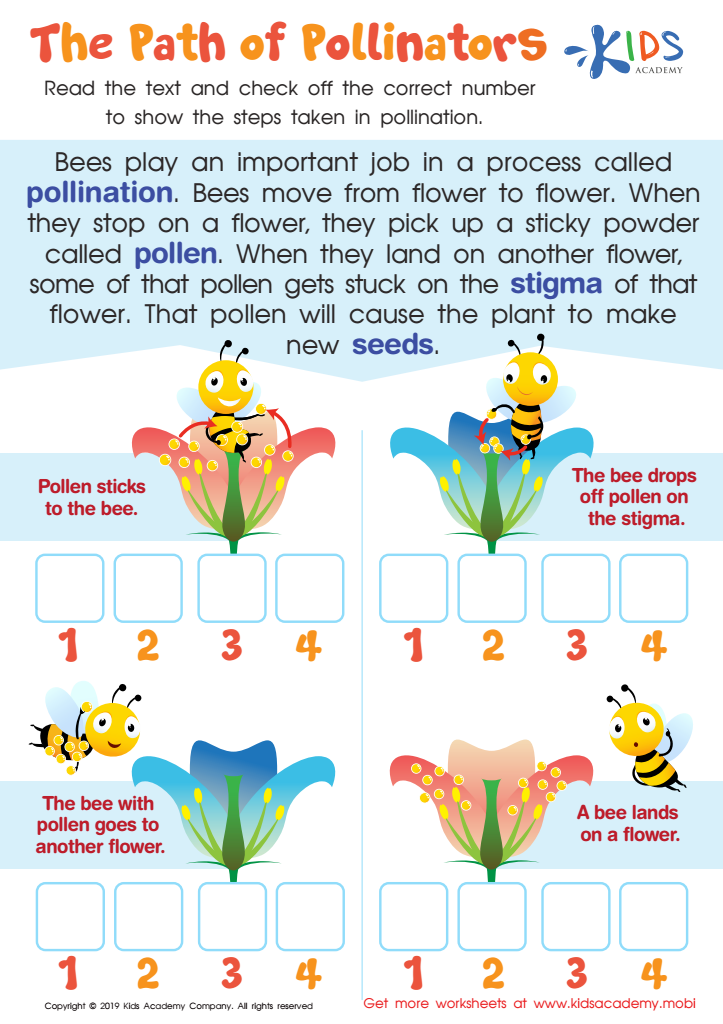
The Path of Pollinators Worksheet
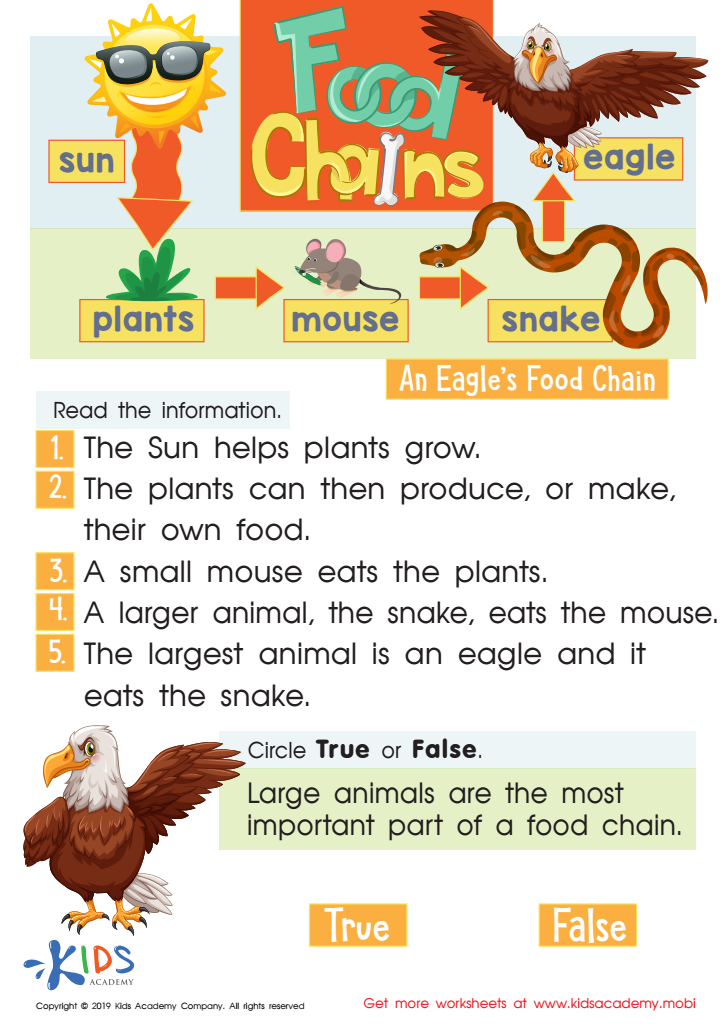
Food Chains Worksheet






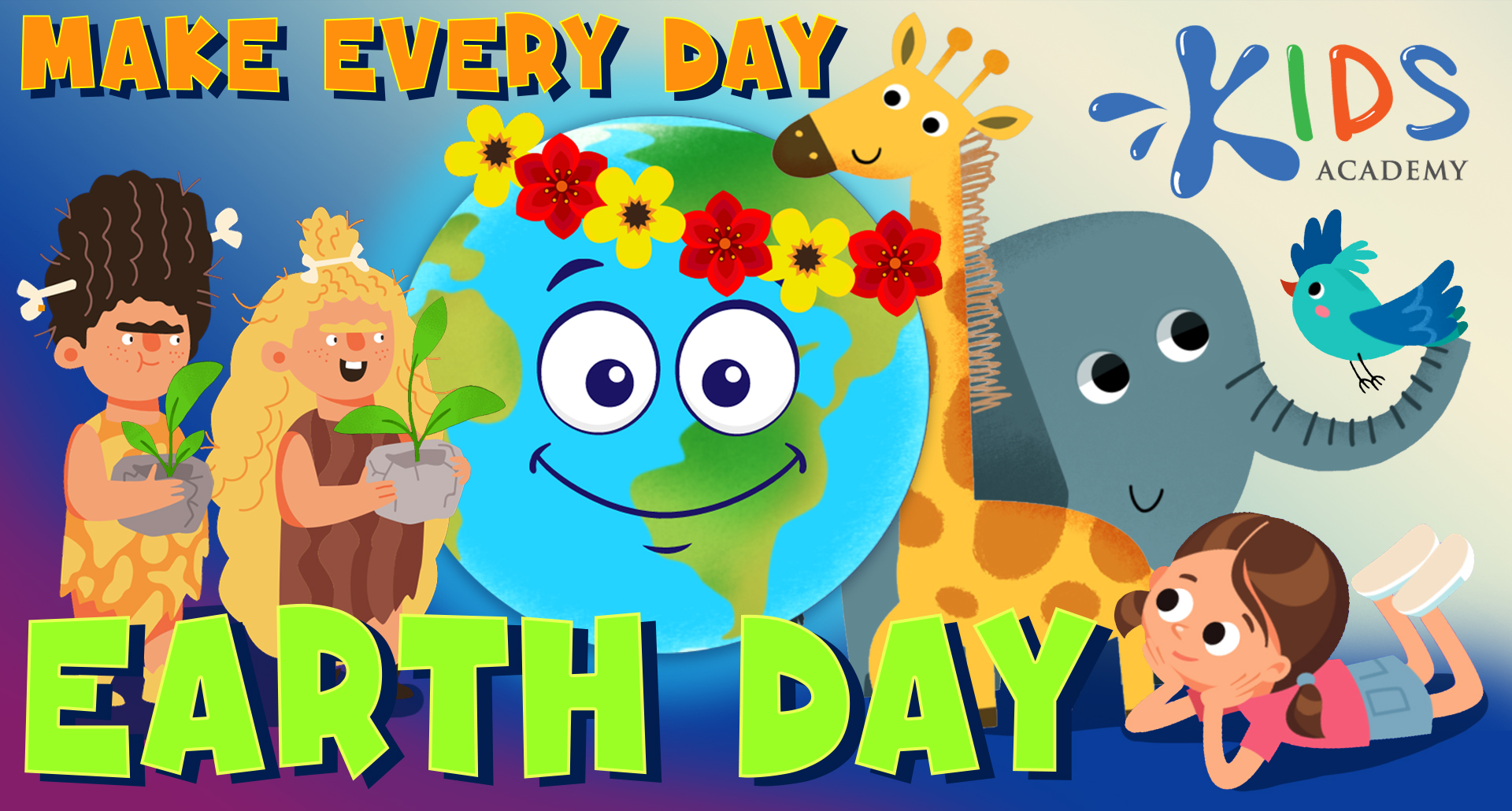
Learning about ecosystems at ages 8-9 is crucial for several reasons that benefit both the child and society. Firstly, children are naturally curious and eager to understand the world around them. Introducing the concept of ecosystems taps into this curiosity and encourages a sense of wonder and respect for nature. Understanding ecosystems — how various plants, animals, and environments interact — helps children grasp the importance of biodiversity, balance, and sustainability.
Secondly, early environmental education fosters responsible citizenship. As future stewards of the planet, children who understand ecosystems are more likely to make environmentally conscious decisions and advocate for the protection of natural resources as they grow older.
Furthermore, learning about ecosystems can enhance critical thinking and problem-solving skills. By exploring how different species coexist and depend on one another, children can develop a holistic understanding of cause and effect, as well as an appreciation for the complexity of life. This kind of interdisciplinary learning can also connect with subjects like science, geography, and even math, enhancing overall academic development.
Finally, engaging with content about ecosystems often involves outdoor, hands-on activities that promote physical health and well-being. It allows children to experience learning beyond the classroom, turning abstract concepts into tangible knowledge. Thus, parents and teachers should prioritize ecosystem education to inspire informed, healthy, and environmentally responsible individuals.








