Phonics recognition Normal Worksheets for Ages 8-9
4 filtered results
-
From - To
Explore our engaging Phonics Recognition Worksheets designed specifically for children aged 8-9. These worksheets are perfect for reinforcing essential phonics skills through fun and interactive activities. Each sheet focuses on building strong reading foundations by challenging learners with various tasks, such as identifying sounds, decoding words, and matching letters. Our user-friendly format encourages independent practice while providing educators and parents with the tools needed to support early literacy development. Whether used in the classroom or at home, these worksheets will help enhance phonetic awareness and boost confidence in young readers. Download now and watch your child's reading skills flourish!
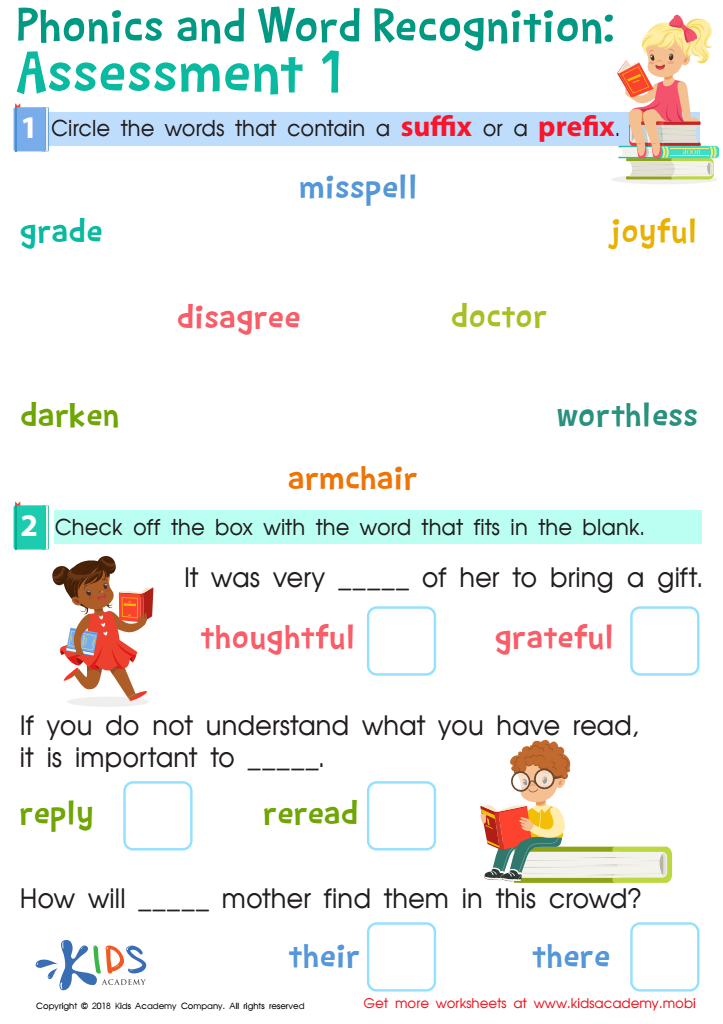
Phonics and Word Recognition: Assessment 1 Worksheet
 Assign to My Students
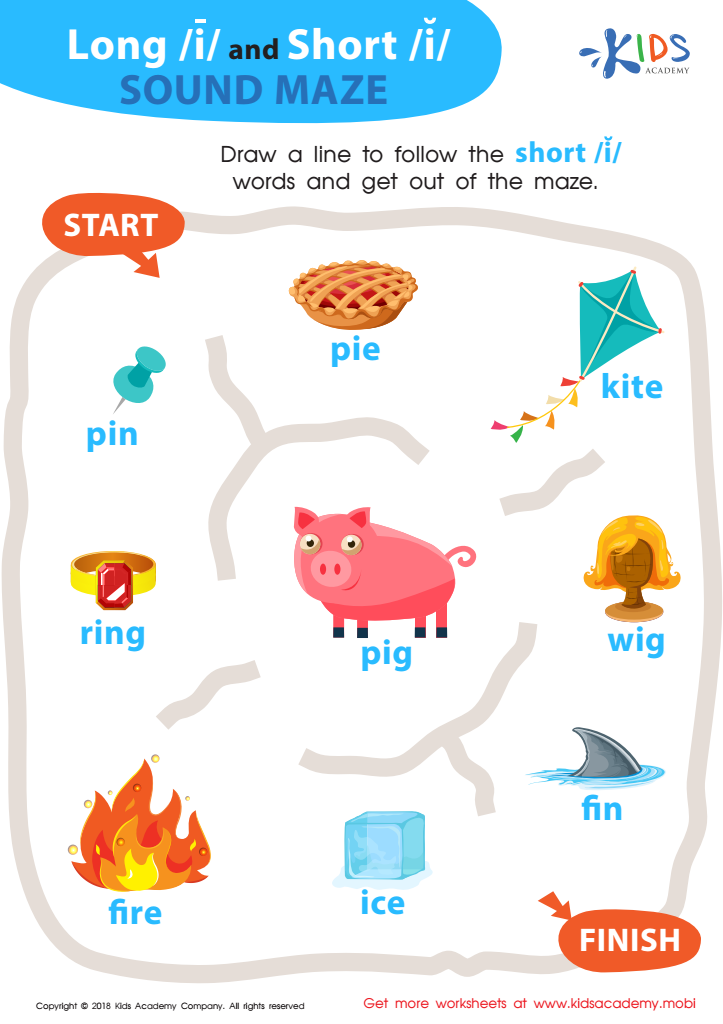
Reading: Long I and Short I Sound Maze Worksheet
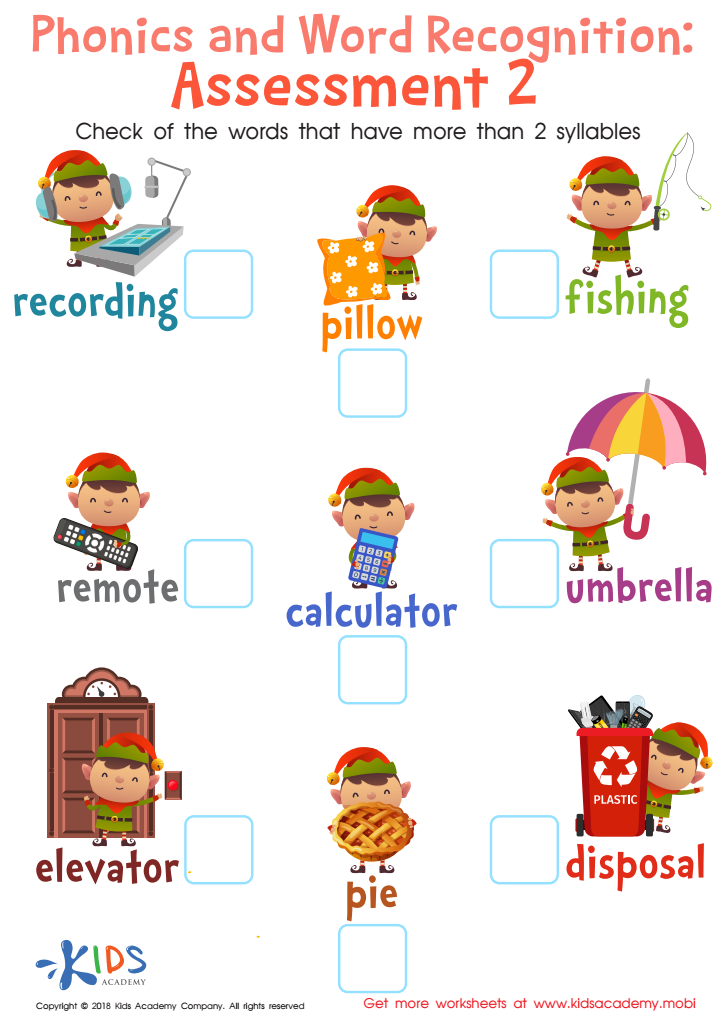
Phonics and Word Recognition: Assessment 2 Worksheet
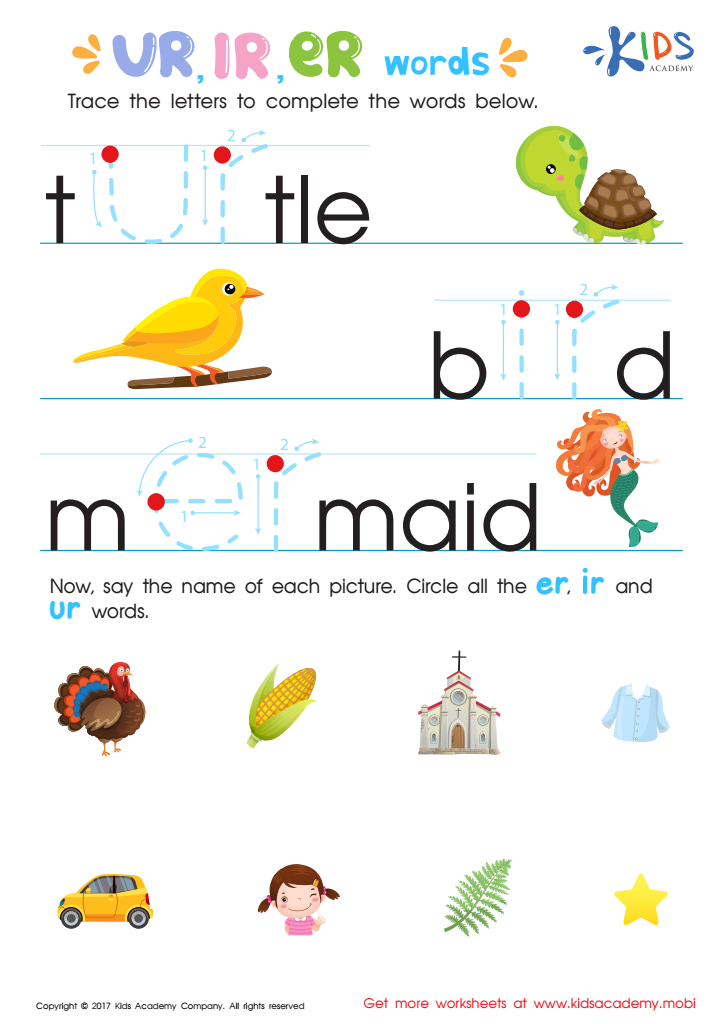
IR UR ER Words Worksheet







Phonics recognition is crucial for children aged 8-9 as it lays the foundation for proficient reading, spelling, and overall literacy skills. At this age, many students transition from "learning to read" to "reading to learn." Mastery of phonics helps them decode unfamiliar words, enabling them to explore a wider range of texts and subjects. When parents and teachers prioritize phonics recognition, they support children's confidence in reading, which positively influences their academic performance across various disciplines.
Moreover, research shows that a solid grasp of phonics enhances vocabulary development and comprehension skills. As children recognize and sound out words more easily, they engage more deeply with the material, leading to better retention and understanding. This foundational skill can also foster a love for reading, as children are less likely to feel frustrated when encountering new vocabulary.
In addition, phonics skills correlate with writing abilities; understanding sound-letter relationships allows kids to spell words correctly, further enriching their communication skills. Overall, adults in a child's life play a pivotal role in nurturing these essential skills, advocating that solid phonics recognition is not just an academic milestone but a vital component of lifelong literacy.








