Vocabulary development Normal Social Studies Worksheets for Ages 8-9
3 filtered results
-
From - To
Enhance your child's vocabulary with our engaging Vocabulary Development Social Studies Worksheets designed for ages 8-9. These expertly crafted worksheets promote essential language skills while seamlessly integrating social studies concepts. Students will explore diverse topics through interactive activities, including word searches, matching exercises, and fill-in-the-blank tasks, fostering both comprehension and communication. Our fun, age-appropriate content makes learning enjoyable, ensuring children can build a robust vocabulary and connect it to real-world contexts. Perfect for classroom use or at-home practice, these printable worksheets will empower young learners to express themselves confidently while gaining a deeper understanding of social studies themes. Start enriching your child's vocabulary today!
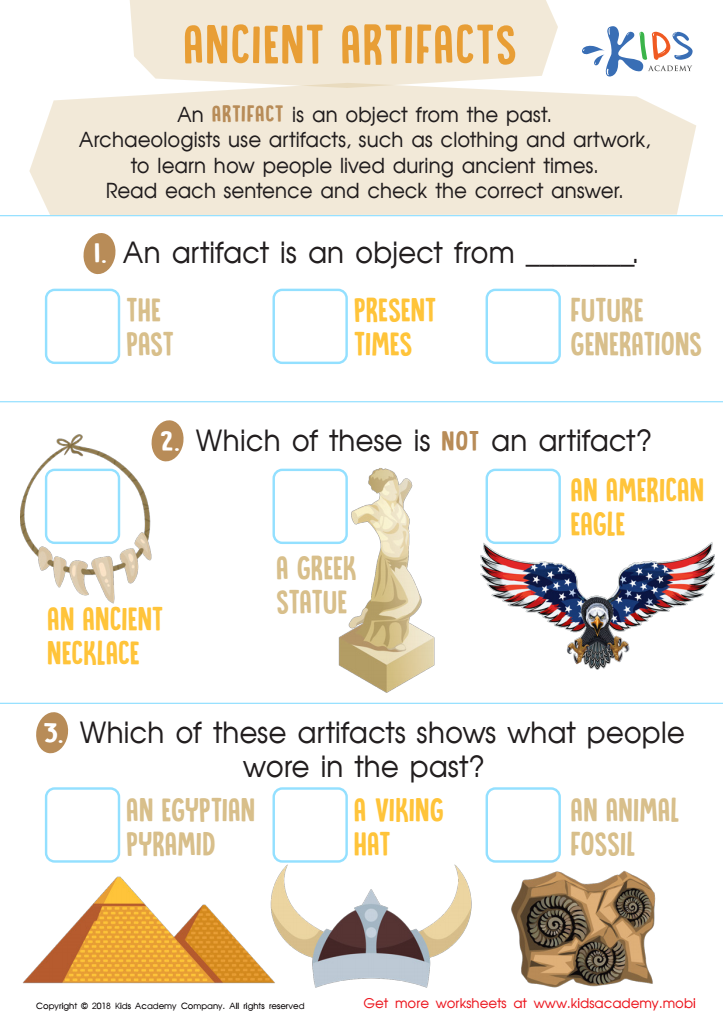
Ancient Artifacts Worksheet
 Assign to My Students
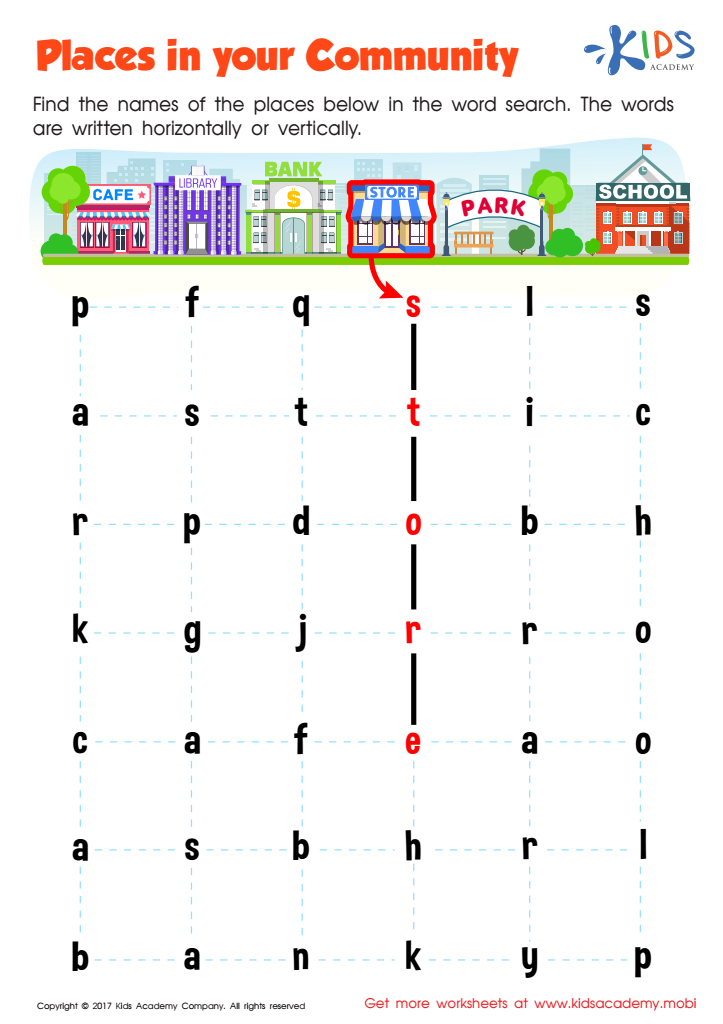
Places in Your Community Worksheet
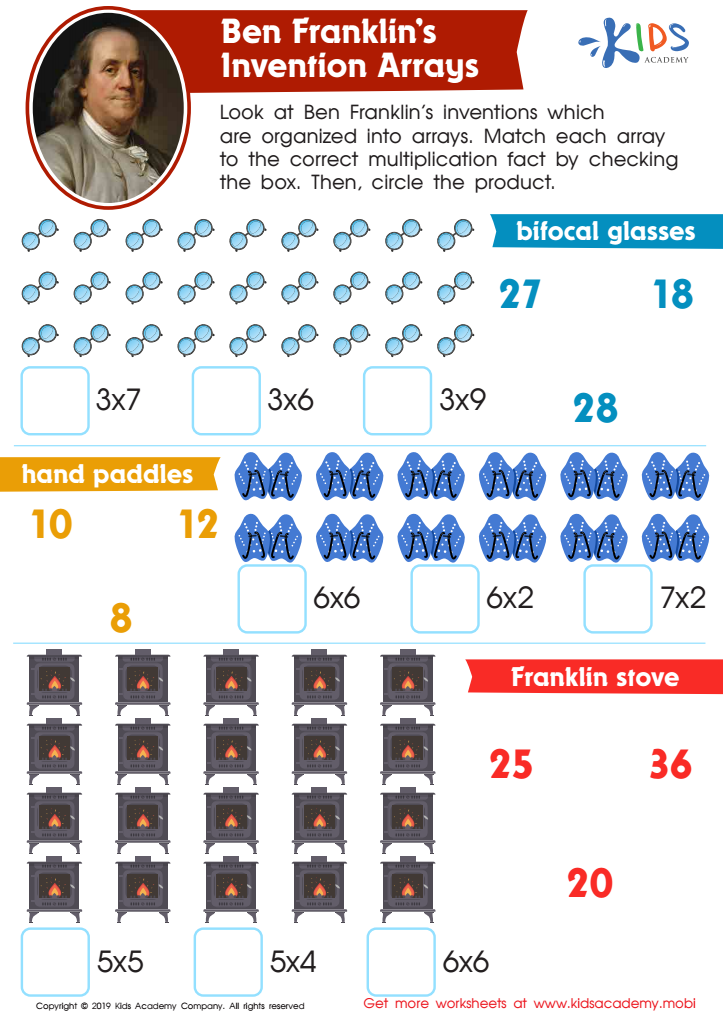
Ben Franklin’s Invention Arrays Worksheet








Vocabulary development is critical for children aged 8-9, particularly in the context of social studies. This age group is beginning to explore more complex concepts, such as citizenship, history, cultures, and geography. A robust vocabulary enhances their ability to understand and engage with these topics meaningfully. Parents and teachers who prioritize vocabulary development help children improve their reading comprehension, critical thinking, and communication skills, which are essential for academic success.
In social studies, a rich vocabulary enables students to articulate their thoughts and experiences, fostering discussions about societal issues and historical events. This engagement cultivates a sense of identity and belonging, encouraging them to develop perspectives on their community and the world around them.
Moreover, a strong vocabulary enhances children's confidence in expressing their thoughts, leading to greater participation in classroom discussions and group activities. As they learn to articulate their ideas about diverse cultures and histories, children become more empathetic and open-minded.
By investing time in vocabulary development, parents and teachers empower children not just academically, but also socially and emotionally. This foundation holds lifelong implications, preparing them for future educational challenges and improving their interactions as informed citizens in an increasingly complex society.