Learning about ecosystems Normal Worksheets for 8-Year-Olds
3 filtered results
-
From - To
Explore the fascinating world of ecosystems with our engaging worksheets designed for 8-year-olds! These normal worksheets offer a fun and interactive way for children to learn about the interdependent relationships between living organisms and their environment. With colorful illustrations and easy-to-understand activities, students can dive into concepts like food chains, habitats, and the importance of biodiversity. Perfect for enhancing classroom learning or for homeschooling, these resources encourage critical thinking and creativity. Help your child grasp essential ecological principles while developing important learning skills. Start their adventure in understanding ecosystems today with our thoughtfully crafted worksheets!
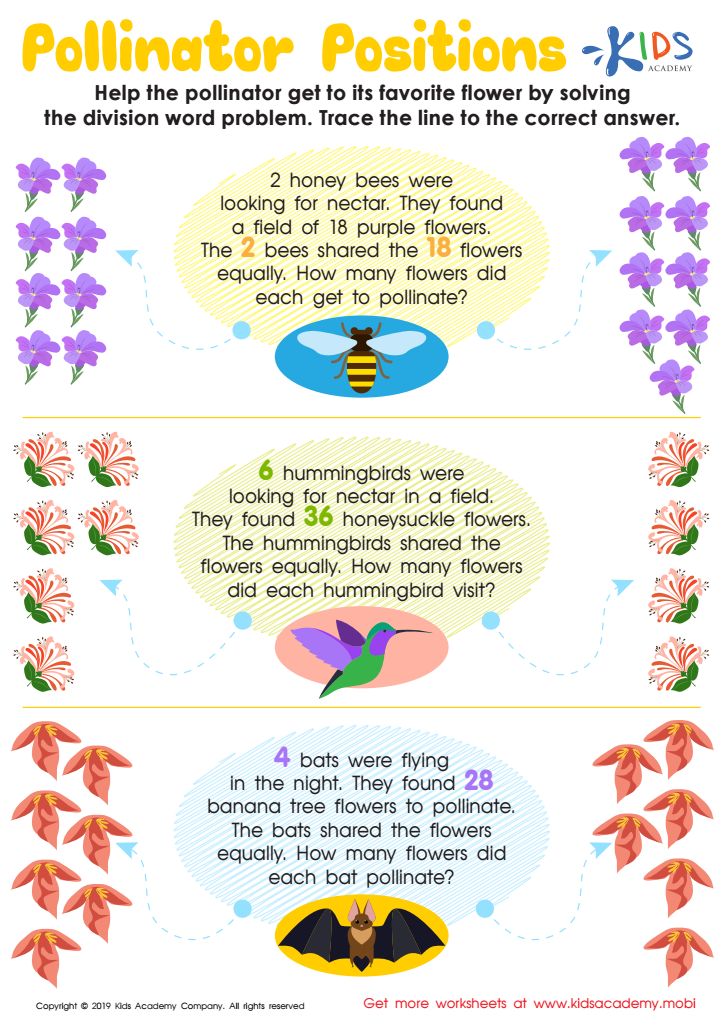
Pollinator Positions Worksheet
 Assign to My Students
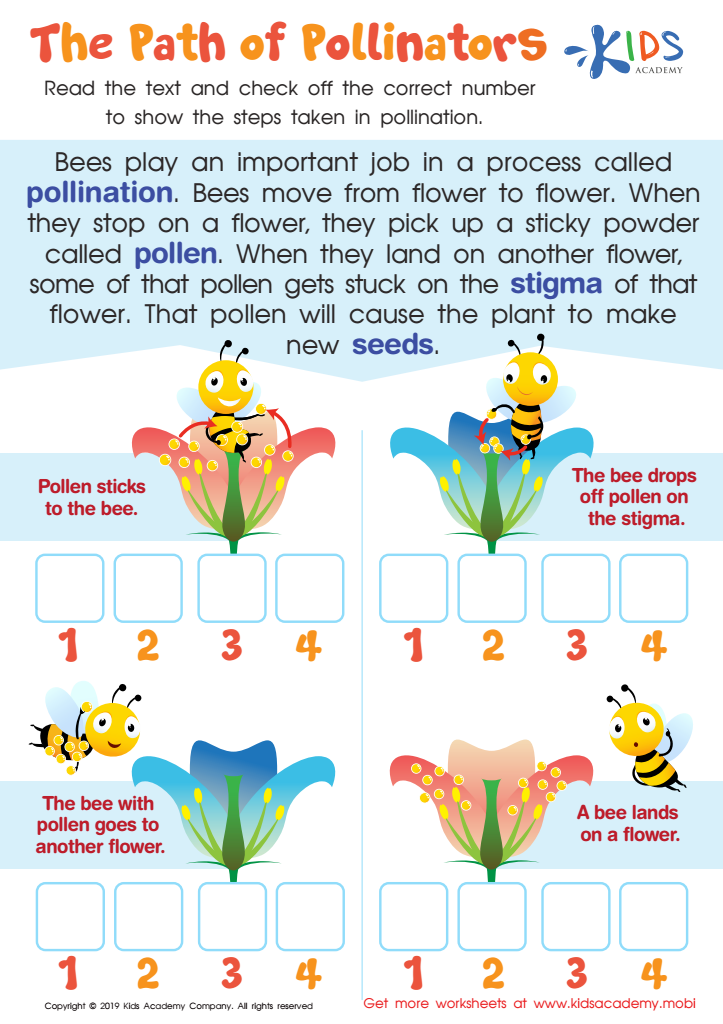
The Path of Pollinators Worksheet
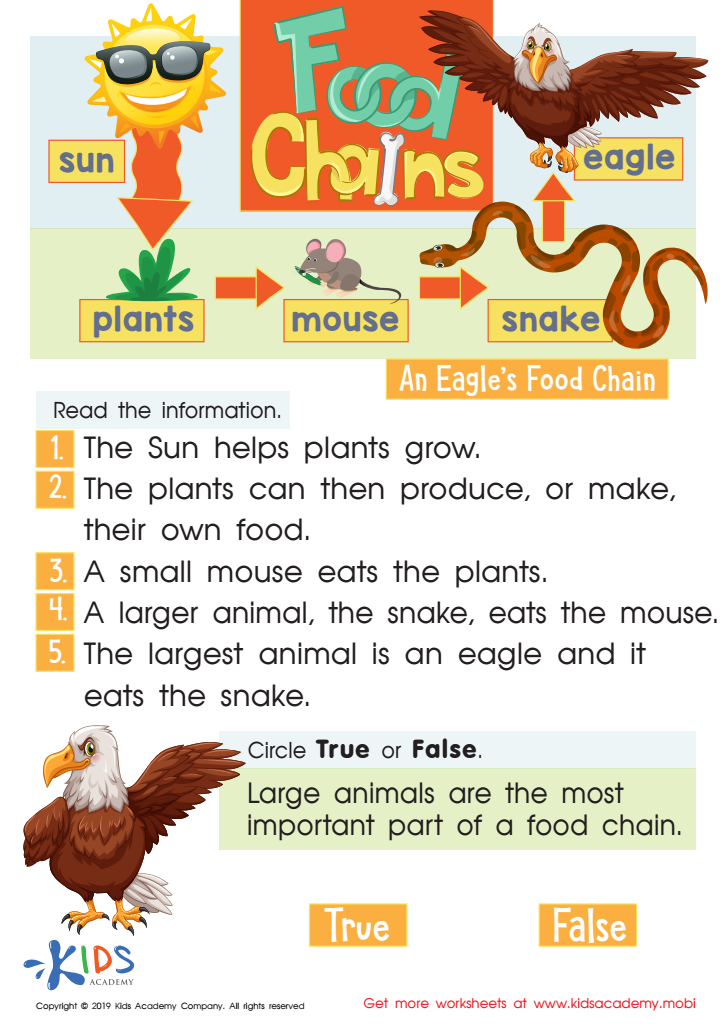
Food Chains Worksheet








Understanding ecosystems is essential for both parents and teachers when it comes to the education of 8-year-olds. At this age, children are naturally curious about the world around them. Teaching them about ecosystems helps them appreciate the intricate relationships between living organisms and their environments.
By learning about ecosystems, children discover how plants, animals, and humans interact, which can foster a sense of responsibility toward nature. It encourages them to think critically about their role in the environment, promoting eco-friendly behaviors. Moreover, grasping concepts like food chains, habitats, and biodiversity enhances their scientific understanding and problem-solving skills.
Ecosystem education can also spark interest in careers in science, conservation, and environmental protection, broadening their career aspirations. For parents and teachers, engaging kids in these topics creates opportunities for hands-on learning through outdoor activities and projects, which enrich the educational experience.
Ultimately, caring about ecosystems is about nurturing informed, proactive citizens who will be the caretakers of our planet in the future. Educating young minds now can lead to positive changes and a more sustainable world down the line. Therefore, it’s vital that learning about ecosystems is prioritized in educational curricula.








