Critical Thinking Normal Plants and Animals Worksheets for 8-Year-Olds
5 filtered results
-
From - To
Explore our engaging "Critical Thinking Normal Plants and Animals Worksheets for 8-Year-Olds" designed to enhance young learners' investigative skills. Our printable worksheets foster critical thinking by encouraging kids to analyze, compare, and draw conclusions about various plants and animals. Through fun and educational activities, children develop a deeper understanding of nature, improving their observation and problem-solving abilities. Perfect for home or classroom use, these worksheets support science standards and provide a stimulating way for children to appreciate the fascinating world of plants and animals. Start exploring today and watch your child's curiosity and knowledge grow!
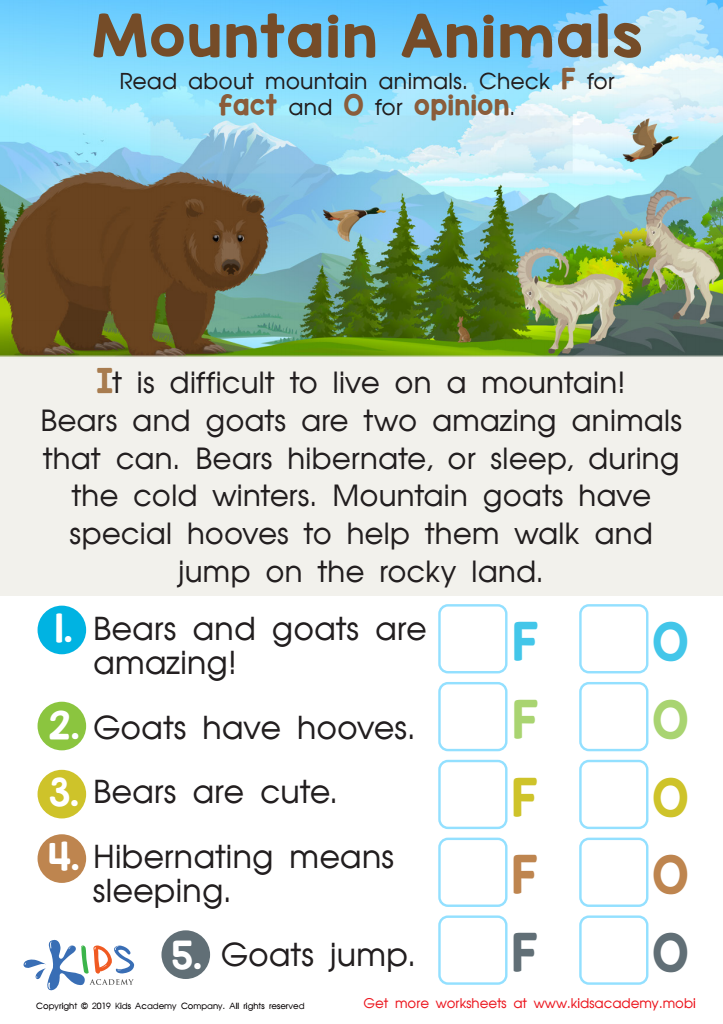
Mountain Animals Worksheet
 Assign to My Students
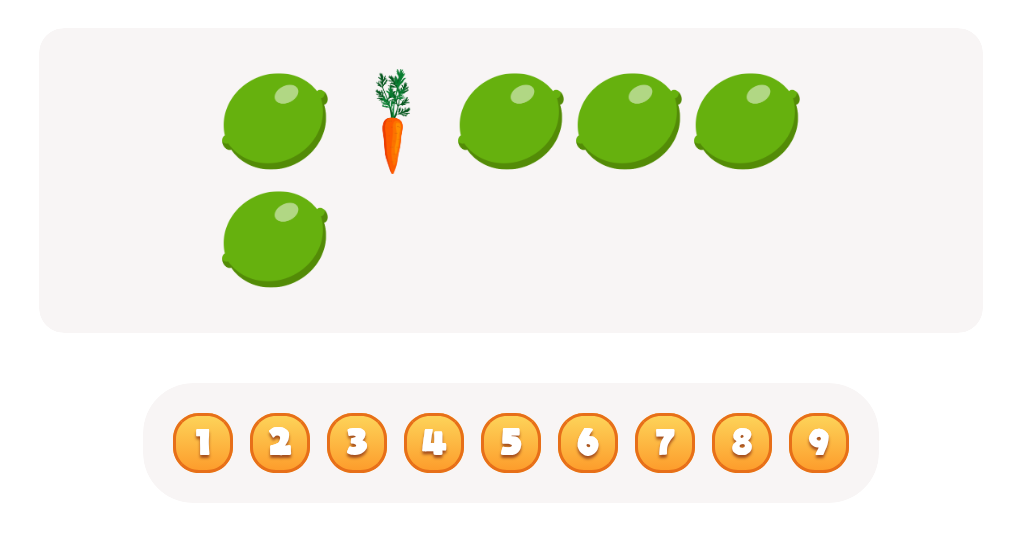

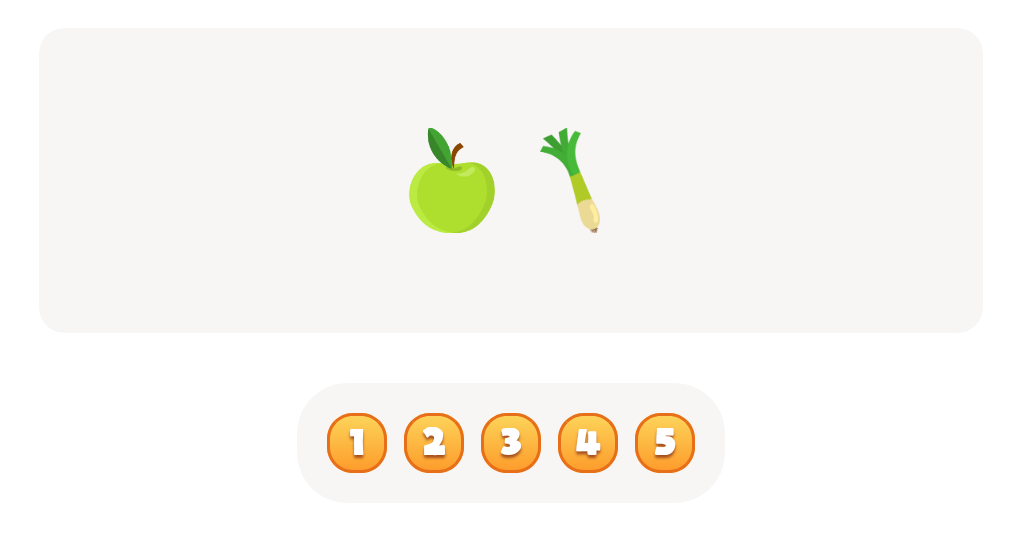
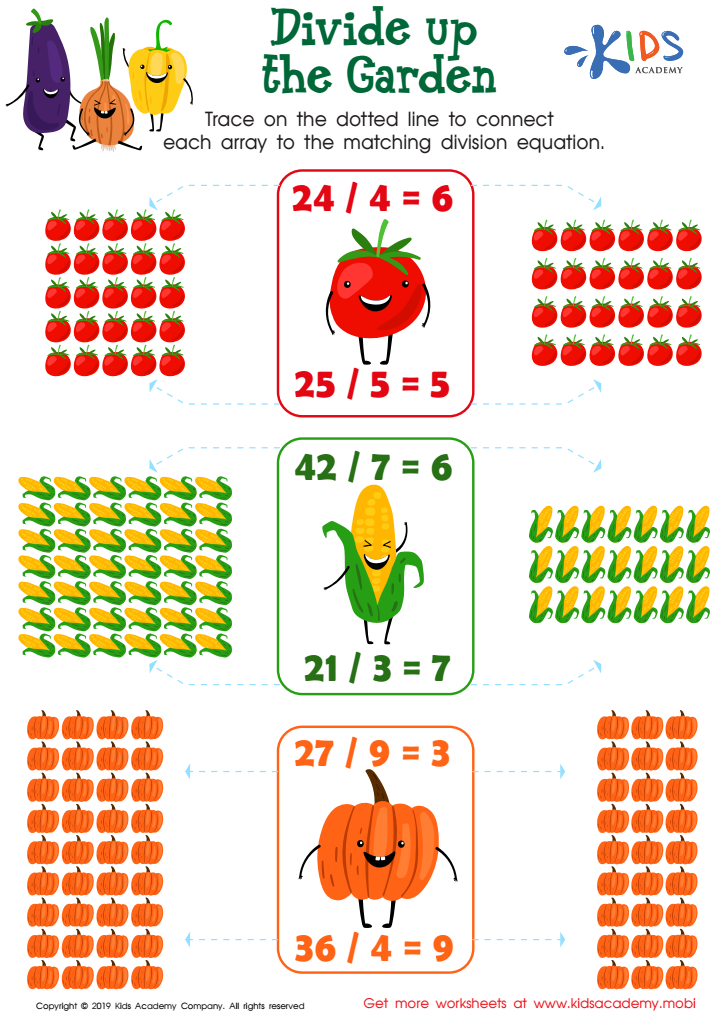
Divide up the Garden Worksheet
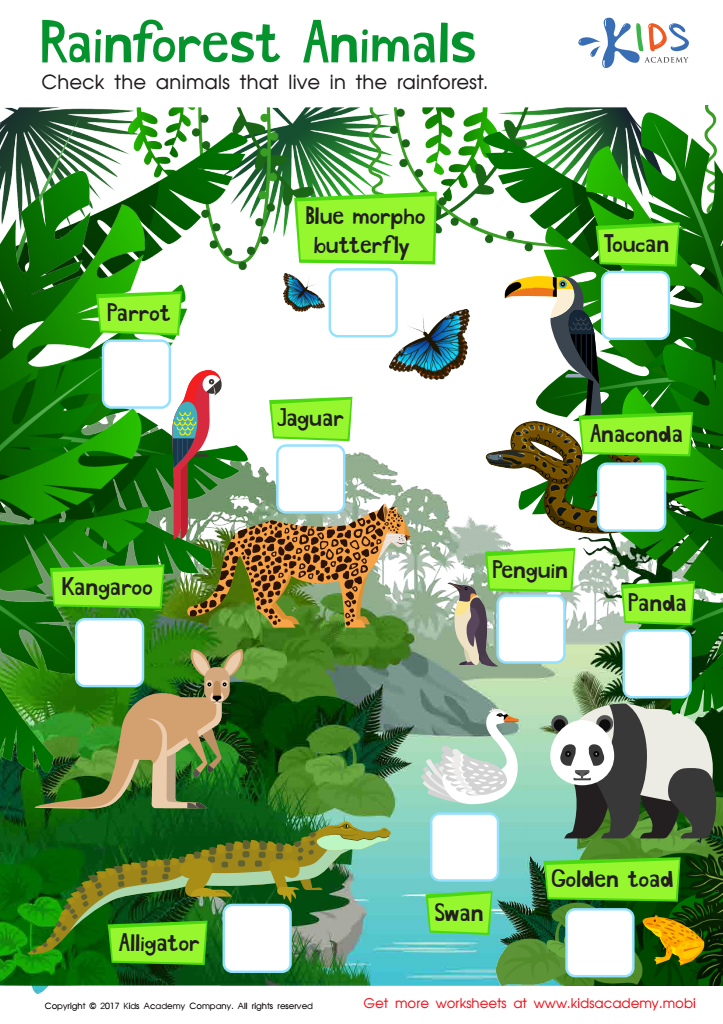
Rainforest Animals Worksheet
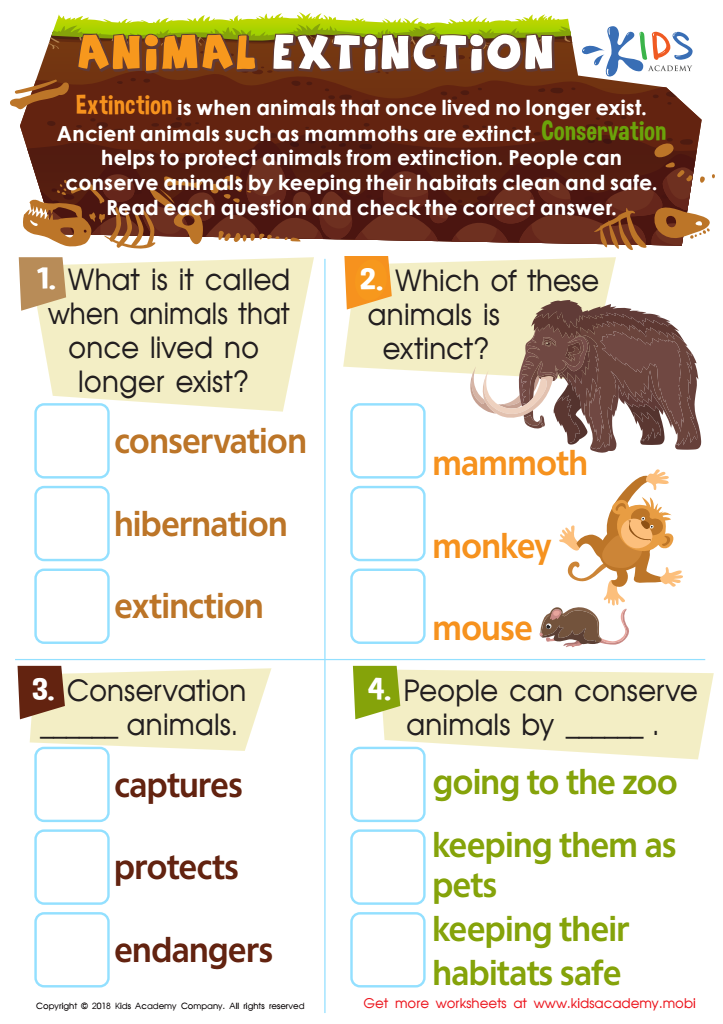
Animal Extinction Worksheet
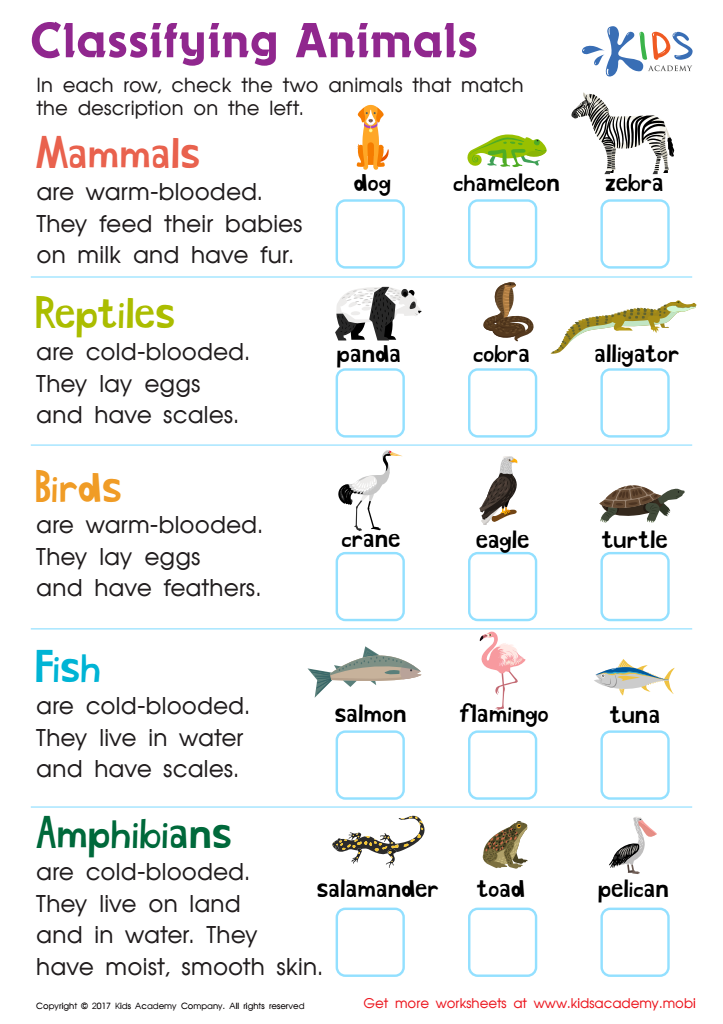
Classifying Animals Worksheet







Encouraging critical thinking about normal plants and animals at the age of eight is pivotal for several reasons. First, it helps cultivate scientific curiosity. At this developmental stage, children are naturally curious and keen observers of the world around them. Introducing them to critical thinking in biology can foster a lifelong interest in science and the natural world.
Additionally, it enhances problem-solving skills. When children learn to observe plants and animals critically, they begin to ask questions such as why a plant grows in a certain way or how animals adapt to their environments. This inquiry-based learning helps them develop the ability to analyze information, make connections, and find solutions to problems—a skill that is beneficial across all areas of learning and in everyday life.
Furthermore, it encourages environmental stewardship. Understanding the roles of plants and animals in an ecosystem can instill a sense of responsibility to care for the environment. When children learn the importance and interconnectedness of living organisms, they are more likely to develop a sense of respect and urgency to protect natural habitats.
Lastly, it supports holistic education. Critical thinking about natural sciences integrates knowledge from various subjects, such as reading, math, and social studies, providing a well-rounded and comprehensive education.
In conclusion, fostering critical thinking in relation to plants and animals helps develop curiosity, problem-solving skills, environmental responsibility, and a cohesive educational experience for eight-year-olds.