Artistic Expression Normal Coloring Pages Worksheets
7 filtered results
-
From - To
Discover a world of creativity with our "Artistic Expression Normal Coloring Pages Worksheets." Perfect for children of all ages, these engaging pages foster imaginative thinking while developing fine motor skills. Each worksheet features diverse themes and intricate designs that encourage young artists to explore colors and bring their visions to life. Ideal for classroom activities or at-home fun, our coloring pages are excellent resources for nurturing artistic talents and promoting relaxation. Download now to provide a joyful and educational artistic experience for your child! Explore more to inspire the young artist within.
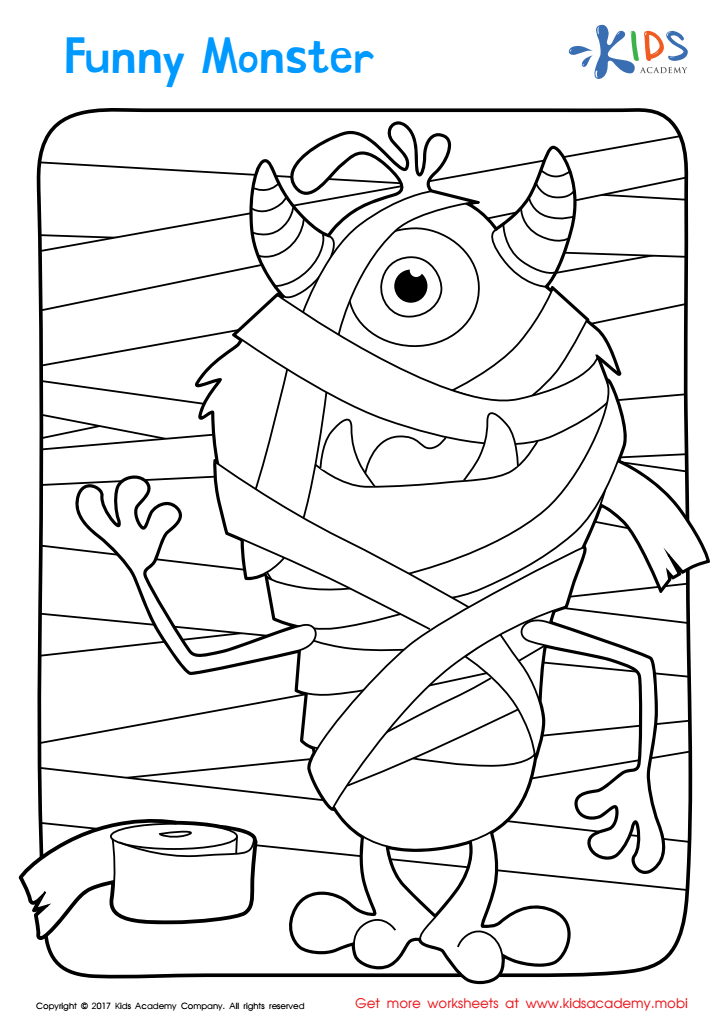
Halloween: A Funny Monster Worksheet
 Assign to My Students
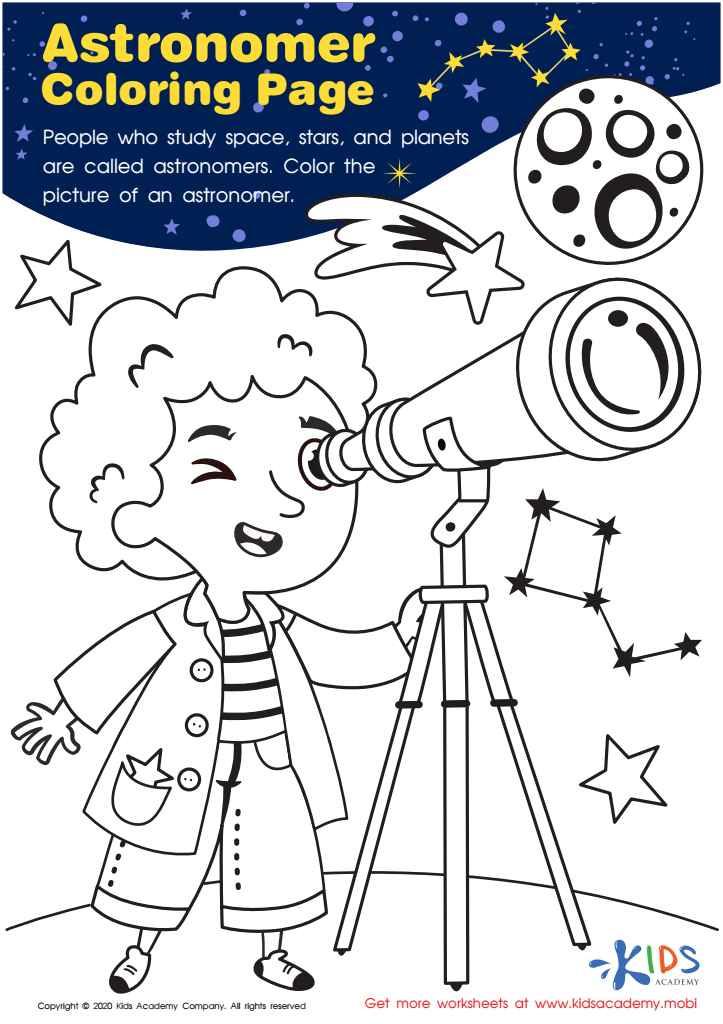
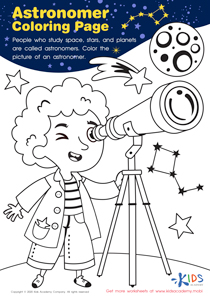
Astronomer Coloring Page Worksheet
Assign to My Students
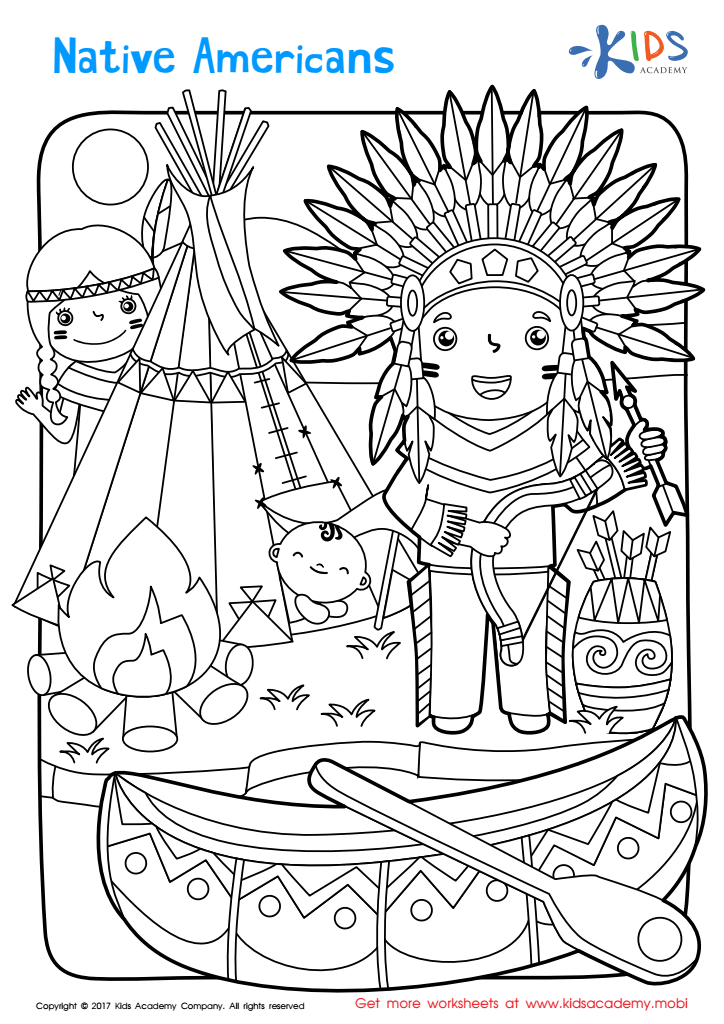
Native American Coloring Page Worksheet
Assign to My Students
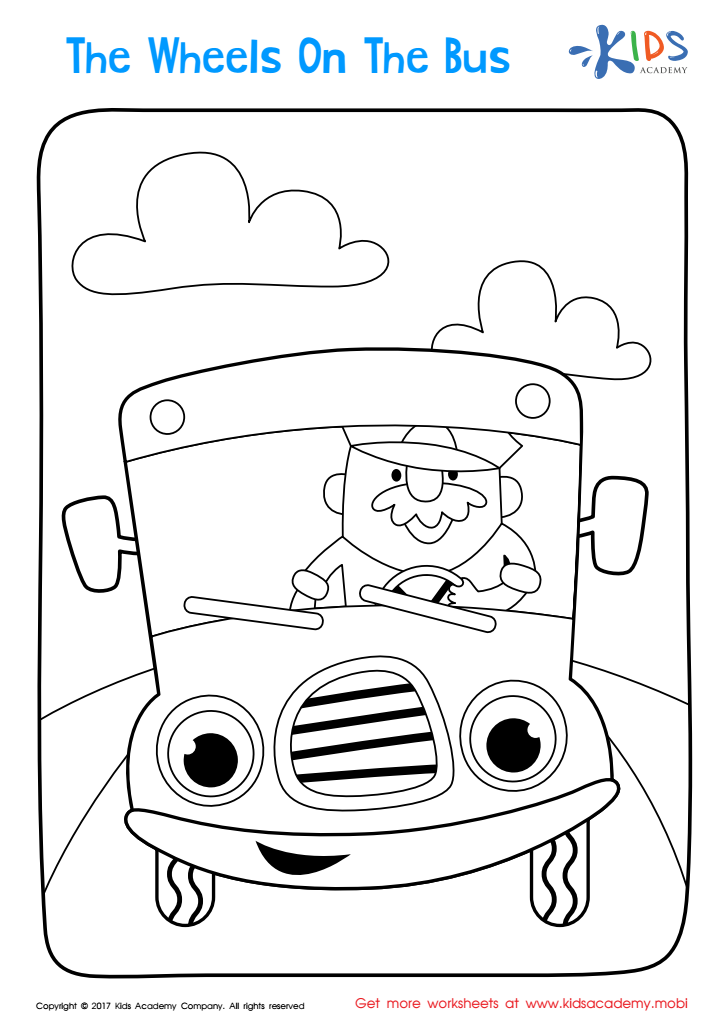
The Wheels on the Bus Coloring Page
Assign to My Students
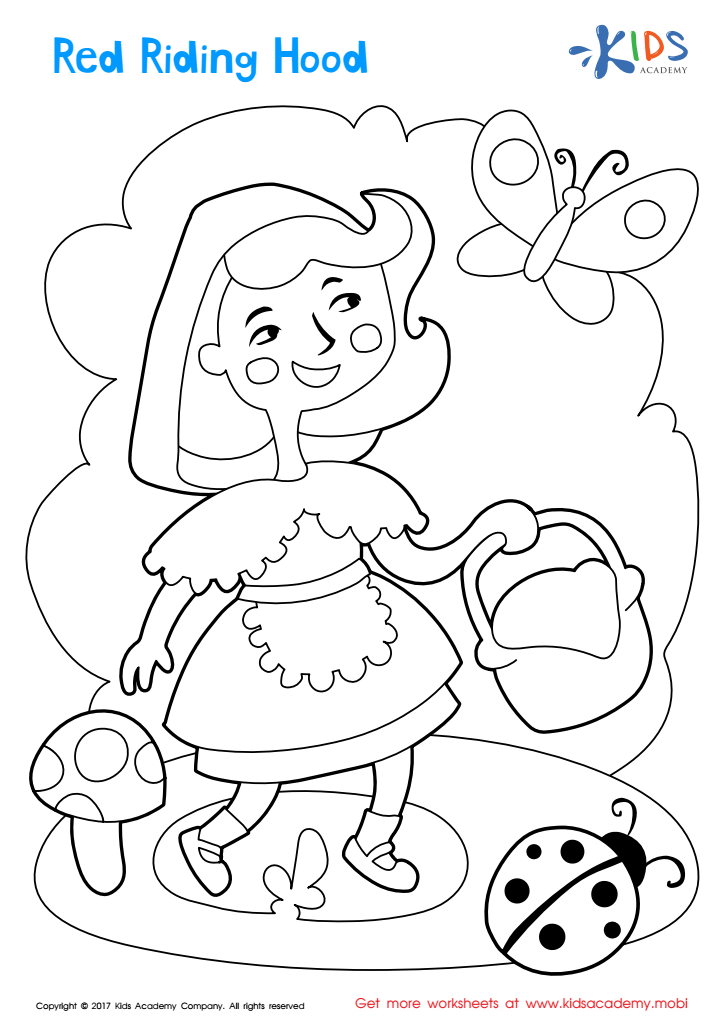
Red Riding Hood Coloring Page
Assign to My Students
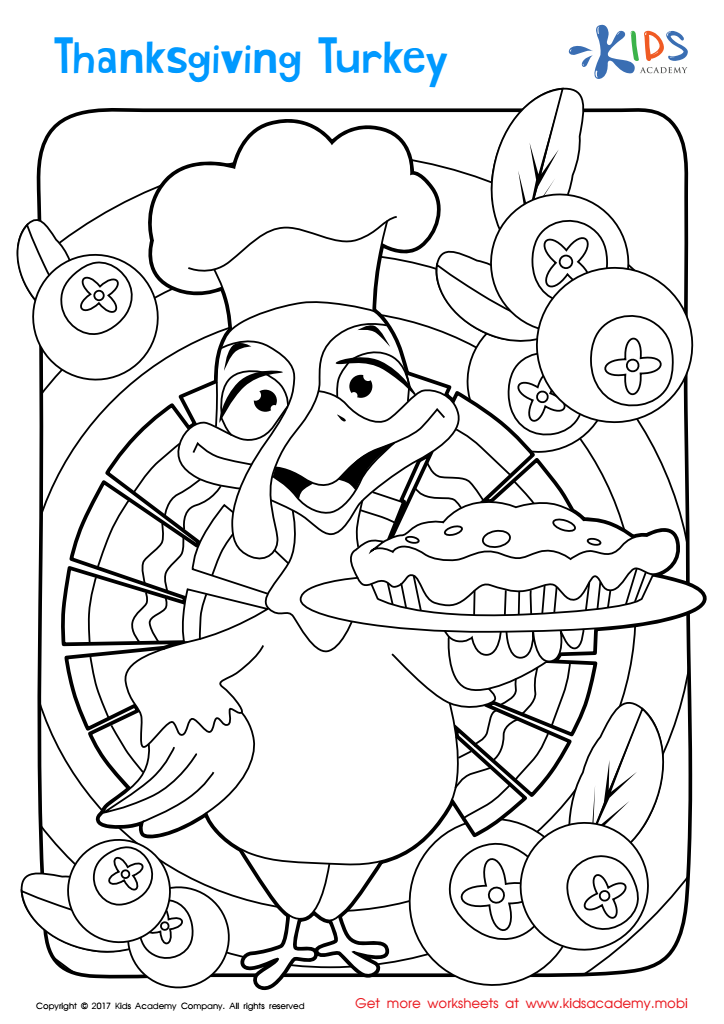
Turkey Thanksgiving Day Worksheet
Assign to My Students
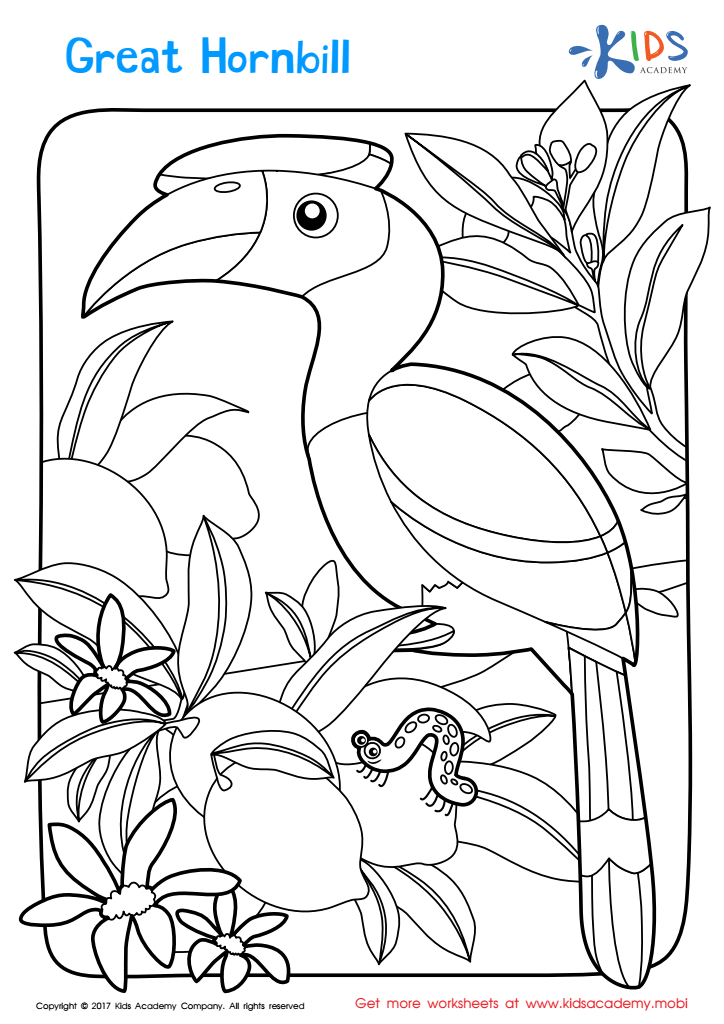
Great Hornbill Worksheet
Assign to My Students








Artistic expression through normal coloring pages plays a significant role in early childhood development, making it crucial for parents and teachers to value and encourage this activity. Firstly, it fosters fine motor skills essential in young children. Grasping crayons or colored pencils and coloring within lines develops hand-eye coordination and strengthens small hand muscles, foundational for writing.
Moreover, coloring is a form of self-expression. It allows children to convey their emotions, thoughts, and experiences artistically. This expressive outlet can enhance their emotional intelligence and give adults insight into a child's inner world, encouraging communication and understanding.
Cognitive benefits also abound. Through color recognition, choosing and mixing hues, children learn about colors and develop important decision-making skills. When they focus on completing coloring pages, they practice patience and attention to detail, which are vital for academic and life tasks.
In an educational context, thematic coloring pages can introduce or reinforce knowledge of various subjects, from nature and geography to numbers and letters. They provide a fun, relaxed setting that enhances learning retention.
Ultimately, artistic expression through coloring is not just child's play; it's an educational activity that supports emotional, physical, and cognitive growth, making it a fundamental aspect of early development worthy of attention from both parents and educators.