Cognitive Development Normal Grade 1 Numbers Worksheets
6 filtered results
-
From - To
Explore our engaging "Cognitive Development Normal Grade 1 Numbers Worksheets" designed to boost foundational math skills in young learners. These worksheets are tailored for first graders, focusing on number recognition, counting, and simple arithmetic operations. With a variety of fun activities and exercises, children will enhance their cognitive skills while developing a strong understanding of numbers. Our resources encourage critical thinking and problem-solving in a playful context, making learning enjoyable. Ideal for classroom or home use, our worksheets support diverse learning styles and promote confidence in math. Discover a world of numbers and watch your child's cognitive abilities thrive!
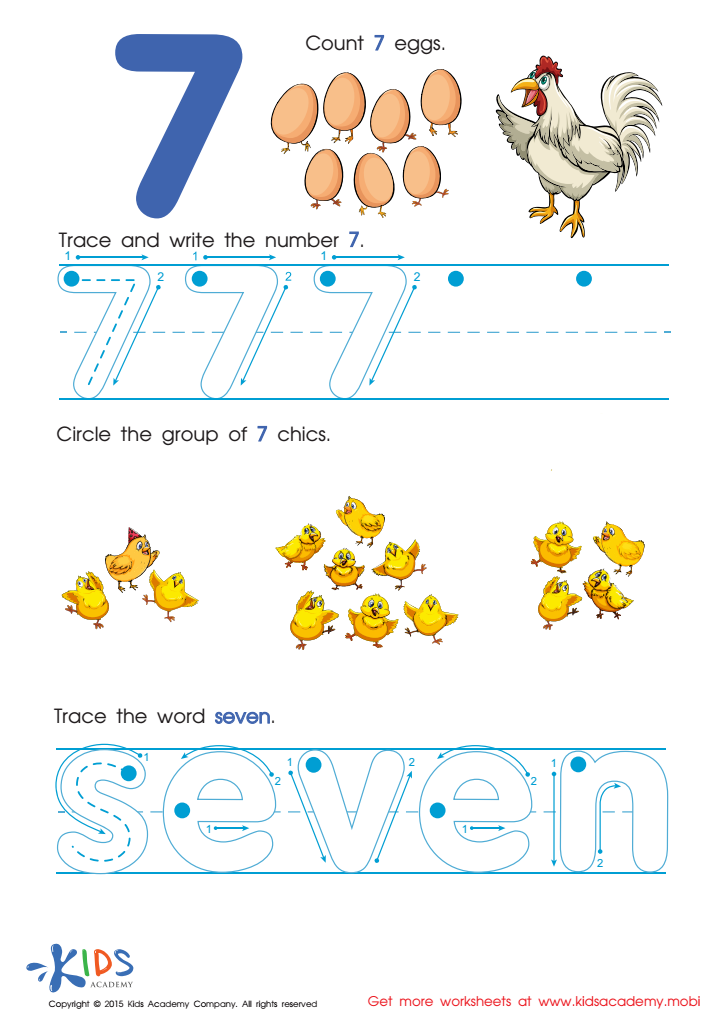
Trace And Write Number 7 with Fun Worksheet
 Assign to My Students
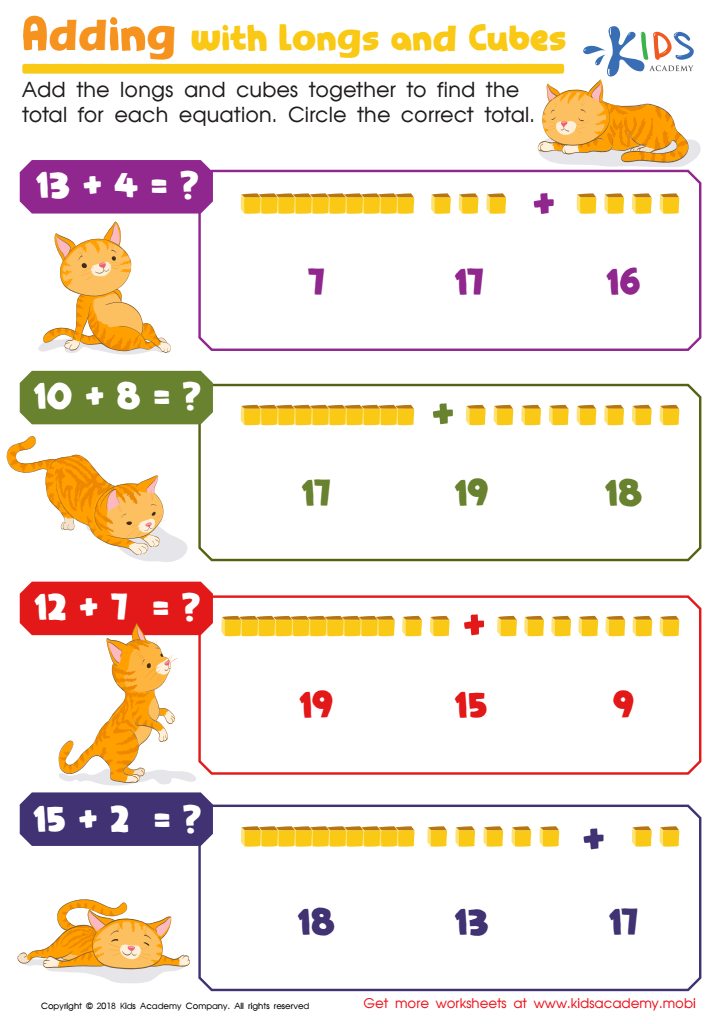
Adding With Longs and Cubes Worksheet
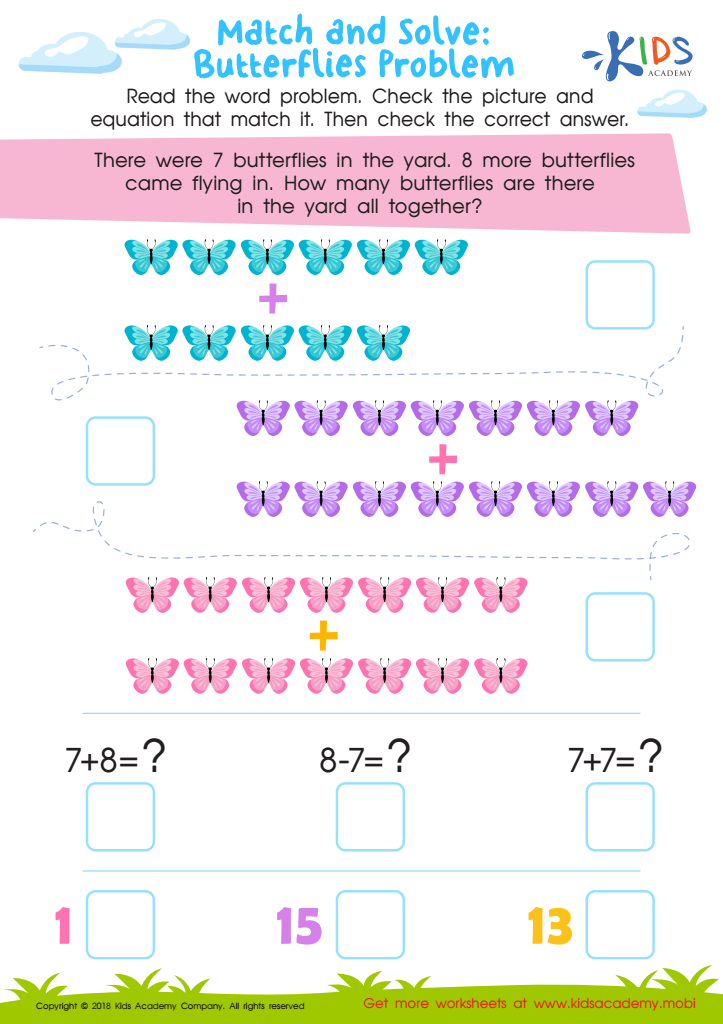
Match and Solve: Butterfly Problem Worksheet
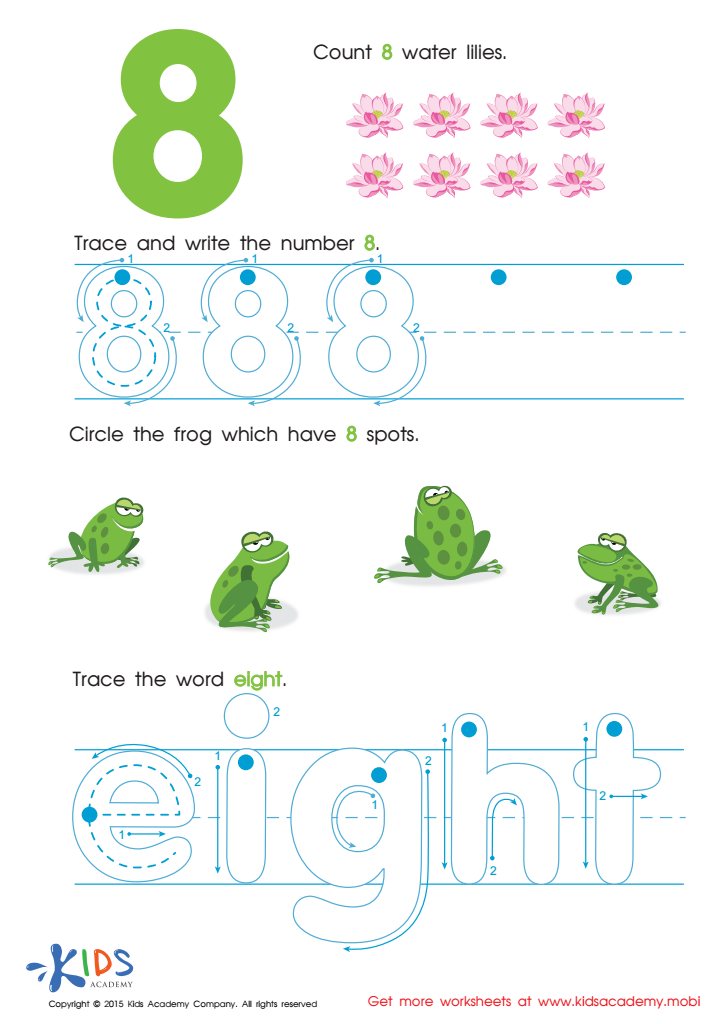
Learn Number 8 Easily Worksheet
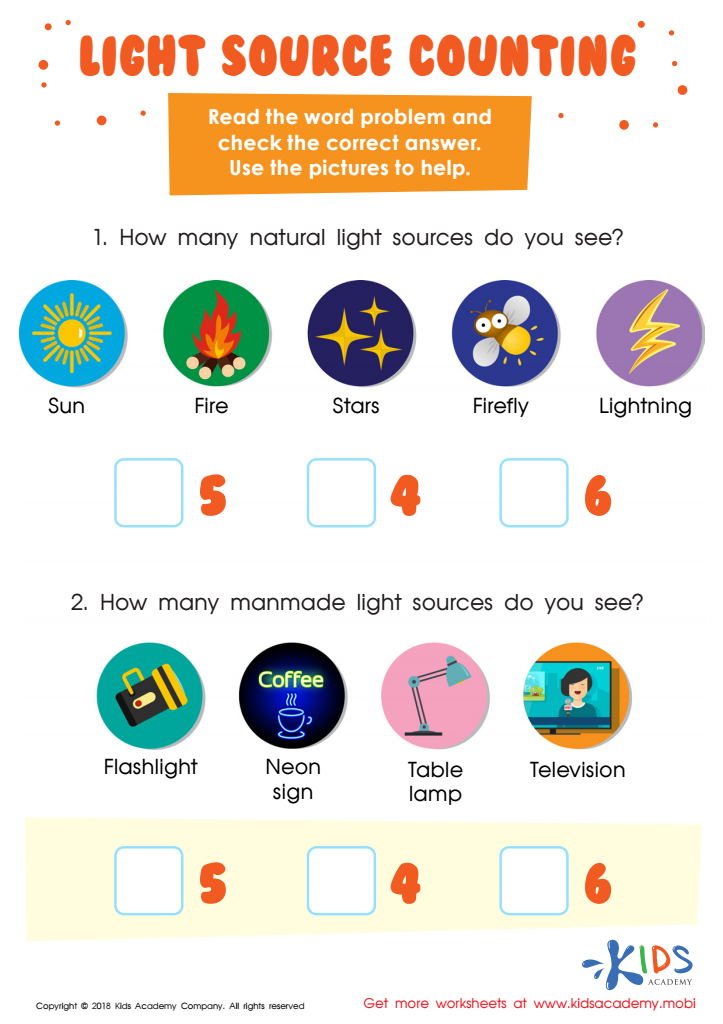
Light Source Counting Worksheet
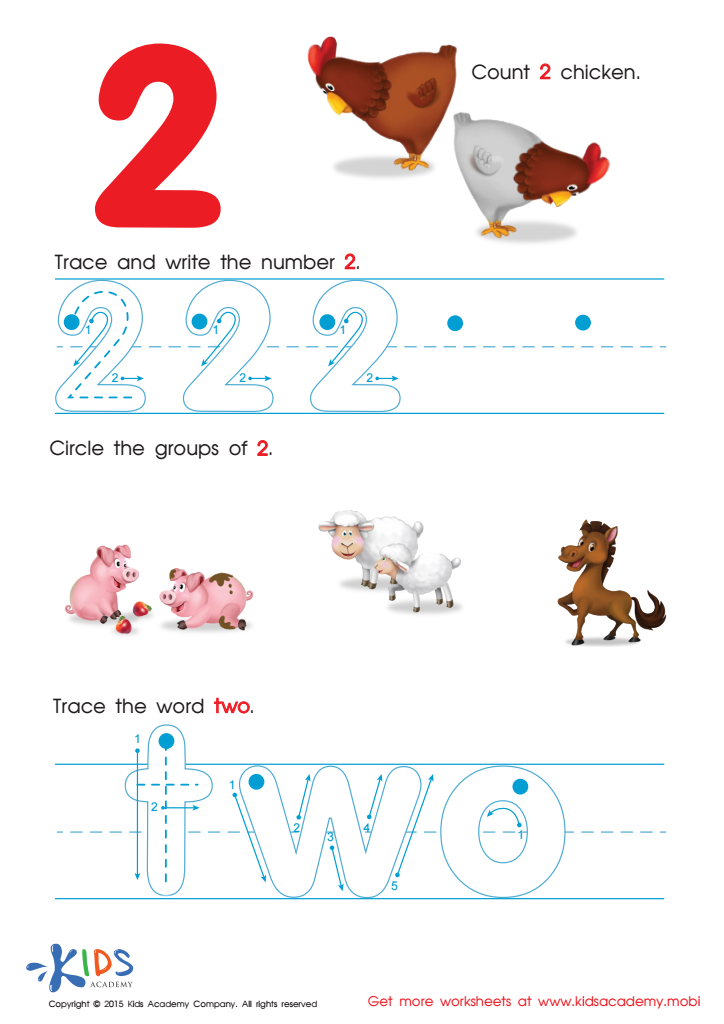
Learn to Write the Number 2 Worksheet








Cognitive development in Grade 1 lays the foundation for a child's future learning and critical thinking skills. At this stage, children transition from pre-operational to more concrete operational thinking, drastically changing how they understand numbers and mathematical concepts. Teachers and parents should prioritize this development because it directly impacts a child's ability to solve problems, reason logically, and engage with the world around them.
Understanding numbers in Grade 1 helps children grasp essential skills, such as counting, addition, subtraction, and recognizing patterns. These competencies are crucial not only in mathematics but also in everyday life situations where numeracy is required. If children lag in these skills, they may struggle in later grades, affecting their confidence and academic progress.
Moreover, cognitive development affects a child's social-emotional growth. Positive experiences with math can boost a child's self-esteem and enthusiasm for learning, creating a ripple effect that influences their overall attitude towards education. By supporting cognitive development in numbers, parents and teachers can nurture a well-rounded child who is prepared for the complexities of higher learning and life challenges. Protective parental oversight and thoughtfully crafted curricula play vital roles in ensuring every child achieves these essential capabilities.