Fine Motor Skills Normal Kindergarten Geometry Worksheets
4 filtered results
-
From - To
Explore our Fine Motor Skills Normal Kindergarten Geometry Worksheets designed to enhance young learners' understanding of shapes and spatial awareness. These engaging activities help children develop essential fine motor skills while learning about geometry concepts like circles, squares, triangles, and more. Perfect for preschool and kindergarten settings, our worksheets incorporate fun, hands-on tasks that encourage creativity and critical thinking. By tracing, coloring, and cutting shapes, students strengthen their hand-eye coordination and dexterity. Ideal for teachers and parents alike, these worksheets provide a structured approach to make learning geometry enjoyable and effective for early learners. Start building foundational skills today!
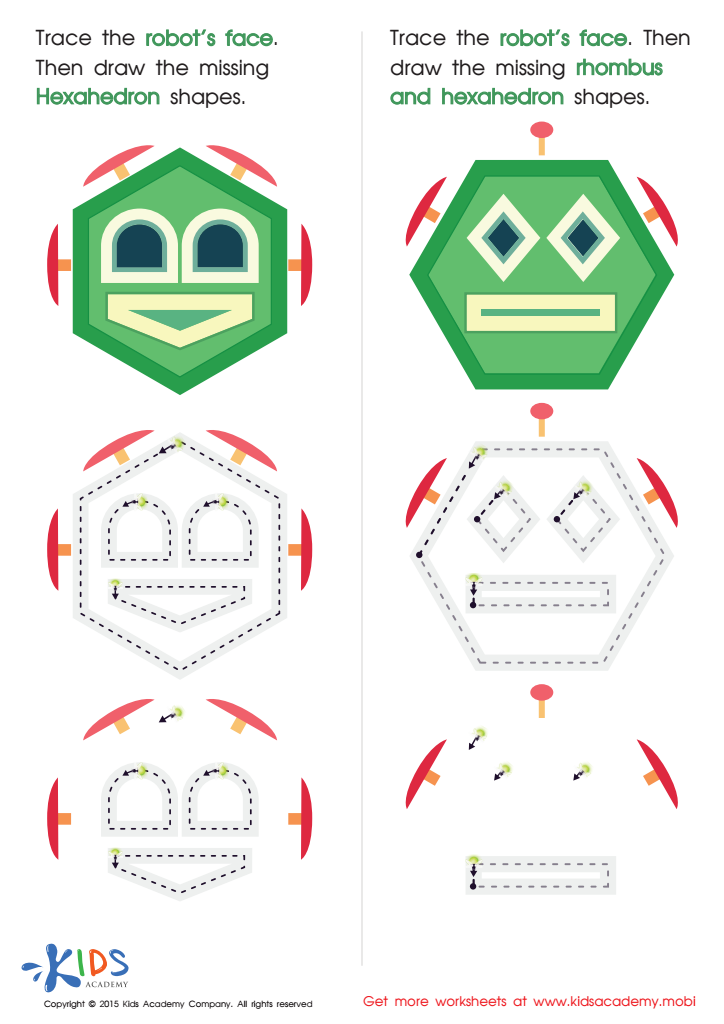
Practice Drawing Hexahedrons And a Rhombus Worksheet
 Assign to My Students








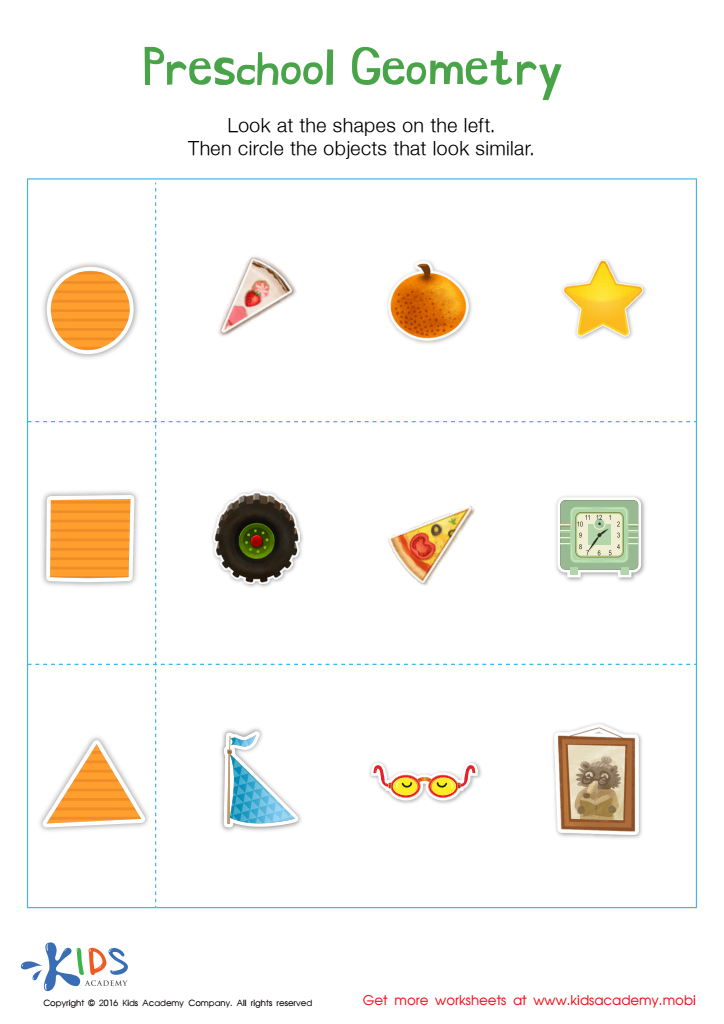
Preschool Geometry Match Up Worksheet
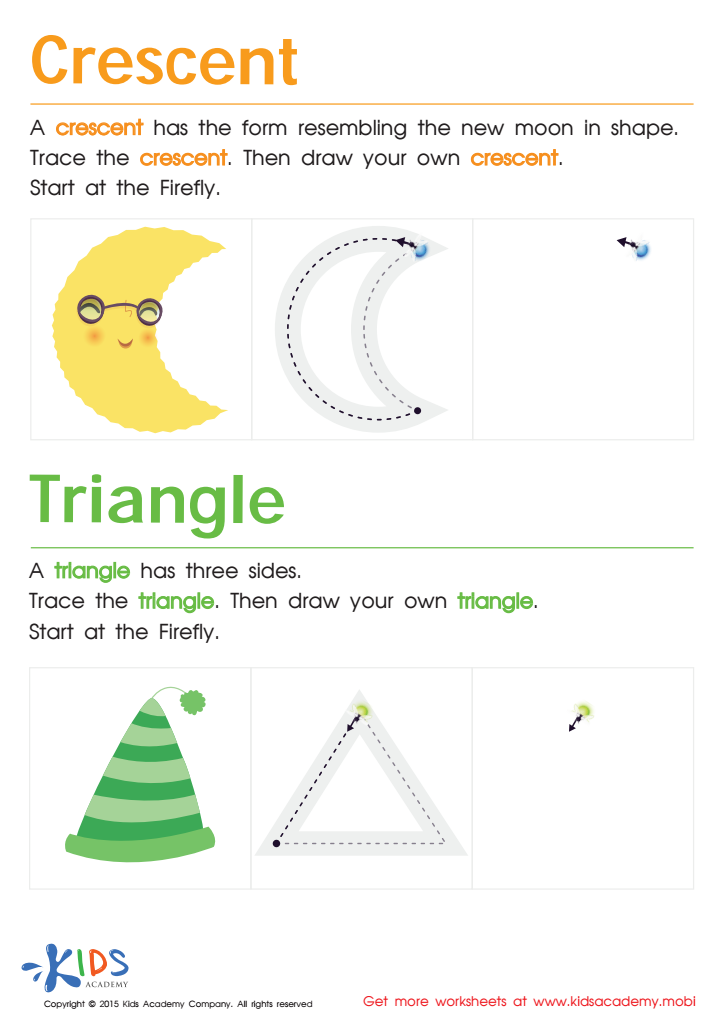
Learning to Draw Crescents And Triangles Worksheet
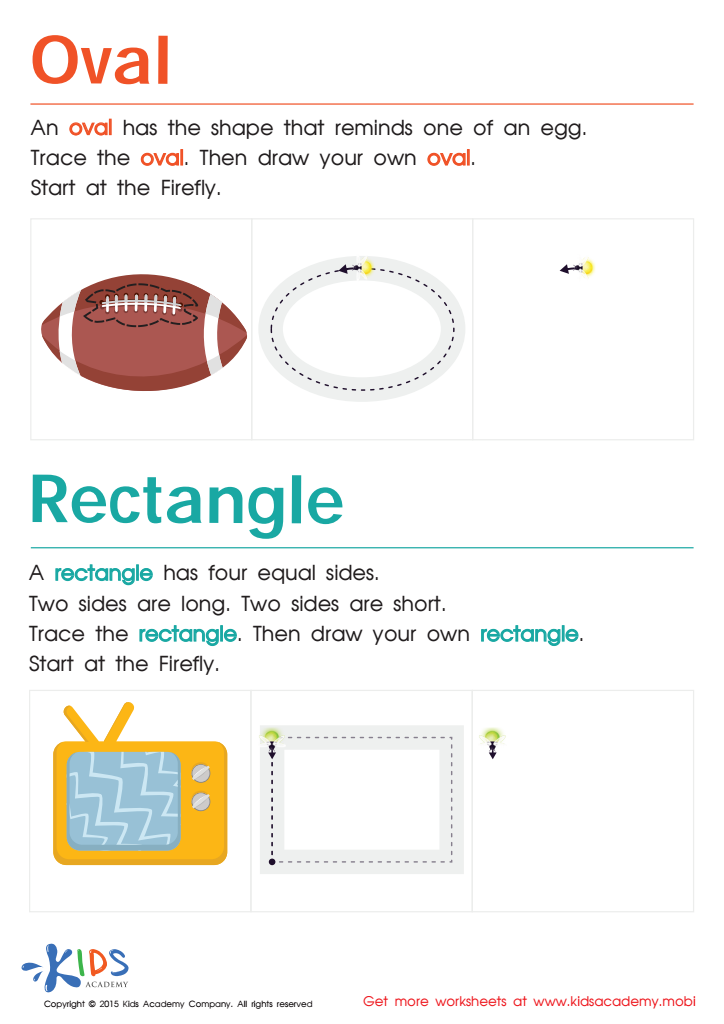
Easy Drawing of Ovals And Rectangles Worksheet








Fine motor skills and geometry are crucial components of early childhood development, particularly in kindergarten. Fine motor skills refer to the coordinated movements of small muscles in the hands and fingers, essential for tasks like writing, cutting, and manipulating small objects. As children engage with geometry, such as recognizing shapes, understanding spatial relationships, and constructing patterns, they simultaneously enhance these fine motor skills.
When children work with geometric shapes through hands-on activities—like building with blocks or creating art— they refine their grasp, improve hand-eye coordination, and develop strength in their hands. This interplay not only fortifies their physical abilities but also promotes cognitive growth by fostering critical thinking and problem-solving skills.
Moreover, mastery of fine motor skills in the context of geometry lays the groundwork for future educational achievements. Students who lack these foundational skills may struggle with writing and other academic tasks later on. By prioritizing the development of fine motor skills within geometric learning, parents and teachers support a child's overall growth, ensuring they are prepared for more complex challenges ahead. Emphasizing this aspect of early education benefits children in countless ways, setting the stage for lifelong learning and competence in various disciplines.








