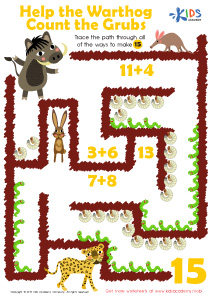
Fine Motor Skills Normal Kindergarten Numbers Worksheets
14 filtered results
-
From - To
Discover our Fine Motor Skills Normal Kindergarten Numbers Worksheets, designed to enhance your child’s number recognition while honing their fine motor skills. Our expertly crafted worksheets offer fun and engaging activities, including tracing, counting, and drawing tasks. These exercises not only help children learn numbers 1 through 10 but also strengthen their hand-eye coordination and control. Perfect for classroom or at-home practice, our worksheets provide a well-rounded approach to foundational math skills and fine motor development. Give your kindergartner the tools they need to succeed in math and beyond with our comprehensive and interactive worksheets!
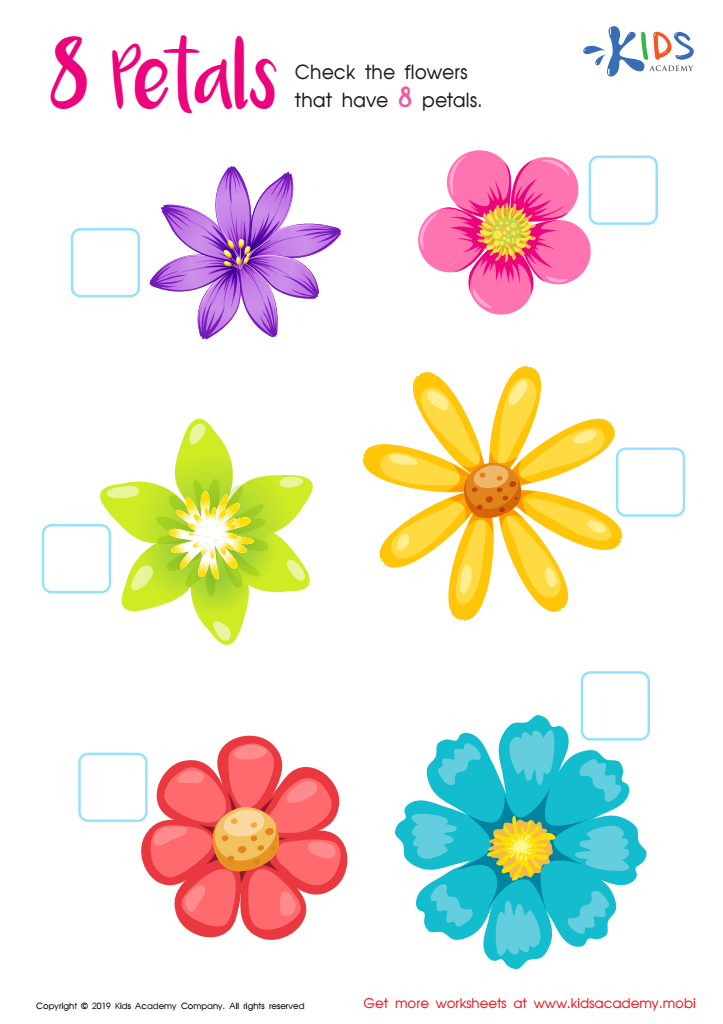
8 Petals Worksheet
 Assign to My Students
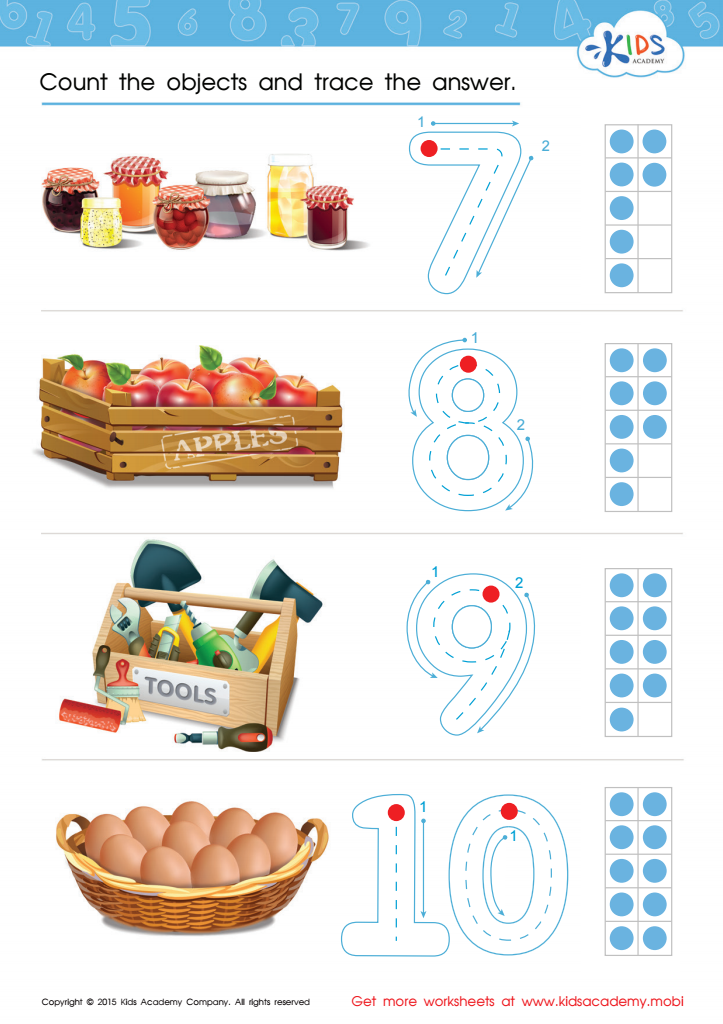
Count and Trace 7 – 10 Worksheet
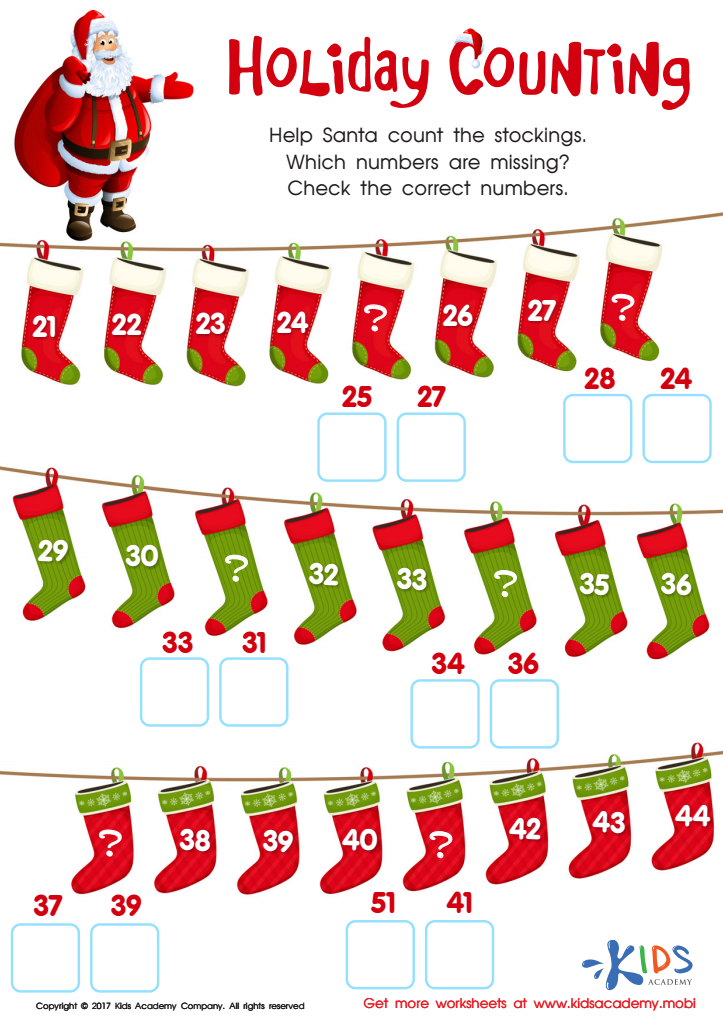
Holiday Counting Worksheet
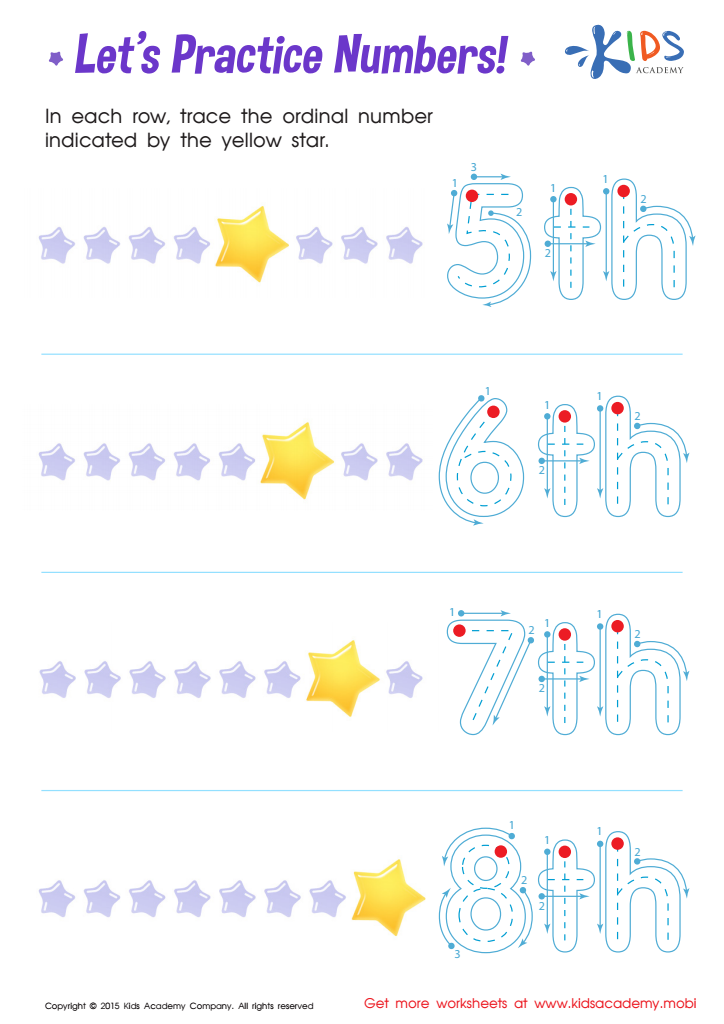

Ten Spots Worksheet
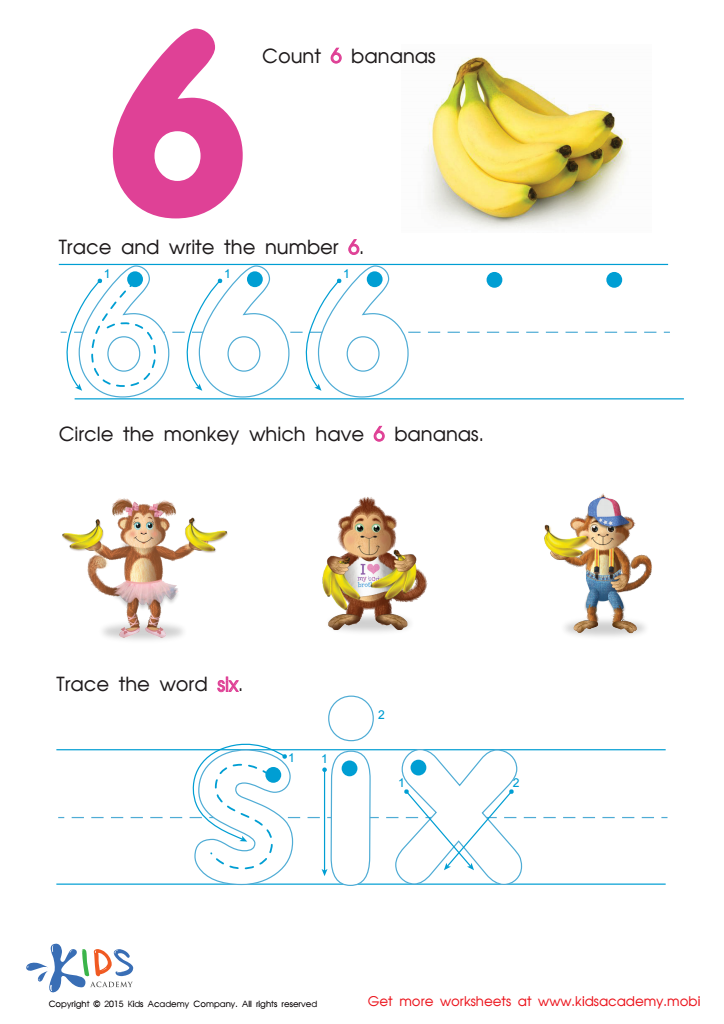
Tracing And Writing Number 6 Worksheet
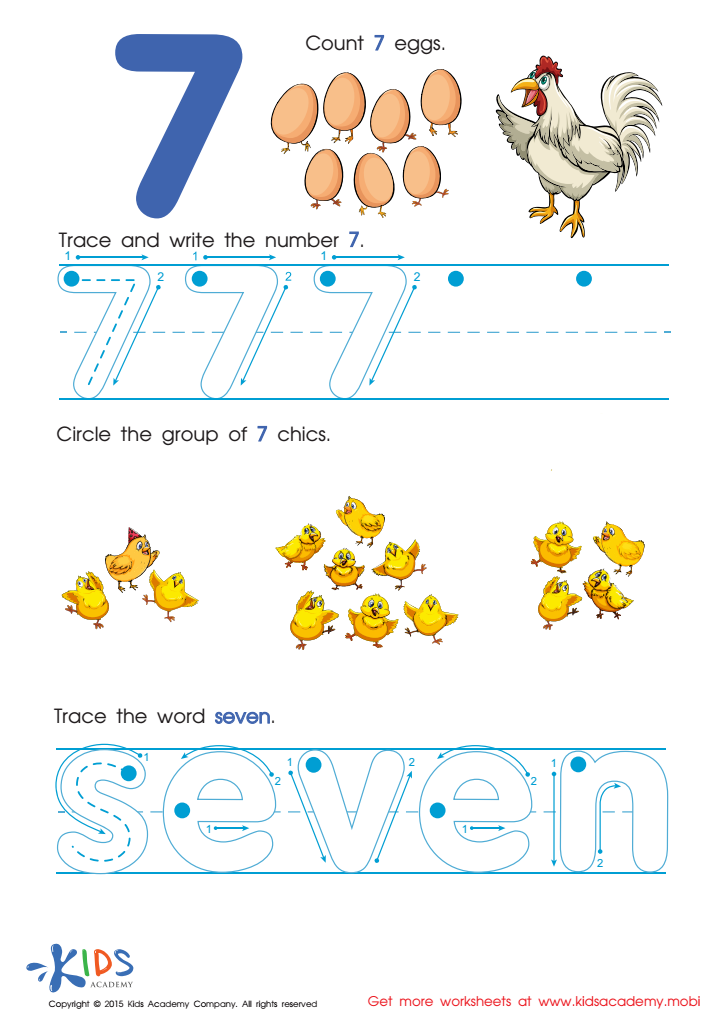
Trace And Write Number 7 with Fun Worksheet
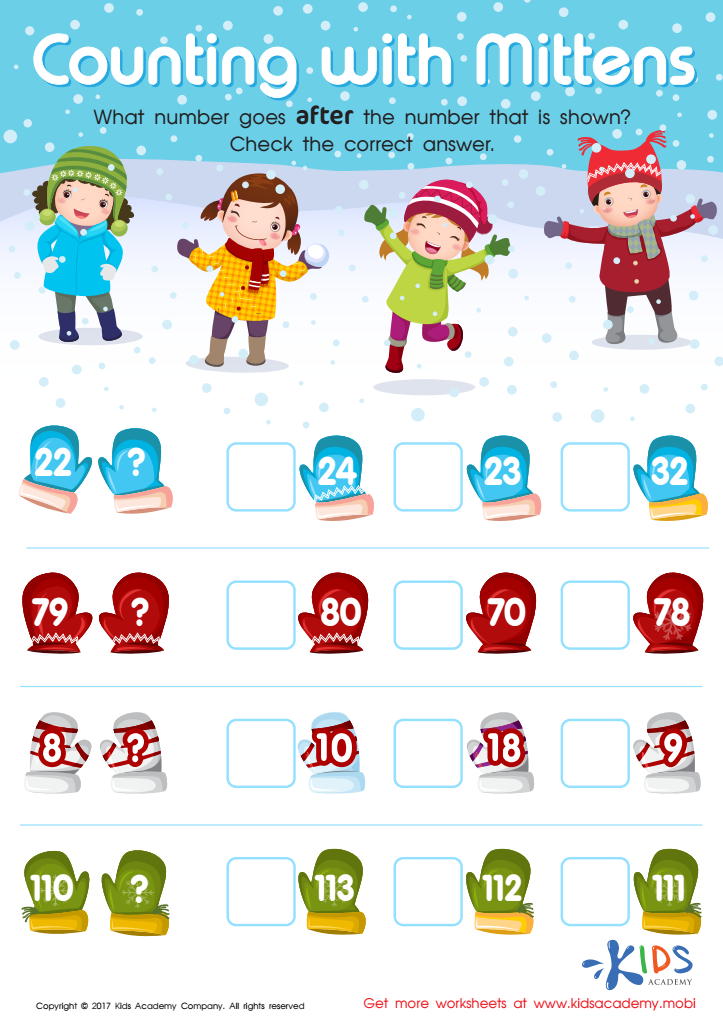
Counting with Mittens Worksheet
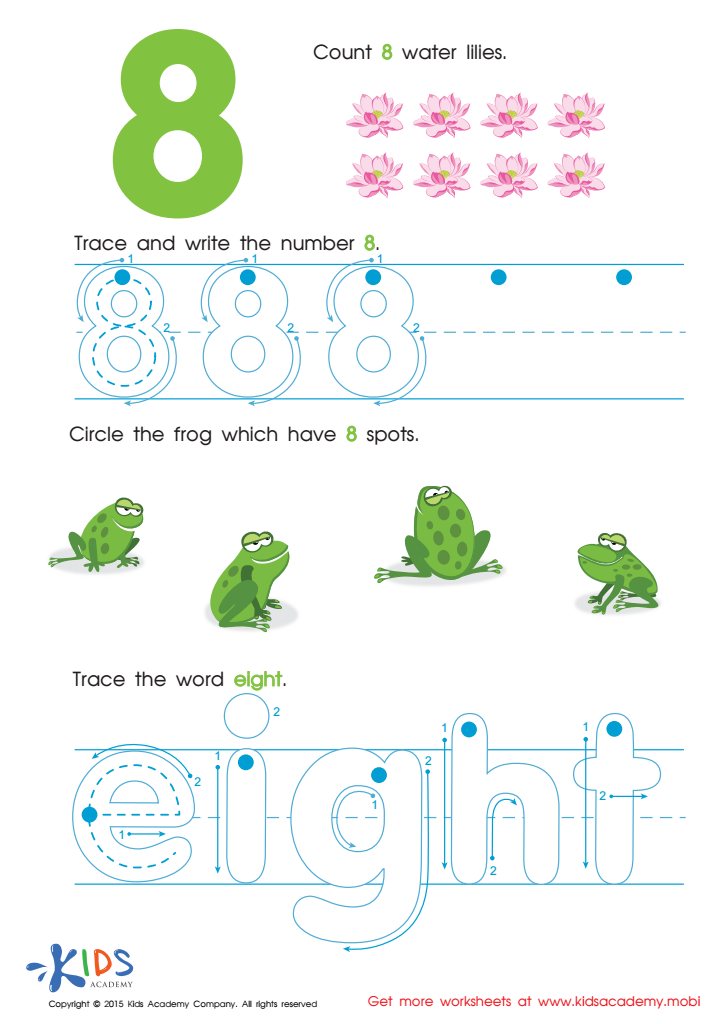
Learn Number 8 Easily Worksheet
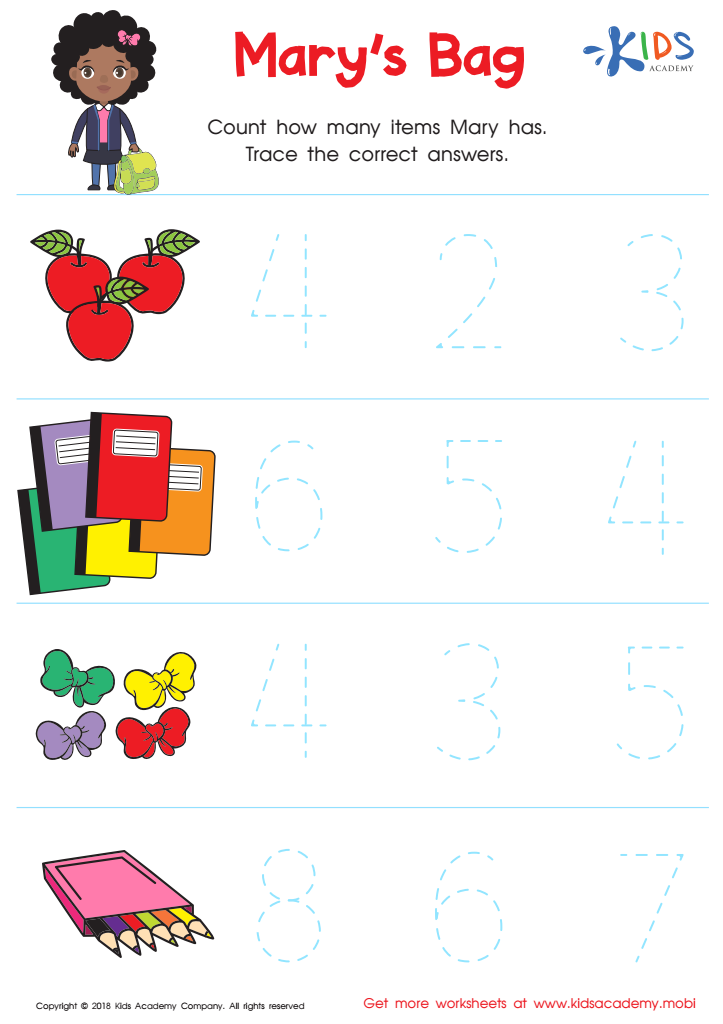
Kindergarten Number Tracing: Mary's Bag Worksheet
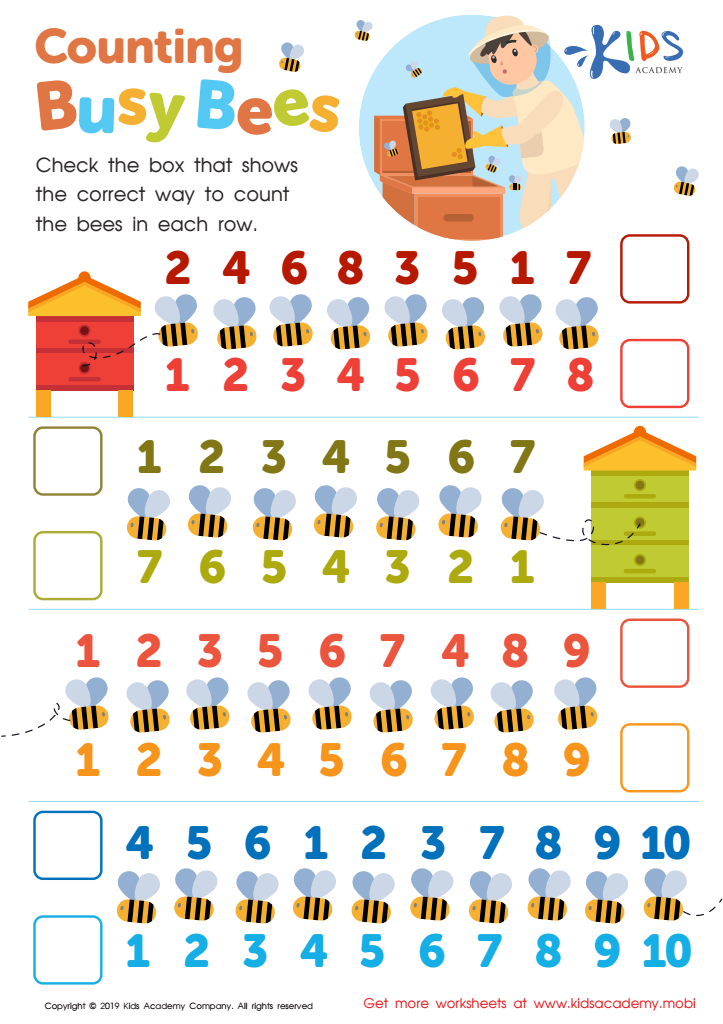
Counting Busy Bees Worksheet
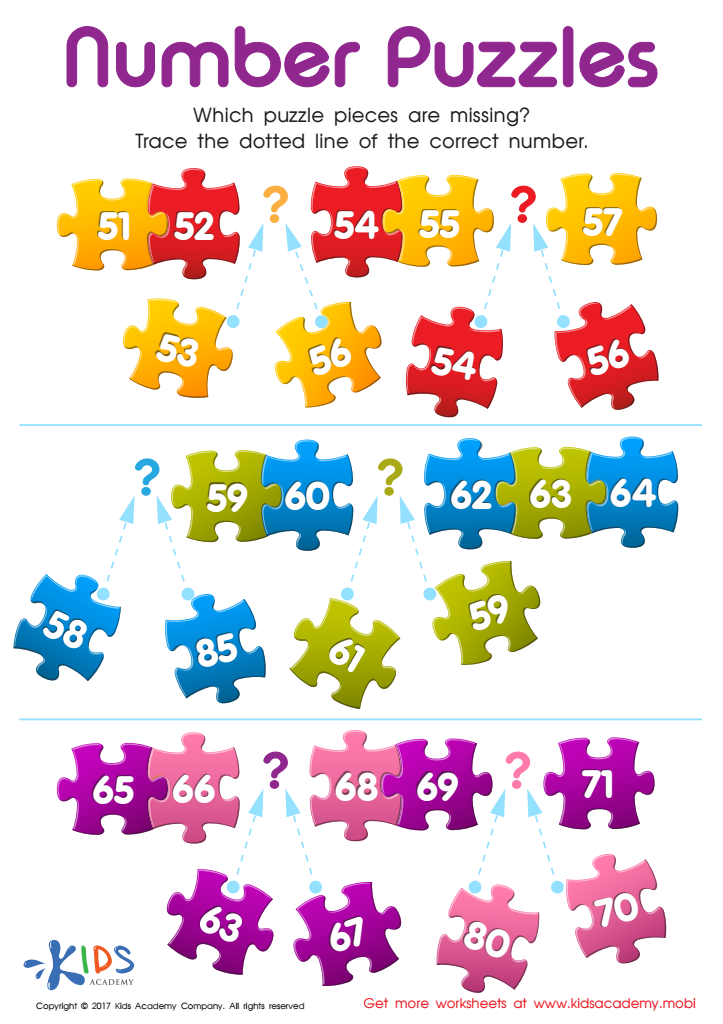
Number Puzzles Worksheet
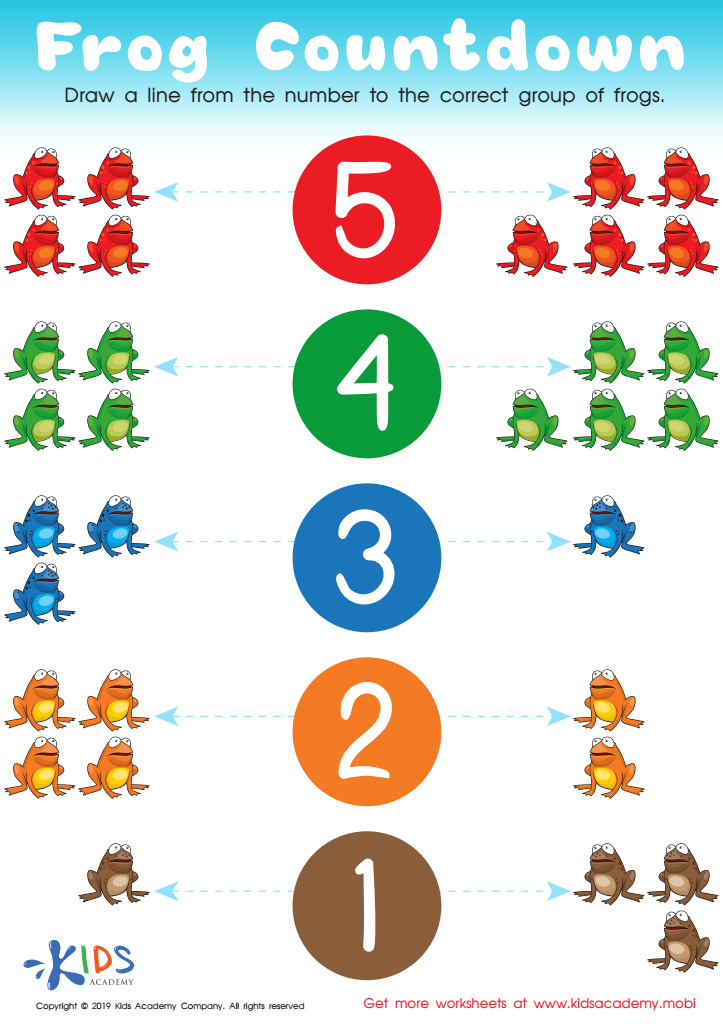
Frog Countdown Worksheet
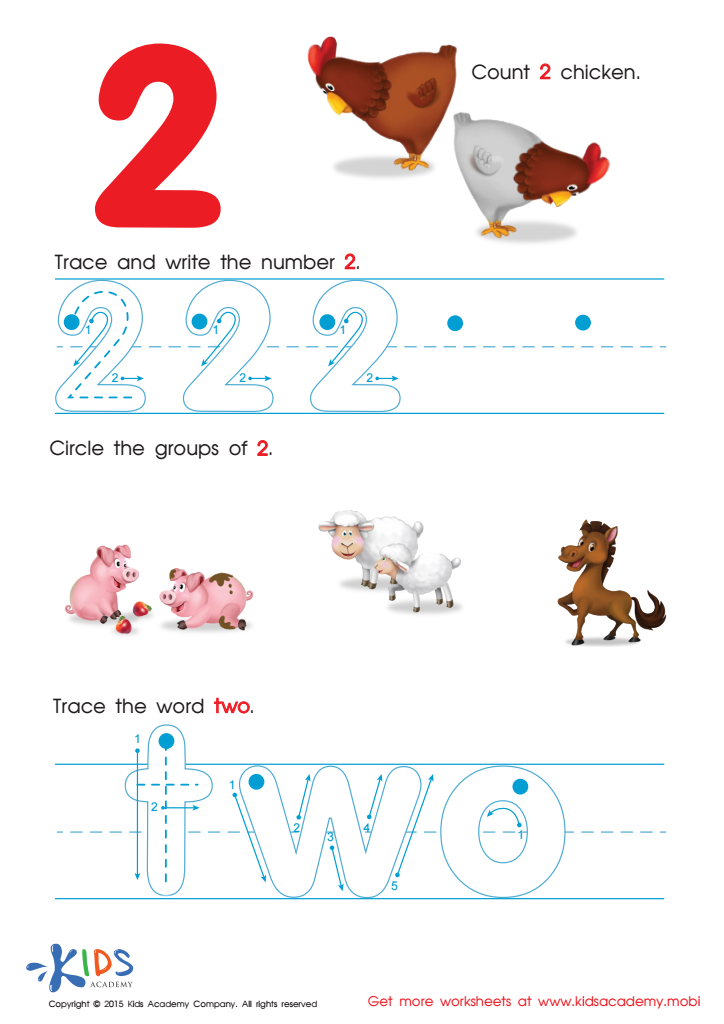
Learn to Write the Number 2 Worksheet







%20(1).jpg)
Fine motor skills are crucial during kindergarten as they profoundly impact a child's academic readiness and overall development. These skills, which involve the coordination of small muscles in activities like writing, cutting, or buttoning a shirt, play a significant role in performing everyday tasks with ease and independence.
Effective development of fine motor skills is foundational for learning key academic skills. For example, proper pencil grip and control are essential for writing numbers and letters clearly. This precision aids in forming numbers correctly and understanding their shapes, ultimately facilitating better numeracy in early education. Furthermore, children who properly develop these skills tend to exhibit better hand-eye coordination, which also contributes positively to their ability to perform tasks that involve counting objects and aligning numbers.
Teachers and parents should prioritize activities that enhance fine motor skills, such as playdough molding, beading, or simple puzzles. Engaging children in such activities not only makes learning fun but also strengthens their muscle control and improves concentration.
Neglecting the development of fine motor skills can lead to difficulties in academic tasks, diminish self-esteem, and create frustration in day-to-day activities. Therefore, fostering these skills from a young age ensures children are well-prepared for the demands of school and boosts their confidence and autonomy.