Addition Practice Normal Worksheets - Page 2
39 filtered results
-
From - To
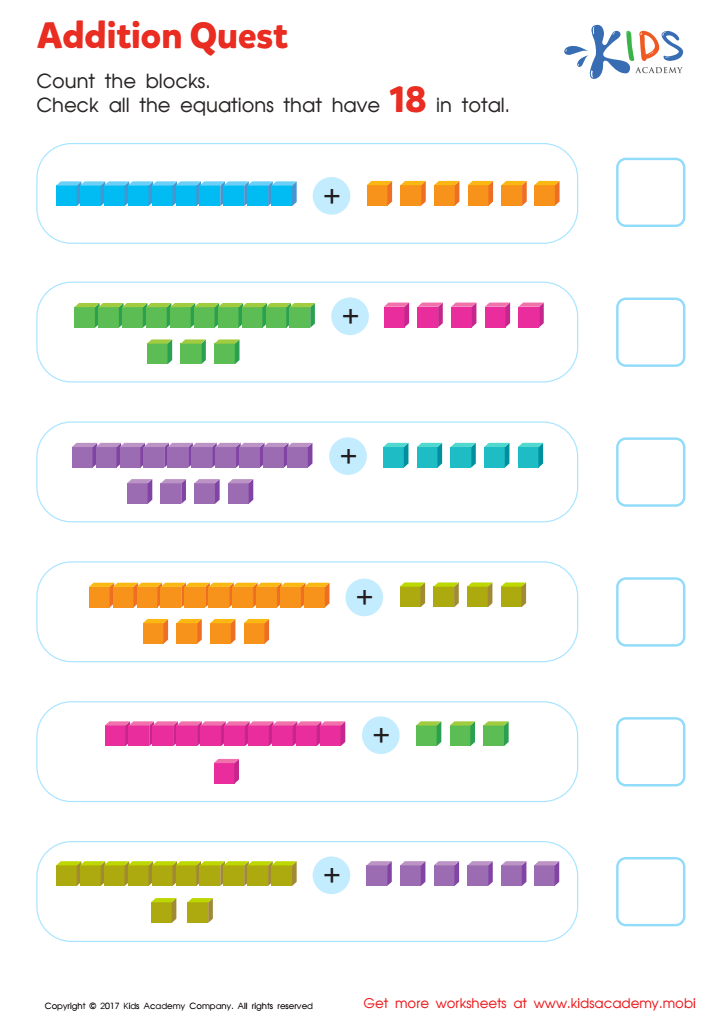
Addition Quest Worksheet: Part 2
 Assign to My Students
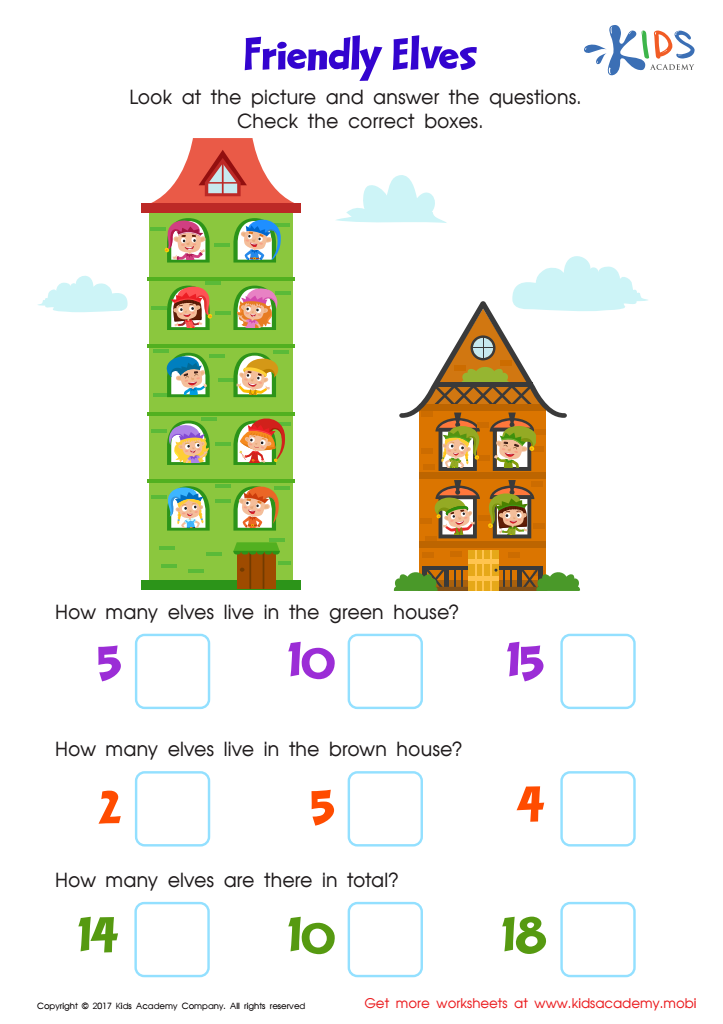
Place Value: Friendly Elves Worksheet
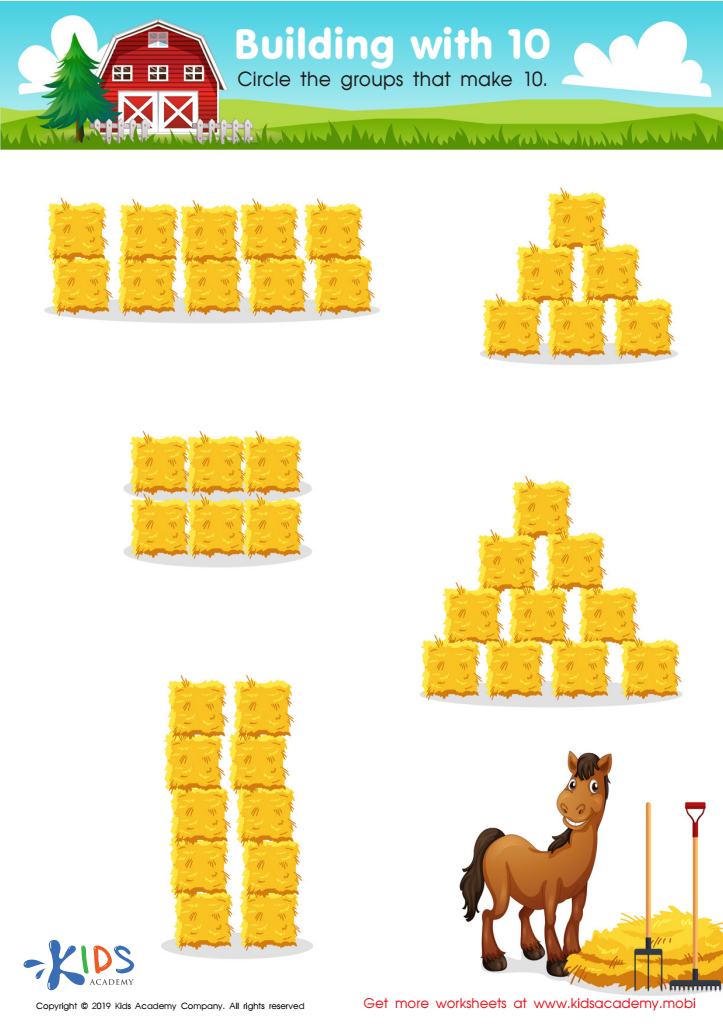
Building with 10 Worksheet
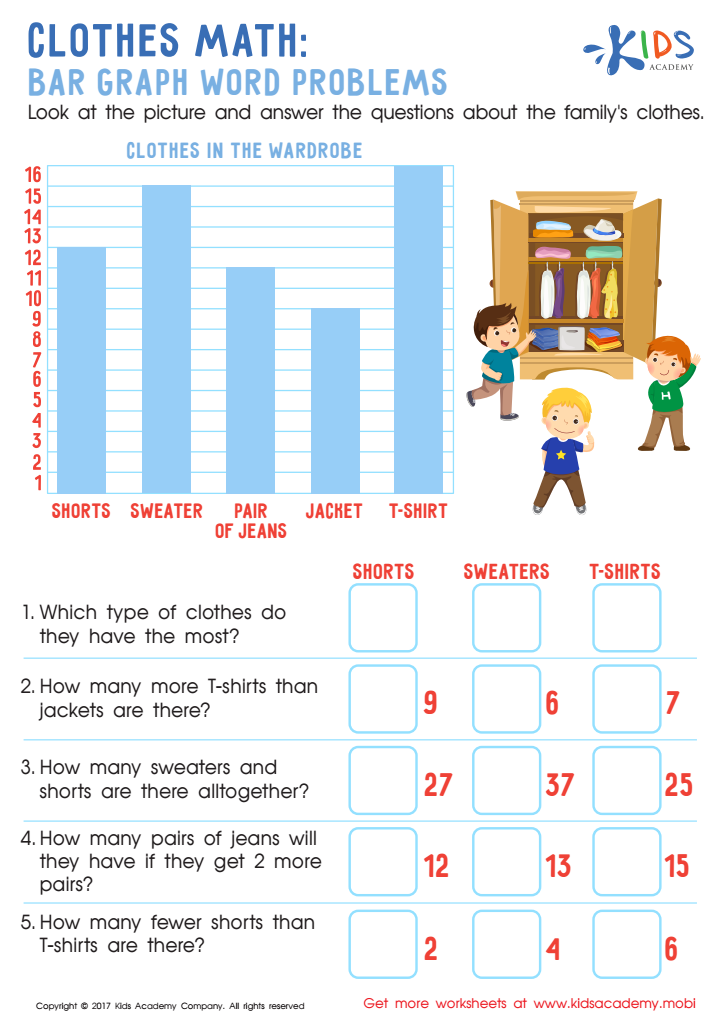
Clothes Math: Bar Graph Word Problems Worksheet
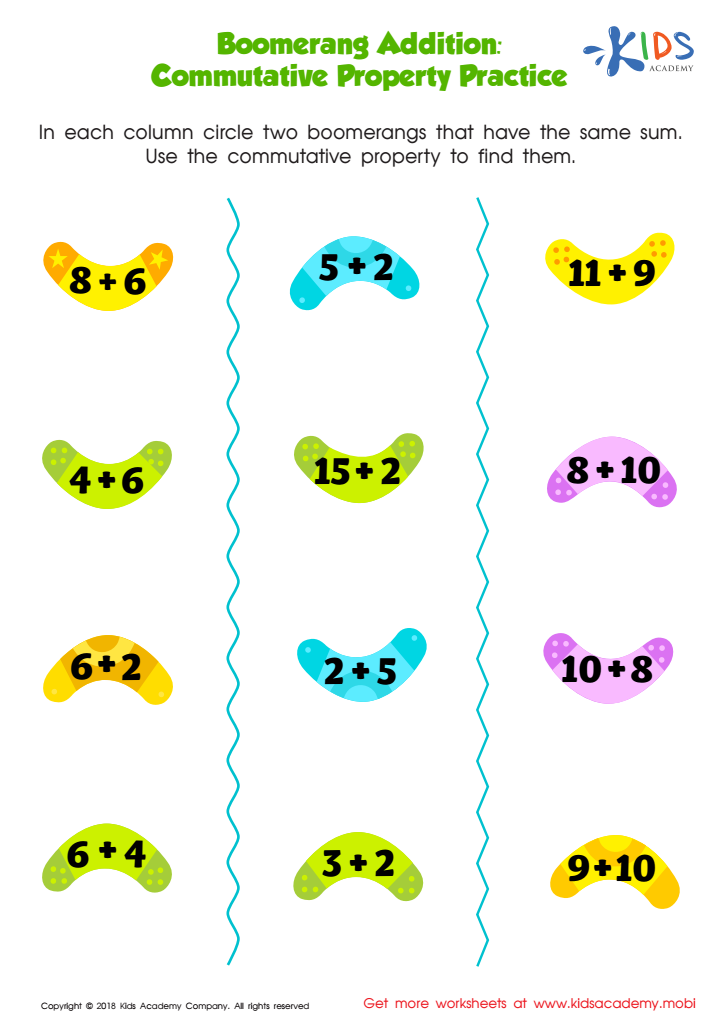
Boomerang Addition Worksheet
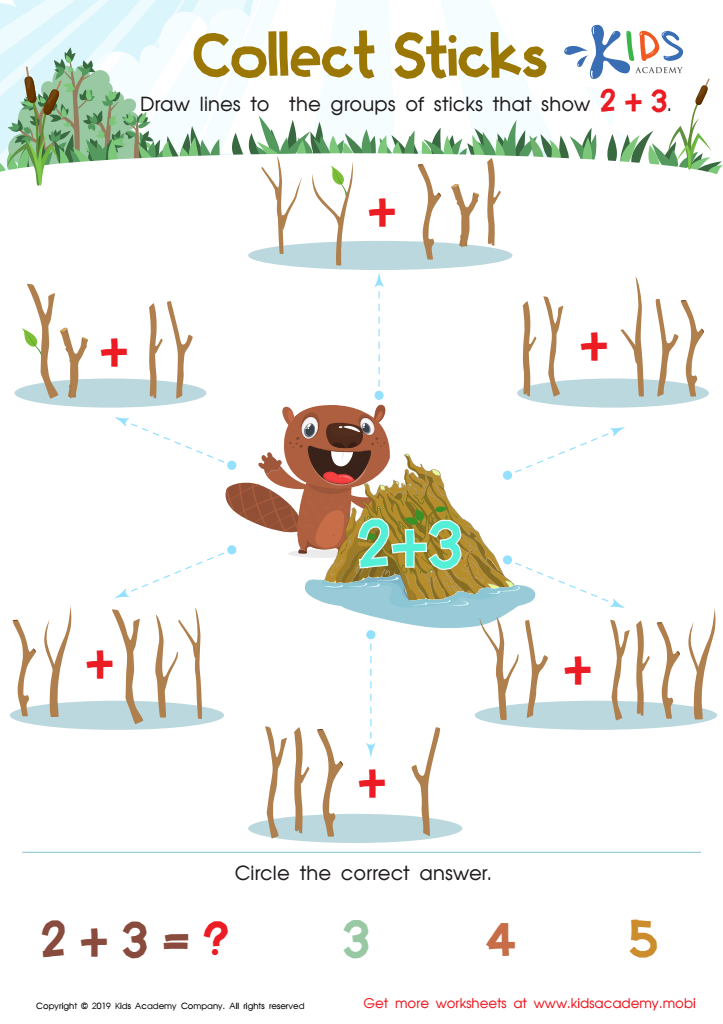
Collect Sticks Worksheet
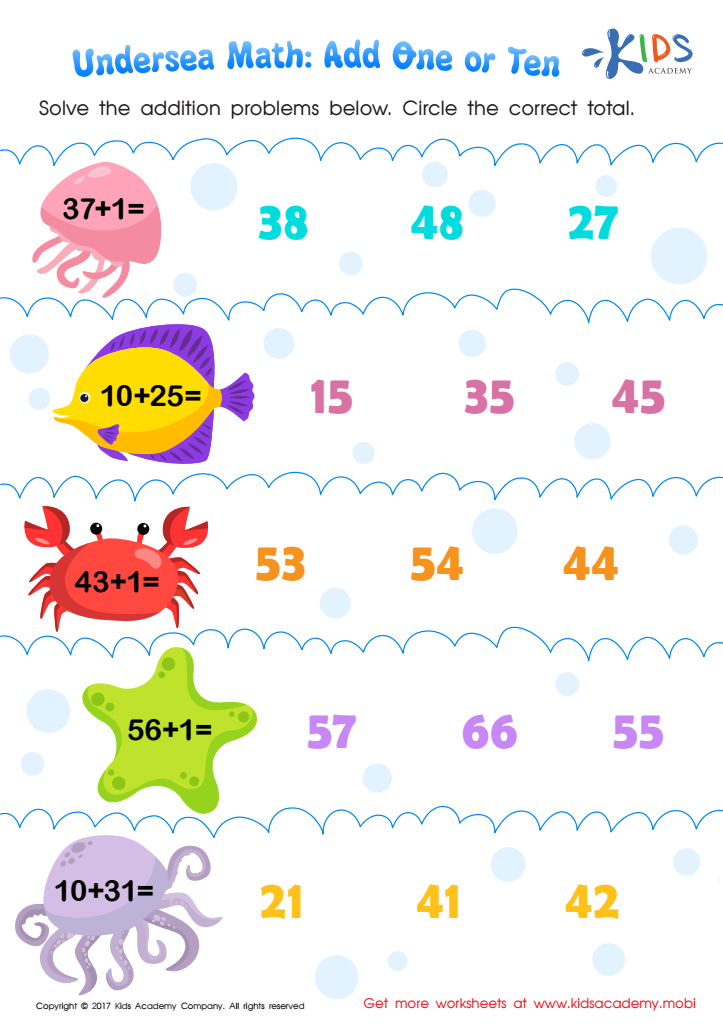
Undersea Math Worksheet
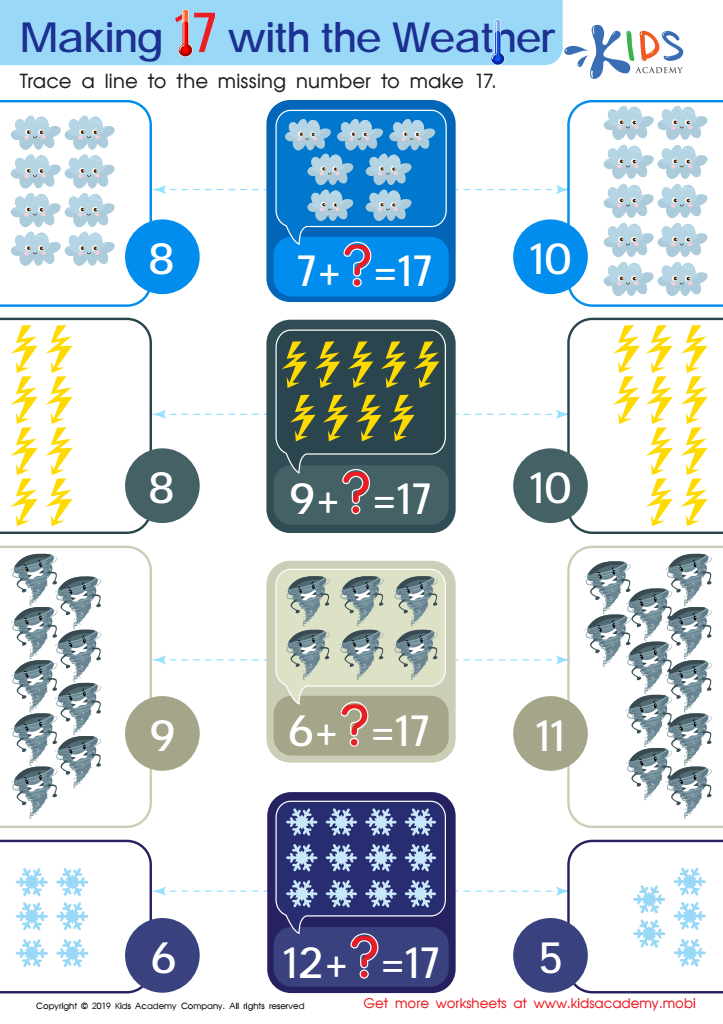
Making 17 with the Weather Worksheet
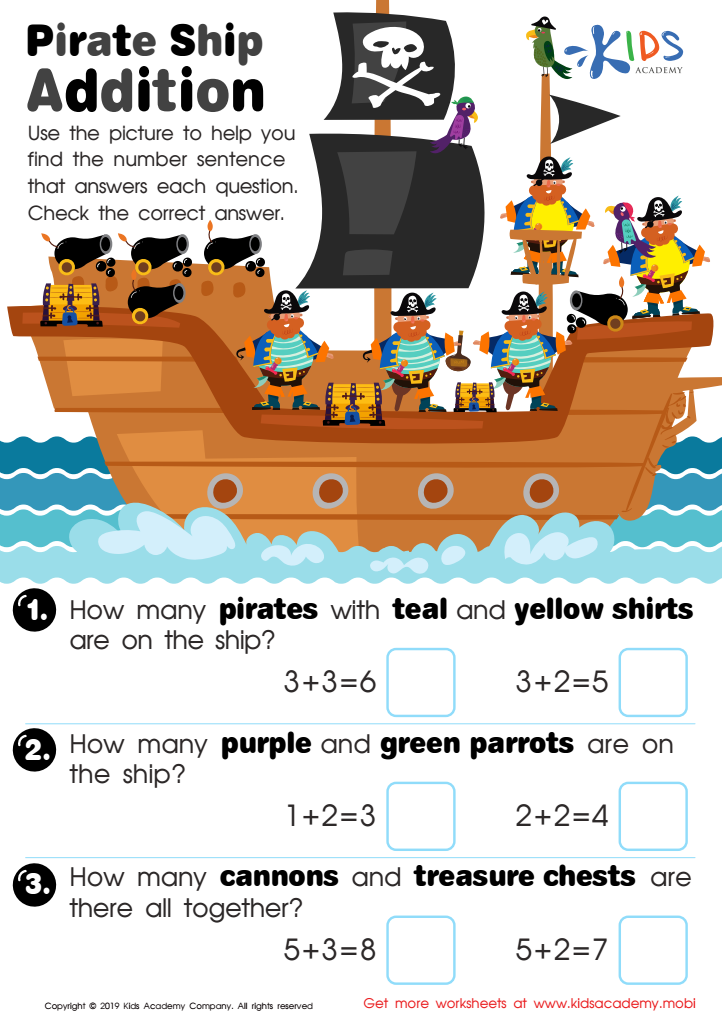
Pirate Ship Addition Worksheet
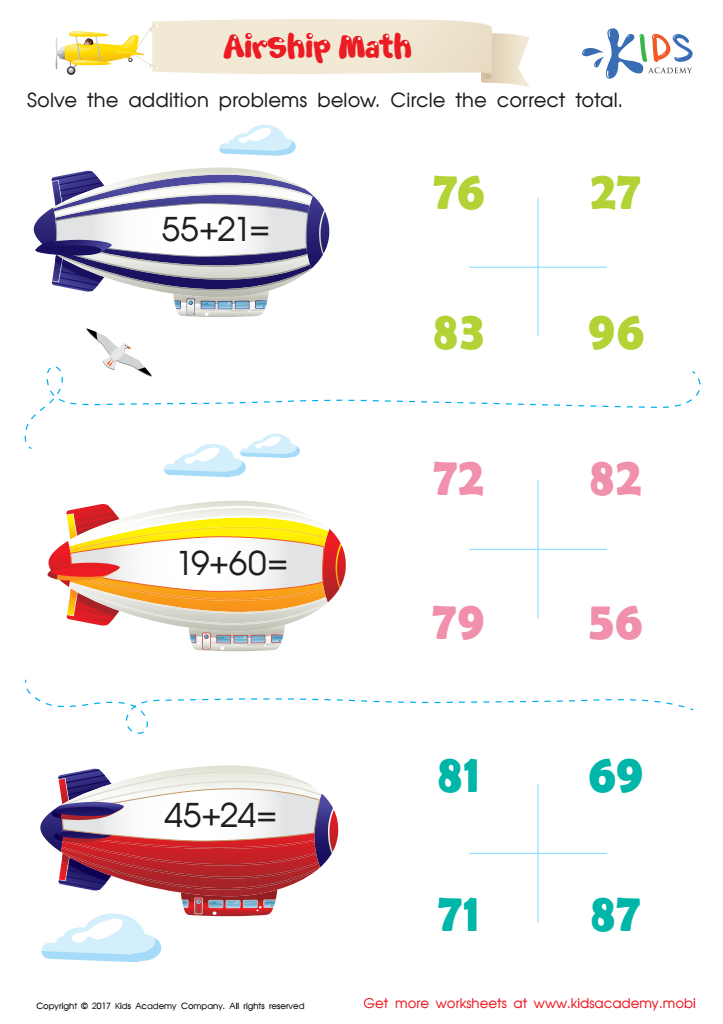
Airship Math Addition Printable
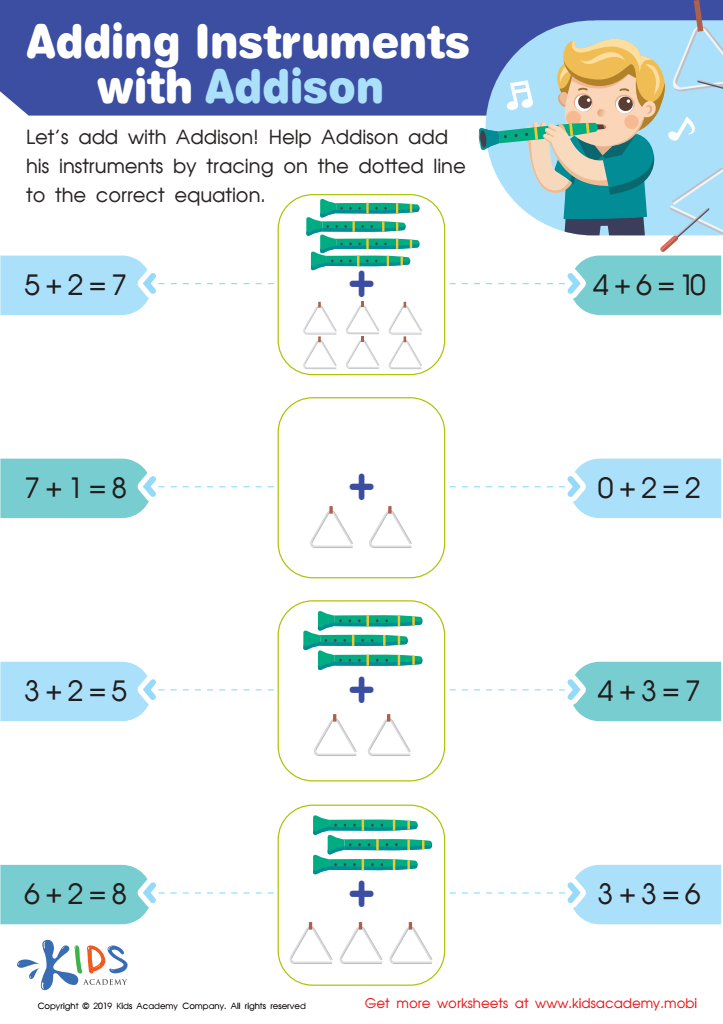
Adding Instruments with Addison Worksheet
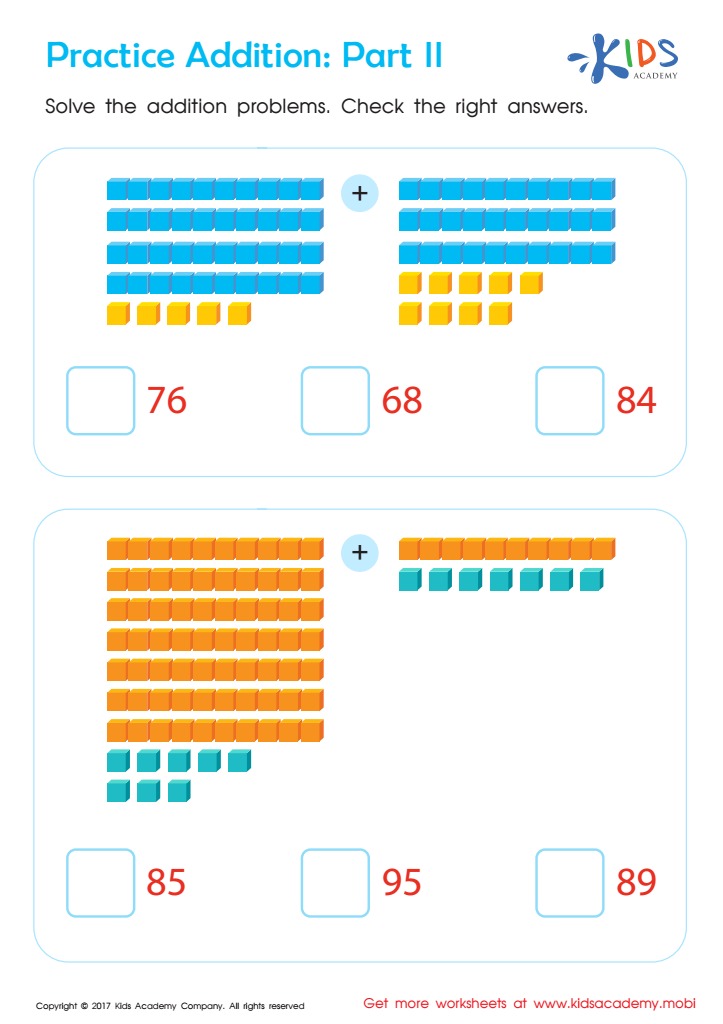
Practice Addition: Part 2 Worksheet
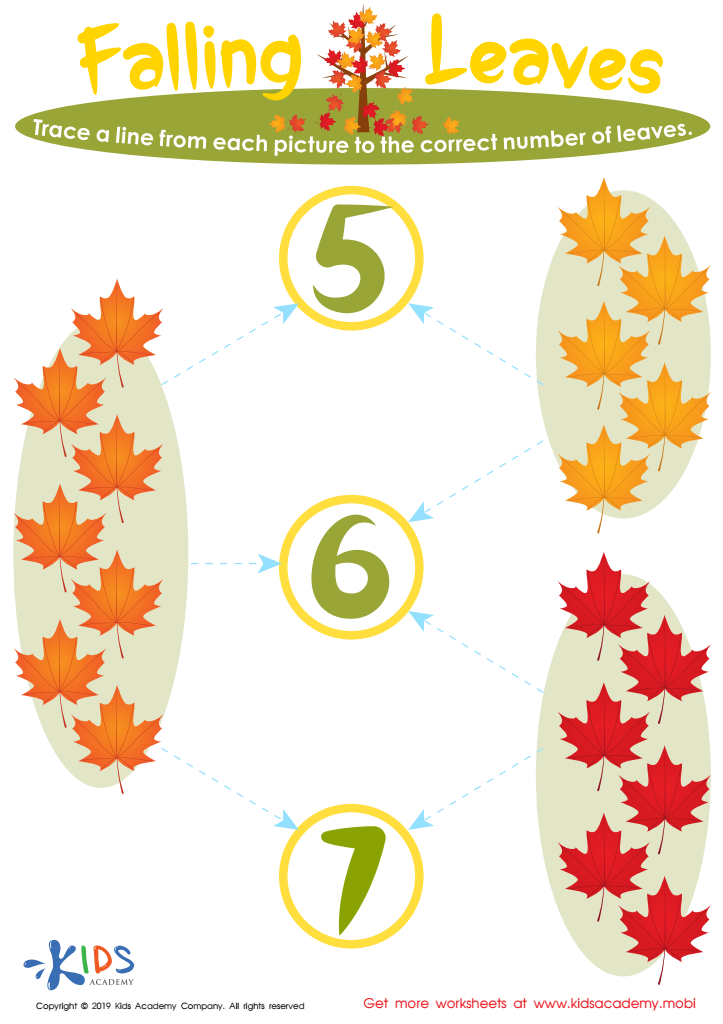
Falling Leaves Worksheet
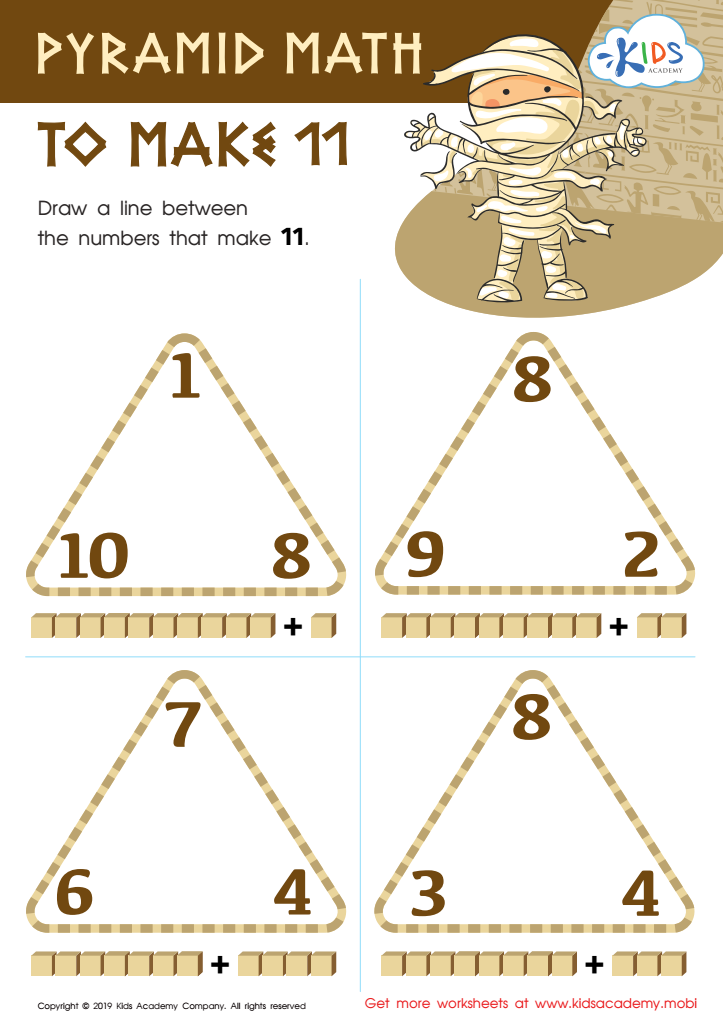
Pyramid Math to Make 11 Worksheet
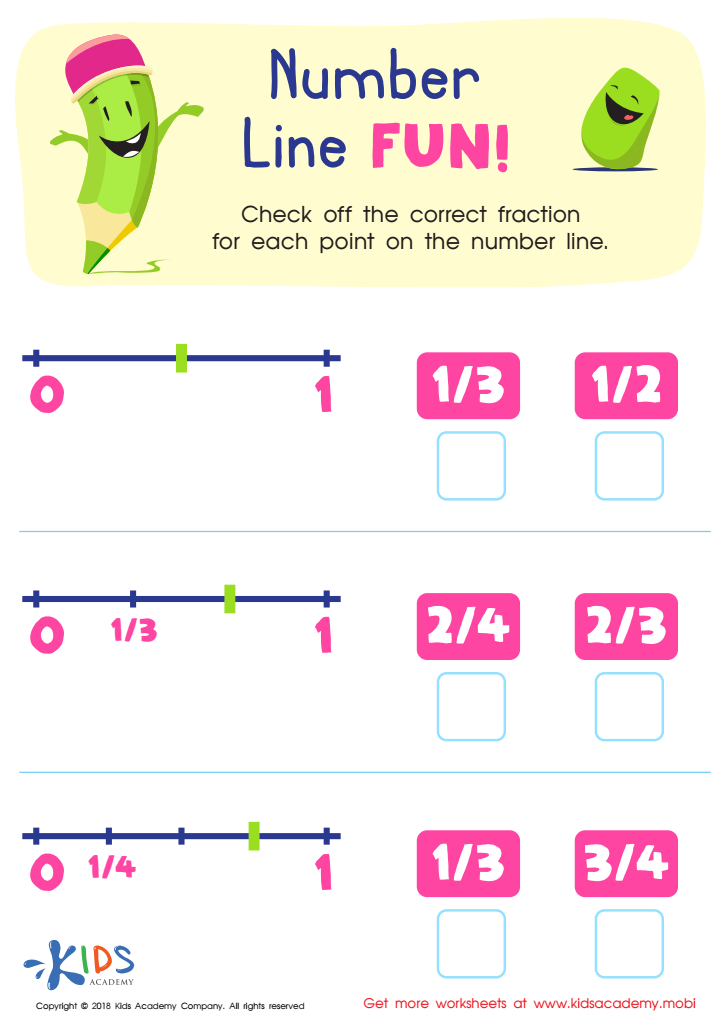
Number Line Fun Worksheet








Addition Practice Normal plays a critical role in developing foundational math skills that young learners need for future success. First and foremost, mastering addition is essential for understanding more complex mathematical concepts. A solid grasp of addition enhances problem-solving skills, enabling students to tackle a range of academic challenges confidently.
Furthermore, practicing addition helps improve a child's cognitive abilities, including memory, attention, and logical thinking. Regular practice fosters fluency and speed, allowing students to perform calculations quickly and accurately, ultimately boosting their confidence in math.
Parents and teachers should also consider the collaborative aspect of addition practice. Engaging in math activities at home or in the classroom creates opportunities for positive interactions. These shared experiences can strengthen the parent-child or teacher-student bond, fostering a supportive learning environment.
Moreover, developing addition skills early on can positively affect a child’s attitude toward mathematics. A strong foundation decreases anxiety and aversion, paving the way for a more enjoyable learning experience throughout their education.
In summary, prioritizing Addition Practice Normal not only builds essential skills but also promotes cognitive development, enriches relationships, and cultivates a lifelong appreciation for mathematics. Parents and teachers must recognize its importance for holistic child development.








