Comparative analysis Normal Worksheets
6 filtered results
-
From - To
Explore our "Comparative Analysis Normal Worksheets" designed to enhance students' critical thinking and analytical skills. These engaging worksheets offer a variety of exercises focused on comparing and contrasting different concepts, objects, or ideas. They cater to early learners, fostering their ability to identify similarities and differences while promoting vocabulary development. Ideal for classroom use or at-home learning, these worksheets include fun visuals and interactive questions to keep children motivated. Empower your students to become proficient in making comparisons, an essential skill for their academic journey. Access our printable resources and make learning enjoyable and effective today!
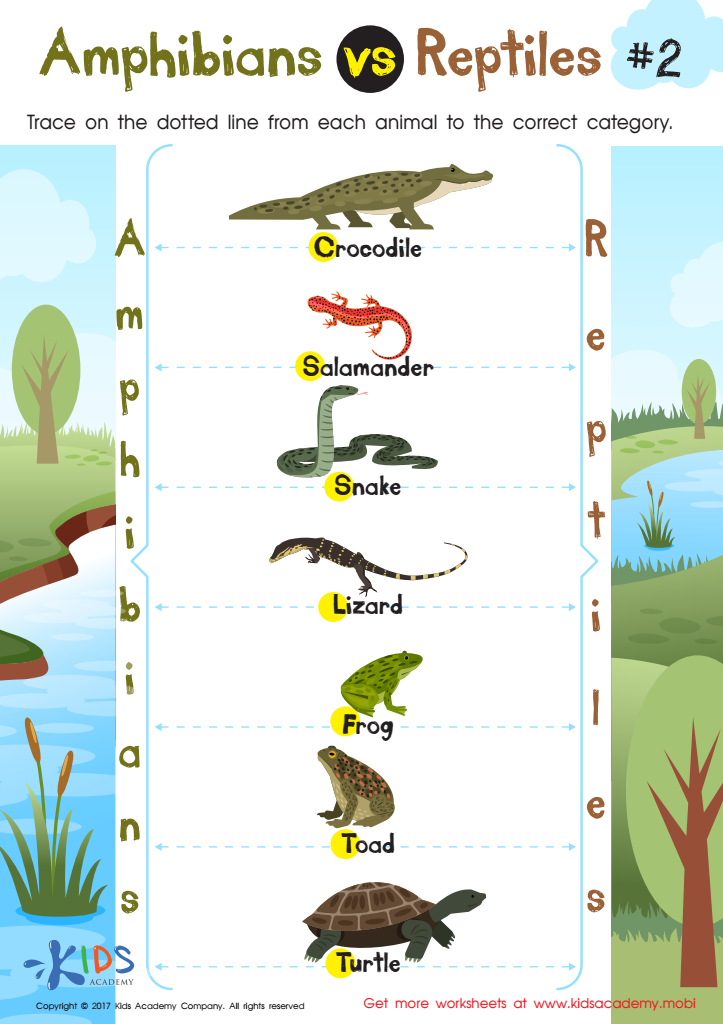
Amphibians vs Reptiles Worksheet for 3rd Grade
 Assign to My Students
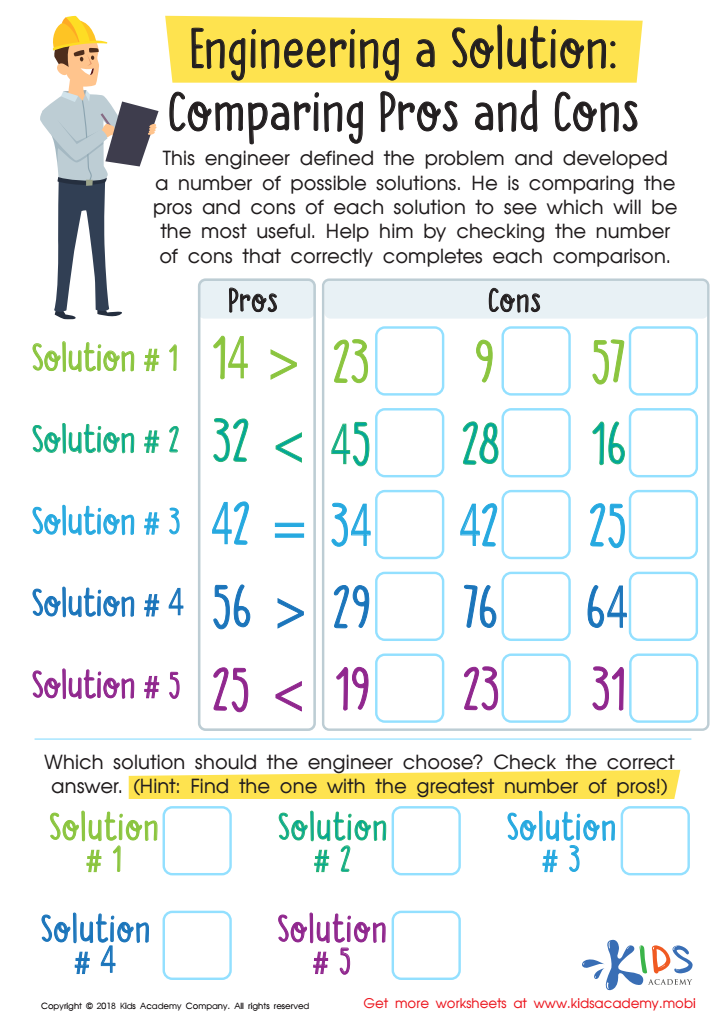
Engineering a Solution: Comparing Pros and Cons Worksheet
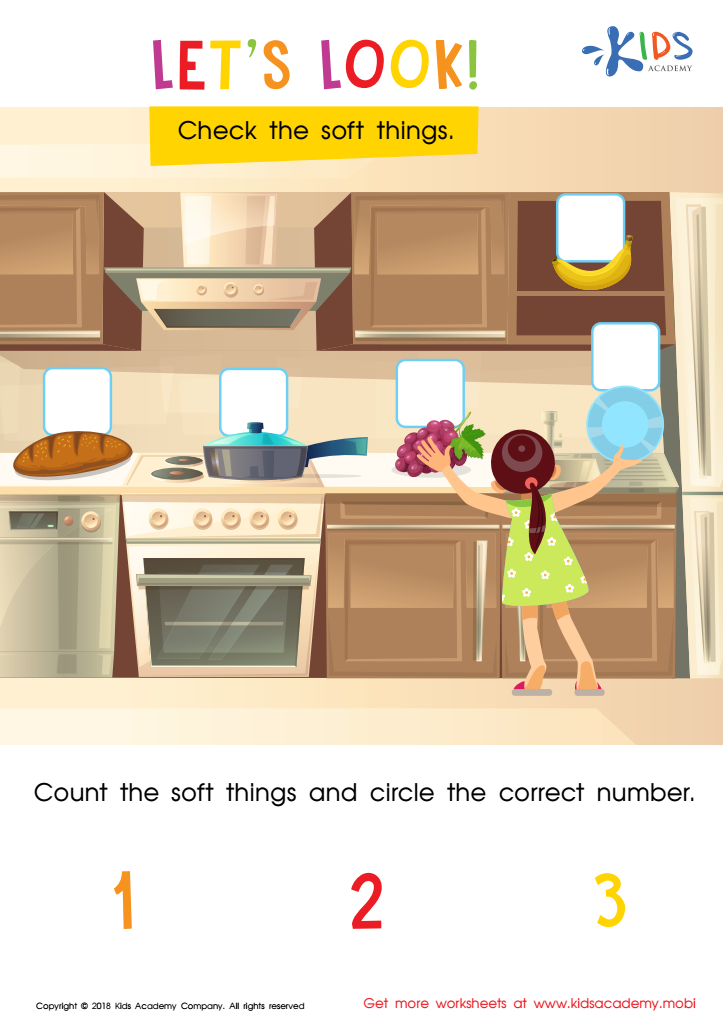
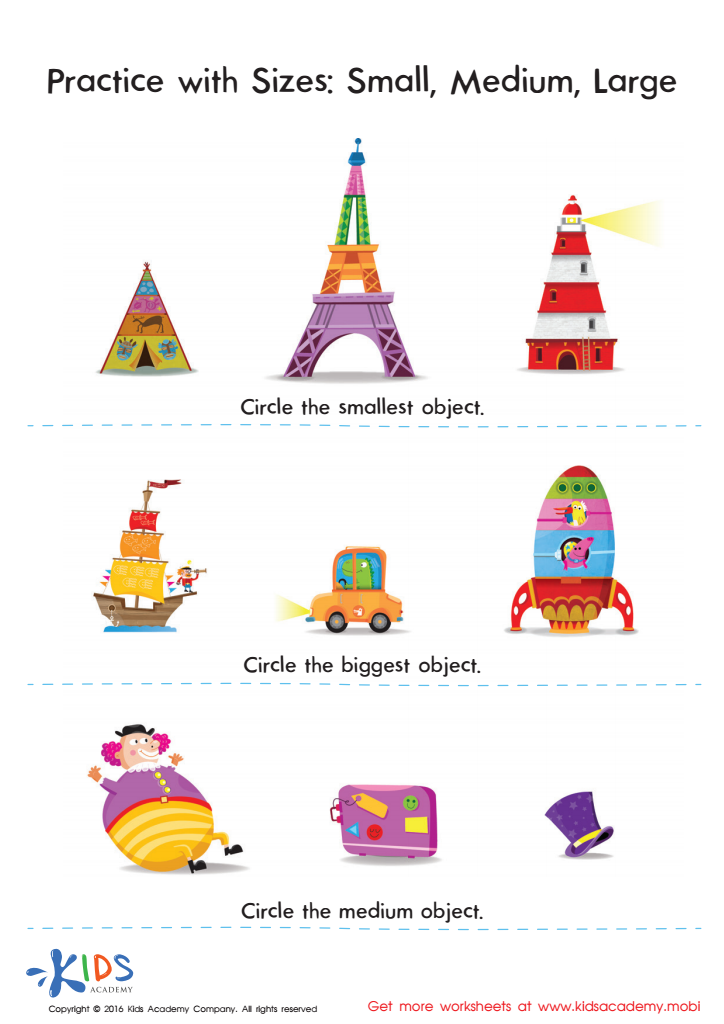
Let's Look! Assessment Worksheet
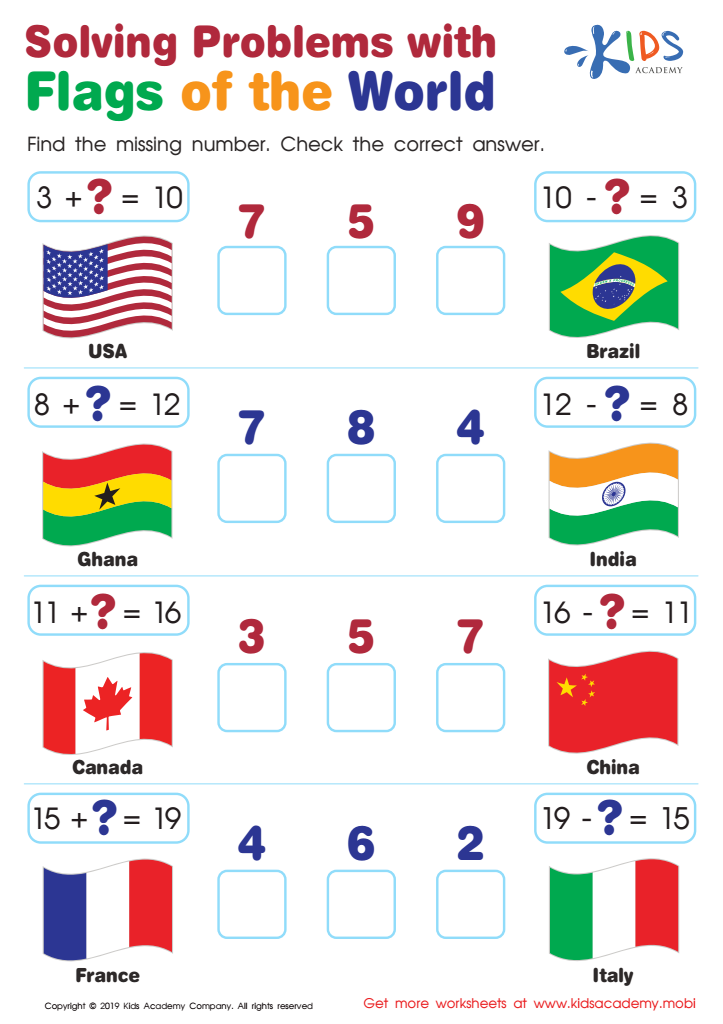
Solving Problems with Flags of the World Worksheet
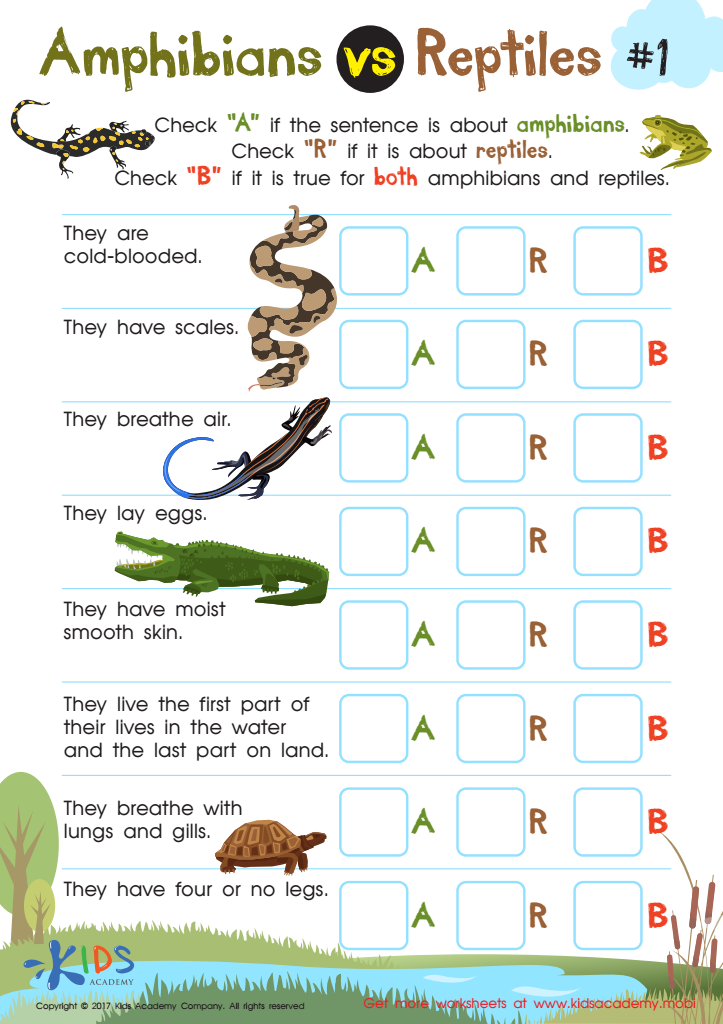
Amphibians vs Reptiles Worksheet







Comparative analysis, particularly in the context of educational assessments like the Normal Curve, is crucial for both parents and teachers because it provides valuable insights into a child's academic performance relative to their peers. Understanding where a child stands on this scale can help identify strengths and areas needing improvement. This information is pivotal for personalized learning, allowing educators to tailor their instruction to meet the diverse needs of students effectively.
For parents, knowing how their child compares to peers can guide discussions with teachers about appropriate interventions or enrichment opportunities. It helps parents advocate for their child’s needs, whether that means additional support in struggling subjects or more challenging material for advanced students.
For teachers, comparative analysis can inform instruction by highlighting trends within classrooms or individual students. This understanding assists in the development of targeted strategies to promote equity in learning outcomes. Moreover, it fosters an environment where assessments are viewed not simply as grading tools, but as integral components of teaching and learning that inform practice and encourage academic growth.
Ultimately, the proactive use of comparative analysis enhances the educational experience for students, empowering both parents and educators to champion students’ success in their learning journeys.








