Letter recognition Normal Worksheets - Page 3
67 filtered results
-
From - To
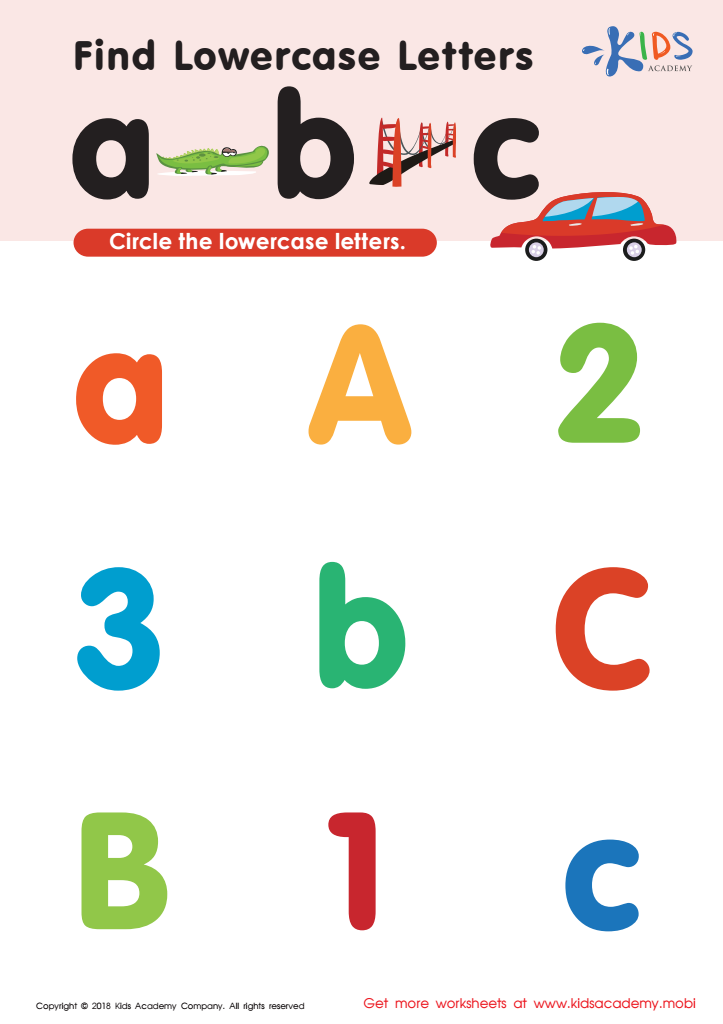
Find lowercase letters a b c Worksheet
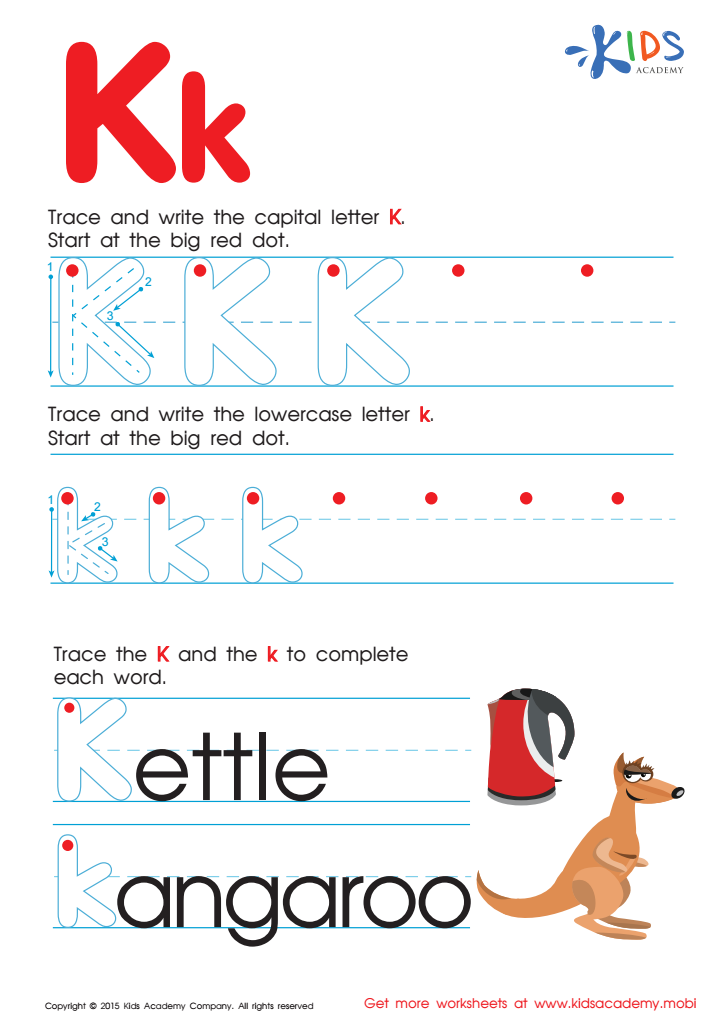
Letter K Tracing Page
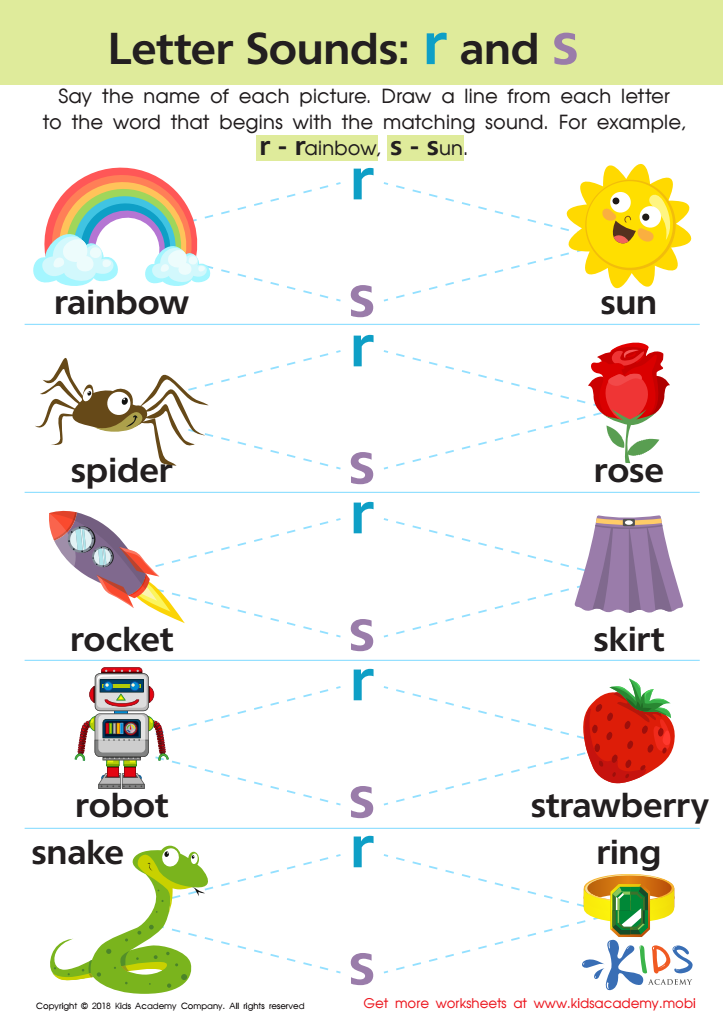
Letter R and S Sounds Worksheet
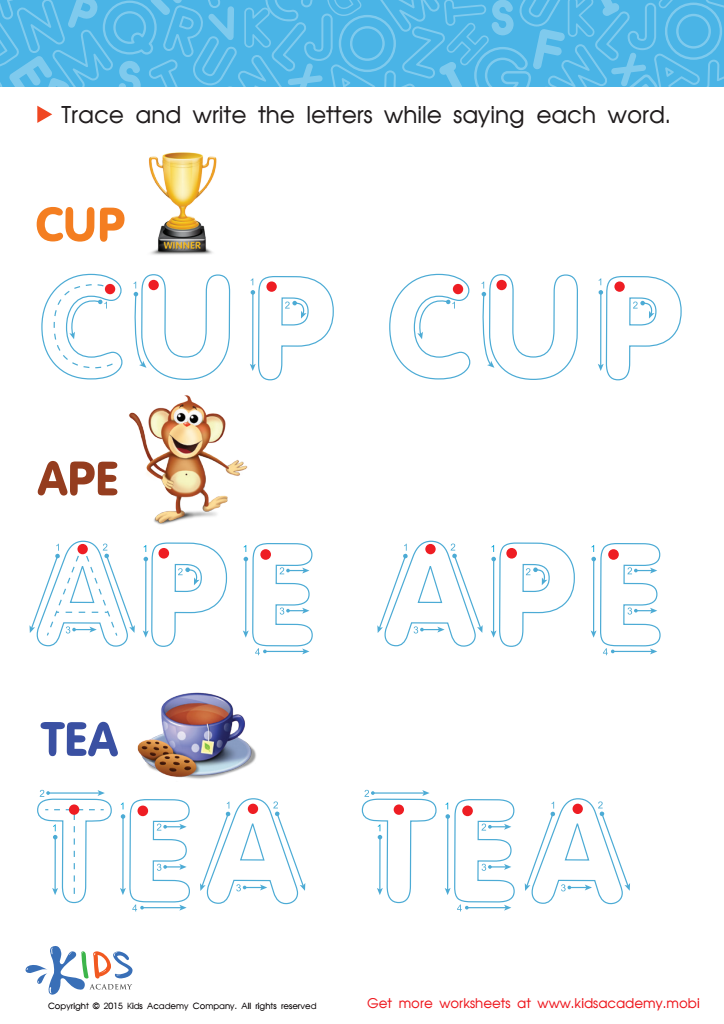
A Cup, an Ape and Tea Spelling Worksheet
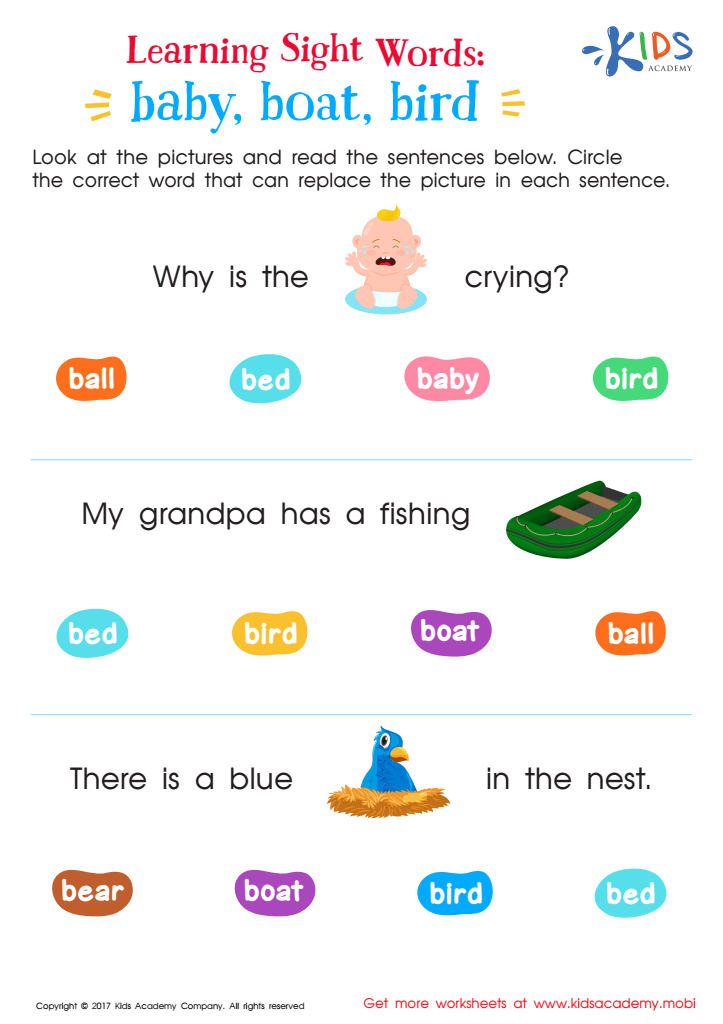
Baby, Boat, Bird Worksheet Sight Words Worksheet
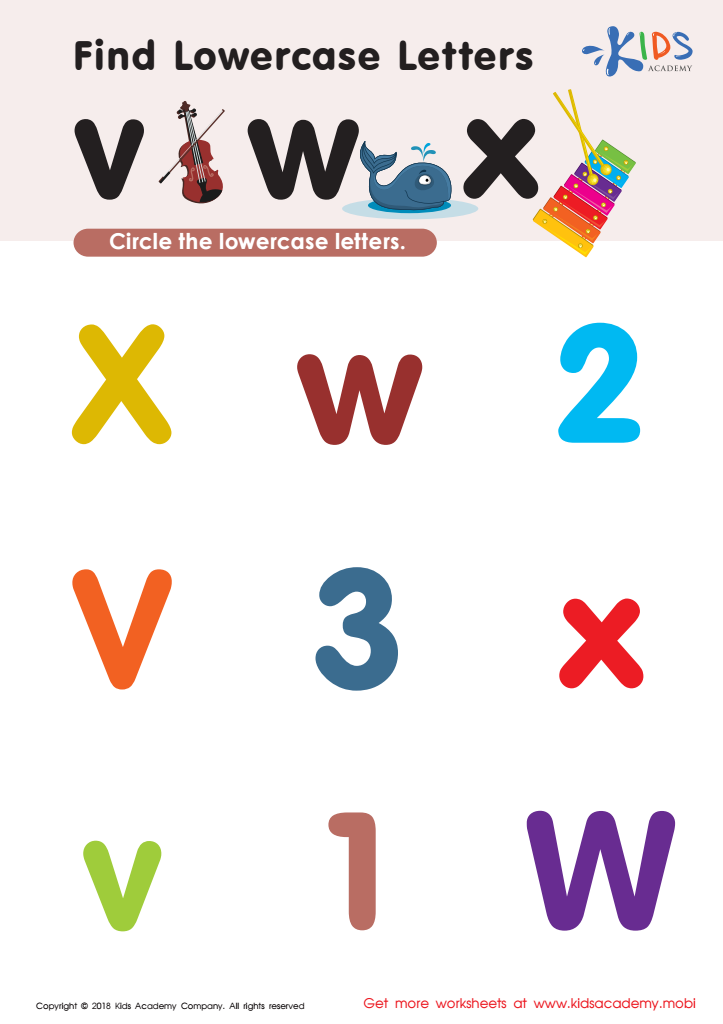
Find Lowercase Letters v w x Worksheet
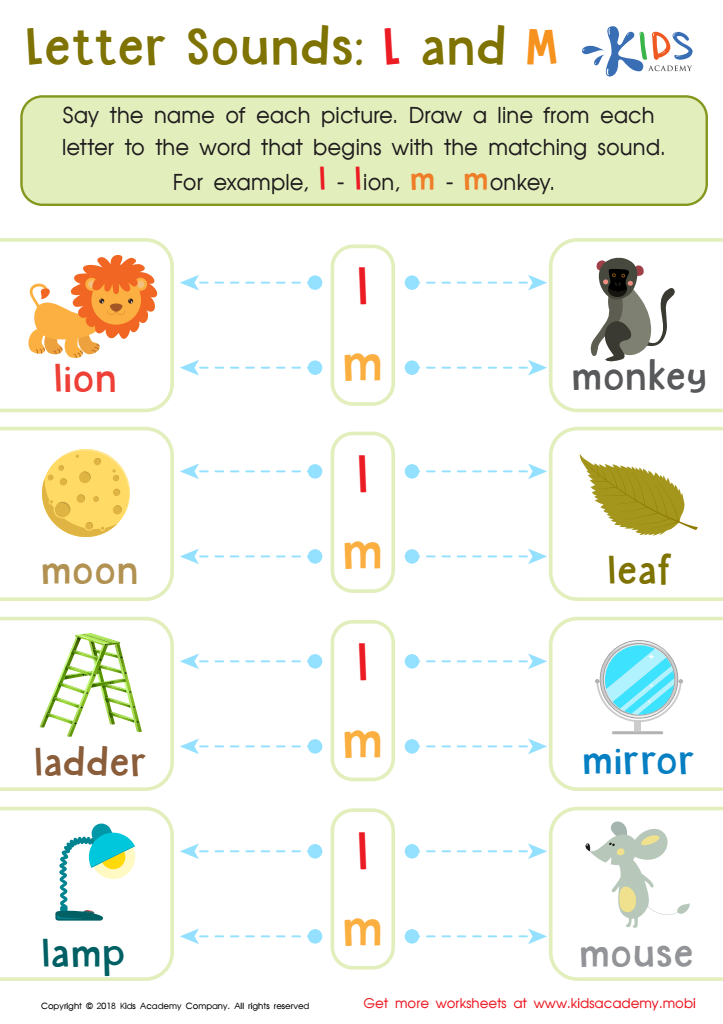
Letter l and M Sounds Worksheet
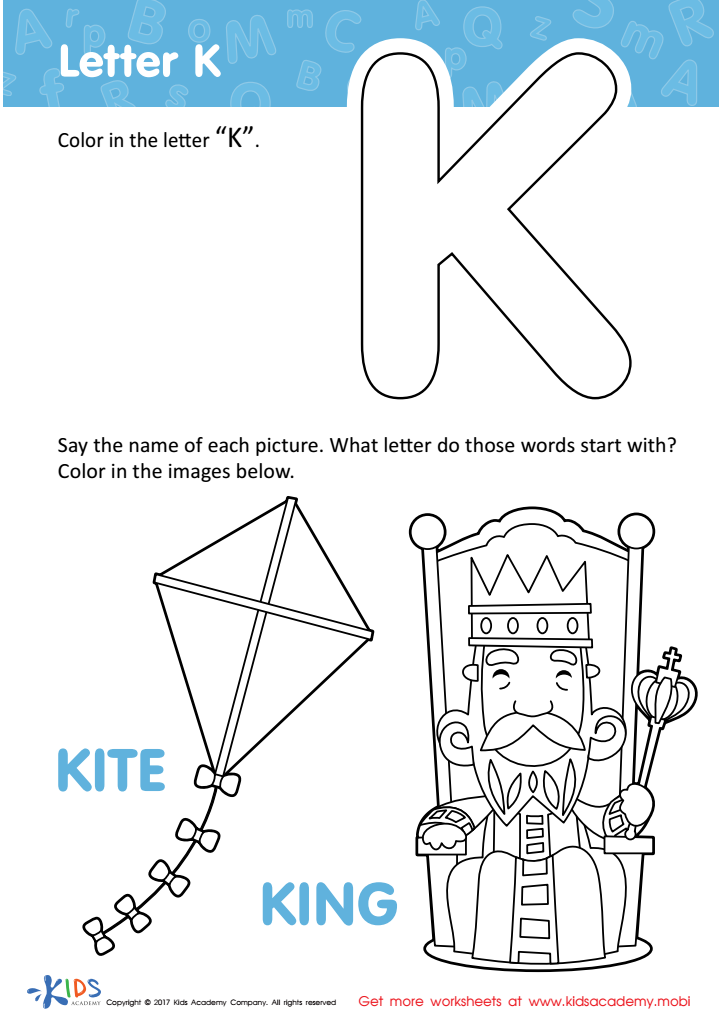
Letter K Coloring Sheet
 Assign to My Students
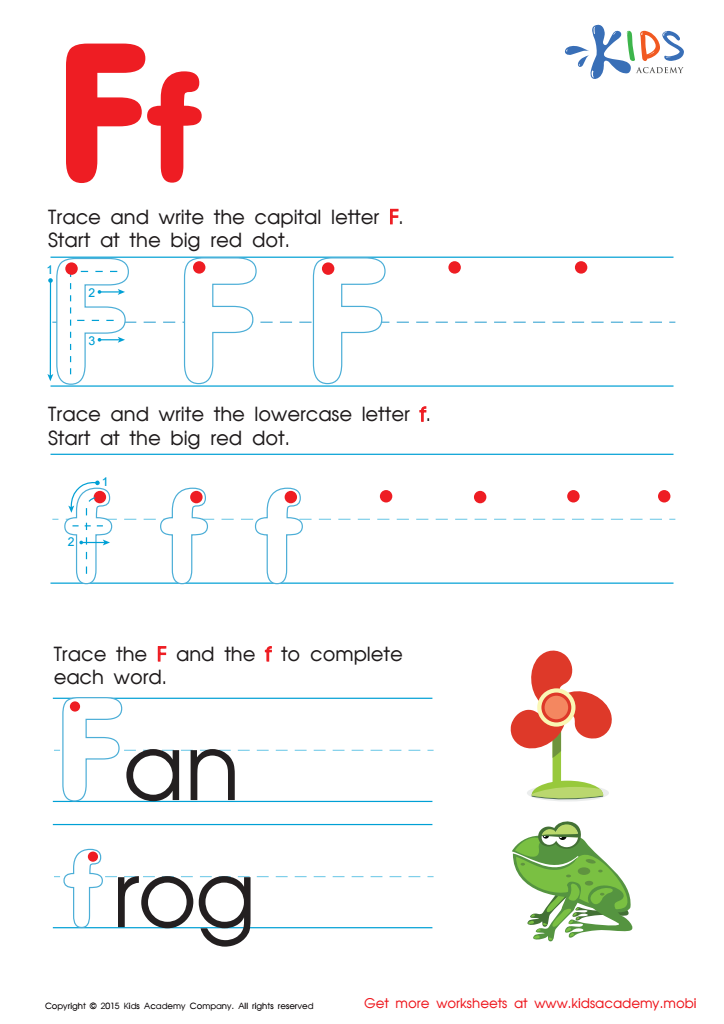
Letter F Tracing Page
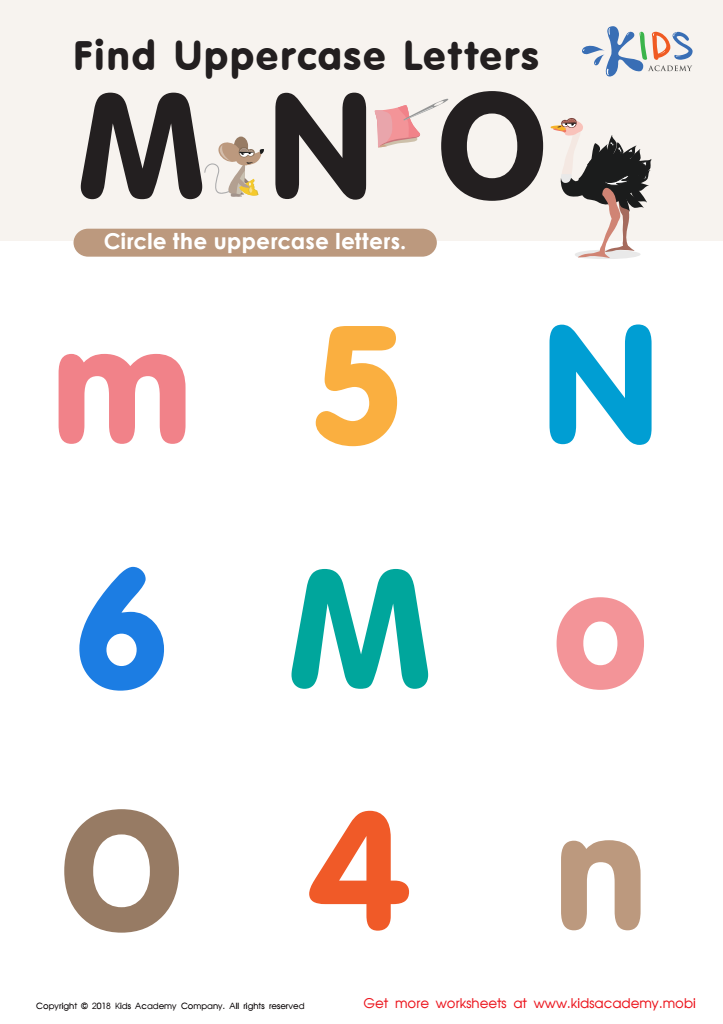
Find Uppercase Letters M, N, and O Worksheet

Long and Short E Worksheet
Assign to My Students
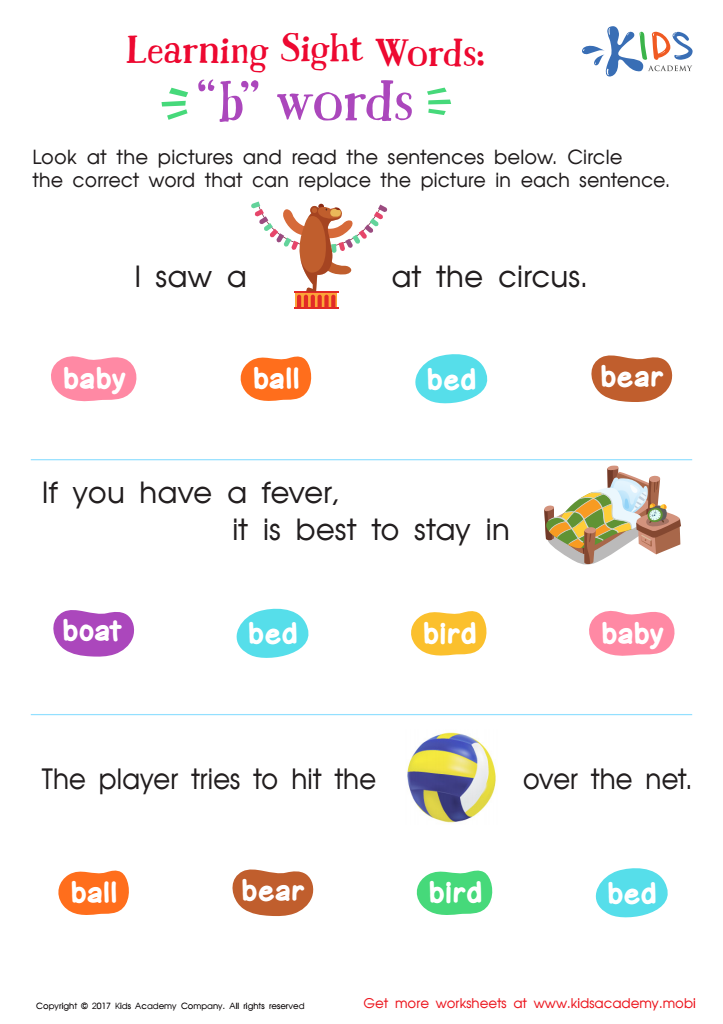
"B" Words Printable Sight Words Worksheet
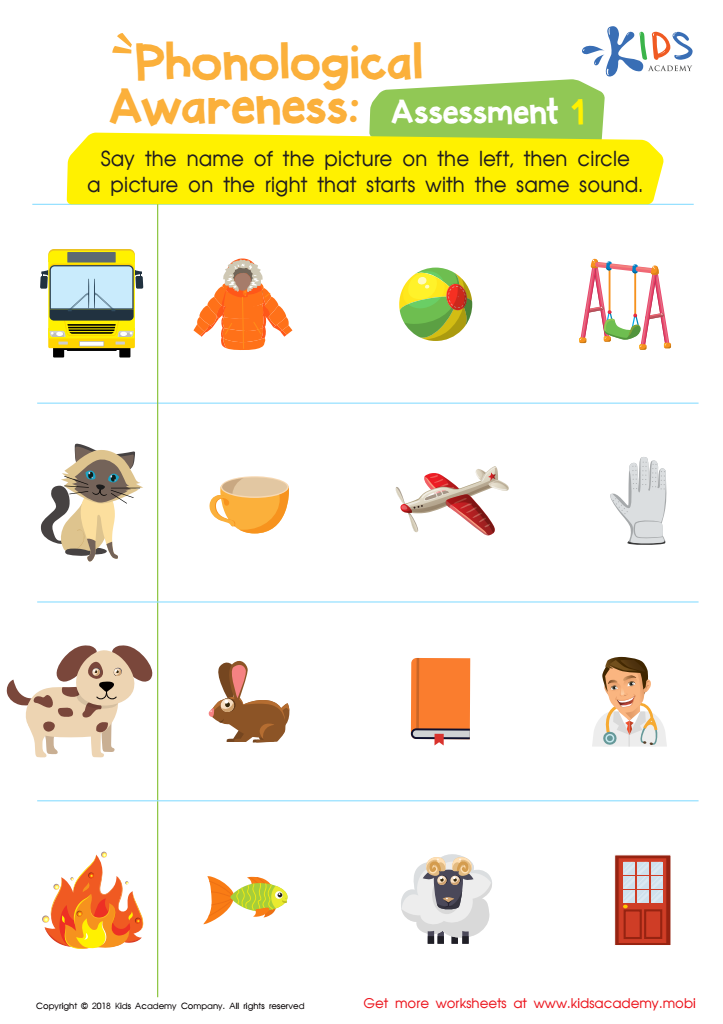
Phonological Awareness: Assessment 1 Worksheet
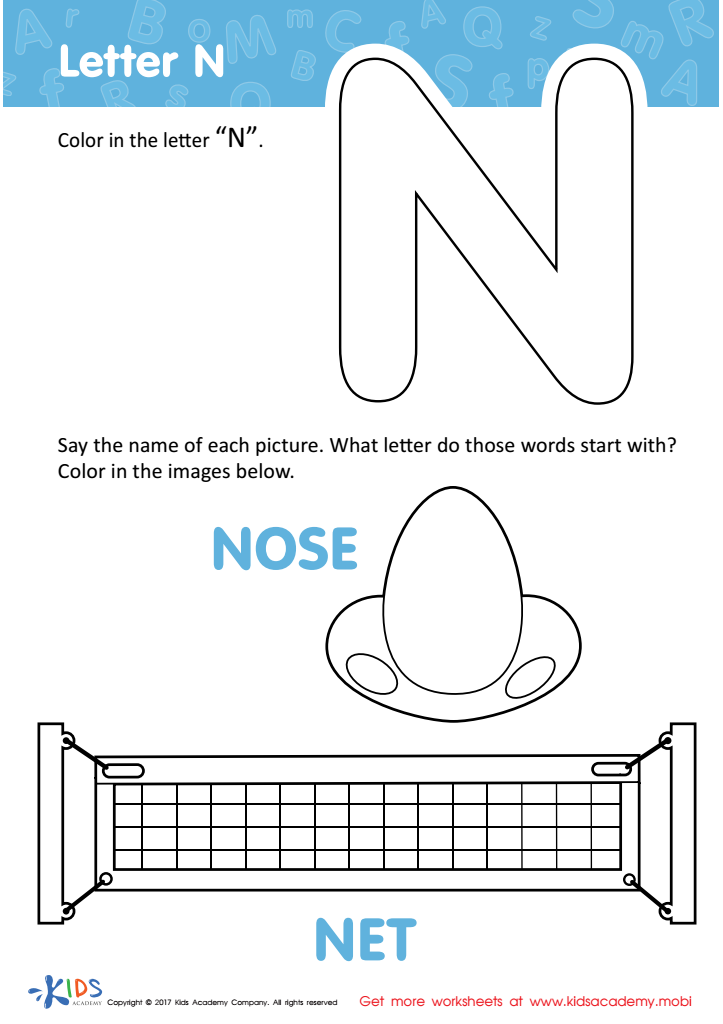
Letter N Coloring Sheet
Assign to My Students

Letter D Tracing Page
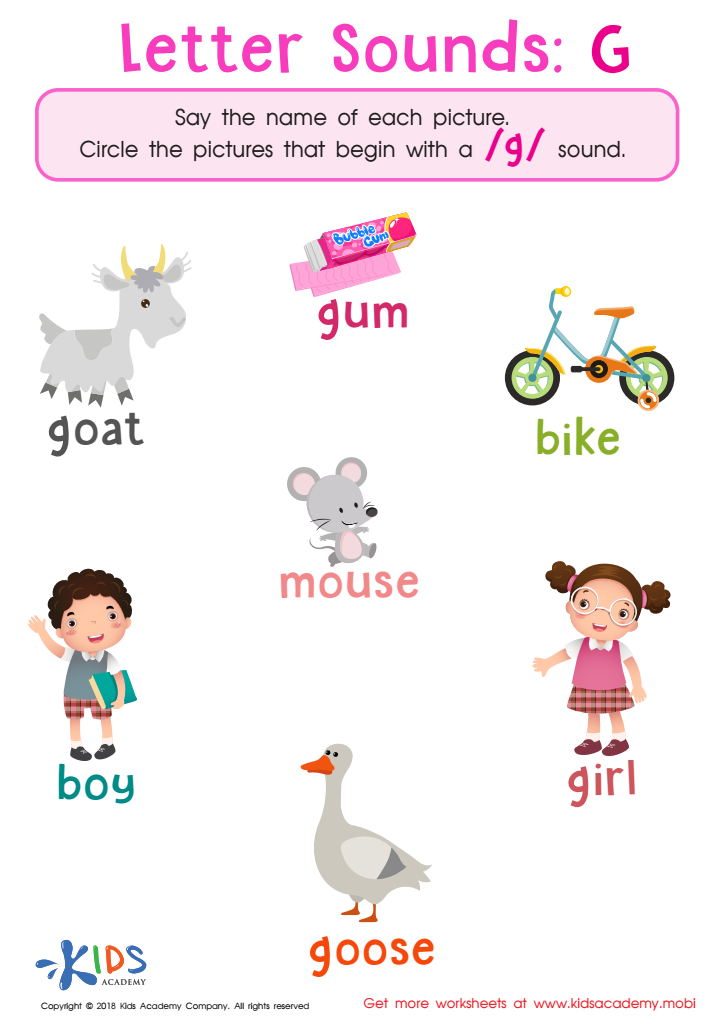
Letter G Sounds Worksheet
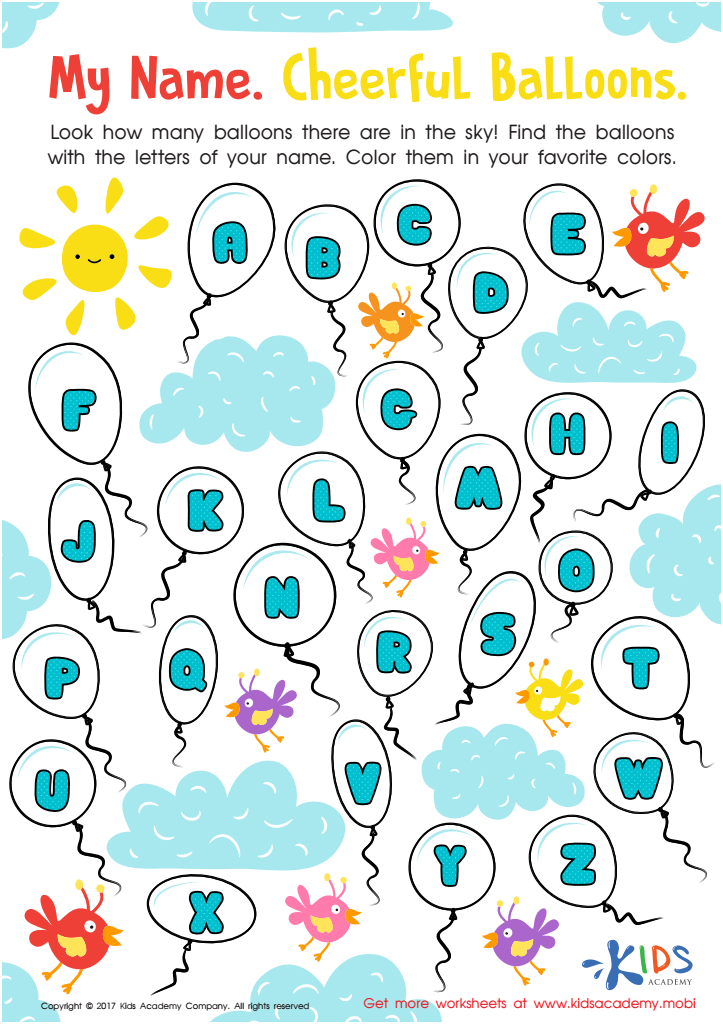
My Name: Cheerful Balloons Worksheet
Assign to My Students
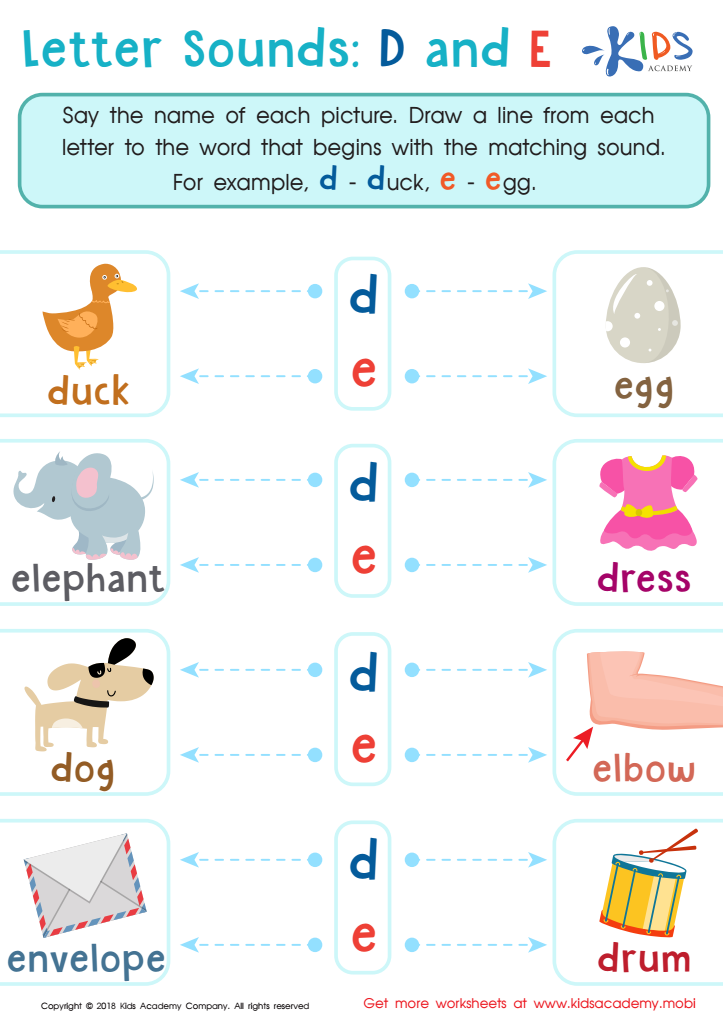
Letter D and E Sounds Worksheet
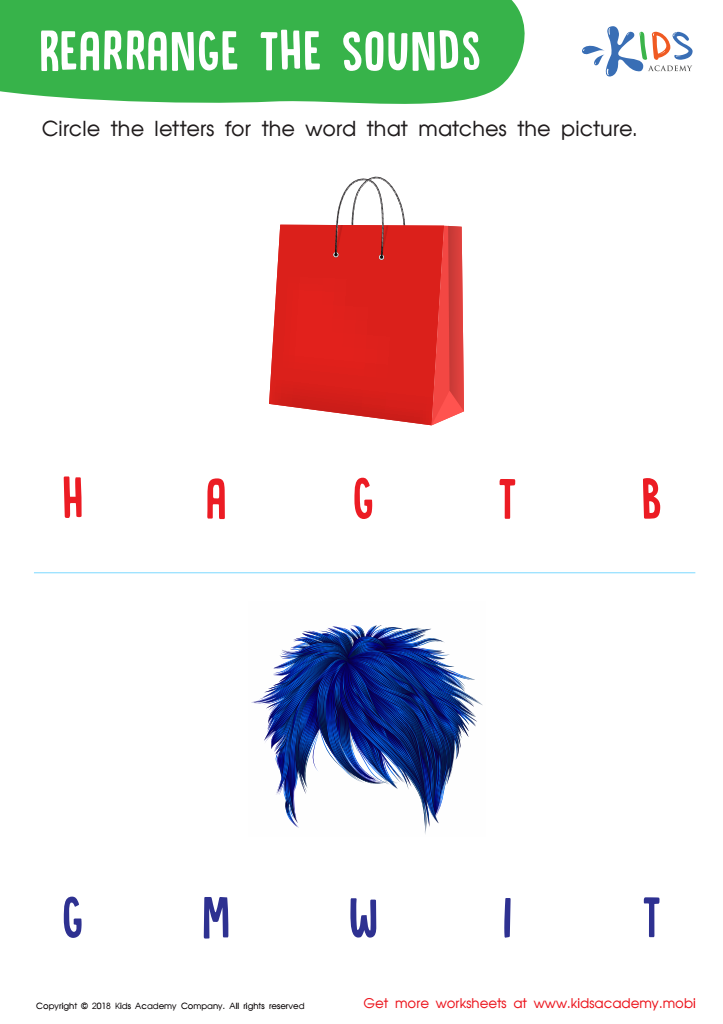
Rearrange the Sounds Worksheet




Letter recognition is a crucial component of early literacy development, serving as the foundation for reading and writing skills. Parents and teachers should prioritize letter recognition because it directly influences a child's ability to decode words and comprehend written text. Children who can identify letters quickly and accurately develop stronger phonemic awareness, allowing them to pronounce words correctly and ultimately become more confident readers.
Moreover, strong letter recognition skills are linked to improved academic outcomes. Children who master letters in their early education are more likely to excel in later language arts and across other subjects. This foundational skill also promotes language development, as recognizing letters helps children connect sounds with symbols, which is key to understanding the phonetic structure of language.
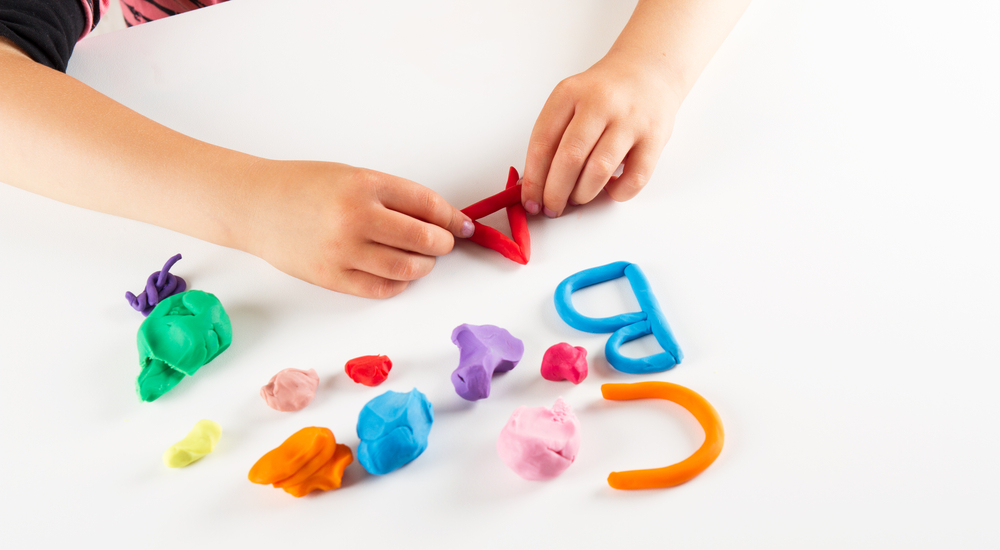
Additionally, engaging with letter recognition activities fosters a child's curiosity and motivation to learn. When parents and teachers incorporate fun, interactive ways to practice letters—such as through songs, games, and storytelling—they create a positive learning environment. By emphasizing the importance of letter recognition, parents and teachers can empower children with the essential tools they need to succeed academically and build a lifelong love for reading.








