Understanding measurements Normal Worksheets
8 filtered results
-
From - To
Discover a comprehensive collection of "Understanding Measurements" normal worksheets designed to enhance your child's math skills! These engaging, printable resources help young learners grasp essential concepts such as length, weight, and volume through fun activities and real-life applications. Perfect for early education, our worksheets include varied formats—like cut-and-paste, fill-in-the-blank, and word problems—to cater to different learning styles and boost confidence. With clear instructions and vibrant illustrations, students will enjoy exploring measurements while developing critical thinking skills. Equip your child for academic success with our user-friendly worksheets that make learning about measurements both enjoyable and effective! Explore our resources today!
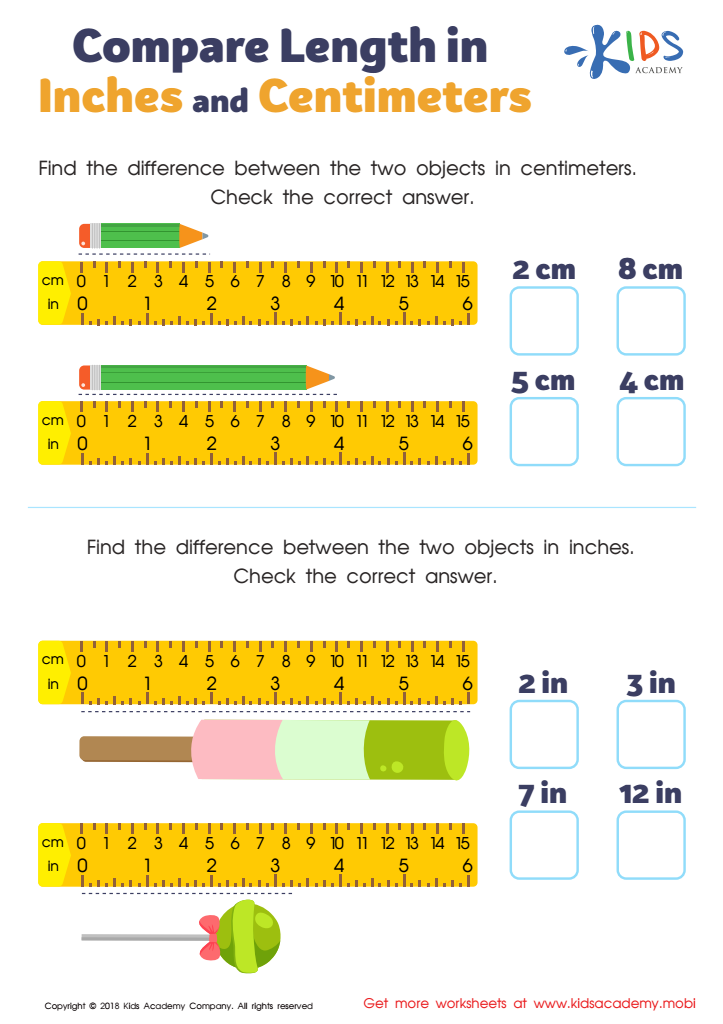
Compare Length in Inches and Centimeters Worksheet
 Assign to My Students
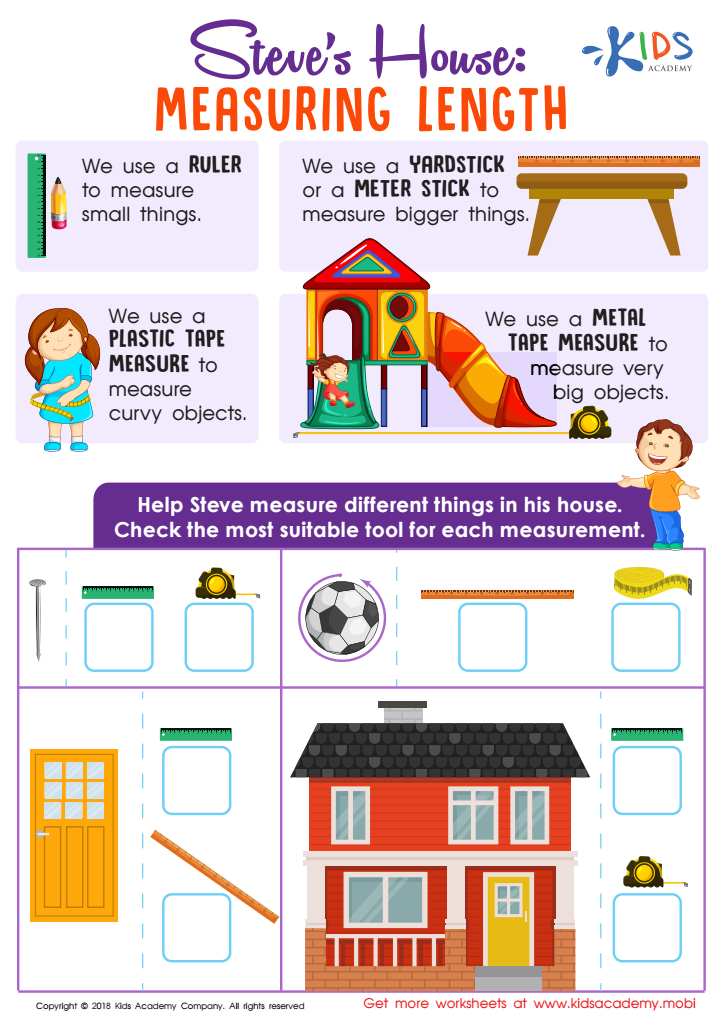
Steve's House: Measuring Length Worksheet
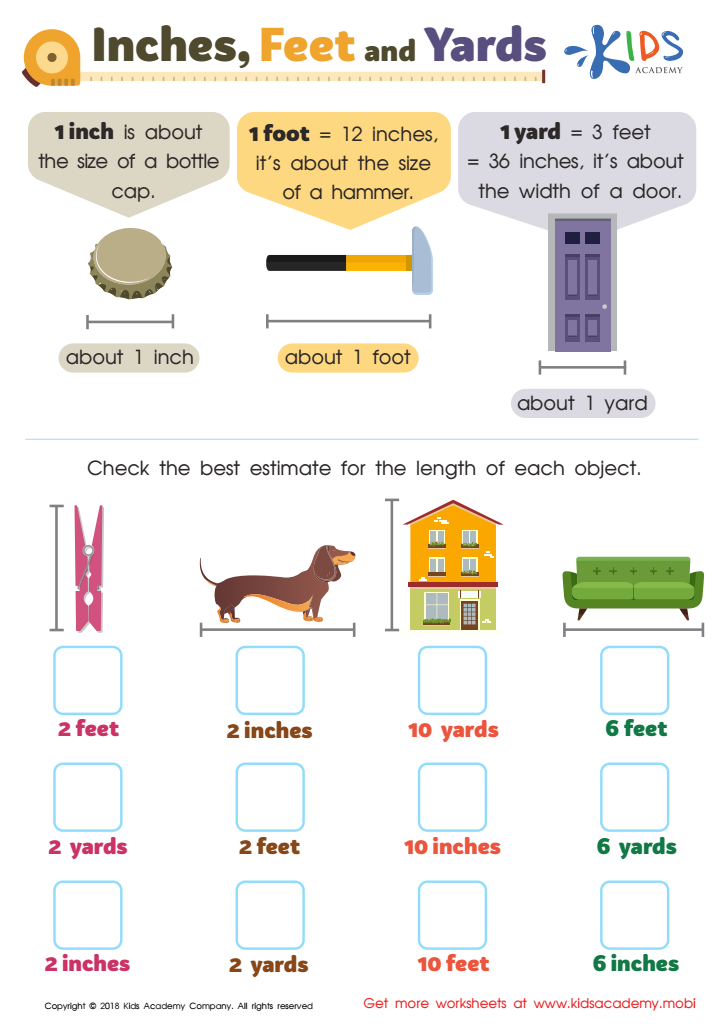
Inches, Feet and Yards Worksheet
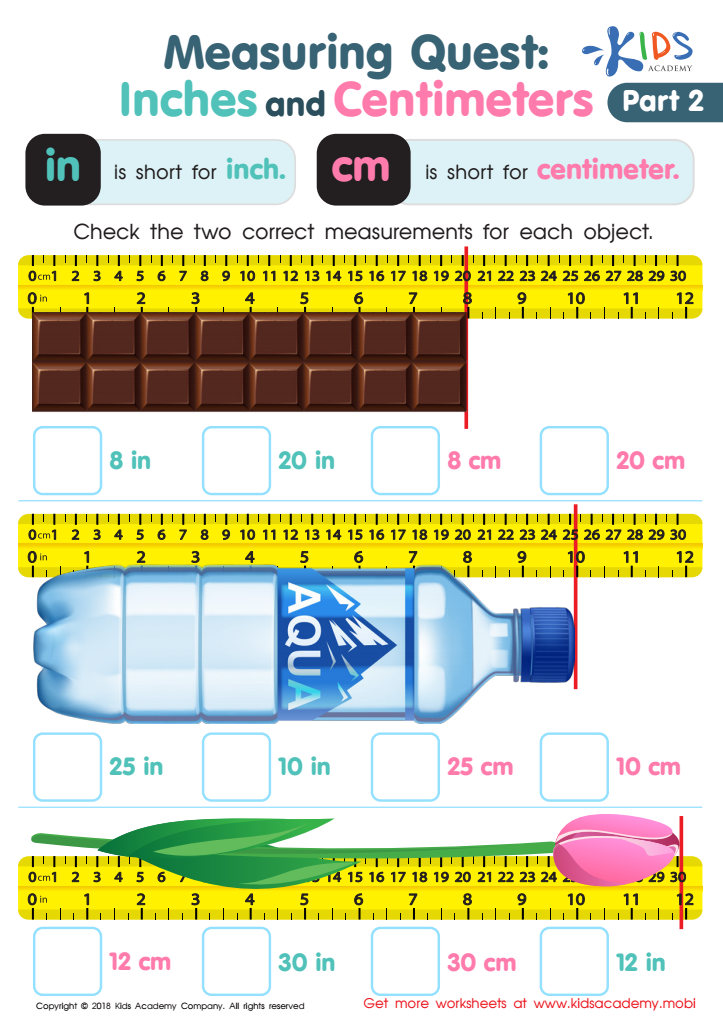
Measuring Quest: Inches and Centimeters - Part 2 Worksheet
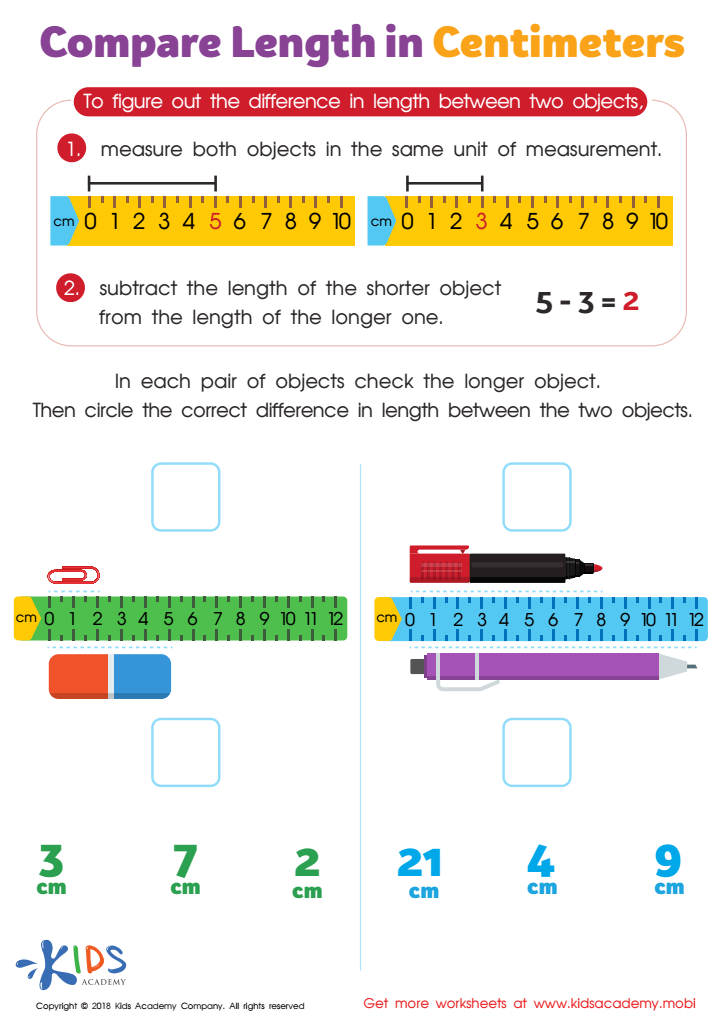
Compare Length in Centimeters Worksheet
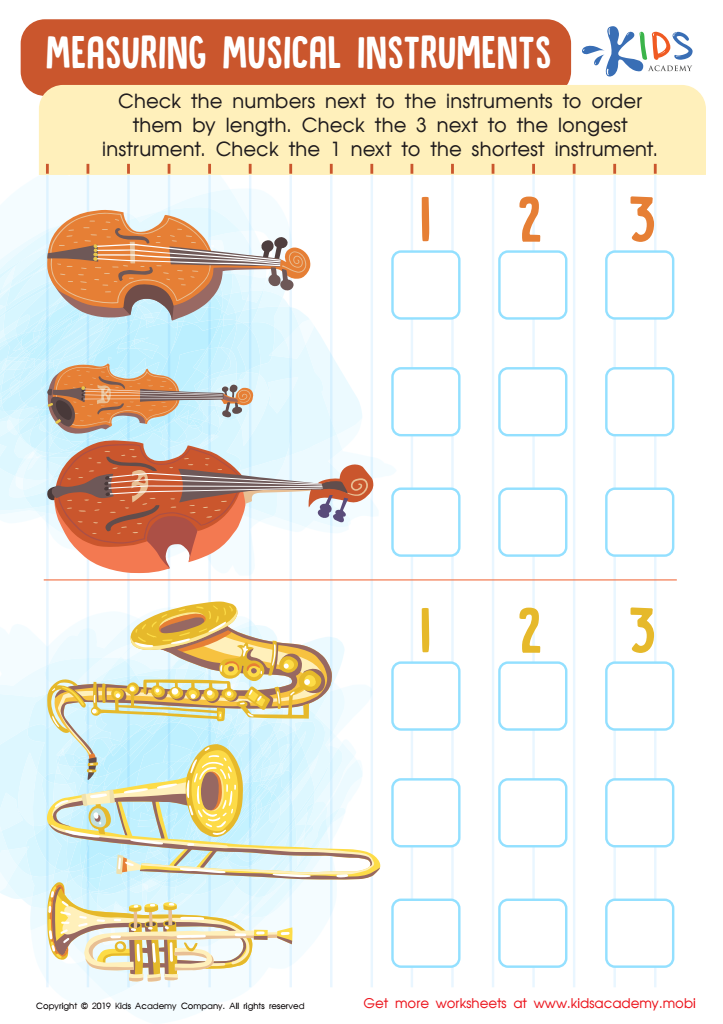
Measuring Musical Instruments Worksheet
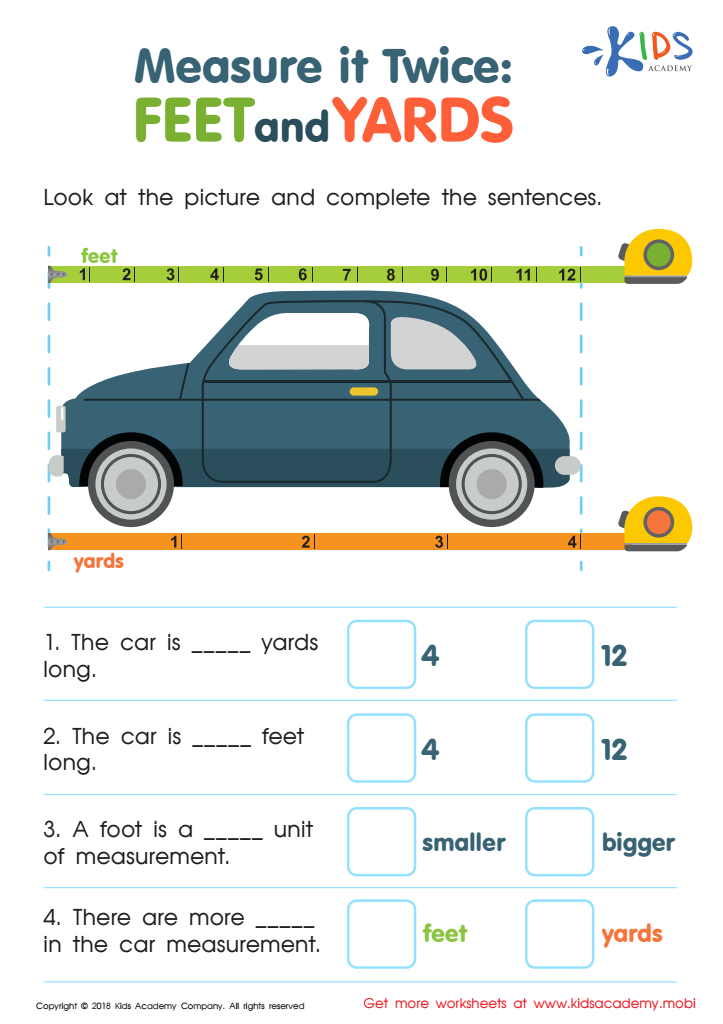
Measure It Twice: Feet and Yards Worksheet
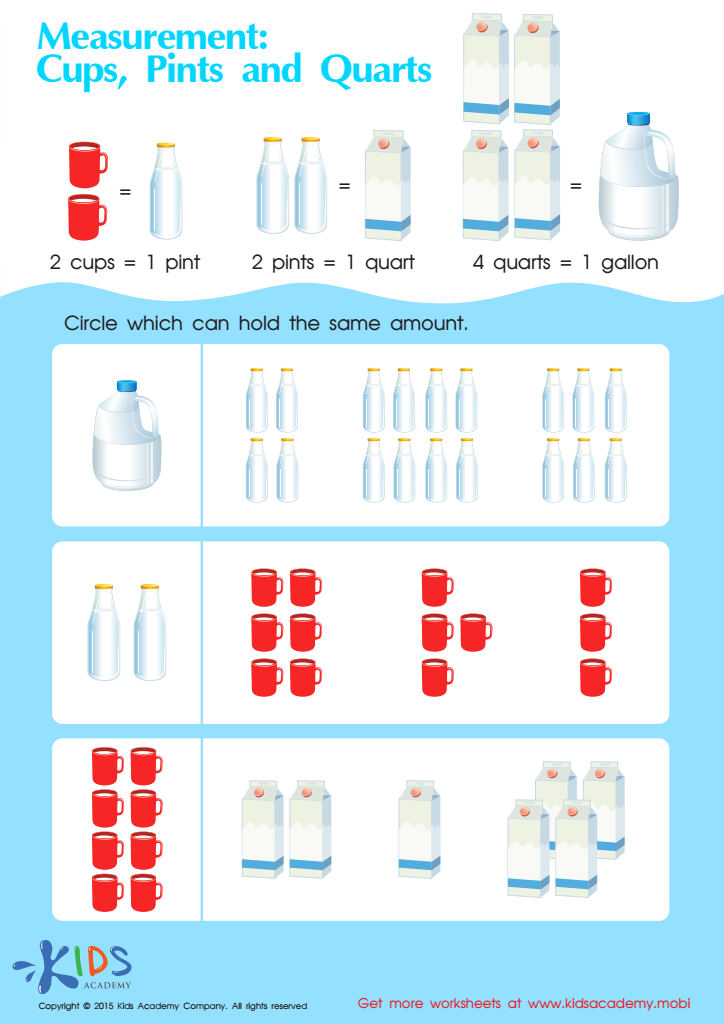
Cups, Pints and Quarts 2 Worksheet






Understanding measurements, particularly in the context of normal distributions, is crucial for both parents and teachers as it lays the groundwork for essential life skills and academic success. The normal distribution, a fundamental concept in statistics, illustrates how data points, such as test scores or physical dimensions, are often distributed around a mean in a symmetrical way. By grasping this concept, students learn to contextualize everyday phenomena, making sense of variations in academic performance, health metrics, and even social behaviors.
For parents, being aware of measurement understanding allows them to better support their children's learning journey. It enables them to interpret school assessments and make informed decisions about their children’s needs and abilities, fostering a growth mindset and encouraging resilience.
For teachers, a solid grasp of measurements normal is essential for tailoring instruction and assessing student progress. By understanding how students fit into the broader context of standard measurements, they can develop strategies to address learning gaps or challenges, creating a more equitable learning environment.
In essence, embracing the concept of normal distributions enhances critical thinking, problem-solving skills, and informed decision-making, all of which are invaluable for both personal and academic development. Thus, fostering this understanding should be a priority for both educators and parents.








