Visual perception Normal Worksheets
18 filtered results
-
From - To
Visual Perception Normal Worksheets by Kids Academy are designed to enhance children's learning skills through engaging, fun activities. These worksheets help young learners develop key visual discrimination, spatial awareness, and pattern recognition abilities. Ideal for Pre-K through early elementary grades, the exercises challenge children to identify similarities and differences, match items, and solve puzzles, all of which support cognitive development and academic readiness. Perfect for both classroom and at-home use, Kids Academy provides a comprehensive collection of colorful, printable worksheets tailored to nurture your child's visual perception skills in a playful, educational way.
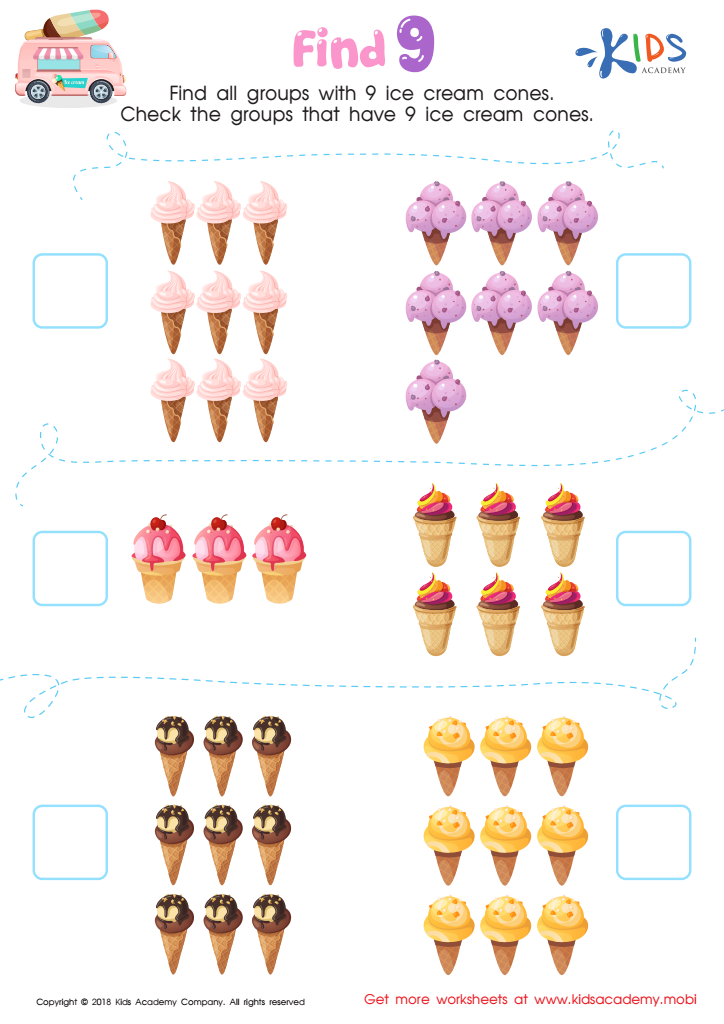
Find 9 Worksheet
 Assign to My Students
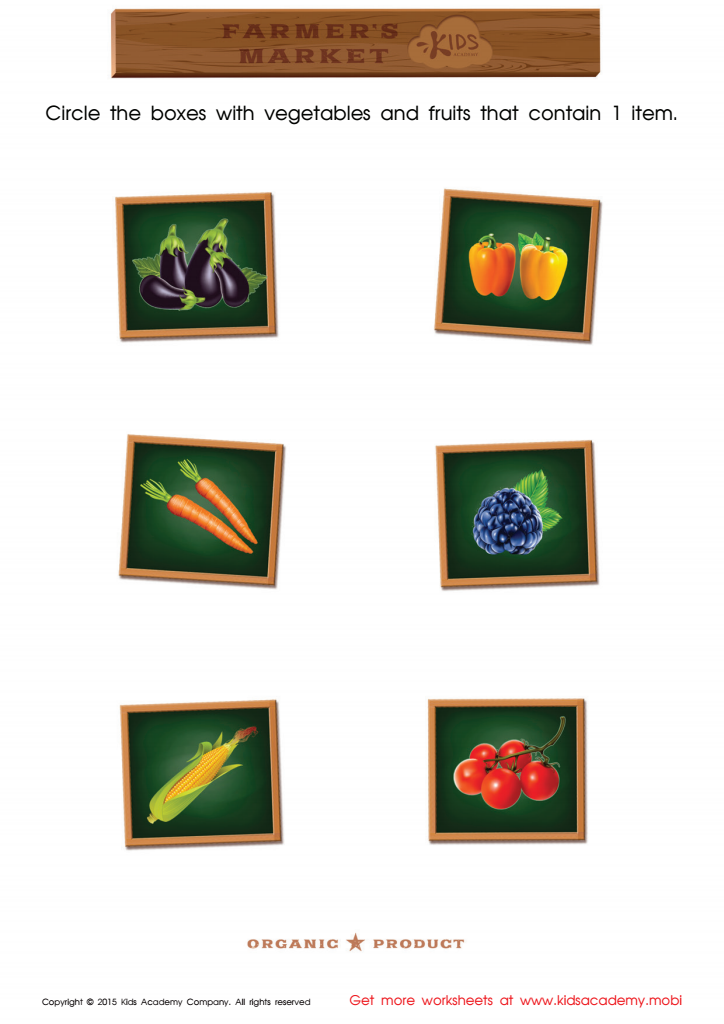
Count and Match Boxes with Vegetables
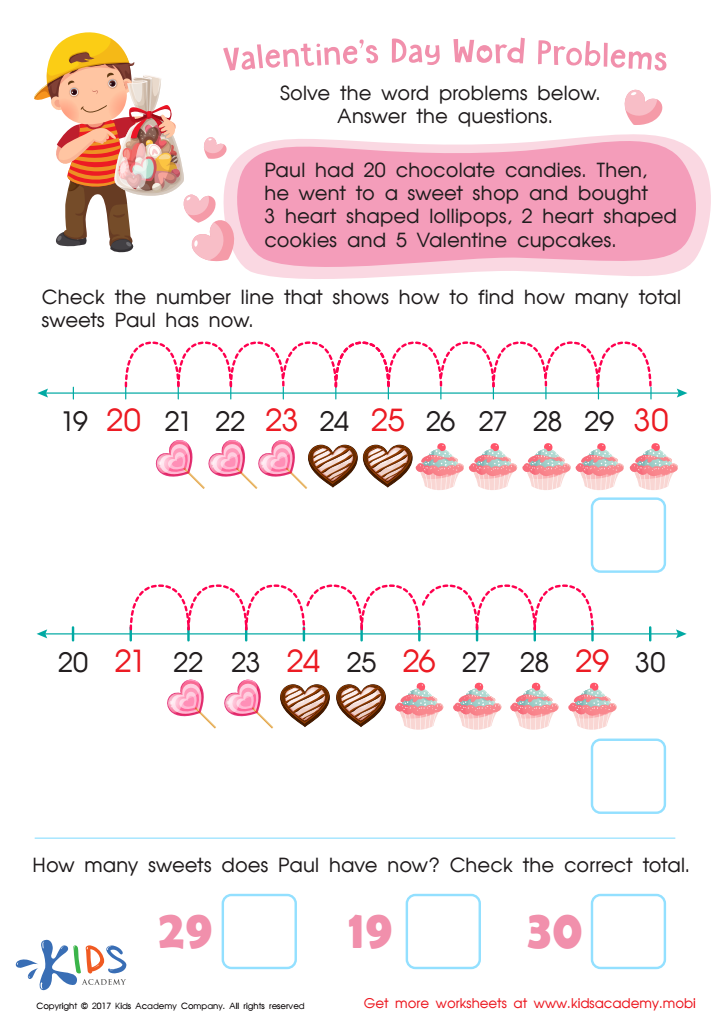
Valentines Day 2 Printable
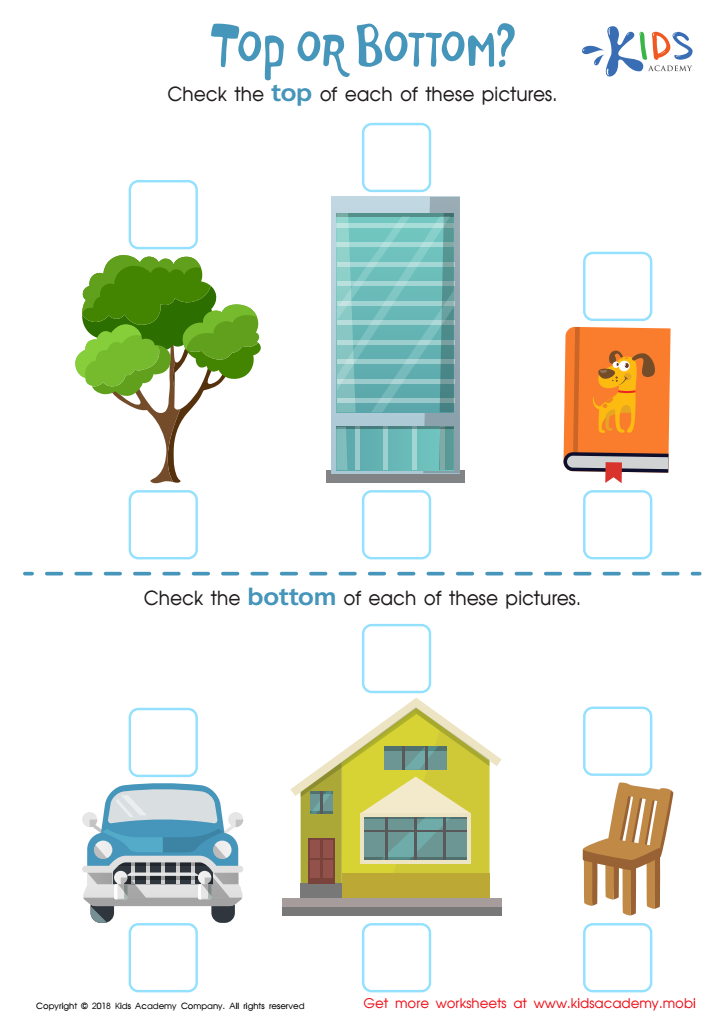
Top or Bottom Worksheet
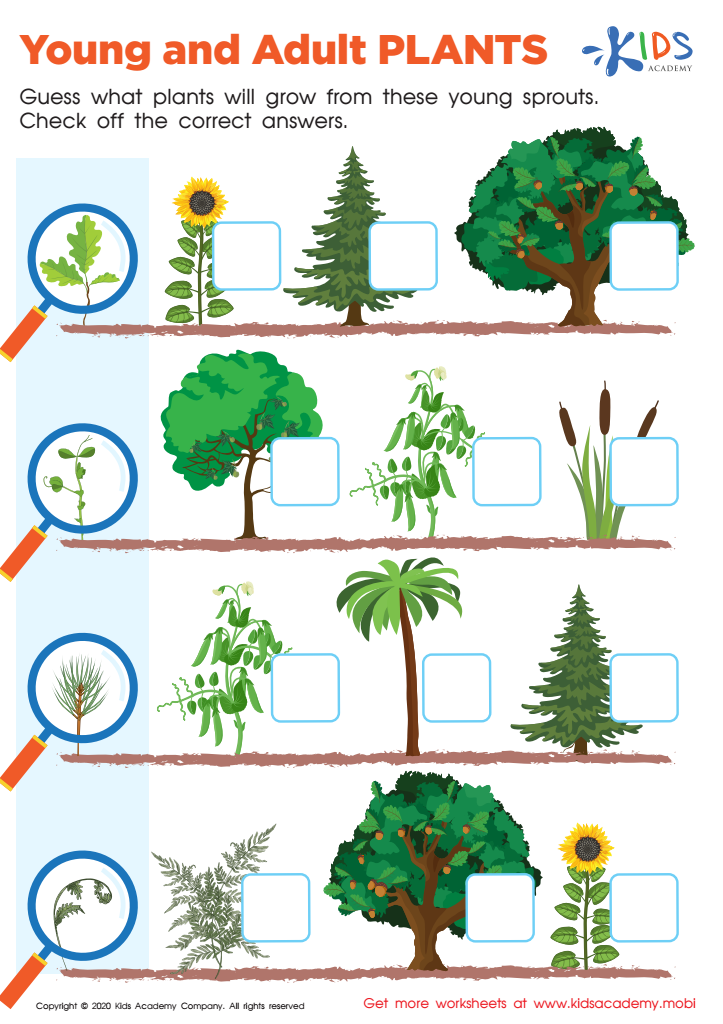
Young and Adult Plants Worksheet
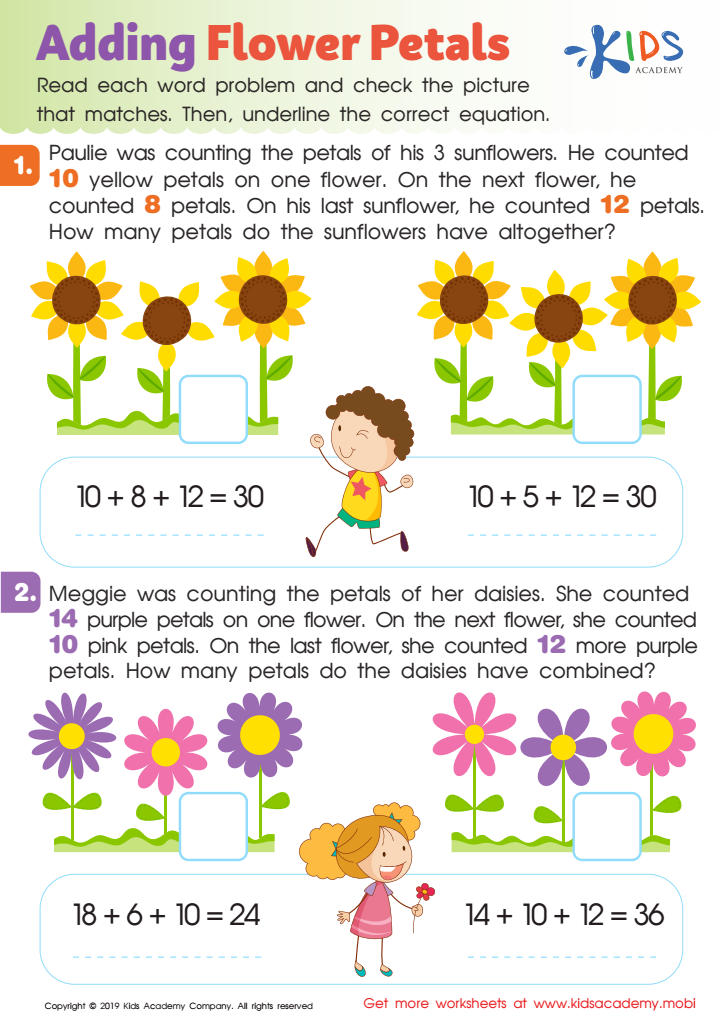
Adding Flower Petals Worksheet
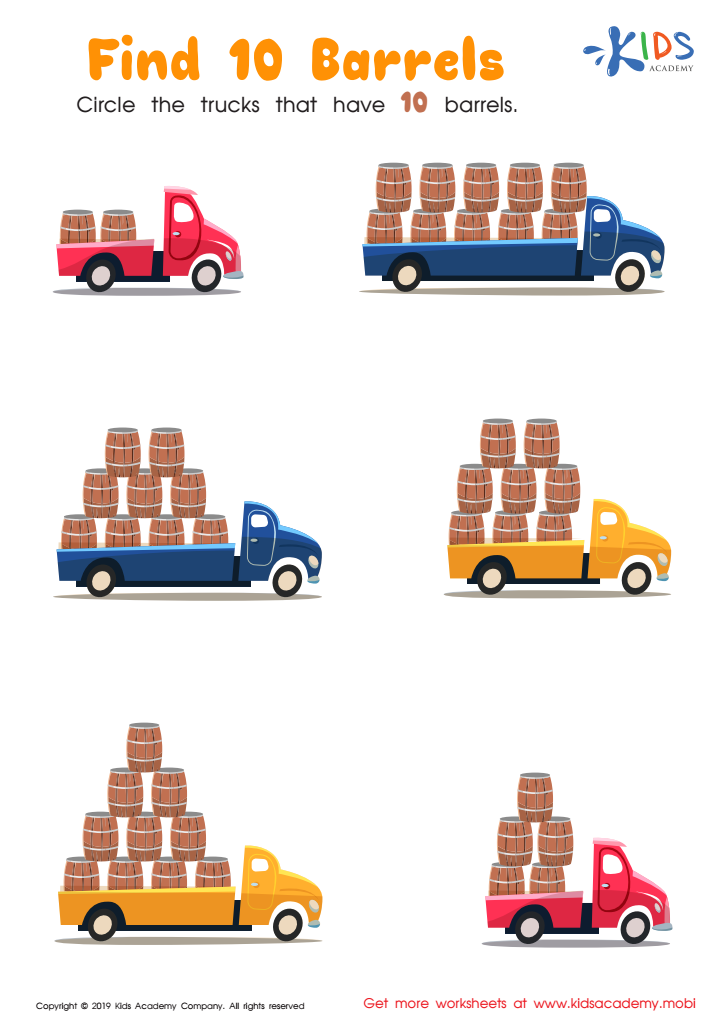
Find 10 Barrels Worksheet
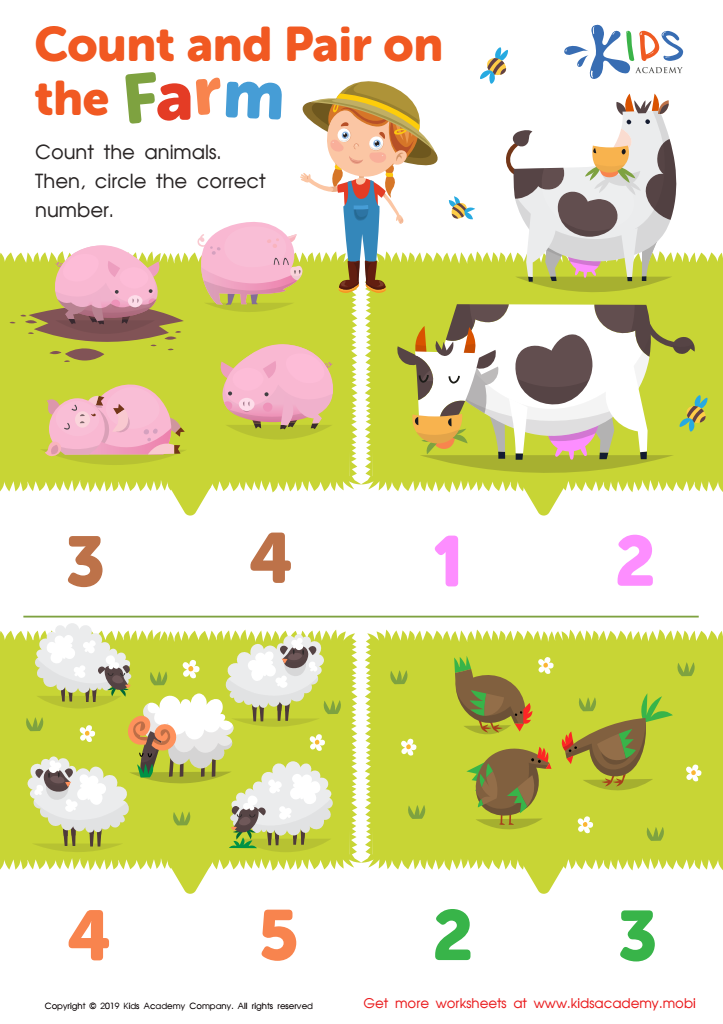
Count and Pair on the Farm Worksheet
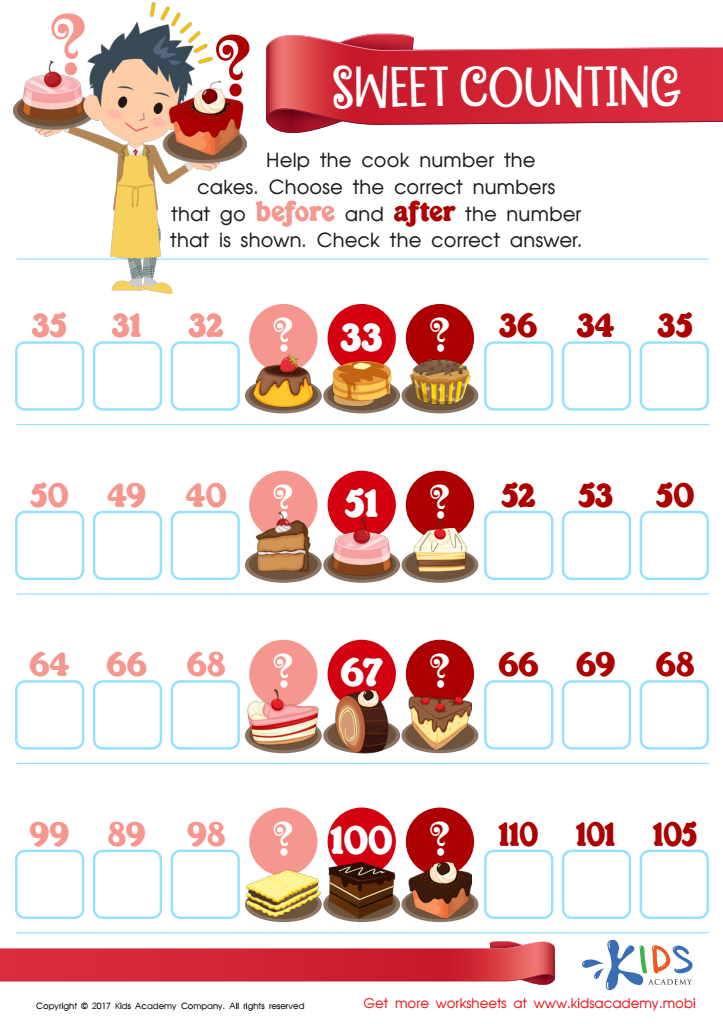
Sweet Counting - Part 1 Worksheet
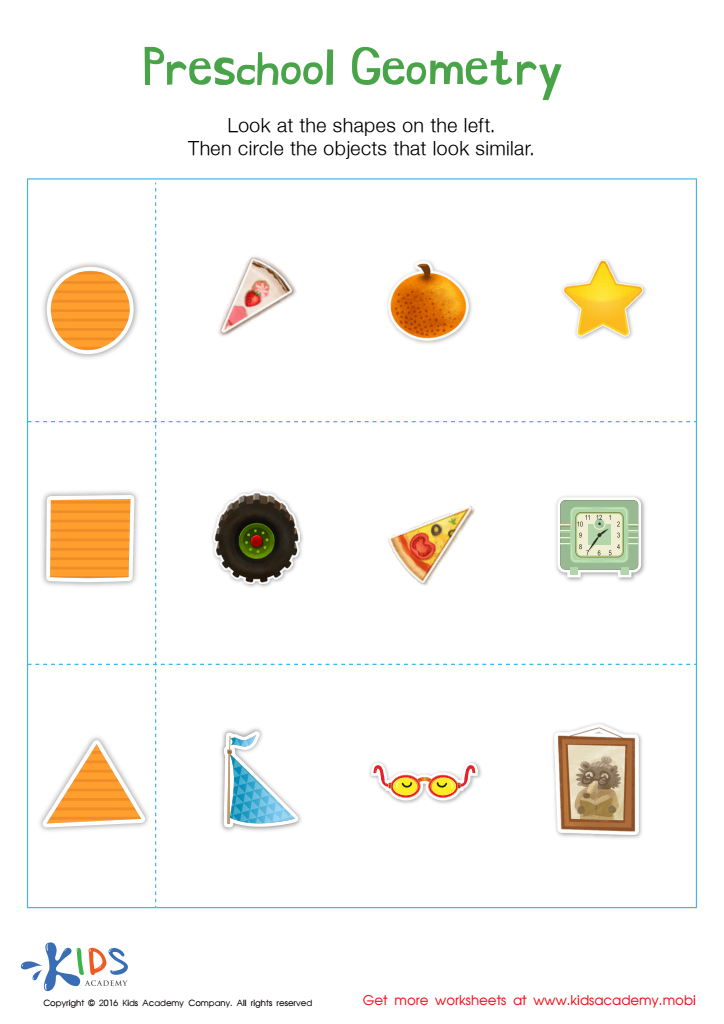
Preschool Geometry Match Up Worksheet
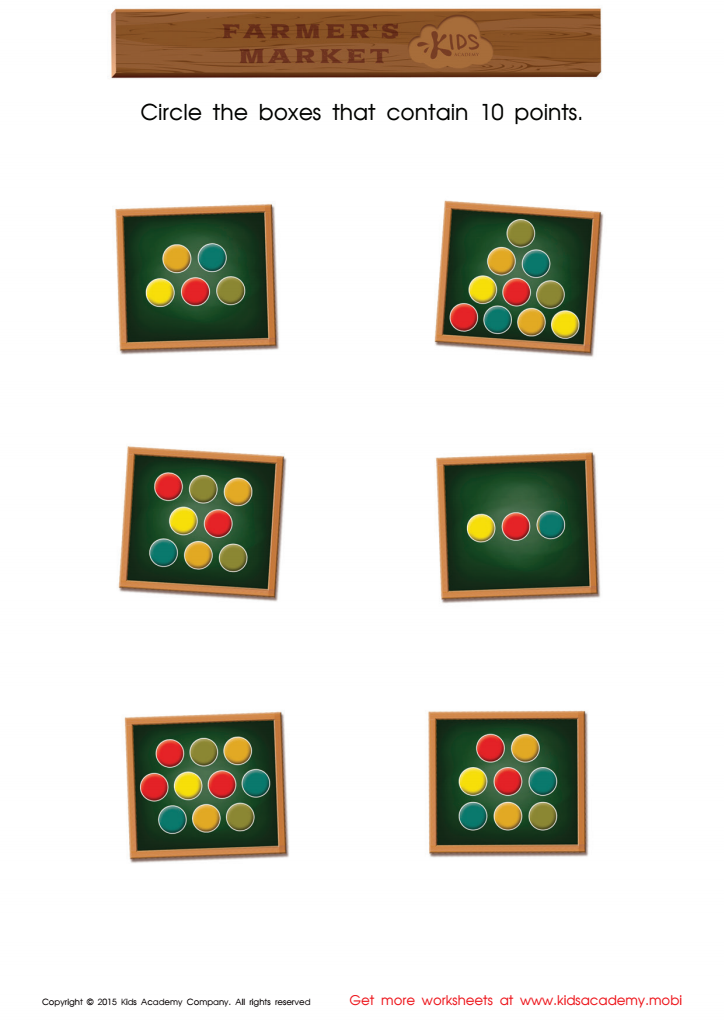
Count and Match Points 10 Math Worksheet
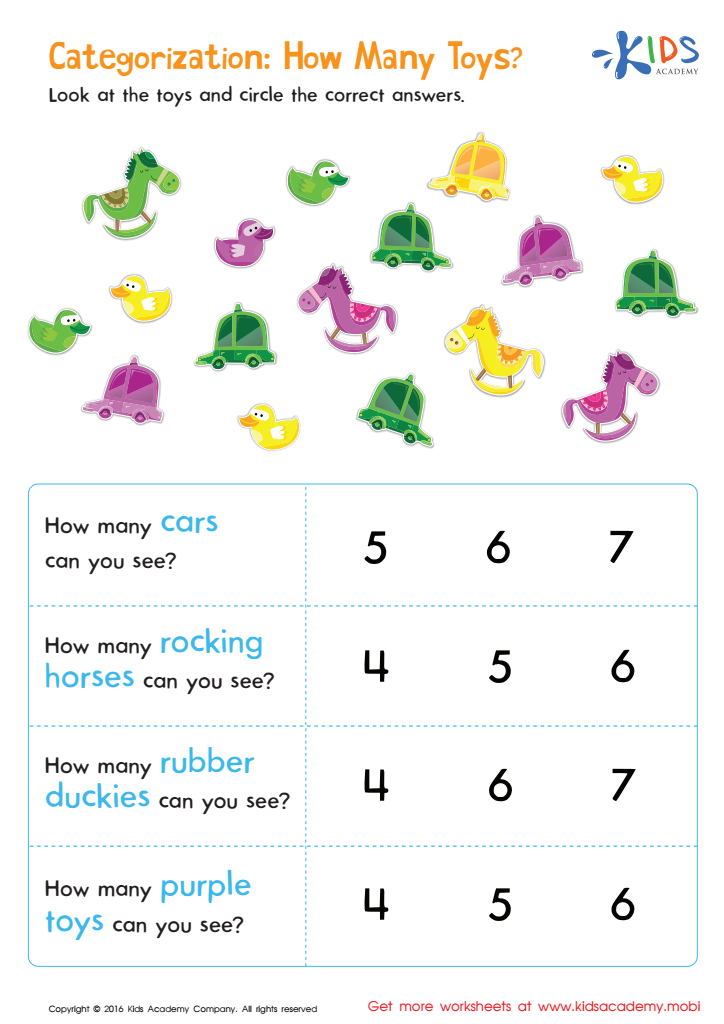
Classifying Toys by Type and Color Sorting Worksheet
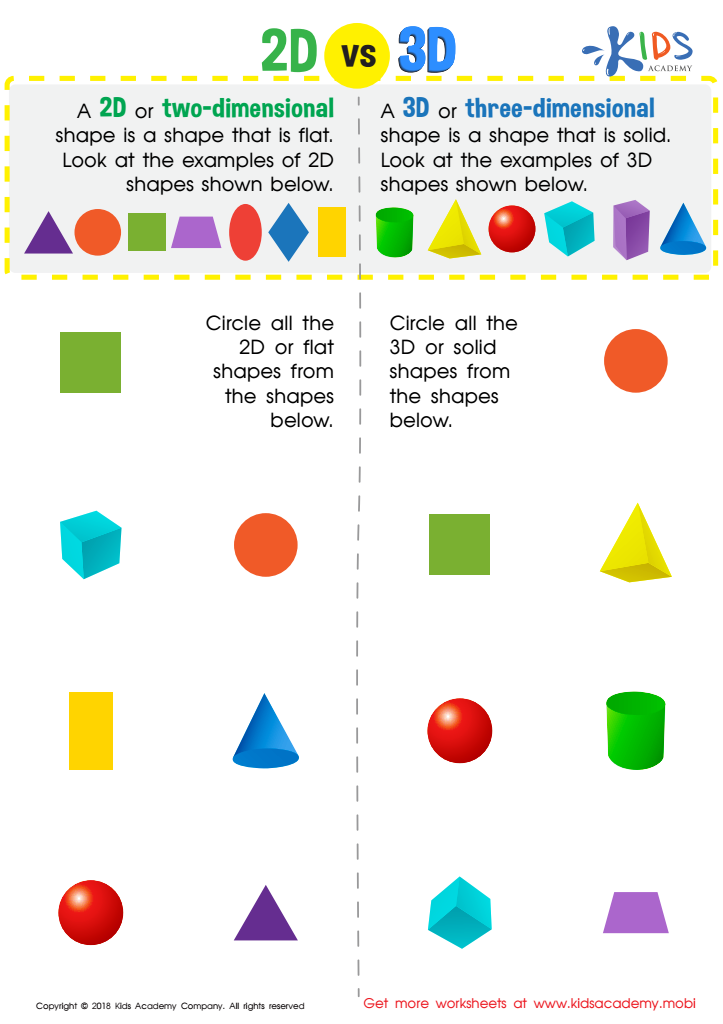
2D vs 3D Shapes Worksheet
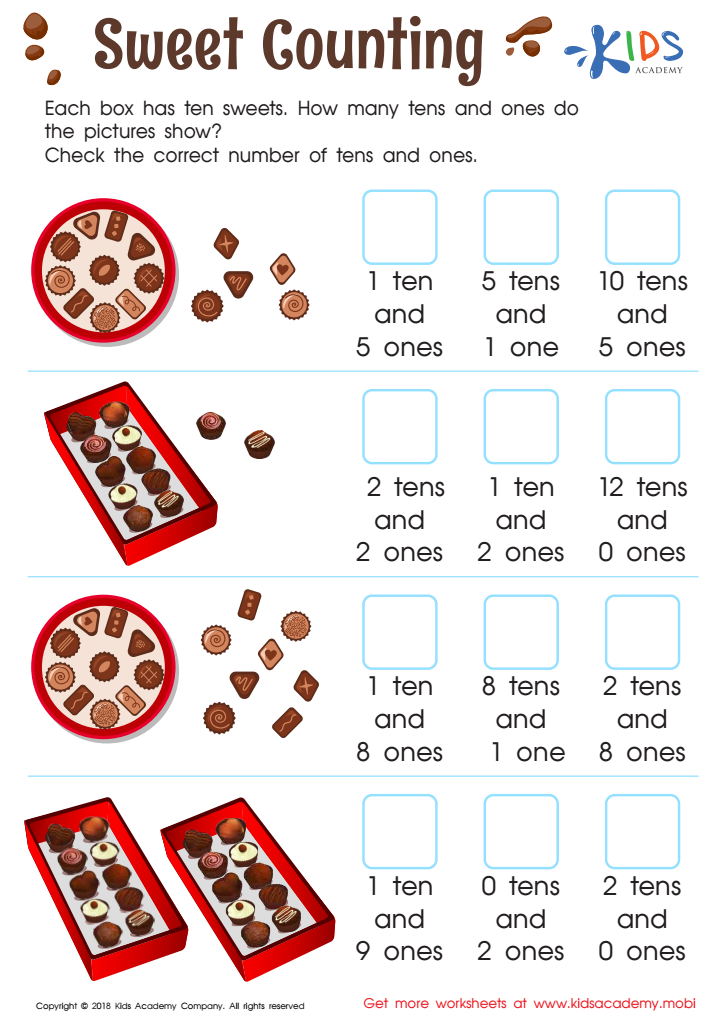
Sweet Counting - Part 2 Worksheet
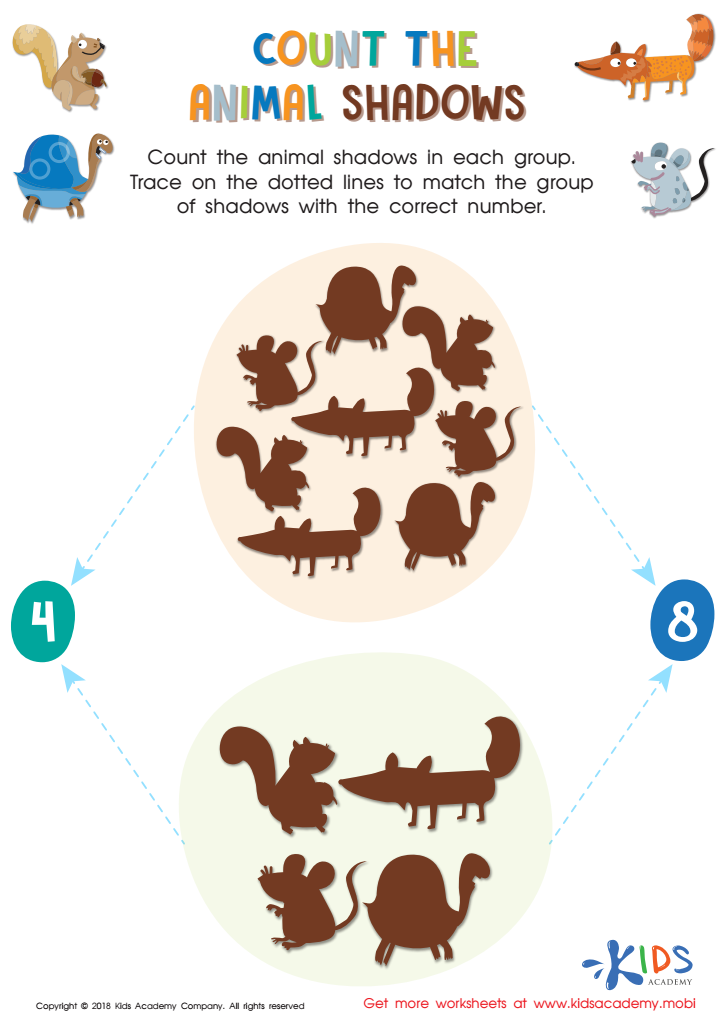
Count the Animal Shadows Worksheet
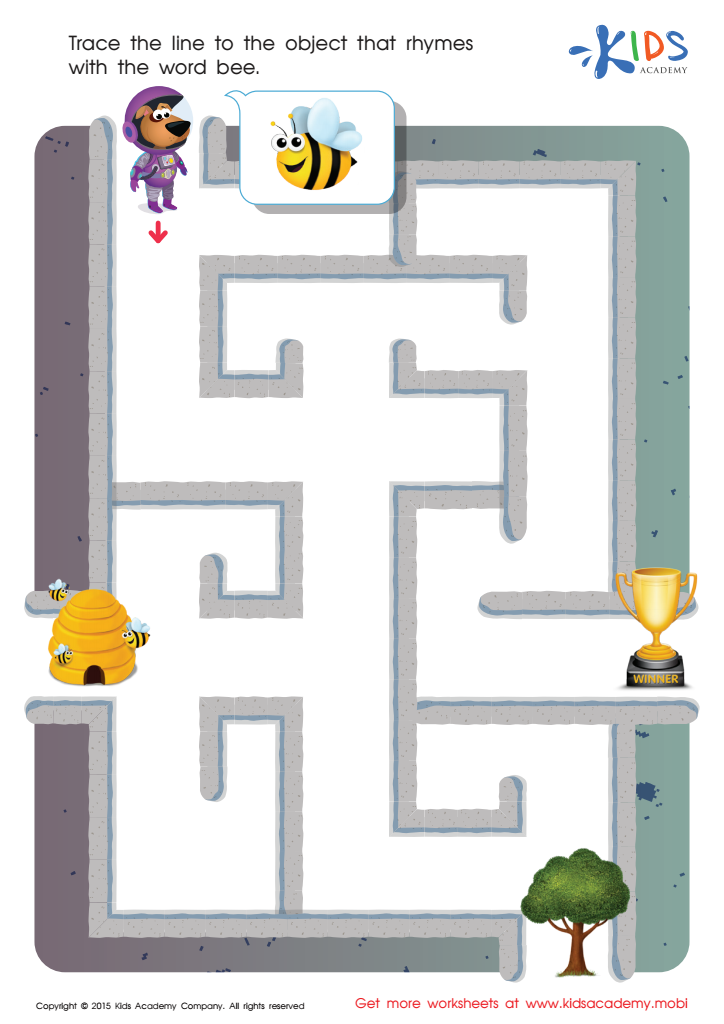
Bee Rhyming Words Worksheet

Count and Match Vegetables 1 – 5 Math Worksheet
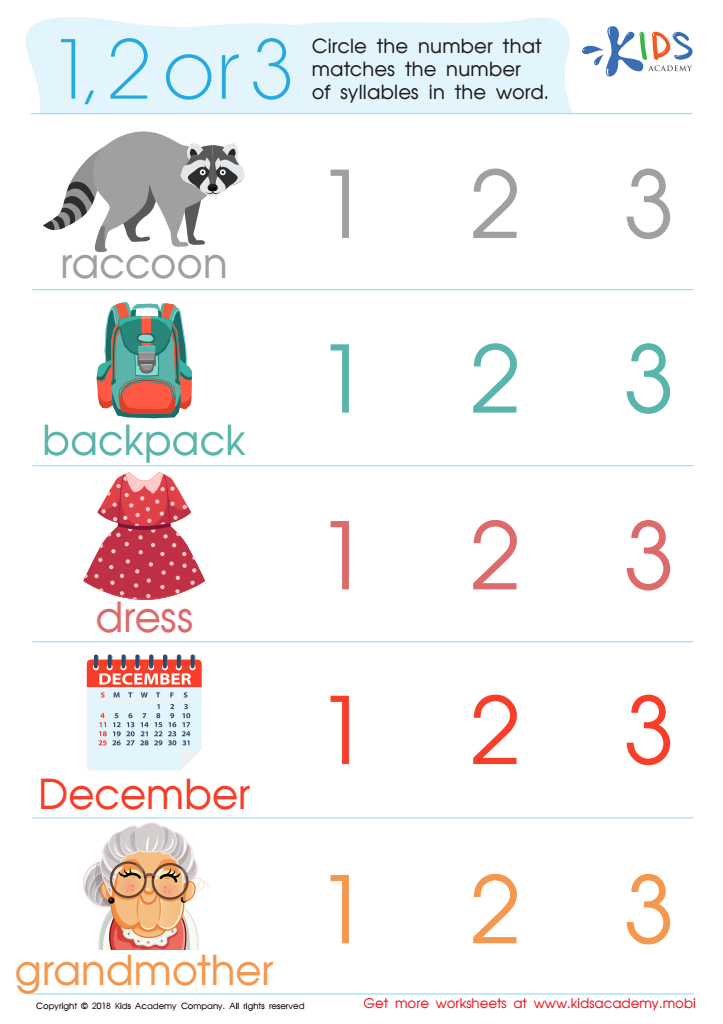
1, 2 or 3? Worksheet



.jpg)



Visual perception is an essential aspect of a child's overall development and learning experience. Parents and teachers should prioritize the normal development of visual perception because it directly impacts a child's ability to understand and interpret the world around them. This skill influences fundamental tasks such as reading, writing, hand-eye coordination, and spatial awareness.
When children develop normal visual perception, they can distinguish between different shapes, sizes, and colors, which is vital for recognizing letters, numbers, and patterns. This ability forms the foundation for academic success, particularly in subjects like reading and mathematics. Furthermore, visual perception supports critical everyday activities such as navigating through space, recognizing faces, and understanding visual cues, contributing to effective communication and social interactions.
Undiagnosed visual perception issues can lead to learning difficulties, frustration, and decreased self-esteem. Early detection and intervention are crucial; addressing these issues can prevent them from escalating. Simple activities, like puzzles, drawing, and games that involve matching and sorting, can enhance visual perception skills.
In summary, developing and supporting normal visual perception in children is critical for their cognitive development, academic performance, and social well-being. Engaged parents and proactive teachers can ensure that children thrive by facilitating opportunities for growth in this important area.








