Color recognition Normal Numbers Worksheets
4 filtered results
-
From - To
Discover our engaging Color Recognition Normal Numbers Worksheets designed to help young learners develop essential skills in number recognition and color identification. These worksheets combine vibrant colors with fun, interactive activities that enhance critical thinking and fine motor skills. Each worksheet encourages children to link numbers with corresponding colors, making learning an enjoyable experience. Perfect for preschool and early grade classrooms, these resources support early childhood education curriculums by fostering creativity and cognitive development. Download and print these worksheets today to give your students the tools they need to succeed in a colorful, numerically rich environment!
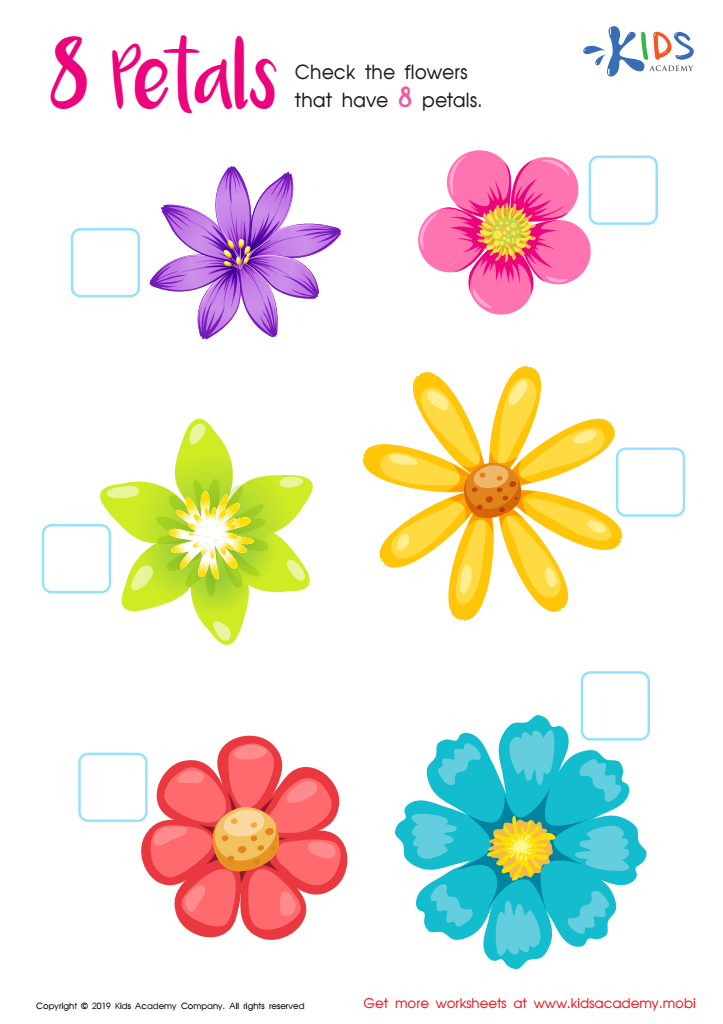
8 Petals Worksheet
 Assign to My Students
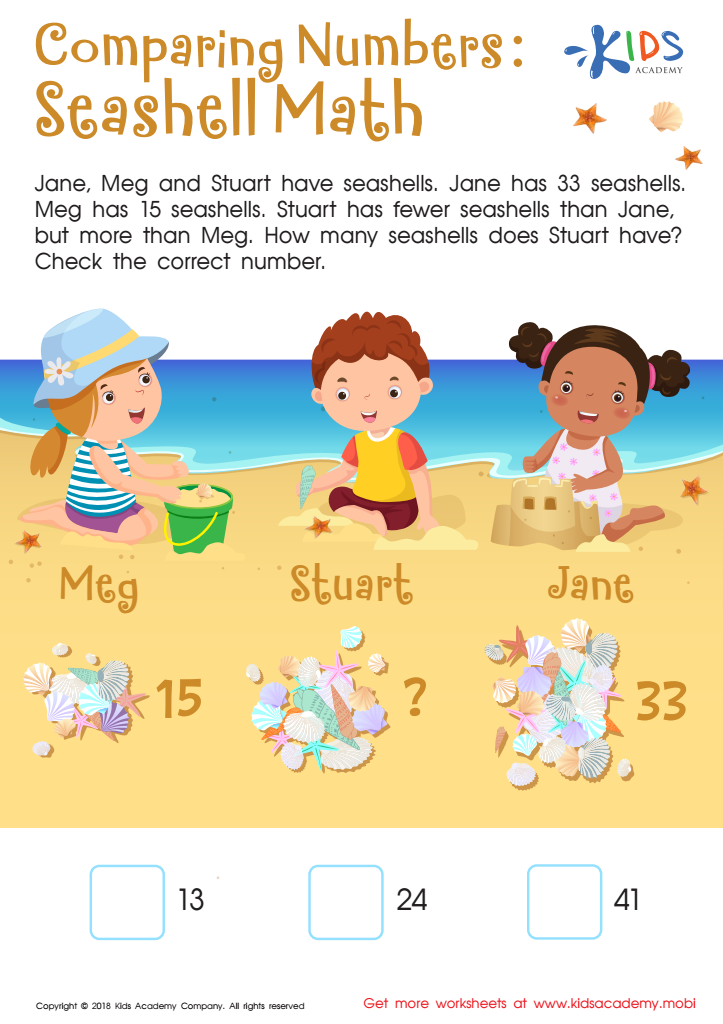
Seashell Collectors Worksheet
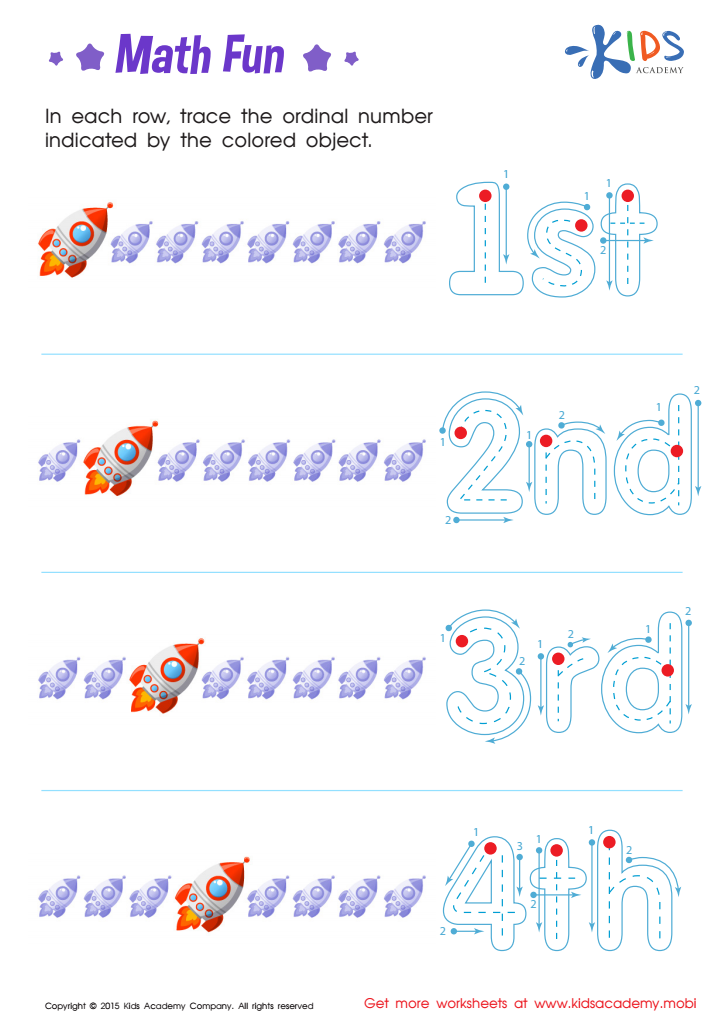
Ordinal Numbers: Math Fun Worksheet
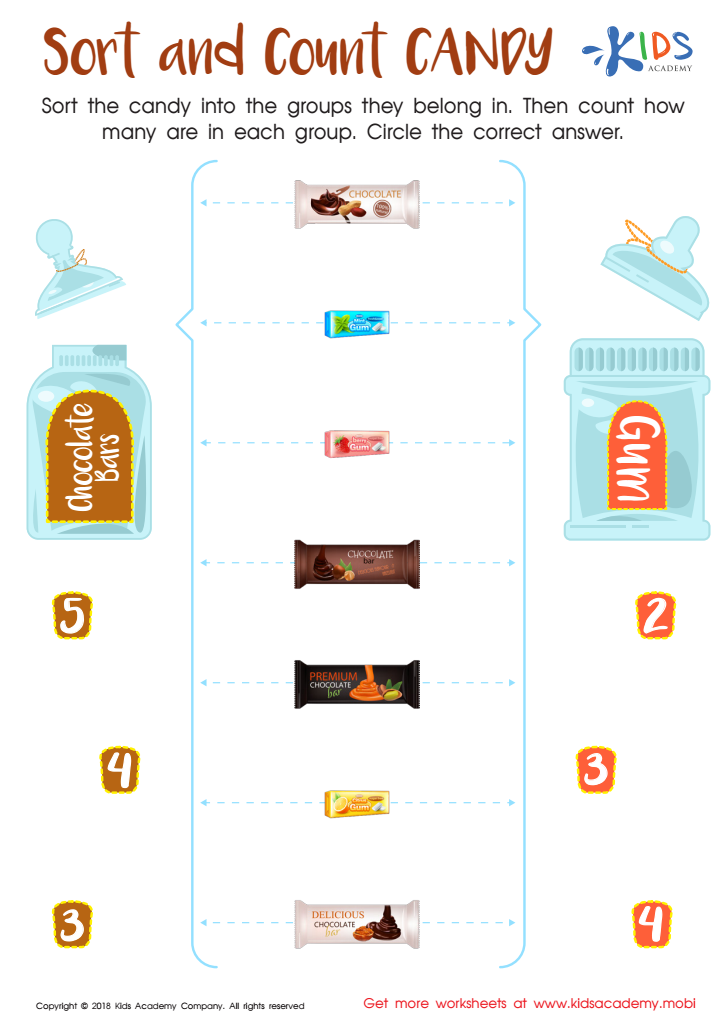
Sort and Count Candy Worksheet








Color recognition plays a vital role in early childhood education and cognitive development. For parents and teachers, nurturing a child’s ability to recognize and name colors can significantly enhance their overall learning experience. Understanding colors helps children in numerous ways, including improving language skills, fostering creativity, and aiding in memory development. When children learn to identify colors, they can better describe the world around them, which enhances their vocabulary and communication abilities.
Additionally, color recognition is often linked to safety and organization. Familiarity with color can help children follow rules, such as recognizing traffic lights or identifying items related to specific tasks or functions, which builds their independence and responsibility.
Moreover, combining color recognition with normal numbers creates a foundation for more complex subjects like math and science. Children learn to associate numbers with colored items, making activities like counting more engaging and accessible. This multisensory approach not only makes learning fun but also helps reinforce concepts in various areas.
Ultimately, fostering color recognition lays the groundwork for critical thinking, problem-solving, and creativity, which are essential skills for lifelong learning. By prioritizing this developmental milestone, parents and teachers can help children build confidence and competence in approaching new challenges.








