Counting skills Normal Numbers Worksheets - Page 2
67 filtered results
-
From - To
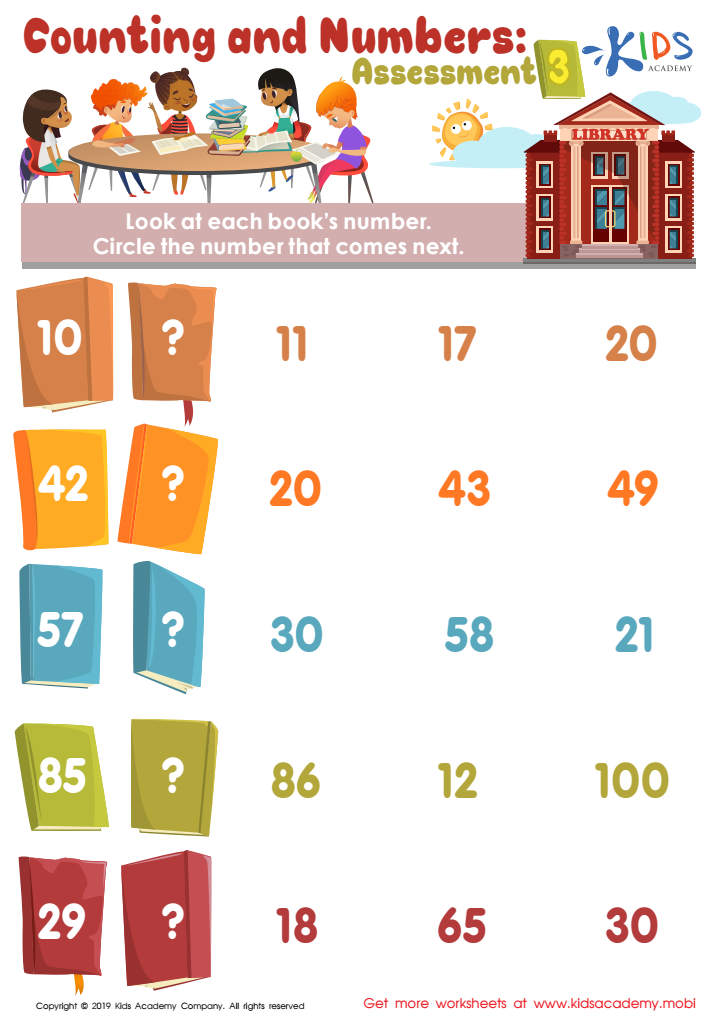
Counting and Numbers: Assessment Worksheet
 Assign to My Students
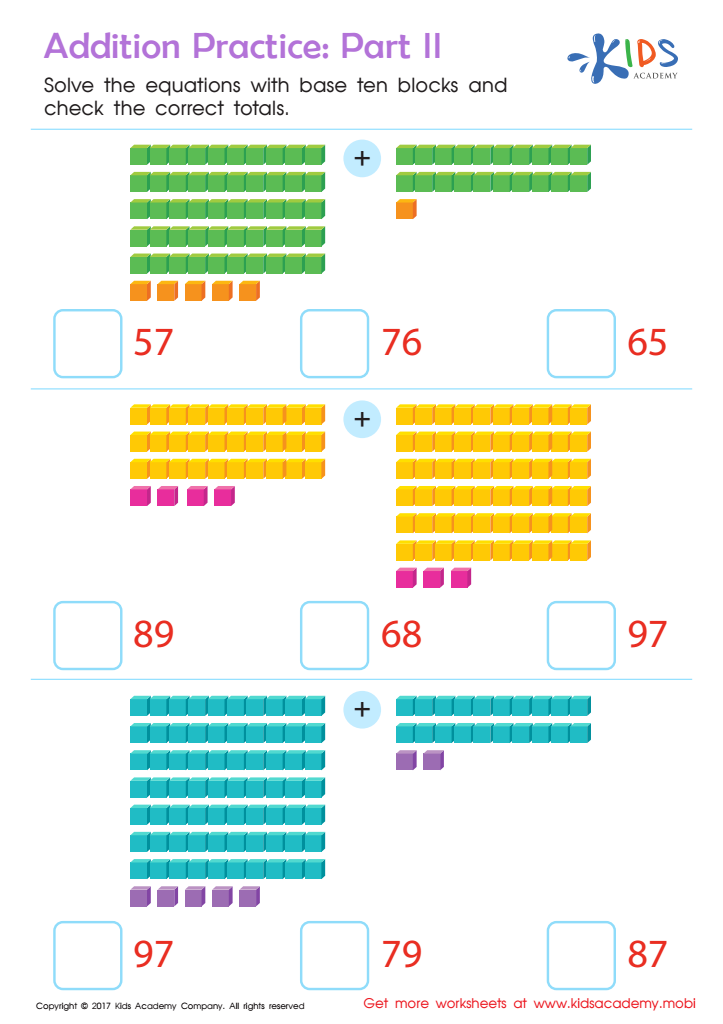
Addition Practice Sheet: Part 2
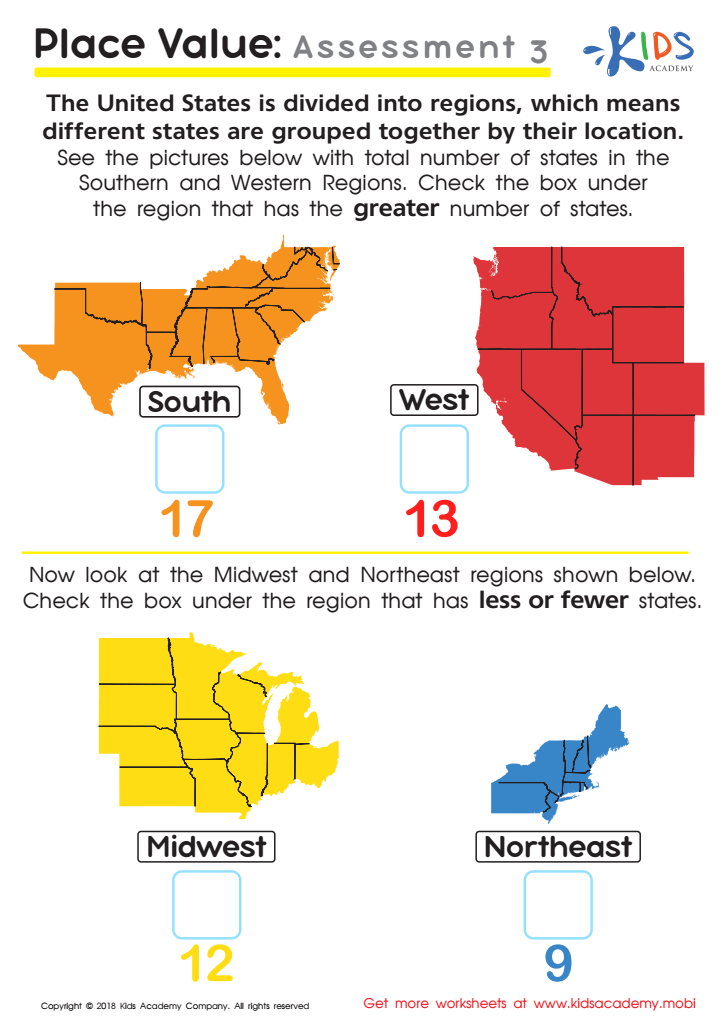
Place Value: Assessment 3 Worksheet
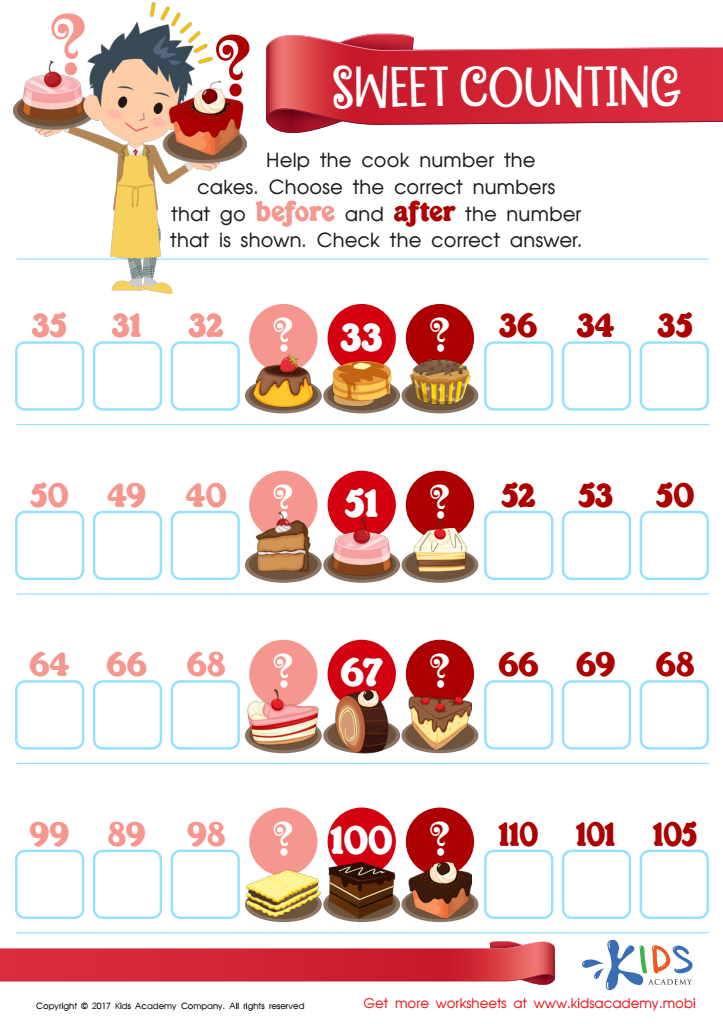
Sweet Counting - Part 1 Worksheet
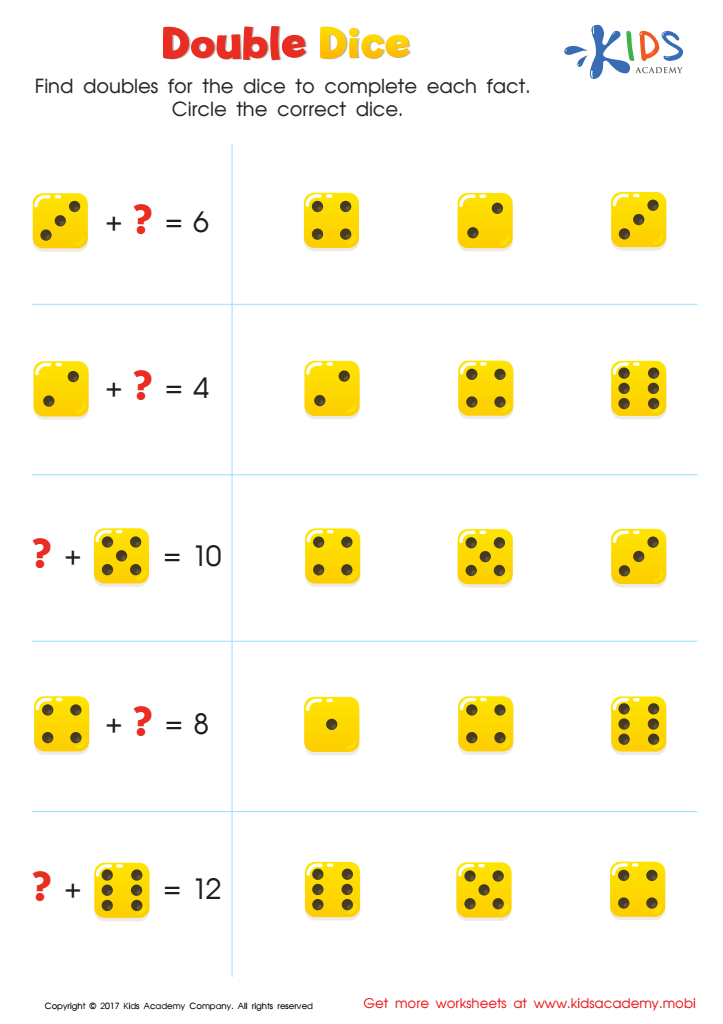
Addition Facts: Double Dice Worksheet
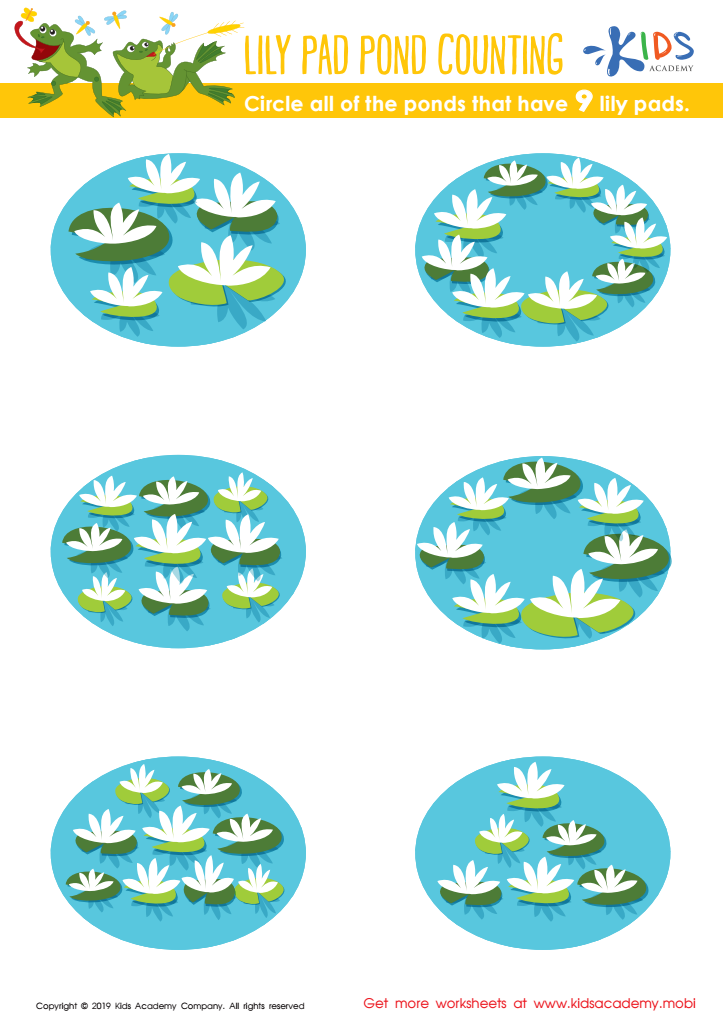
Lily Pad Pond Counting Worksheet
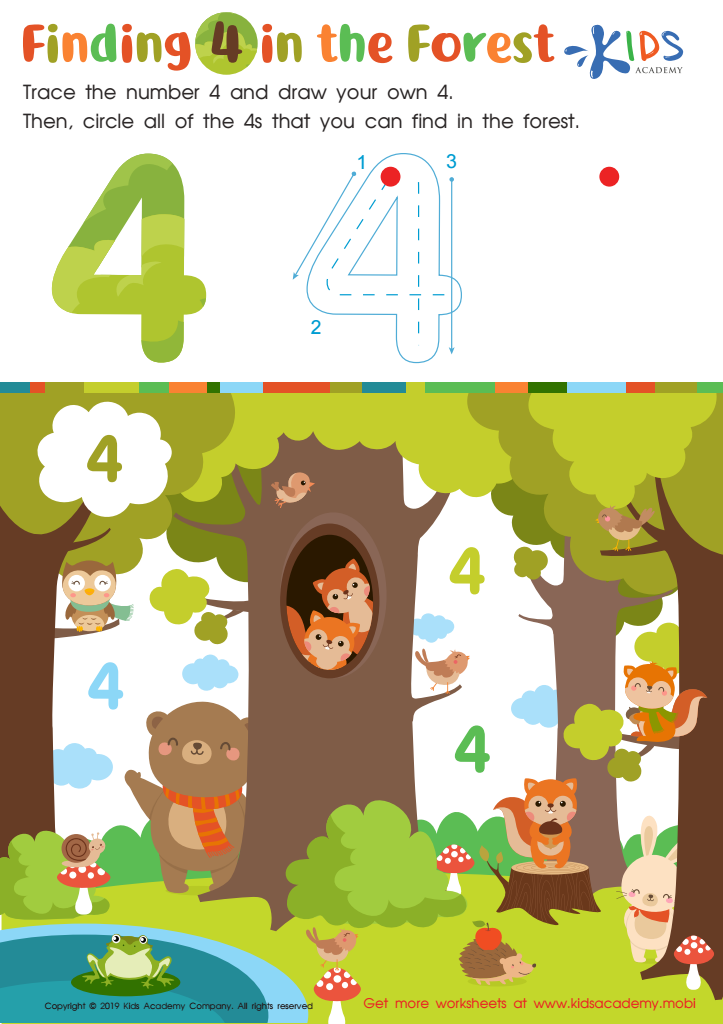
Finding 4 in the Forest Worksheet
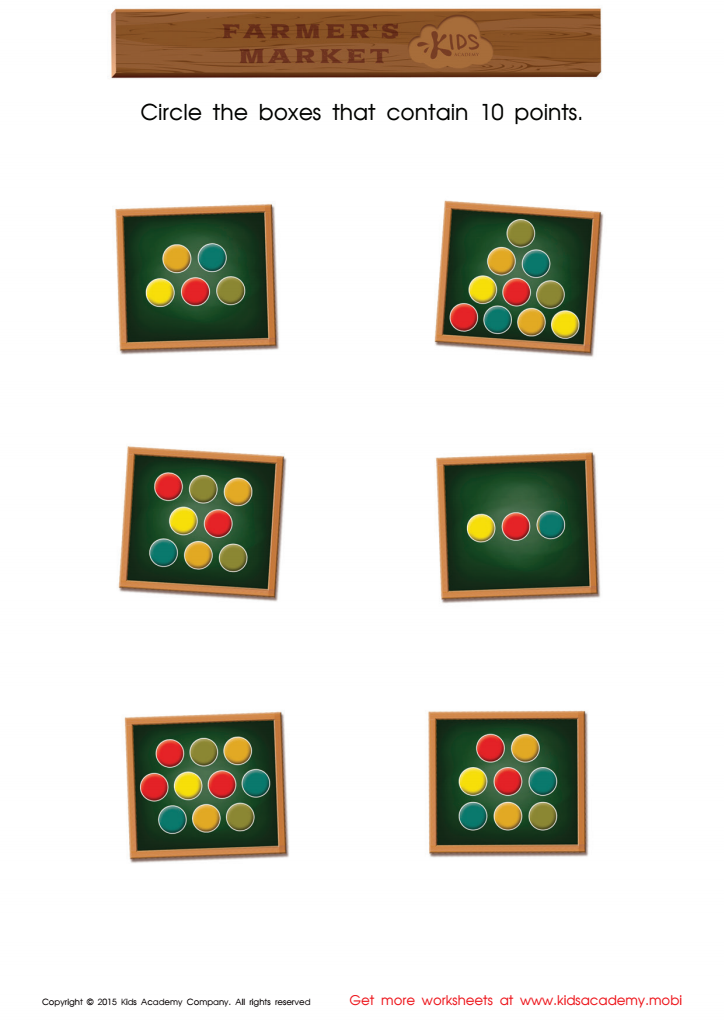
Count and Match Points 10 Math Worksheet
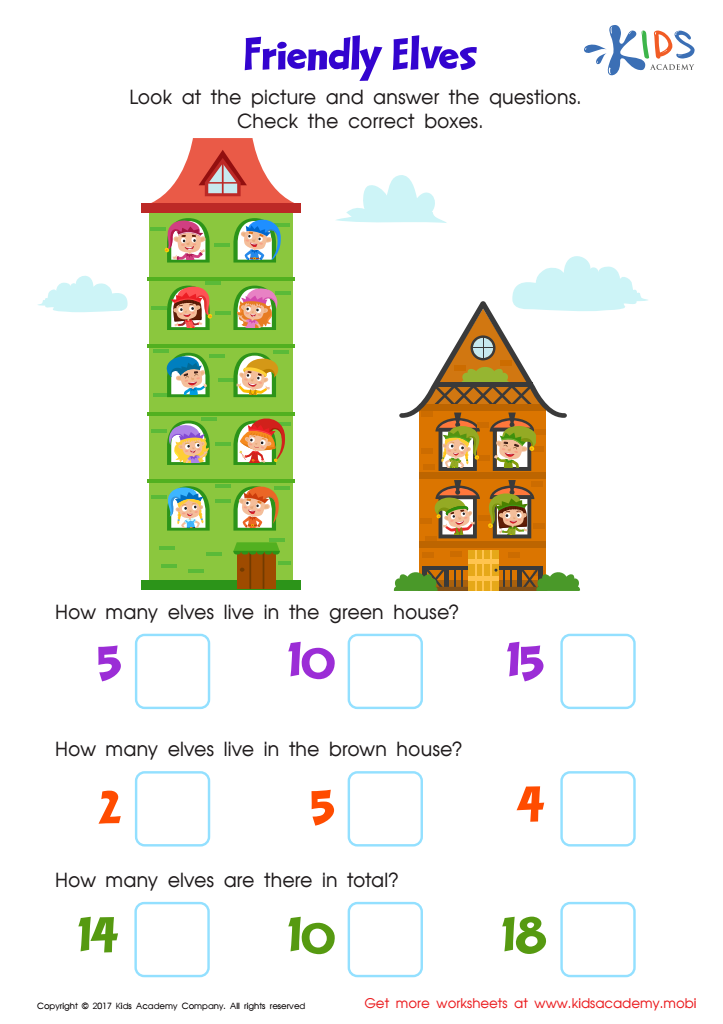
Place Value: Friendly Elves Worksheet
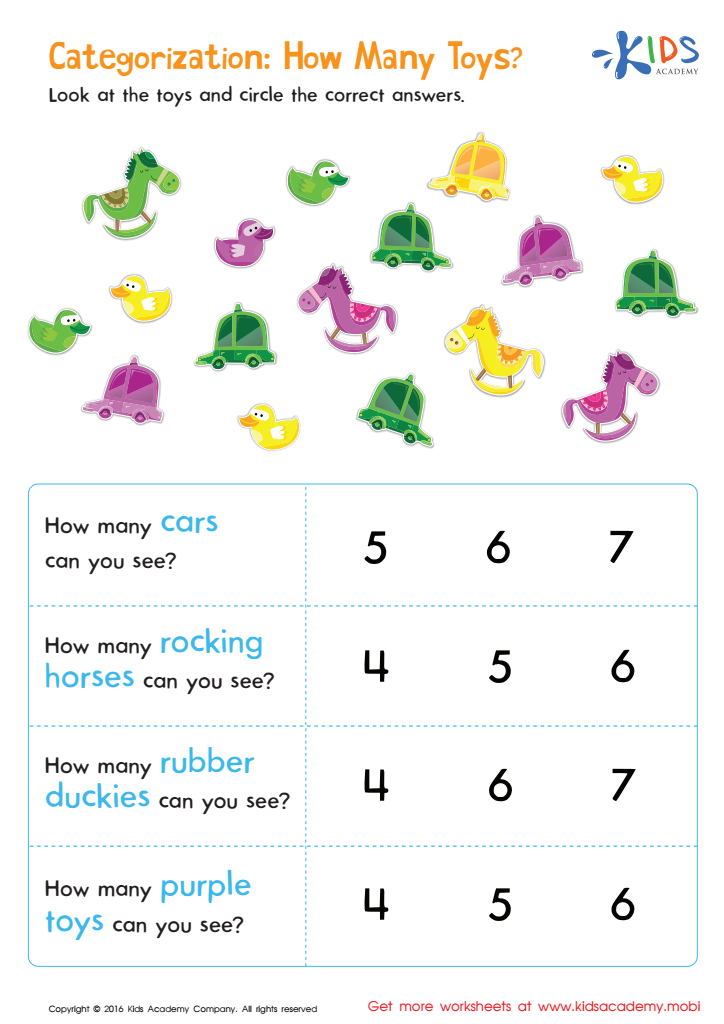
Classifying Toys by Type and Color Sorting Worksheet
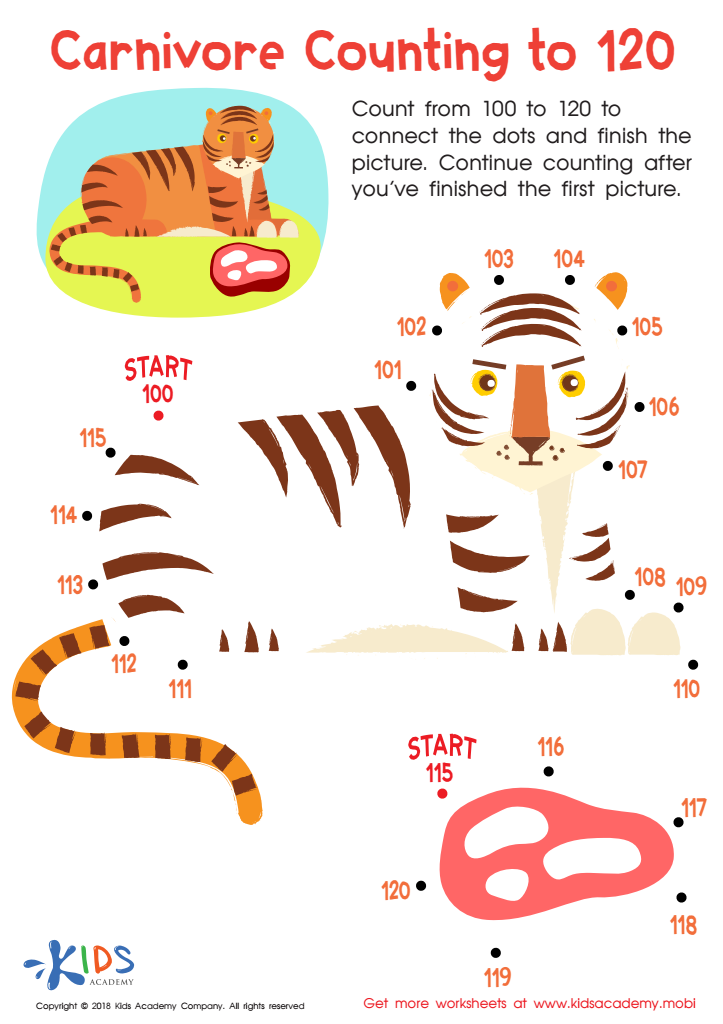
Carnivore Counting to 120 Worksheet
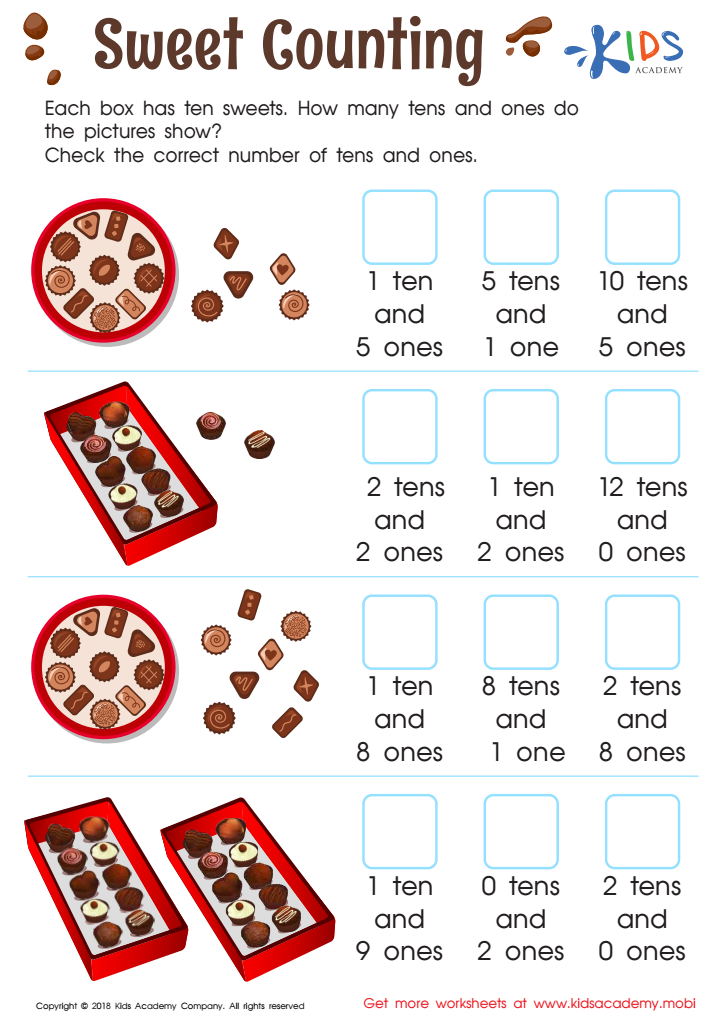
Sweet Counting - Part 2 Worksheet
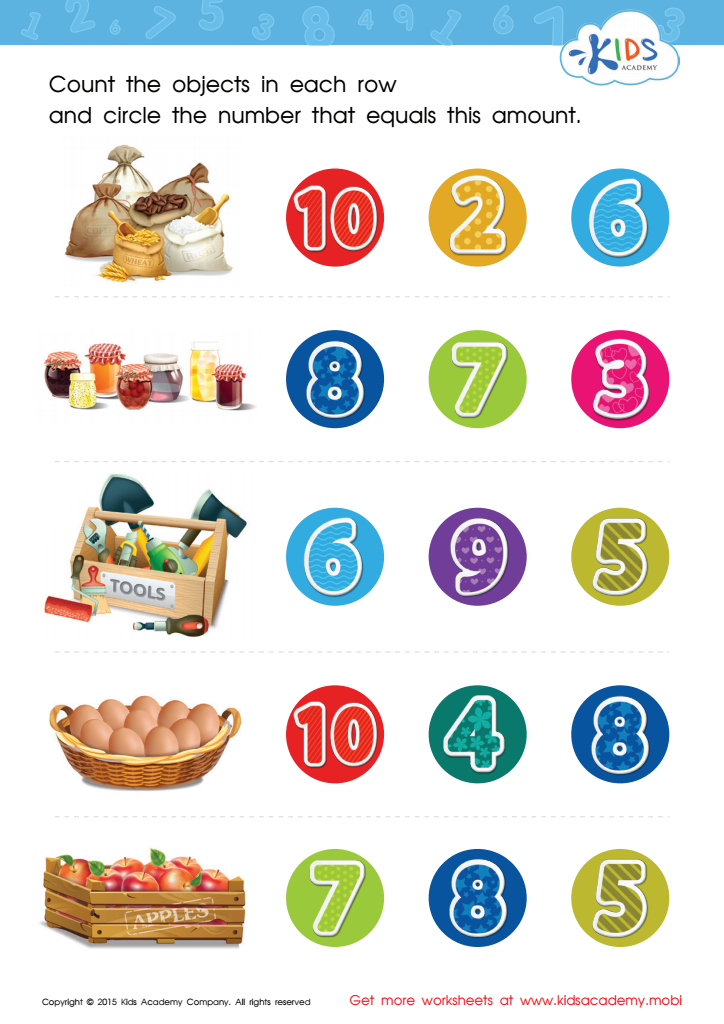
Count and Match 6 – 10 Math Worksheet
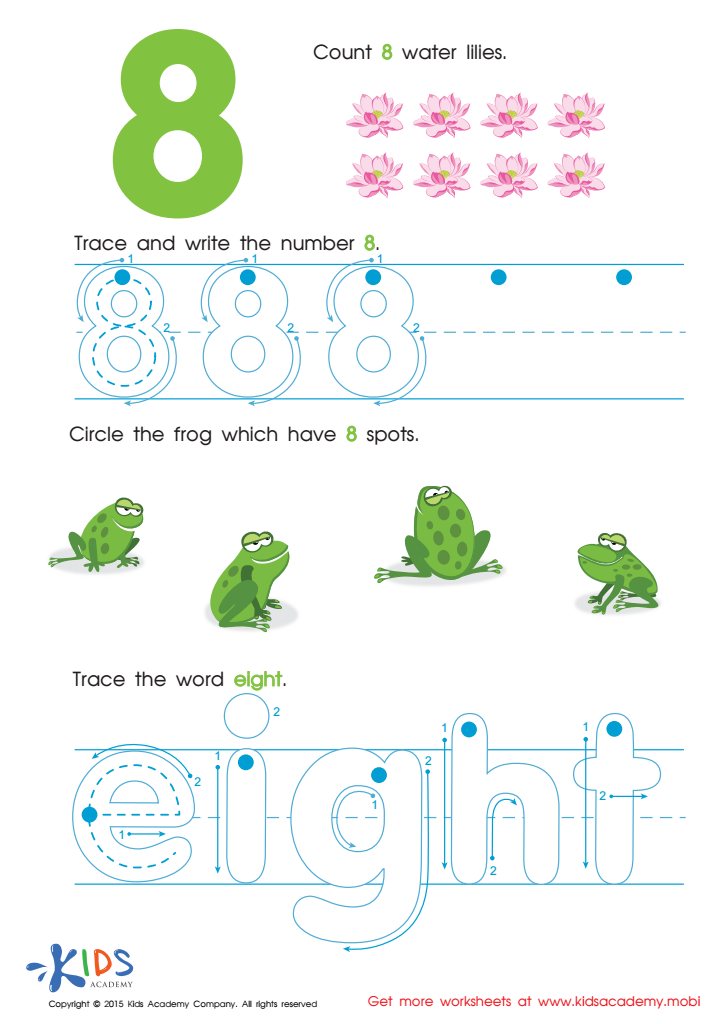
Learn Number 8 Easily Worksheet
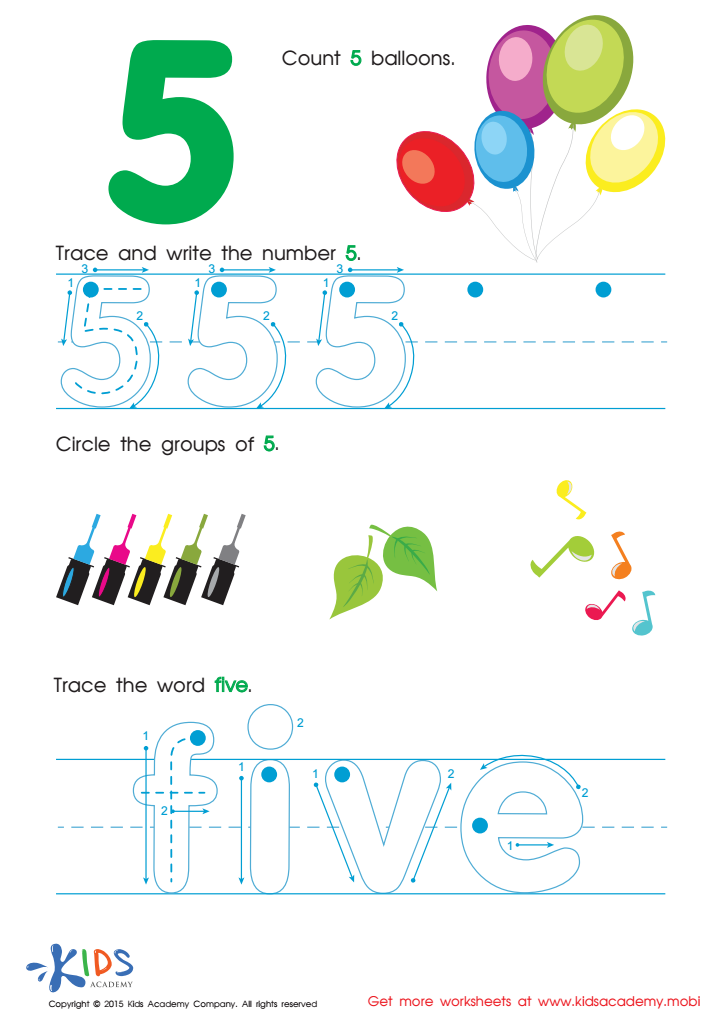
Practice Writing Number 5 Worksheet
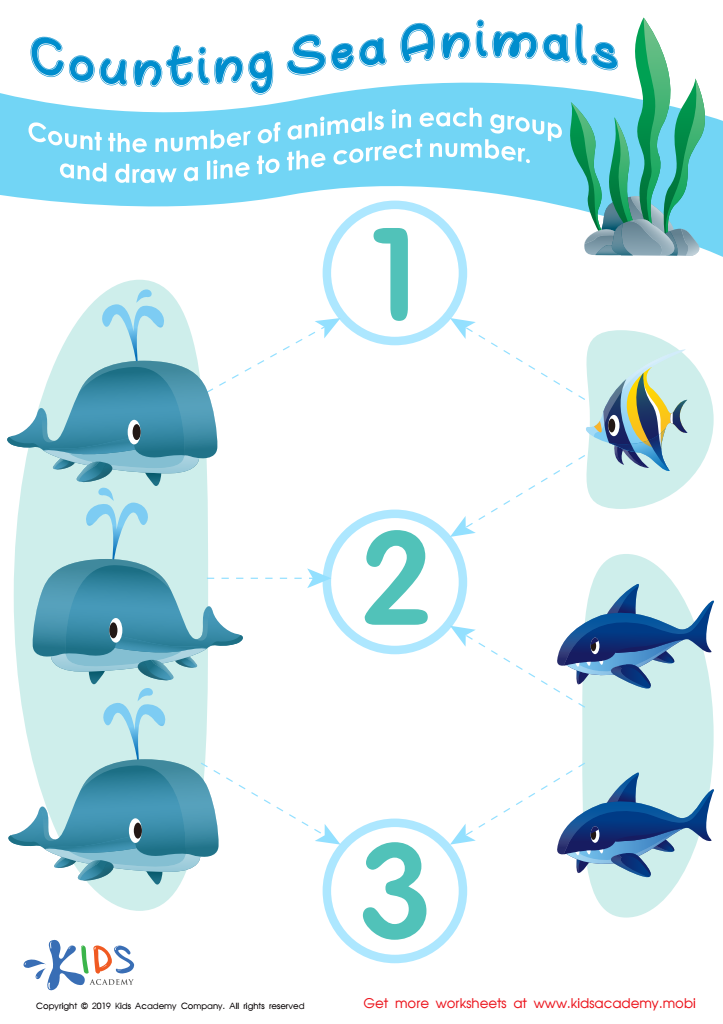
Counting Sea Animals Worksheet
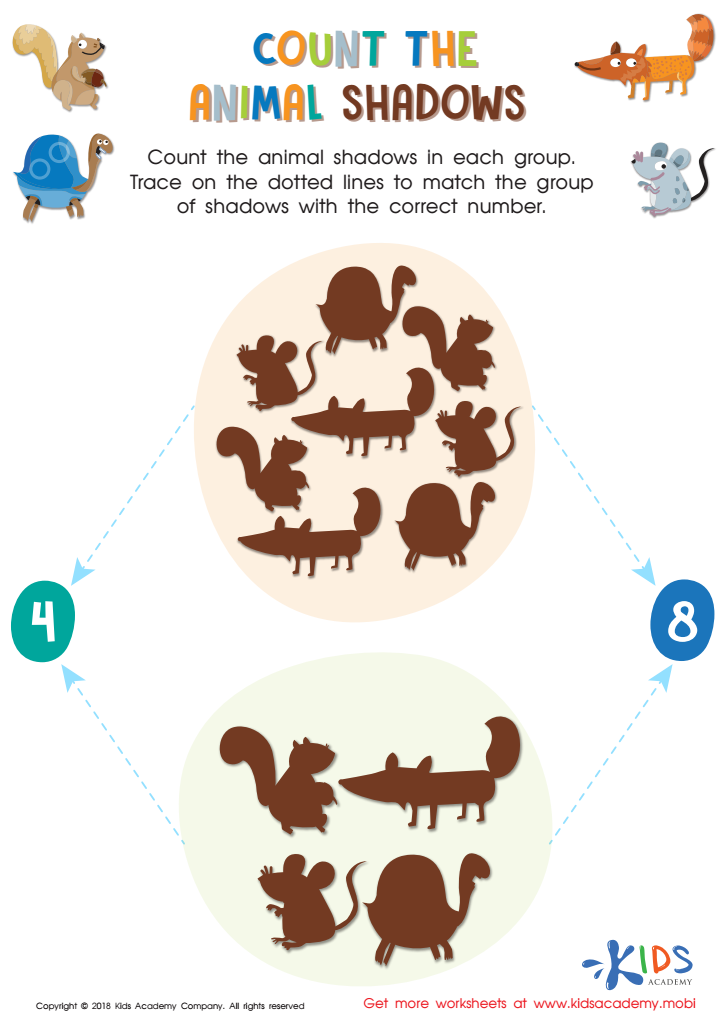
Count the Animal Shadows Worksheet
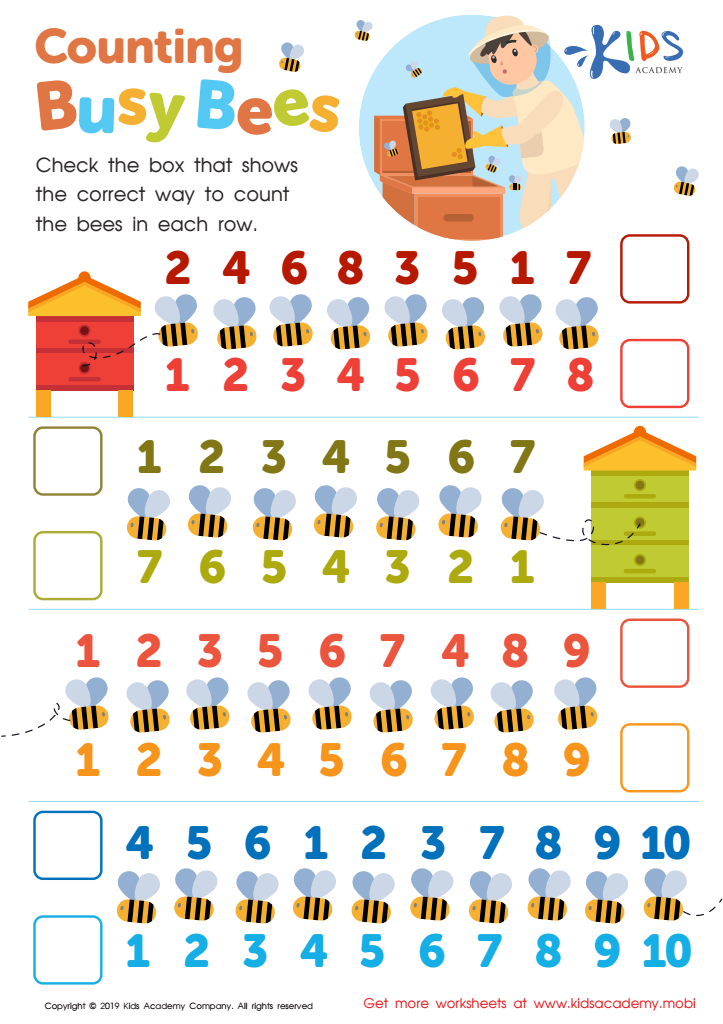
Counting Busy Bees Worksheet
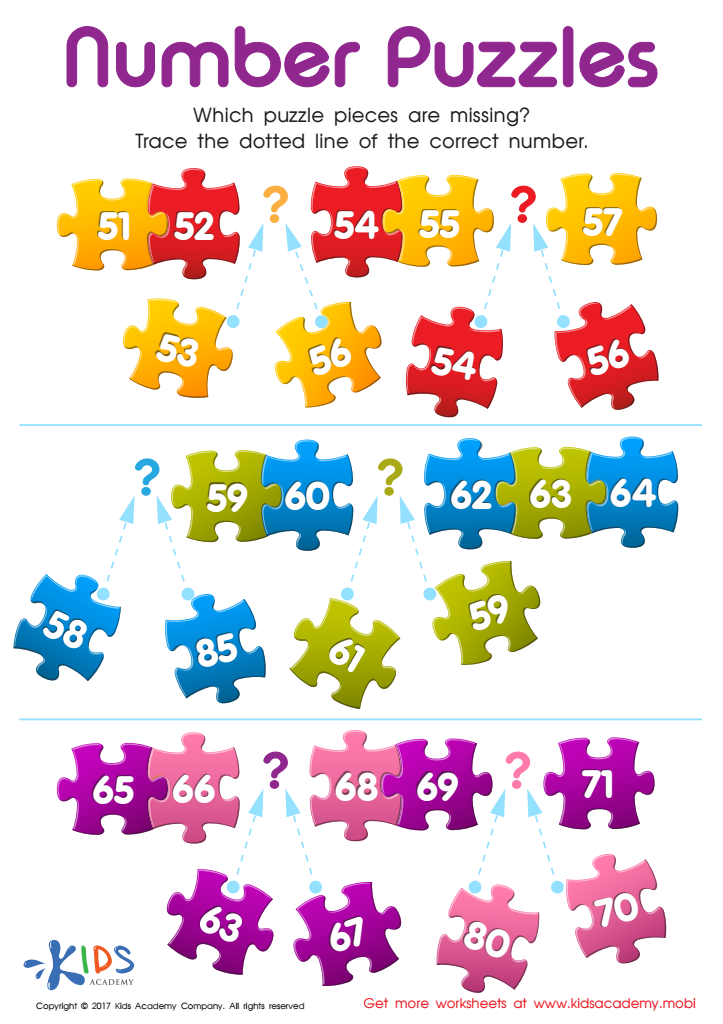
Number Puzzles Worksheet
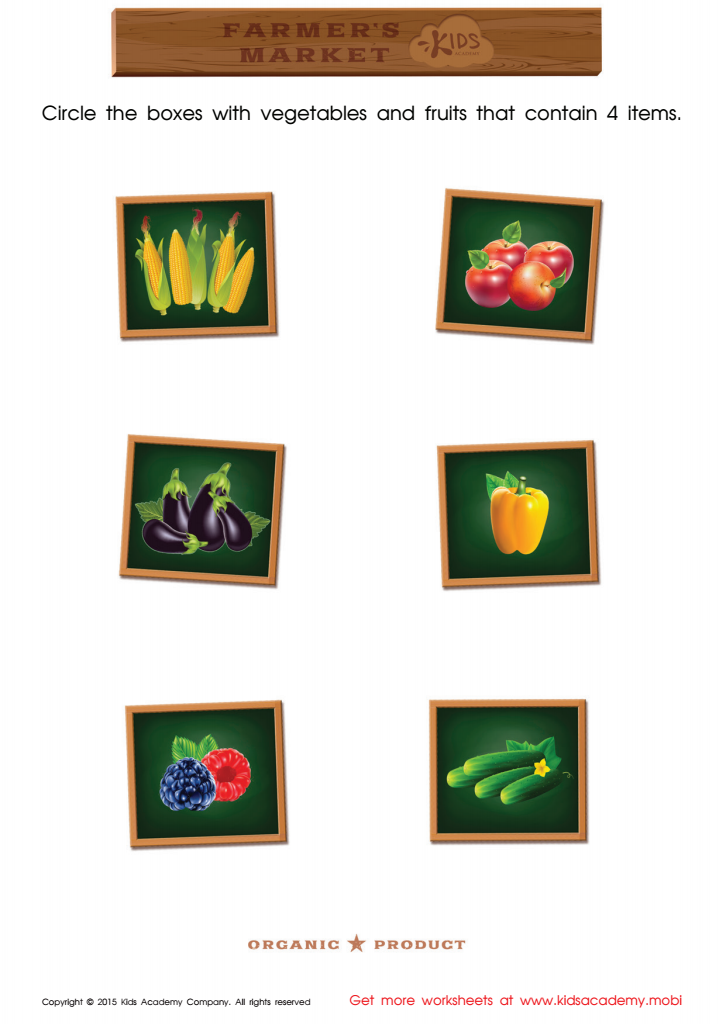
Count and Match Vegetables 2 – 8 Math Worksheet
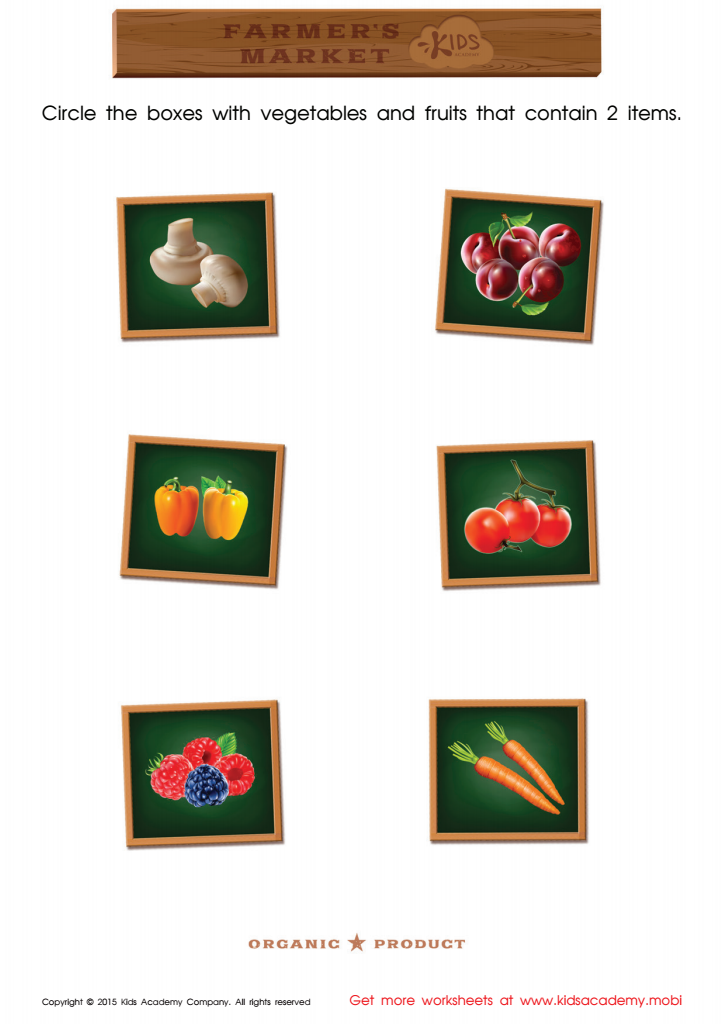
Count and Match Vegetables and Points Math Worksheet
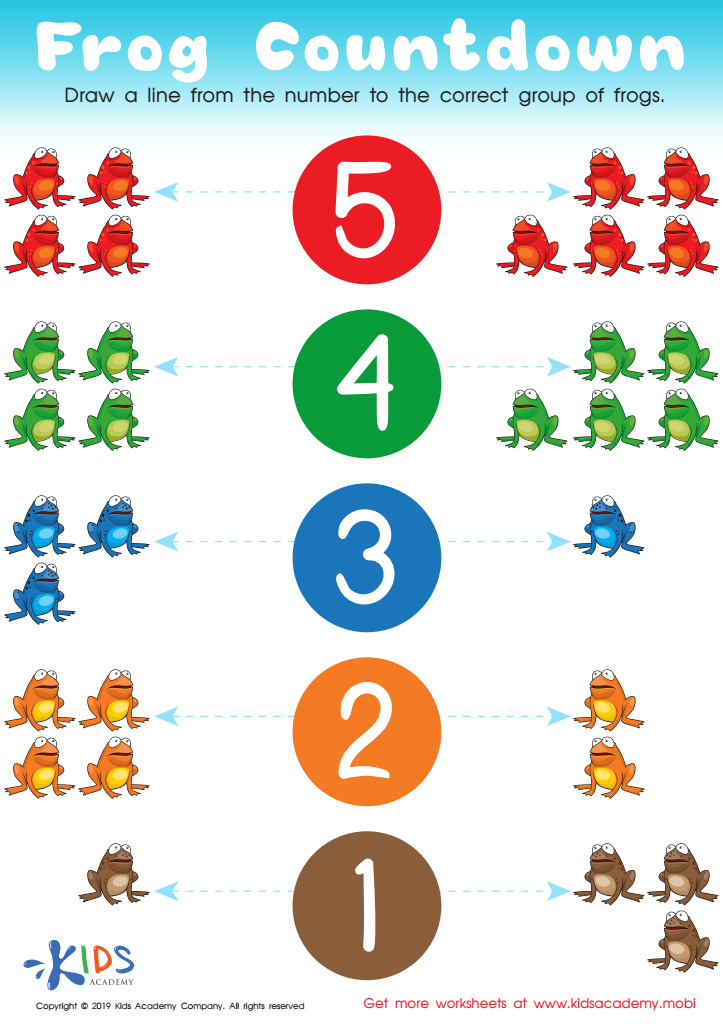
Frog Countdown Worksheet
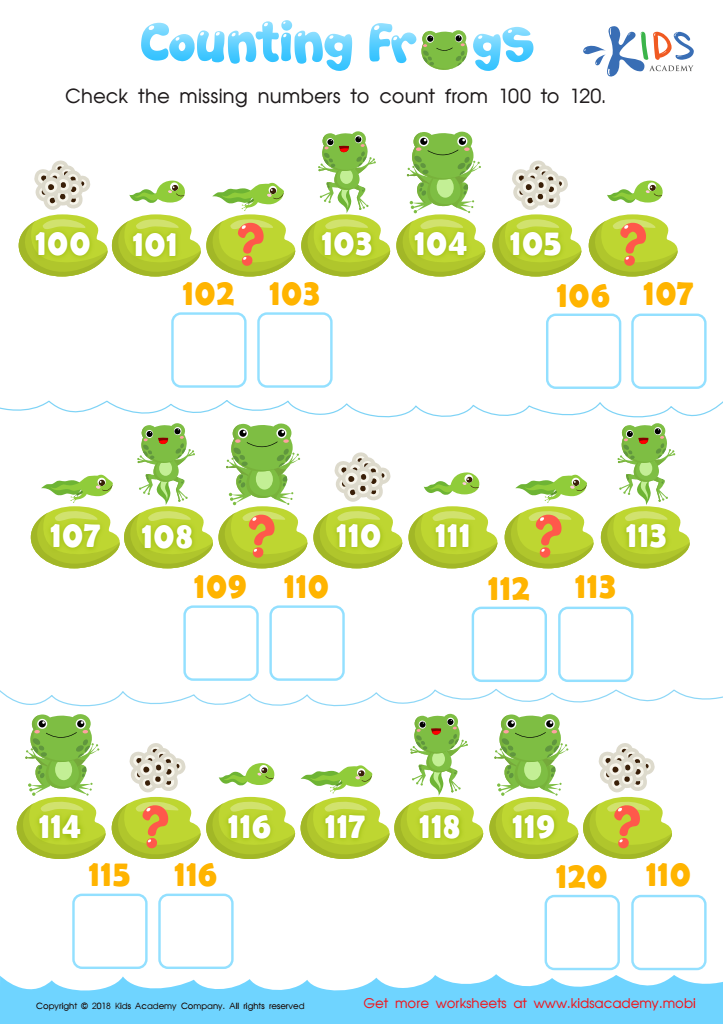
Counting Frogs Worksheet
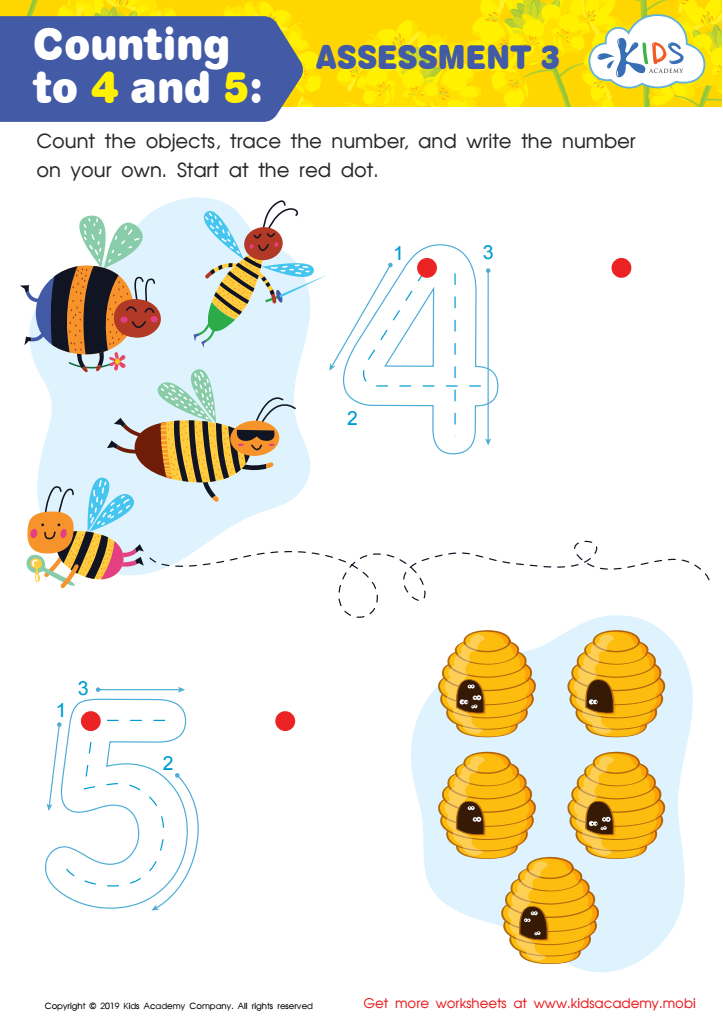
Counting to 4 and 5: Assessment 3 Worksheet








Counting skills are fundamental building blocks in a child's mathematical development, making them essential for both parents and teachers to prioritize. When children learn to count, they are not just reciting numbers; they are developing a deep understanding of numerical relationships, order, and quantity. Mastery of basic counting skills supports emotional well-being by fostering a sense of achievement and self-confidence in young learners.
Effective counting skills form the basis for more advanced mathematical concepts, such as addition, subtraction, multiplication, and division. Without a strong counting foundation, children may struggle with higher-level math, which can impact their academic performance across subjects that require analytical thinking.
Additionally, counting skills have practical applications in daily life. From understanding money and telling time to measuring ingredients in a recipe, numerical competence is crucial for everyday tasks. By ensuring that children develop robust counting abilities, parents and teachers make essential contributions to their future success in school and beyond.
Building these skills early also promotes critical thinking and problem-solving abilities. Encouragement and practice in engaging, playful ways — like counting games or everyday life situations — can impart these valuable skills effectively. Counting is more than numbers; it is an essential life skill that paves the way for lifelong learning and competency.








