Associative learning Normal Math Worksheets
3 filtered results
-
From - To
Discover our collection of Associative Learning Normal Math Worksheets designed to enhance your child's understanding of math concepts through interactive and engaging activities. These thoughtfully crafted worksheets focus on helping young learners grasp important skills such as addition and subtraction by applying the associative property. With clear instructions and vibrant visuals, kids can easily relate and connect different math problems, making learning fun and effective. Perfect for home or classroom use, our worksheets cater to various learning styles and provide essential practice to build a strong mathematical foundation. Transform math learning into an enjoyable experience with our user-friendly worksheets today!
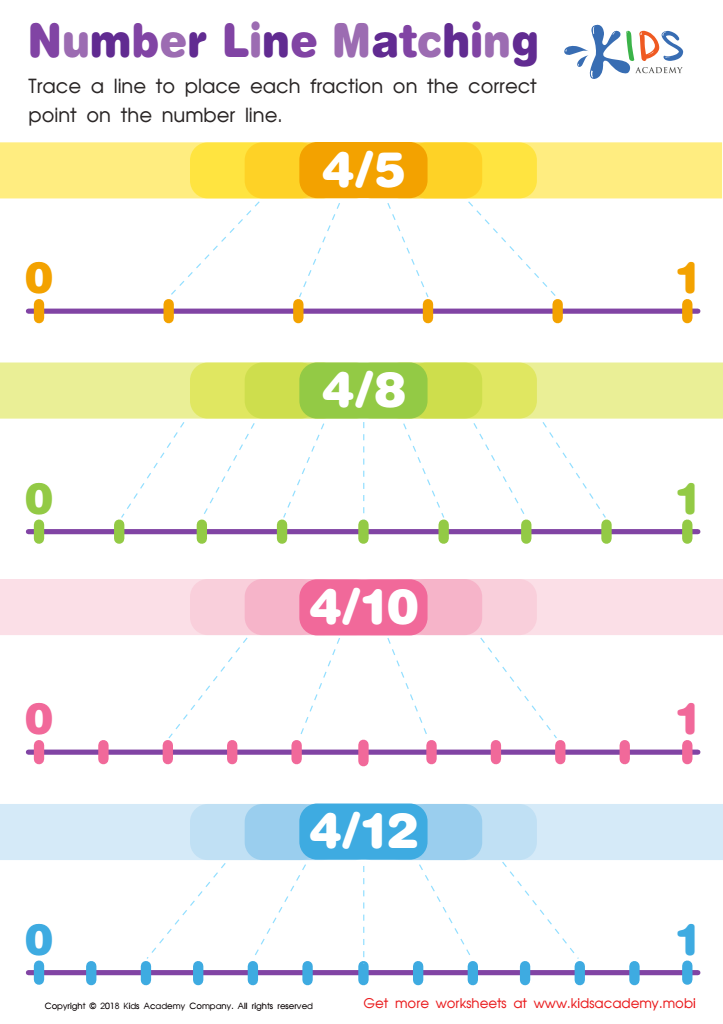
Number Line Matching Worksheet
 Assign to My Students
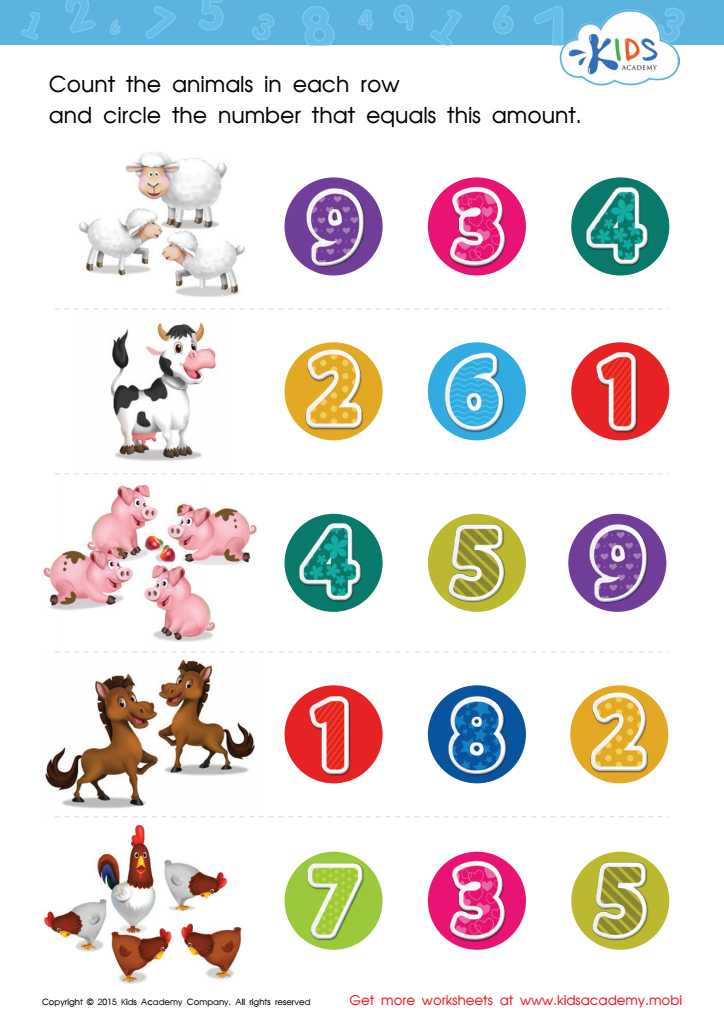
Count and Match 1 – 5 Math Worksheet
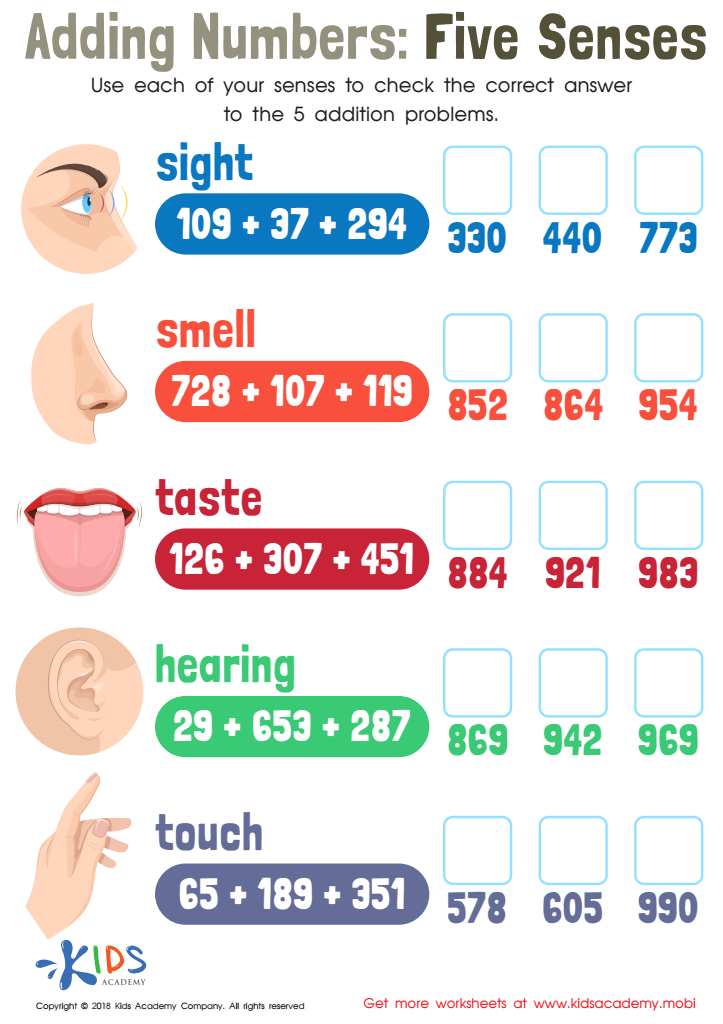
Adding Numbers: Five Senses Worksheet








Associative learning in mathematics is crucial for young learners as it lays the foundation for more complex concepts. This process involves connecting new information with existing knowledge, which is essential for comprehension and retention. When parents and teachers prioritize associative learning in normal math, they create a supportive environment that enhances problem-solving skills and critical thinking.
Associative learning encourages children to make connections between numbers, patterns, and operations. For example, recognizing that 7 + 3 equals 10 can help children solve 70 + 30 more easily by retaining that basic relationship. This not only simplifies their understanding of addition but also builds their overall confidence in using mathematical concepts.
Furthermore, fostering associative learning can lead to positive attitudes toward math. When children see relevancy in what they are learning and can apply it in real-life scenarios, their engagement and motivation increase. Parents and teachers should care about this approach as it supports a lifelong love for learning and develops essential skills that extend beyond the classroom. Overall, focusing on associative learning in mathematics helps children grasp foundational concepts, encouraging perseverance in facing academic challenges and preparing them for future success in more advanced topics.








