Cognitive Development Normal Math Worksheets - Page 2
27 filtered results
-
From - To
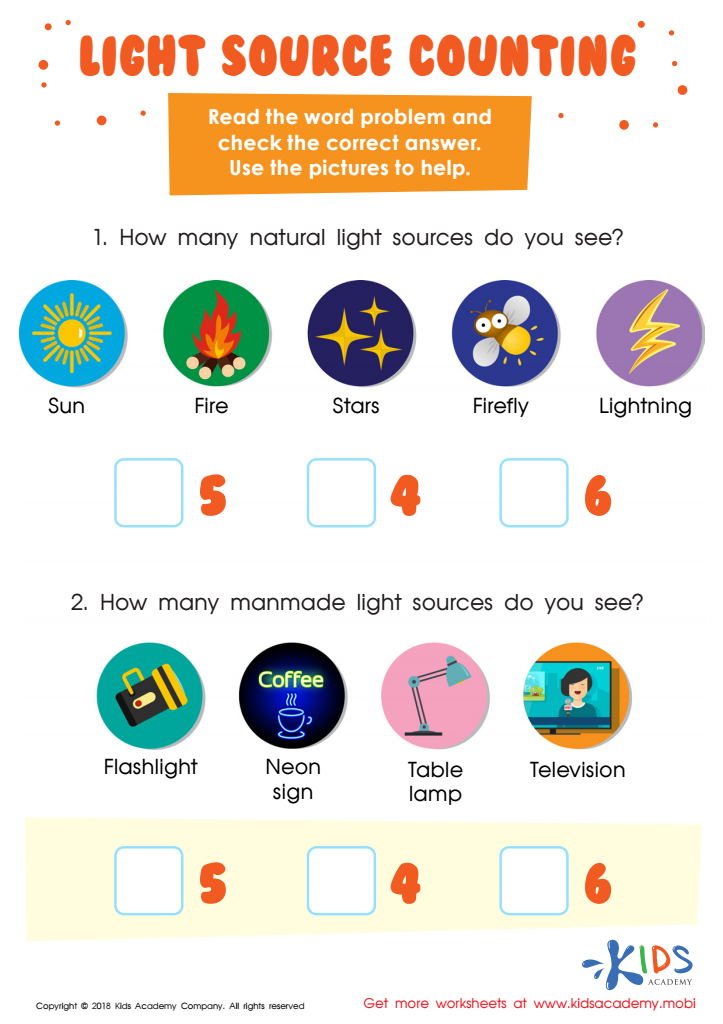
Light Source Counting Worksheet
 Assign to My Students
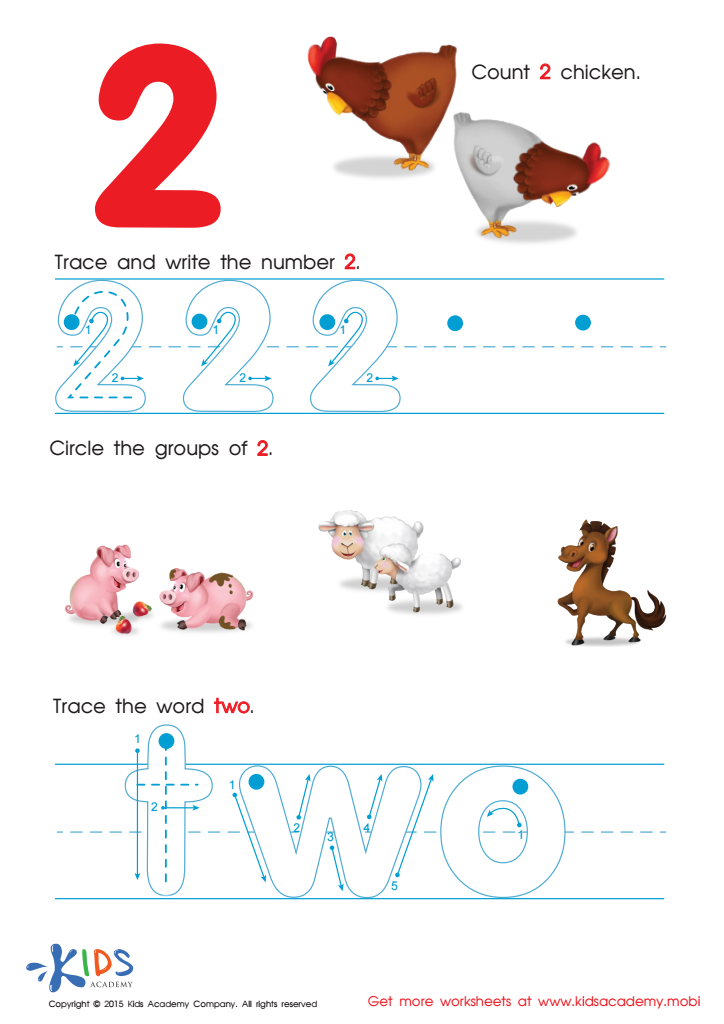
Learn to Write the Number 2 Worksheet
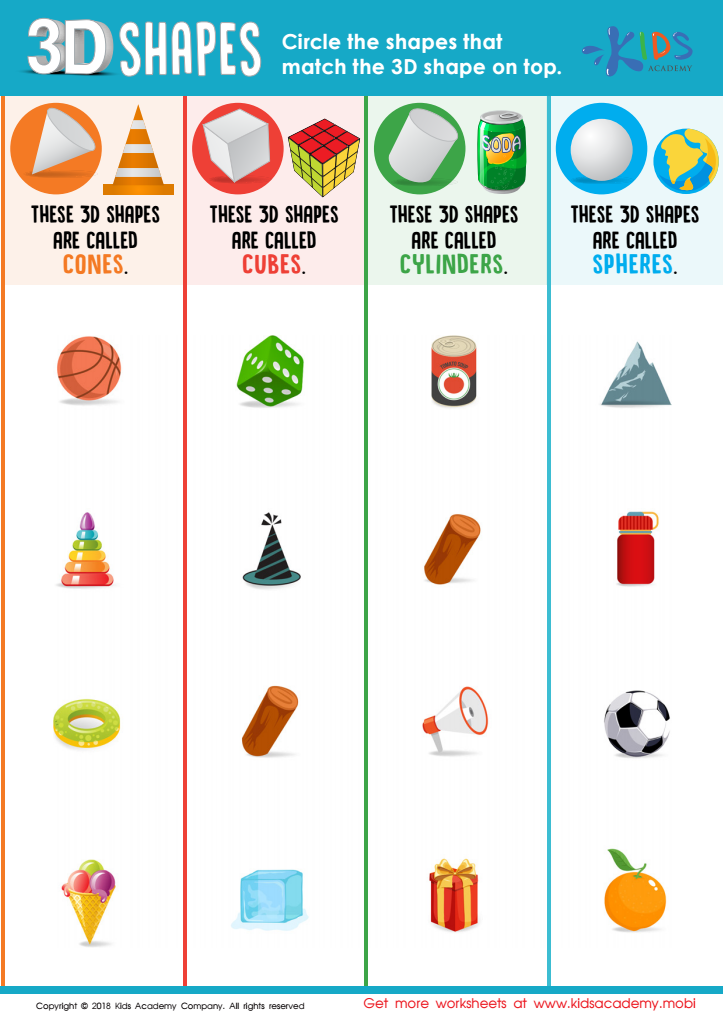
3D Shapes Worksheet







Cognitive development in early childhood lays the foundation for a child's future learning and academic success, particularly in subjects such as mathematics. Parents and teachers should care about this development because it impacts critical thinking, problem-solving skills, and the ability to grasp complex concepts later in life. Normal cognitive development in math enables children to understand patterns, recognize numbers, and make connections—all vital for everyday tasks and advanced learning.
Additionally, early mathematics education fosters confidence and a positive attitude towards learning. If cognitive development is nurtured, children can engage with math in a fun and effective way, reducing anxiety around numbers and promoting enthusiasm for the subject. Recognizing that not all children develop at the same pace is crucial; tailored support can help those who struggle while challenging those who excel.
Parents play a key role in this process by providing enriching experiences and encouragement. Teachers, on the other hand, must create an engaging classroom environment that meets diverse learning needs, incorporating tools and strategies to foster cognitive growth in math. Ultimately, an emphasis on cognitive development ensures that every child has the opportunity to thrive academically, cultivate essential life skills, and develop a love for learning.








