Interpreting data Normal Math Worksheets
3 filtered results
-
From - To
Dive into the world of interpreting data with our Normal Math Worksheets, designed for young learners' success. These engaging, printable worksheets help children develop essential data analysis skills through captivating visual aids and fun exercises. Students will learn to read graphs, charts, and tables, deducing insightful conclusions with ease. Ideal for early grade levels, our resources foster a love of math while ensuring foundational skills are thoroughly understood. Each worksheet is crafted to enhance critical thinking, make learning enjoyable, and reinforce classroom teachings. Discover our comprehensive range of Normal Math Worksheets, tailored to cultivate analytical capabilities in every young mathematician.
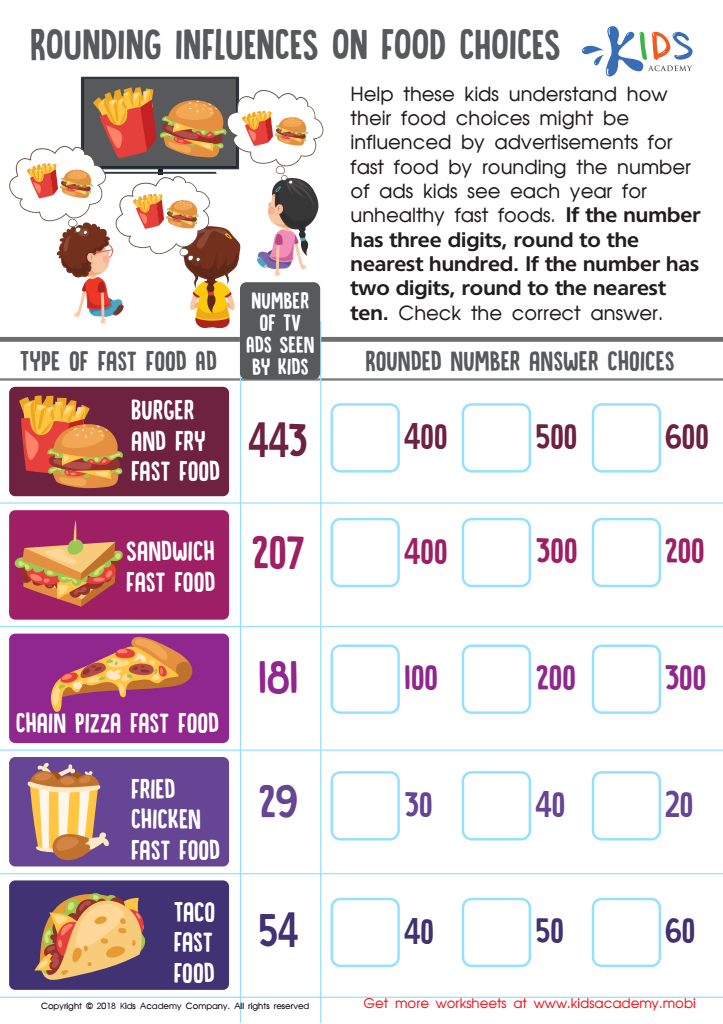
Rounding Influences Food Choices Worksheet
 Assign to My Students
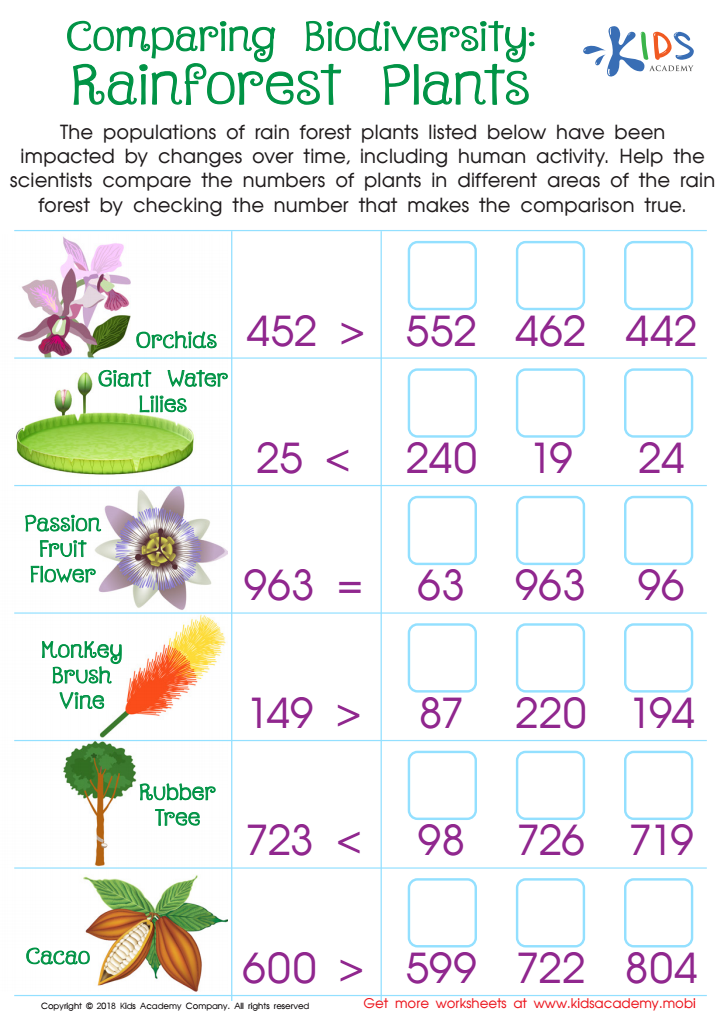
Comparing Biodiversity: Rainforest Plants Worksheet
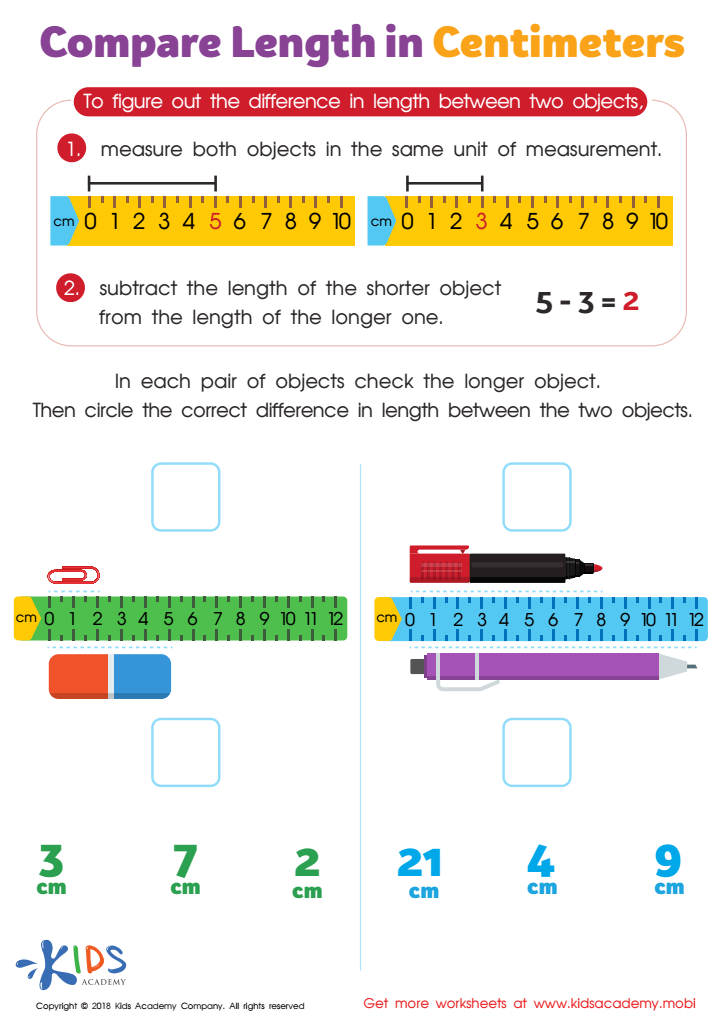
Compare Length in Centimeters Worksheet








Understanding and interpreting data is a critical skill for both parents and teachers, as it forms the base for making informed decisions that can enhance educational outcomes and child development. Normal math concepts such as means, medians, variances, and standard deviations offer meaningful insights into various aspects of student performance, behavior, and learning needs.
For teachers, proficiency in data interpretation helps tailor instructional strategies to address the diverse learning styles and needs within a classroom. By analyzing assessment data, teachers can identify areas where students excel or struggle, thus providing targeted interventions to support academic growth.
Similarly, for parents, understanding how to interpret data ensures they stay informed about their child's progress and challenges. This knowledge empowers them to engage in meaningful conversations with teachers, collaboratively setting realistic educational goals and ensuring that any special needs or talents are appropriately nurtured.
Moreover, competence in interpreting data equips both parents and teachers with the skills to evaluate educational resources and pedagogical approaches critically, contributing to an evidence-based educational environment. This way, they can advocate for practices and policies that enhance learning outcomes and overall student well-being, fostering a robust foundation for lifelong learning and success.








