Understanding biodiversity Normal Math Worksheets
3 filtered results
-
From - To
Explore our "Understanding Biodiversity" Normal Math Worksheets, designed to blend math learning with environmental education. Perfect for early graders, these worksheets integrate basic math skills with fascinating facts about plants, animals, and ecosystems. Students will enjoy solving math problems while discovering the wonders of biodiversity. Each worksheet promotes critical thinking and problem-solving, making learning both fun and meaningful. By linking maths to real-world ecological concepts, our resources help students grasp the importance of biodiversity in a uniquely engaging manner. Ideal for classrooms or at-home practice, these printable worksheets ensure a well-rounded educational experience.
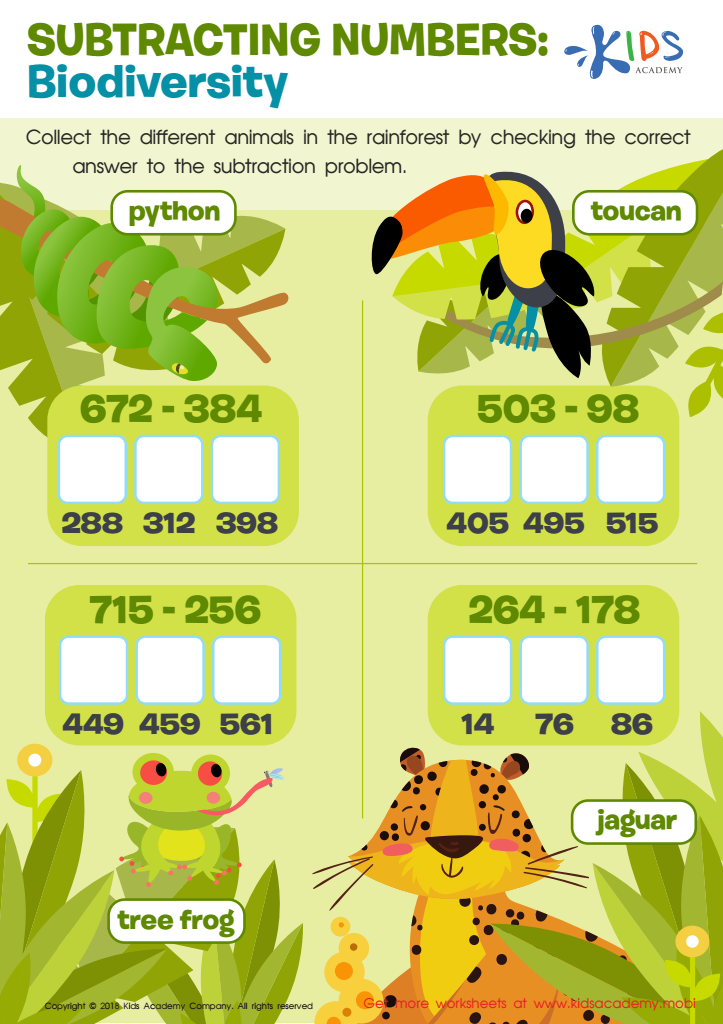
Subtracting Numbers: Biodiversity Worksheet
 Assign to My Students
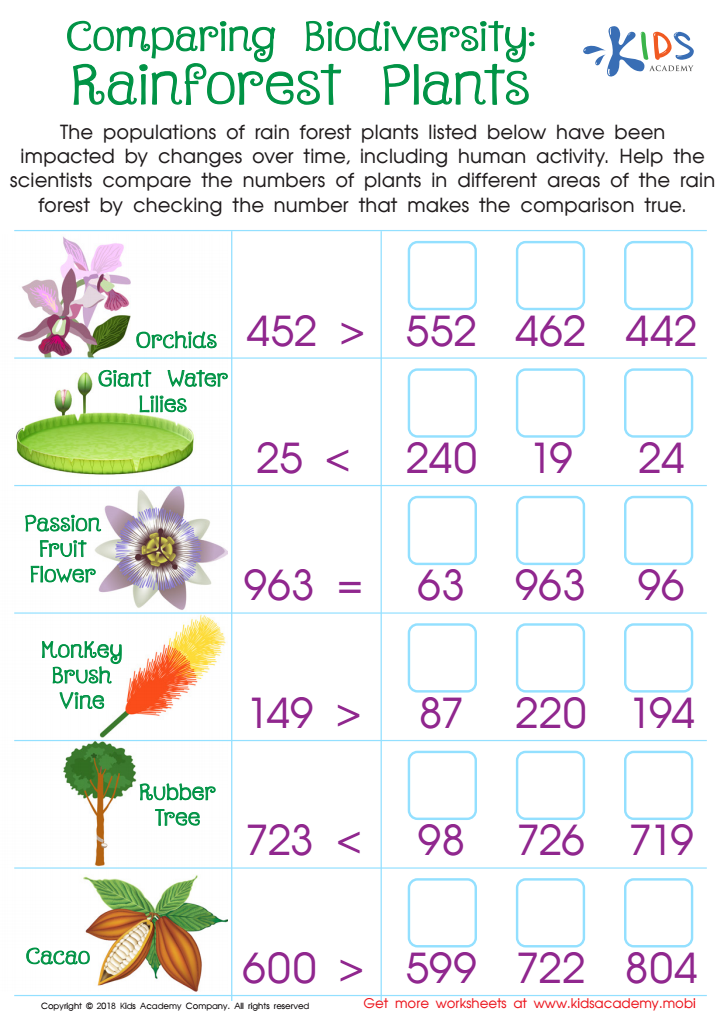
Comparing Biodiversity: Rainforest Plants Worksheet
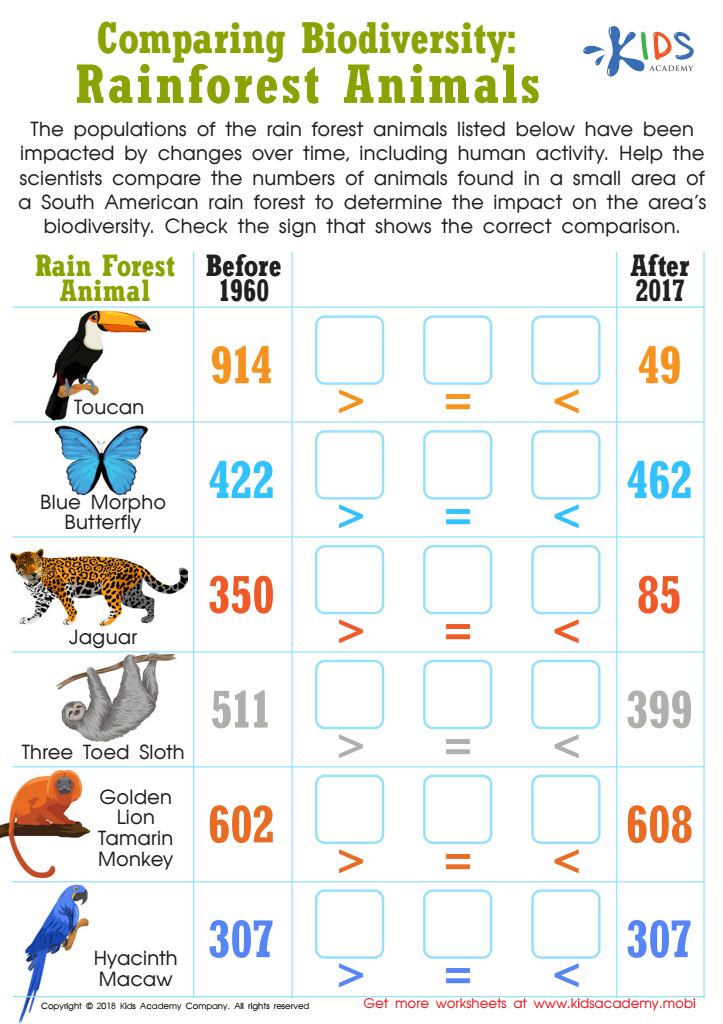
Comparing Biodiversity: Rainforest Animals Worksheet







Understanding biodiversity is critical because it underpins the survival of ecosystems and, ultimately, human existence. Biodiversity refers to the variety and variability of life on Earth, including the different species of plants, animals, bacteria, and fungi, among others. Parents and teachers must comprehend this concept and convey it to children for several vital reasons.
Firstly, biodiversity is essential for ecosystem health and stability. Diverse ecosystems are more resilient against disturbances like diseases and climate change. This ensures that future generations inherit a world where food, clean water, and air are accessible and ecosystems continue to function properly.
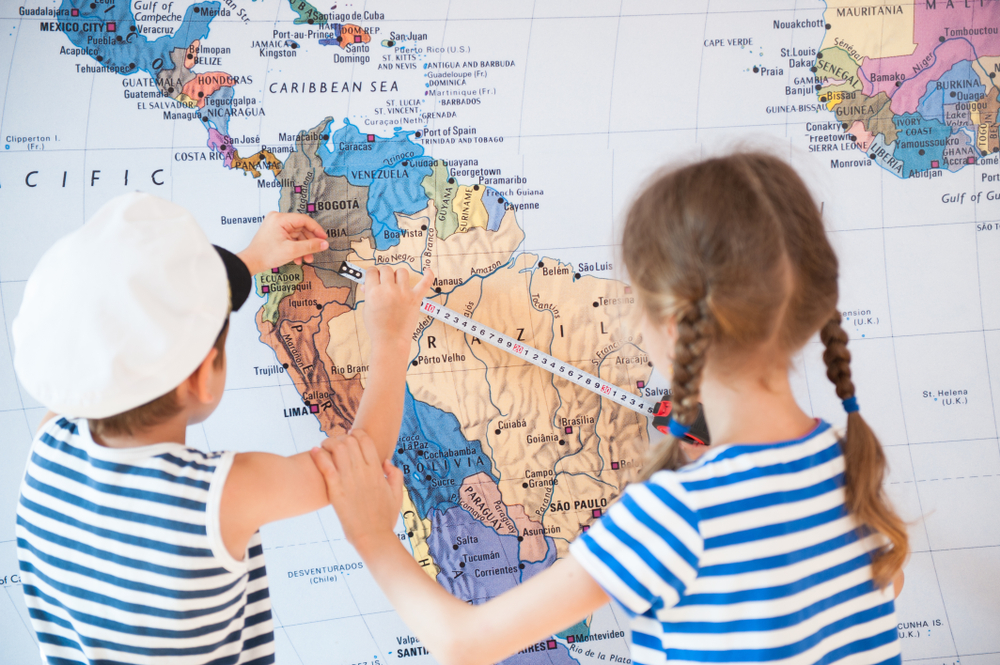
Secondly, biodiversity has significant educational value. Through subjects like math, children can learn about biodiversity by counting species, measuring habitats, or analyzing environmental data. This interdisciplinary approach strengthens critical thinking and problem-solving skills, valuable assets for their holistic development.
Lastly, understanding biodiversity fosters environmental stewardship and empathy. When children grasp the interdependence between all living things, they are more likely to grow into adults who value and protect the natural world. Consequently, they contribute positively to society by promoting sustainable practices and supporting conservation efforts.
Engaging in biodiversity education not only equips children with essential knowledge but also ensures they cultivate an enduring respect for the environment.








