Problem-Solving Skills Normal Measurement Worksheets
5 filtered results
-
From - To
Enhance your child's problem-solving abilities with our engaging Normal Measurement Worksheets! Designed for early learners, these worksheets focus on practical measurement problems, allowing kids to apply their mathematical knowledge in real-life situations. Each worksheet provides a variety of tasks that challenge students to think critically and develop essential skills in measurement, reasoning, and accurate calculation. Interactive and easy-to-understand, these activities make learning fun while reinforcing key concepts in math. Ideal for classroom use or at-home practice, our Problem-Solving Skills Worksheets are a valuable resource for parents and teachers aiming to foster confidence and competence in young learners. Explore now!
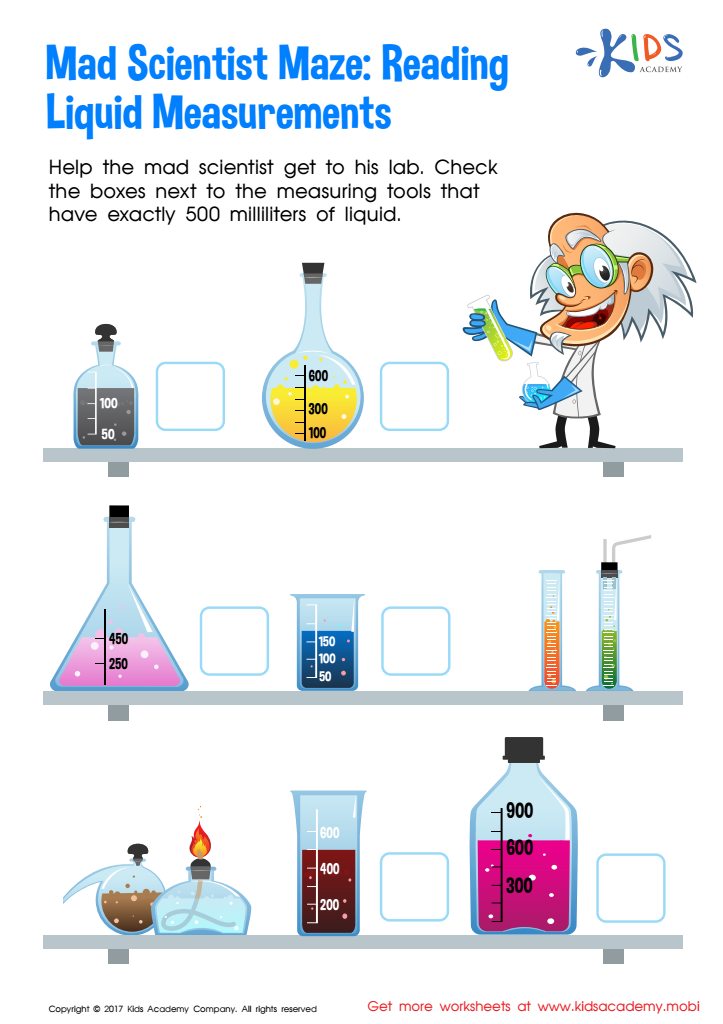
Reading Liquid Measurement Worksheet
 Assign to My Students
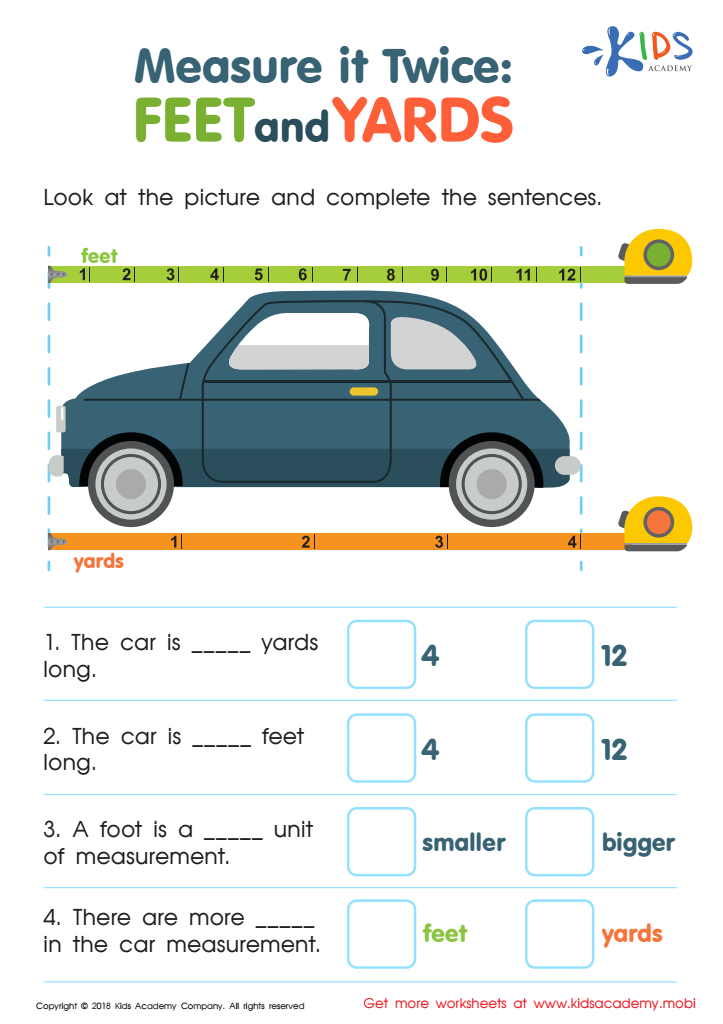
Measure It Twice: Feet and Yards Worksheet
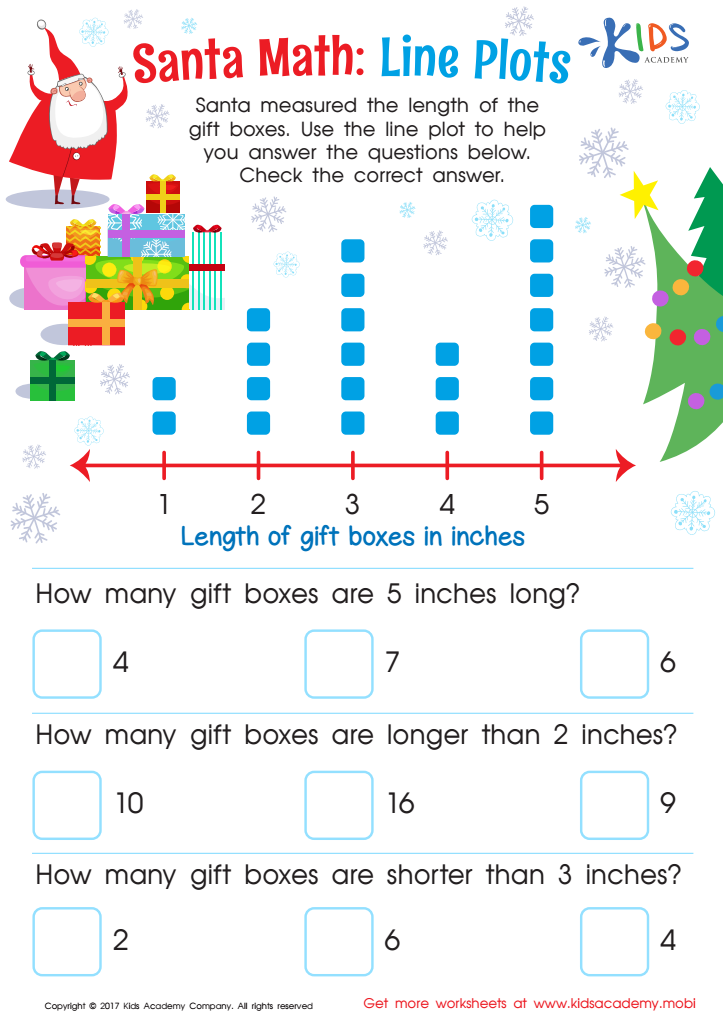
Line Plot Worksheet
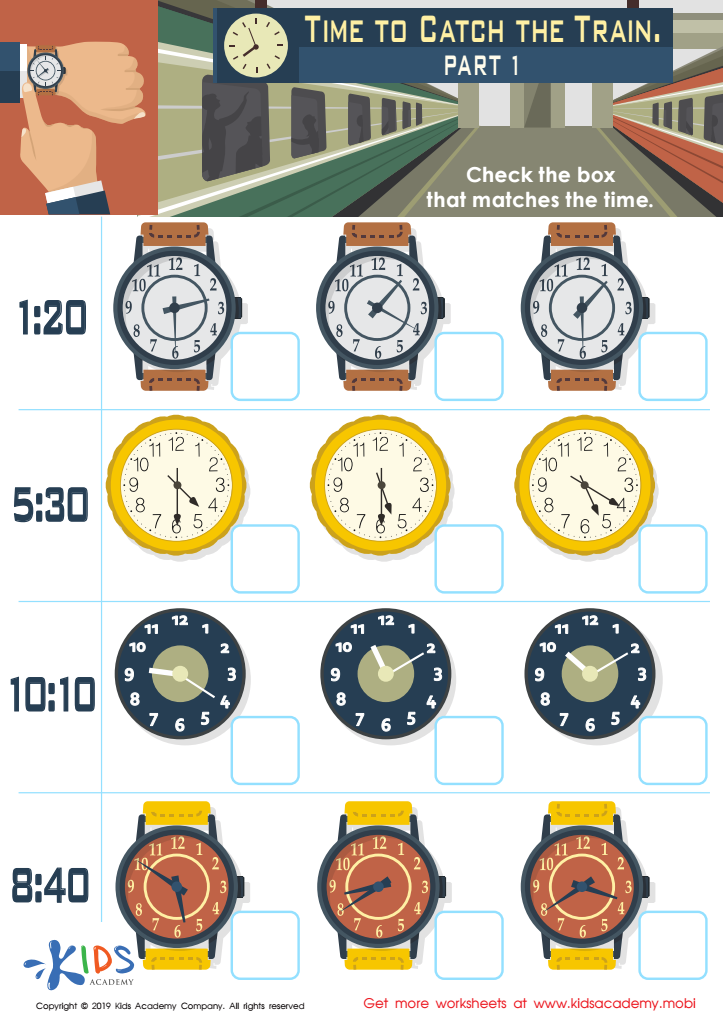
Time to Catch the Train Part 1 Worksheet
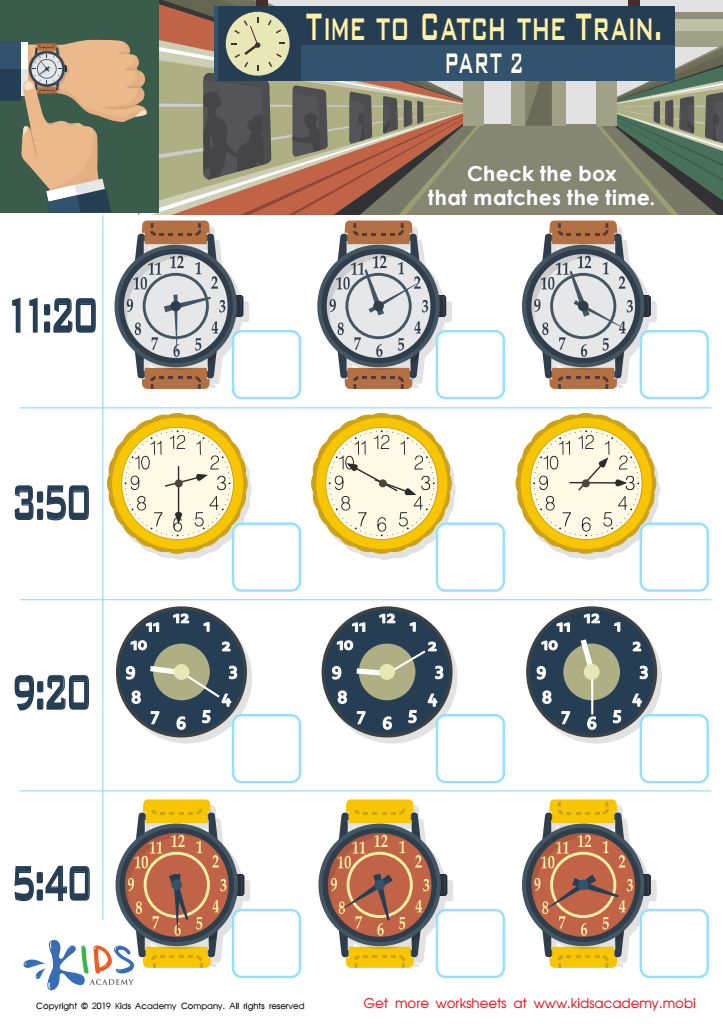
Time to Catch the Train Part 2 Worksheet







Parents and teachers should prioritize problem-solving skills because they are fundamental to a child's overall development and future success. These skills enable children to think critically, analyze situations, and navigate challenges, both academically and in real life. Problem-solving fosters independence and confidence, allowing children to approach obstacles with a positive mindset and resilience.
The normal measurement of problem-solving skills allows educators and parents to assess a child's progress accurately, identify strengths, and target areas needing improvement. This assessment not only informs instructional strategies but also ensures that efforts are tailored to each child's unique needs, resulting in more effective learning experiences. Furthermore, understanding where a child falls on a norm-referenced scale can help motivate them, as they see their growth in comparison to peers.
Additionally, problem-solving skills are increasingly important in today's rapidly changing world, where careers often necessitate innovative solutions and adaptability. By cultivating these skills early on, parents and teachers prepare children to thrive in diverse environments, demonstrate effective collaboration, and become lifelong learners. In essence, caring about and improving problem-solving skills today equips children with the tools they need for tomorrow's challenges.








