Handwriting practice Normal Tracing Numbers Worksheets
5 filtered results
-
From - To
Enhance your child's handwriting skills with our Normal Tracing Numbers Worksheets! Designed for early learners, these engaging worksheets provide a fun and effective way for kids to practice tracing numbers while developing fine motor skills and better pen control. Each worksheet features clear, easy-to-follow number outlines that encourage your child to form letters neatly and accurately. Suitable for both classroom and home use, our printable resources support a solid foundation in math and writing. Boost confidence and improve hand coordination with these essential handwriting practices that set the stage for future academic success. Start your child's learning journey today!
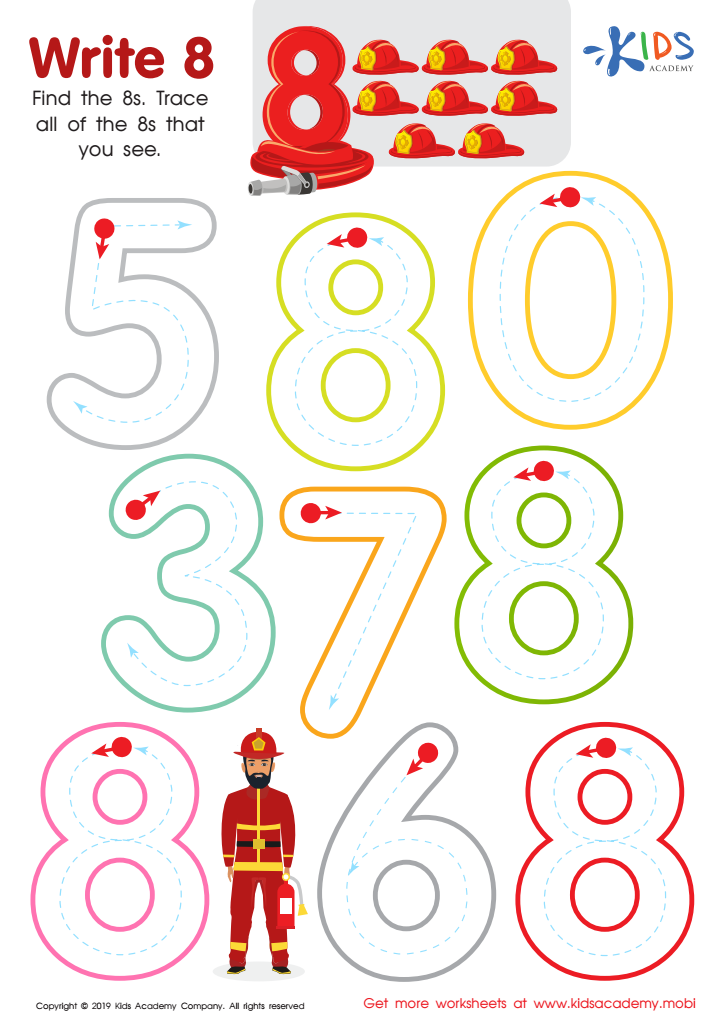
Write 8 Worksheet
 Assign to My Students
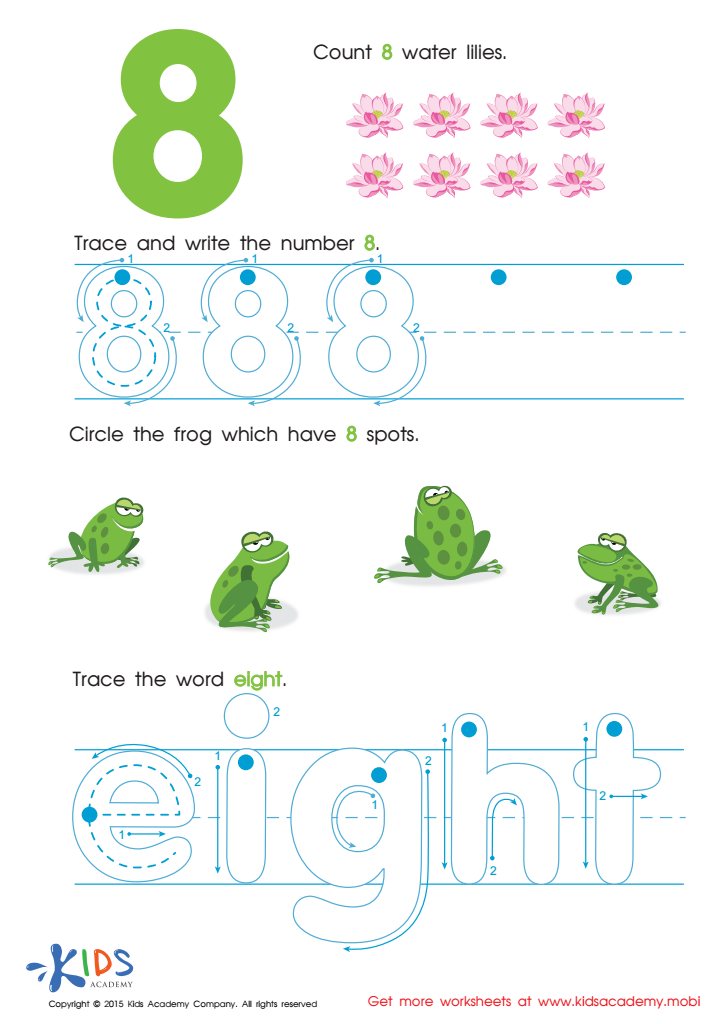
Learn Number 8 Easily Worksheet
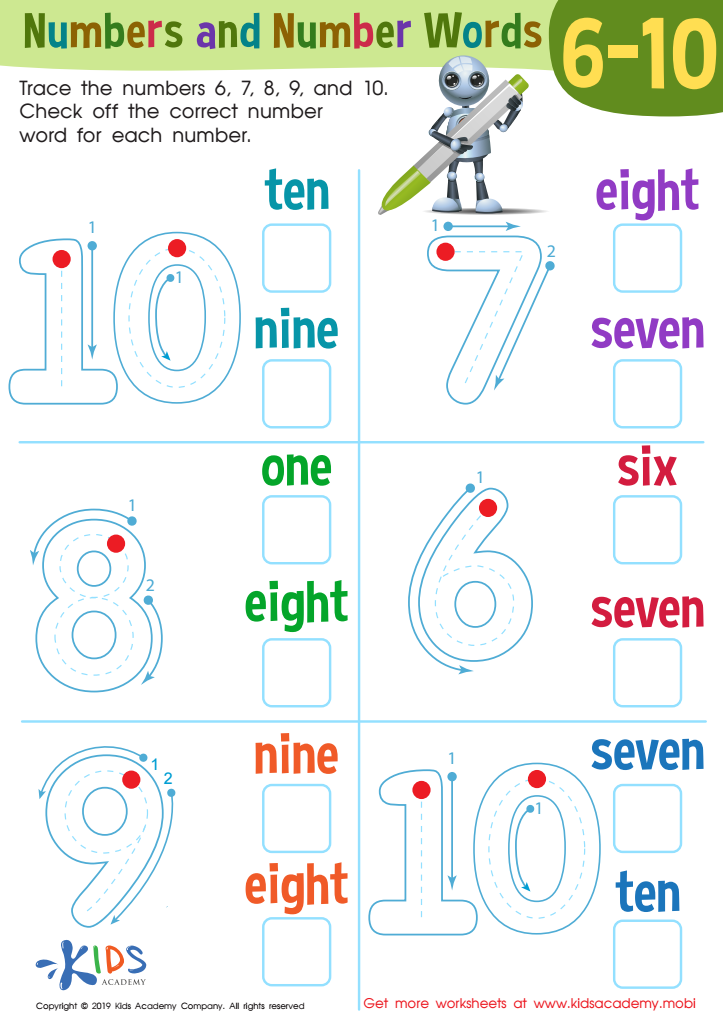
Numbers and Number Words 6–1 Worksheet
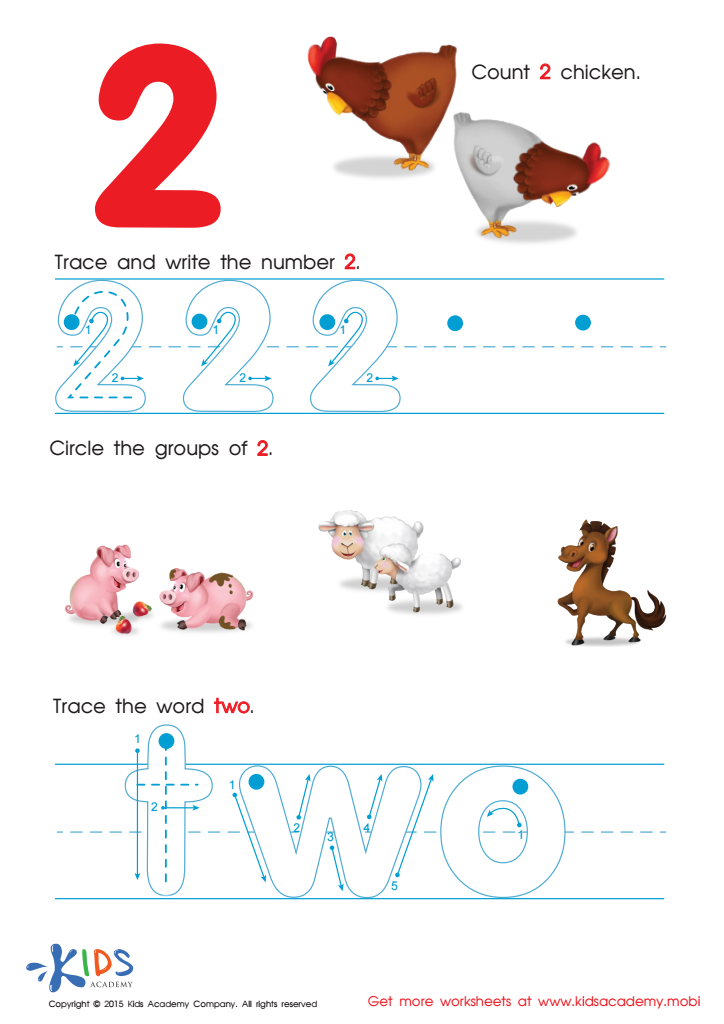
Learn to Write the Number 2 Worksheet
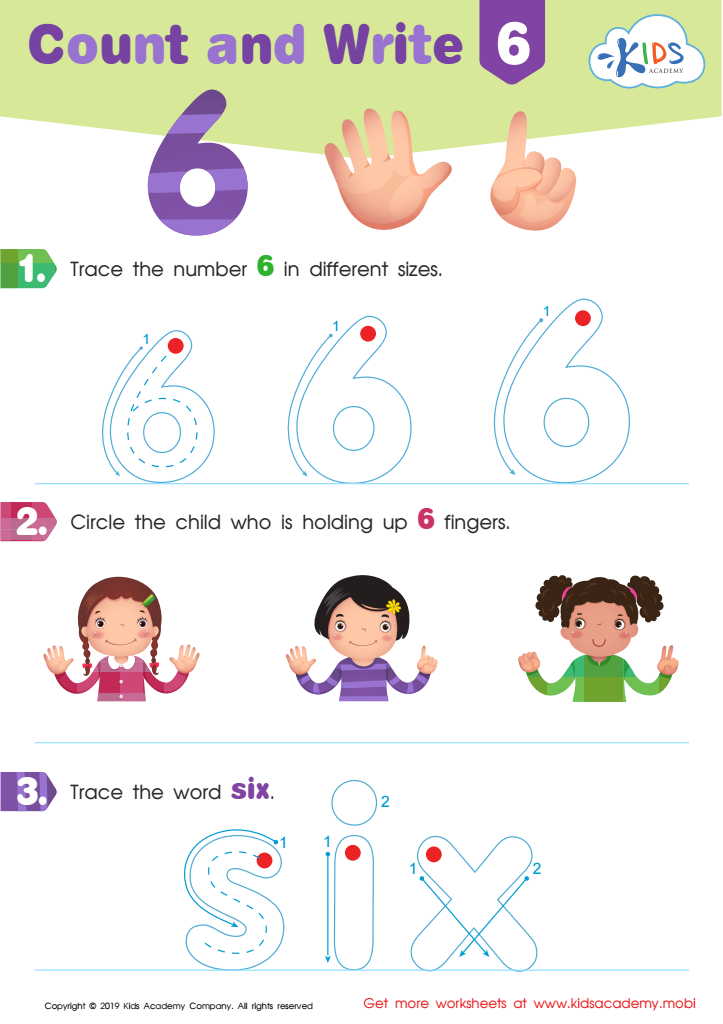
Count and Write 6 Worksheet








Handwriting practice, particularly tracing numbers, is crucial for early childhood development. It equips children with fine motor skills that are essential for everyday tasks and academic success. When children trace numbers, they enhance their hand-eye coordination, which is vital as they transition to more complex writing tasks.
Furthermore, tracing numbers fosters number recognition and promotes mathematical understanding. As children engage in this activity, they not only learn how to form numbers correctly but also develop the cognitive abilities needed for counting and basic arithmetic. This foundational knowledge is pivotal as they move on to more advanced math concepts.
Additionally, handwriting practice supports literacy development. Learning to write numbers reinforces the connection between symbols and their meanings, helping enhance children's vocabulary and cognitive development. Integrated into a playful and engaging format, tracing numbers can keep children motivated and interested in learning.
For teachers and parents, emphasizing handwriting practice can cultivate academic confidence and encourage a love of learning. Overall, incorporating normal tracing numbers into educational routines ensures children build essential skills that will benefit them in many areas of their lives, both academically and socially. Making this a priority can set the stage for lifelong learning and success.