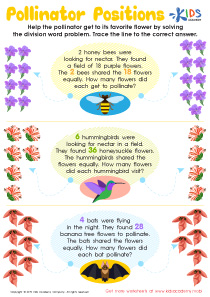
Fine Motor Skills Normal Preschool Worksheets
72 filtered results
-
From - To
Our "Fine Motor Skills Normal Preschool Worksheets" offer engaging activities to help young children develop essential hand-eye coordination and dexterity. Specifically designed for preschoolers, these worksheets include fun and educational exercises like tracing, cutting, and drawing. By consistently practicing these activities, children strengthen the muscles in their hands and fingers, preparing them for future tasks such as writing. Perfect for parents and educators, our worksheets provide an effective tool to ensure children reach their developmental milestones in a playful yet structured environment. Nurture your child's fine motor skills with our expertly crafted resources!

Christmas: Night Before Christmas Printable
 Assign to My Students
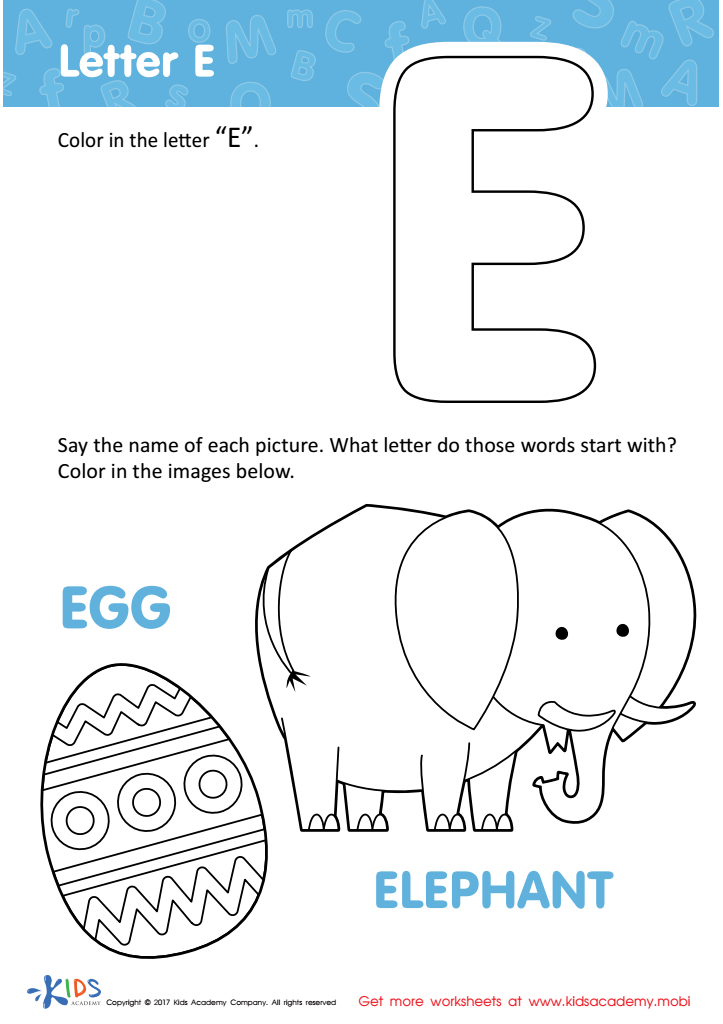
Letter E Coloring Sheet
Assign to My Students
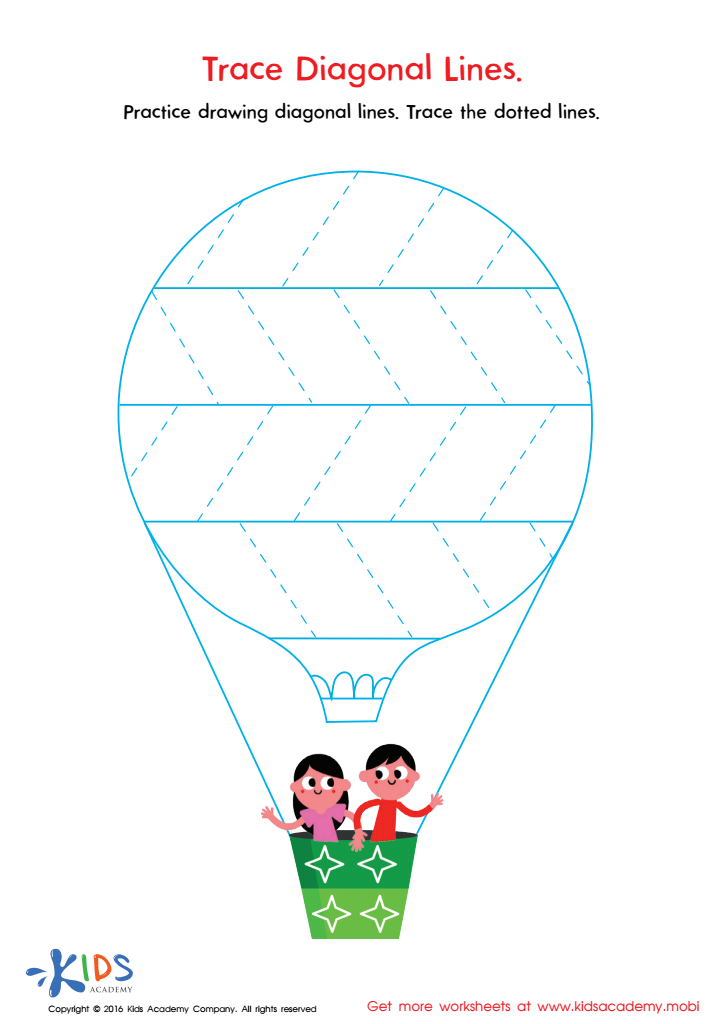
Trace Diagonal Lines Worksheet
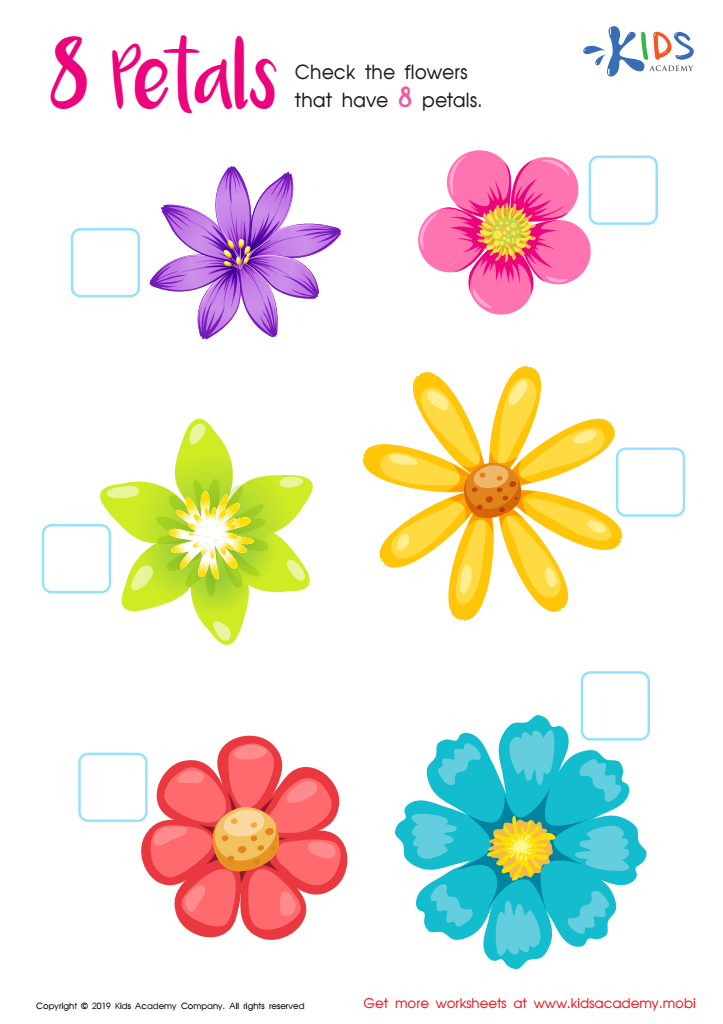
8 Petals Worksheet
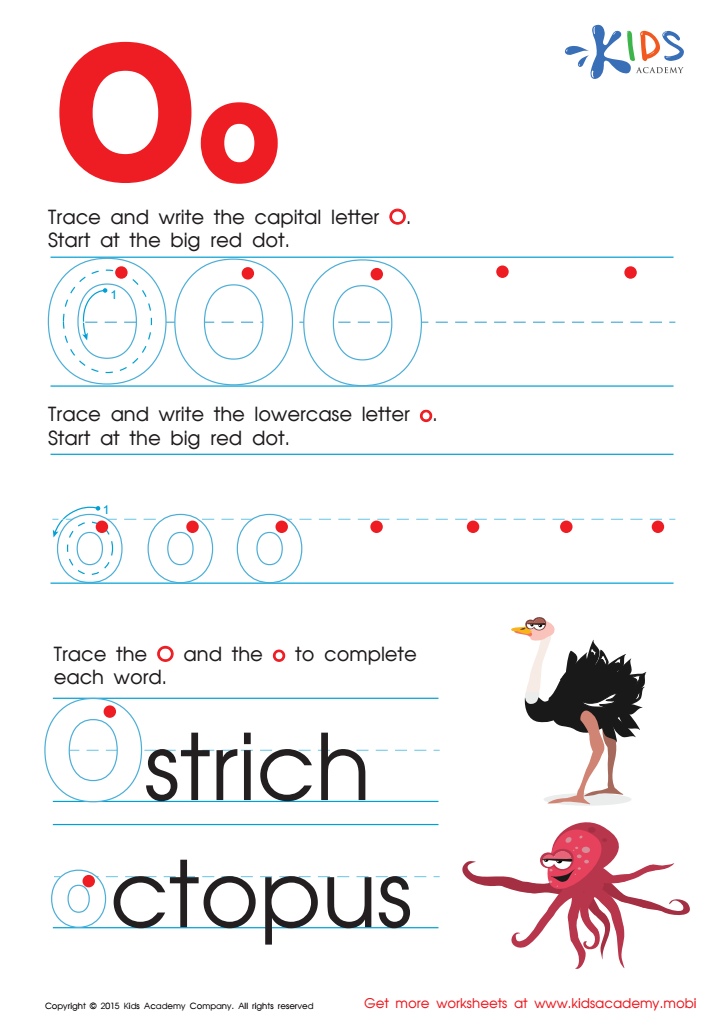
Letter O Tracing Page
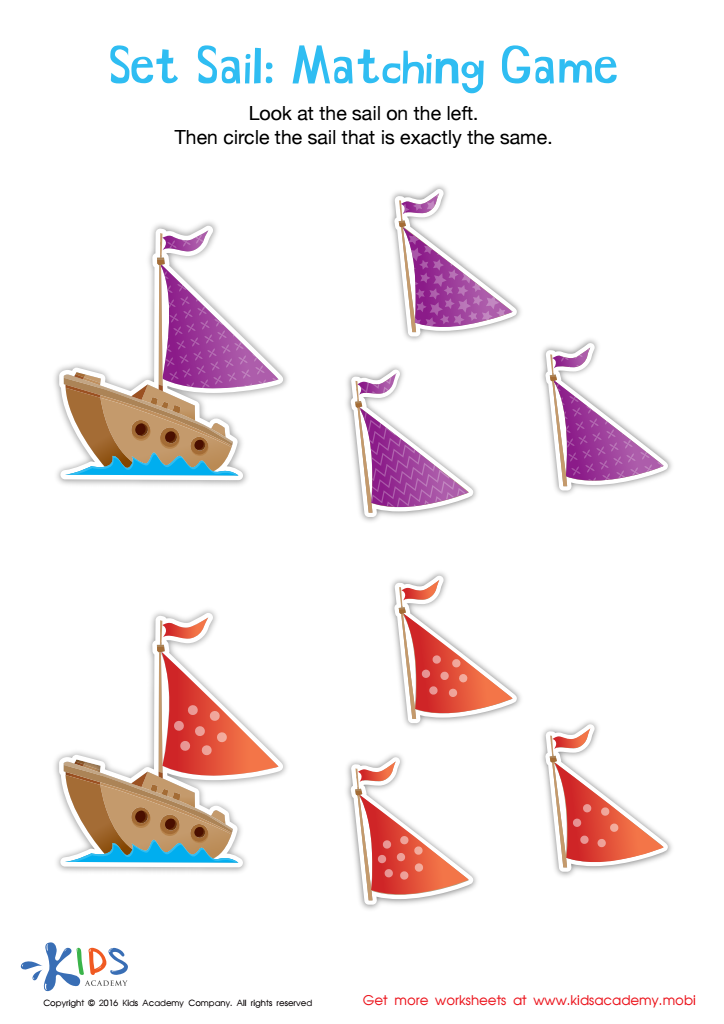
Set Sail Worksheet
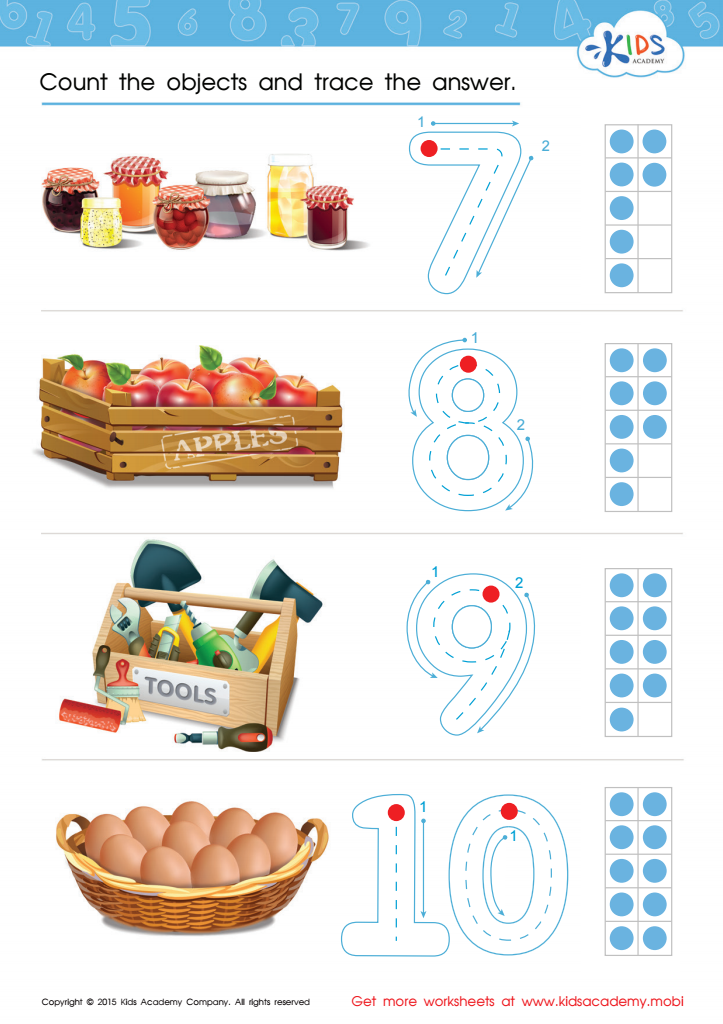
Count and Trace 7 – 10 Worksheet

Letter P Tracing Page
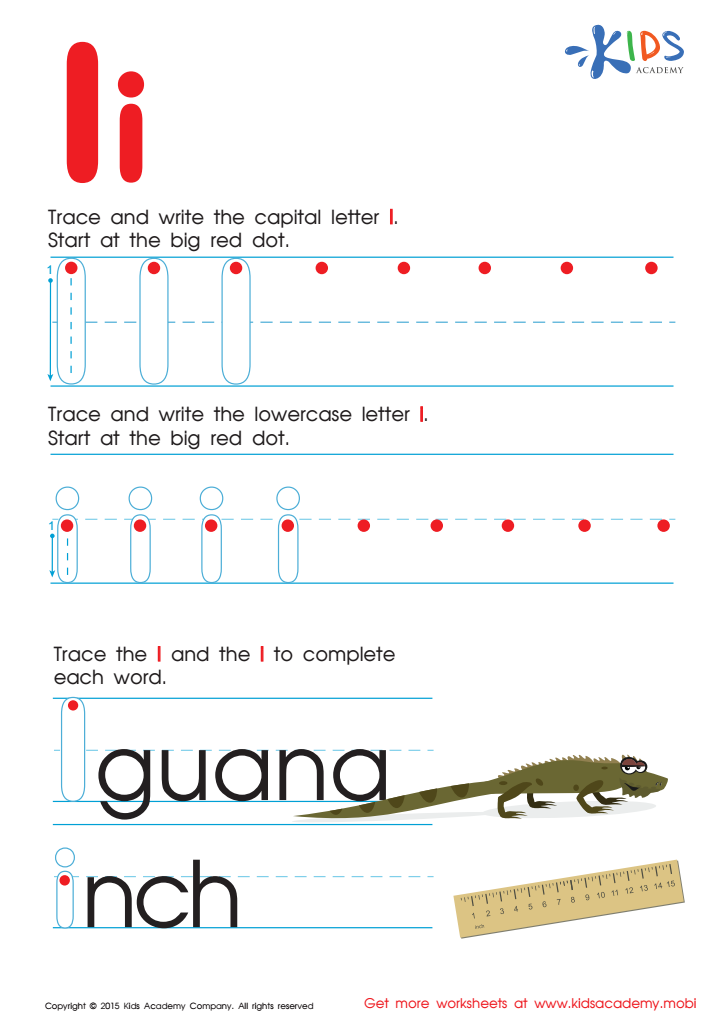
Letter I Tracing Page
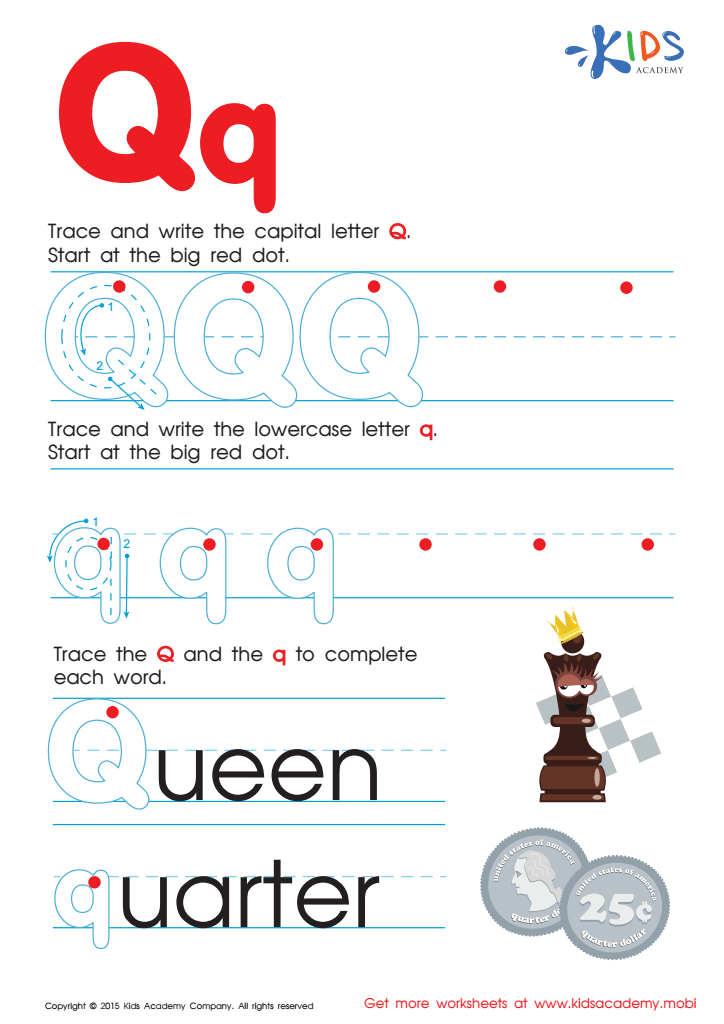
Letter Q Tracing Page
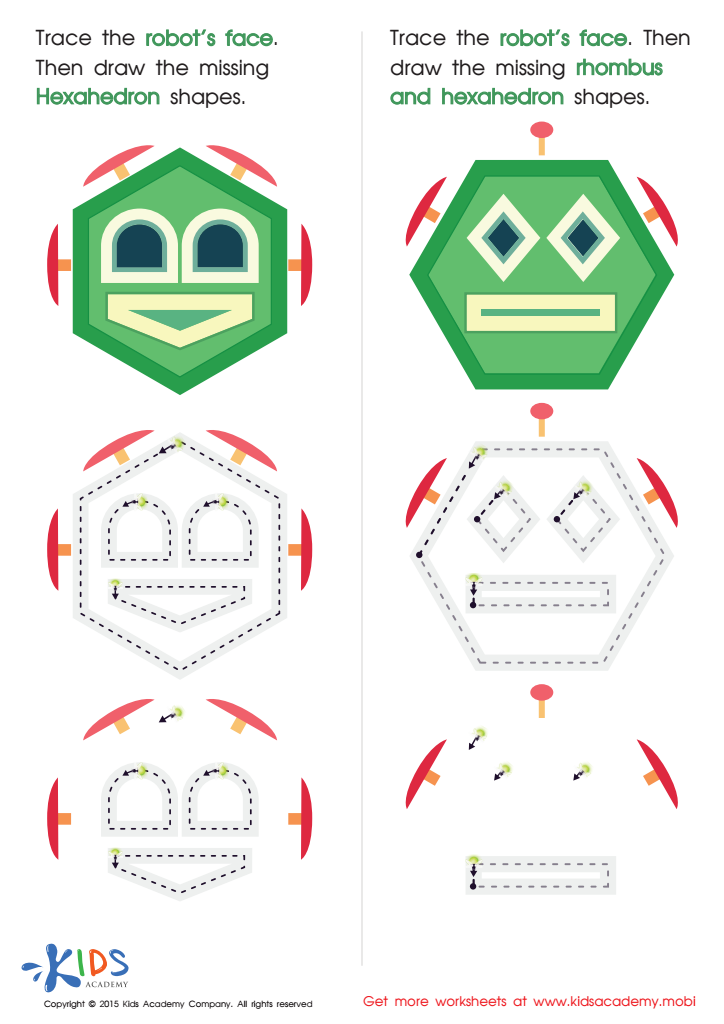
Practice Drawing Hexahedrons And a Rhombus Worksheet
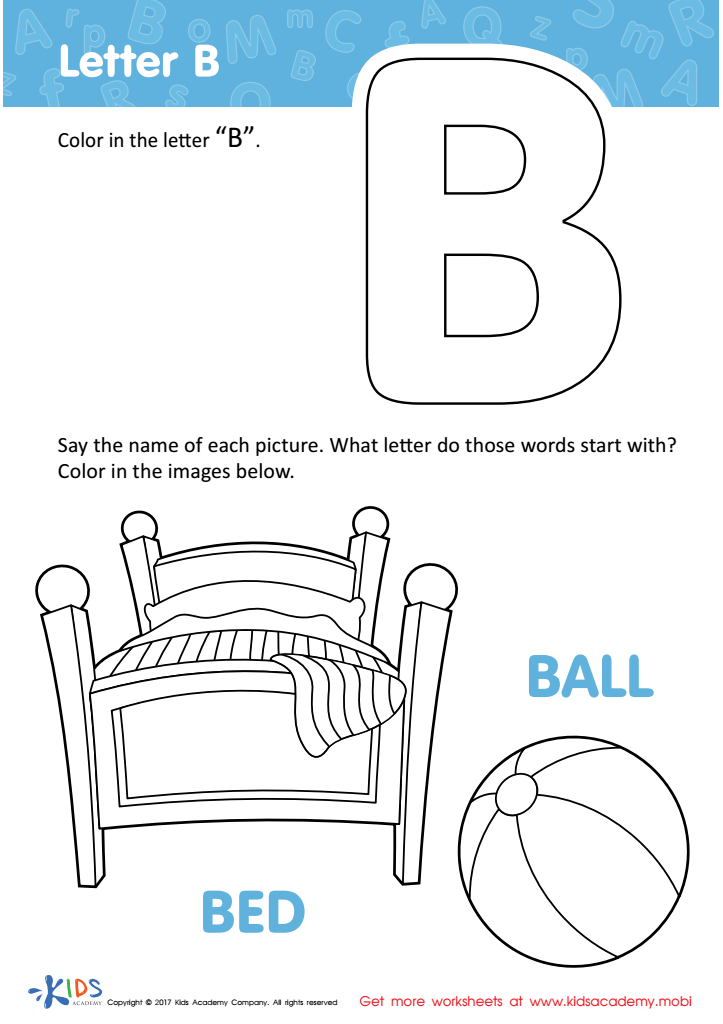
Letter B Coloring Sheet
Assign to My Students
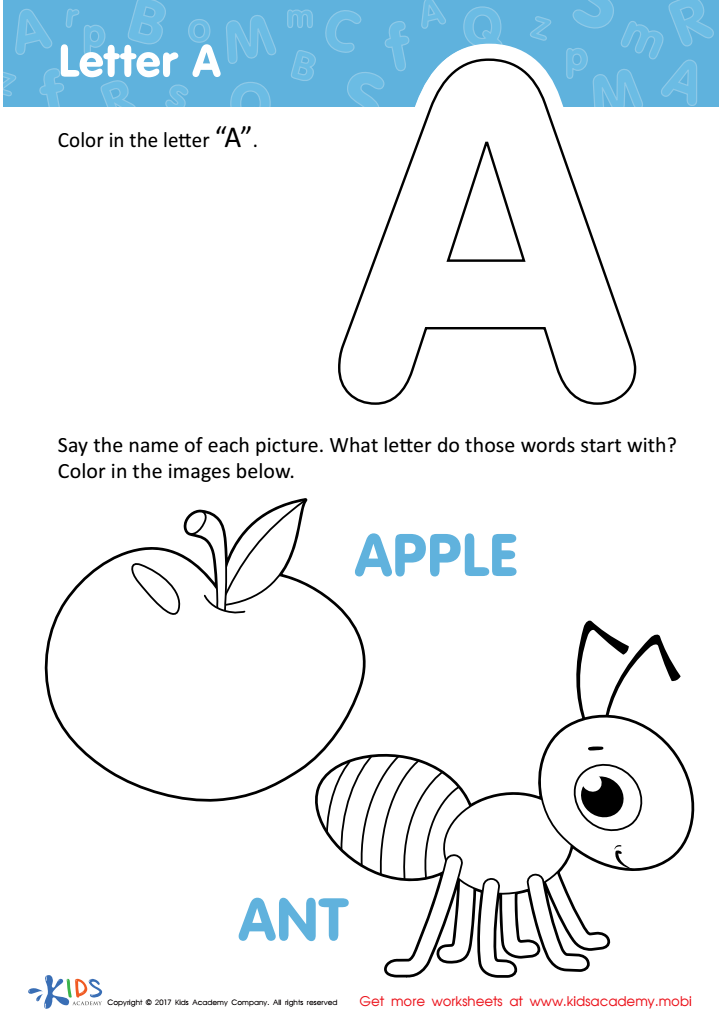
Letter A Coloring Sheet
Assign to My Students
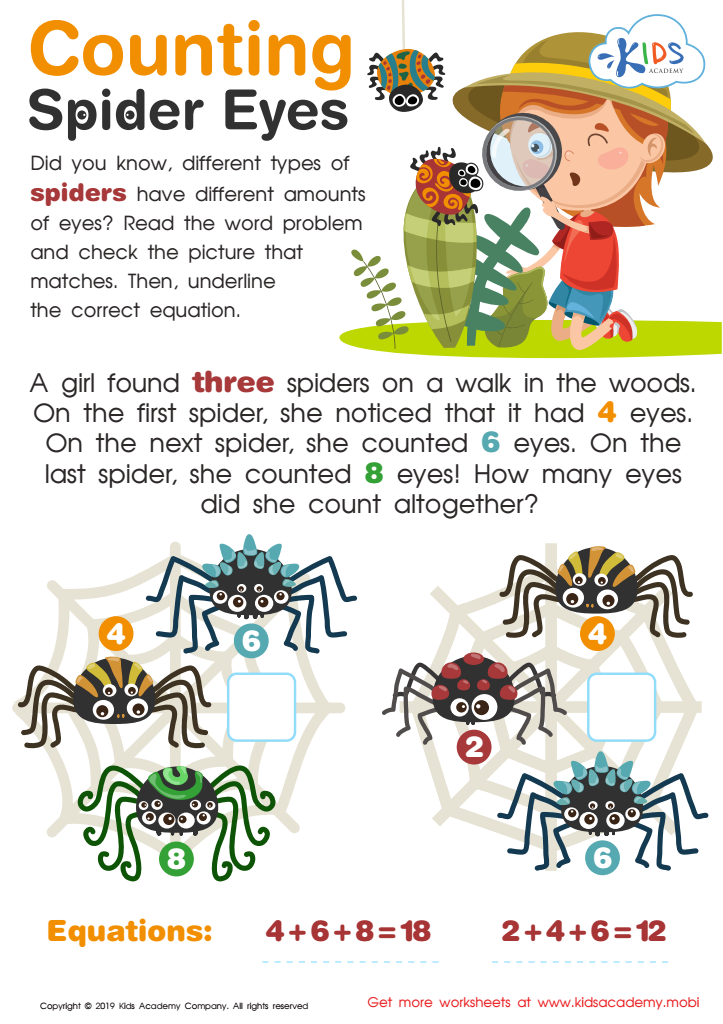
Counting Spider Eyes Worksheet
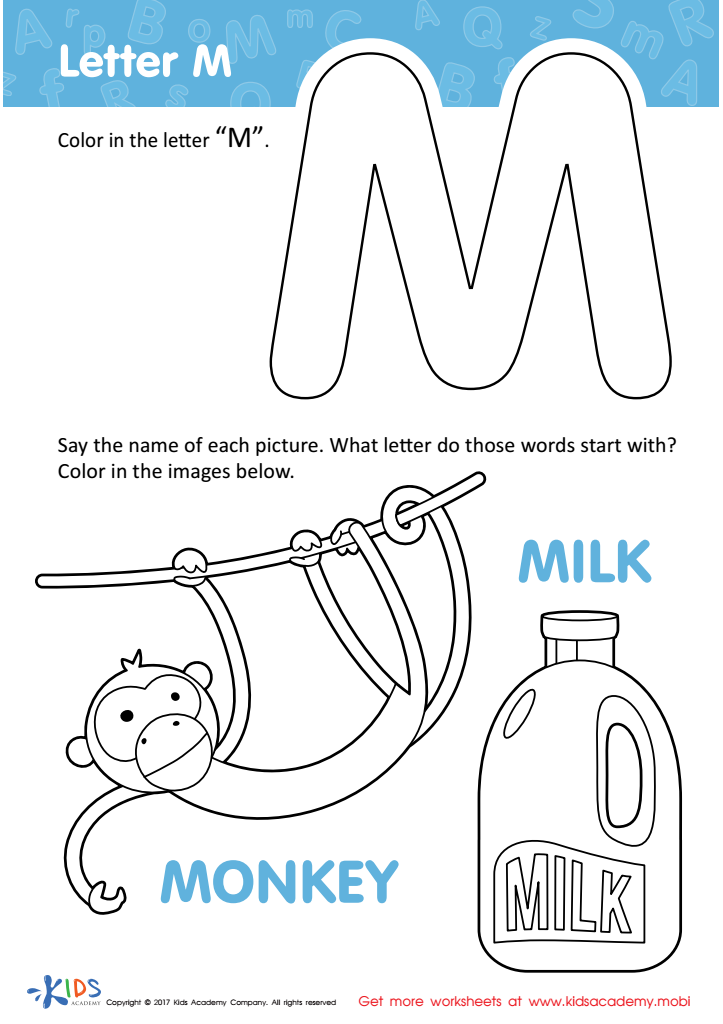
Letter M Coloring Sheet
Assign to My Students
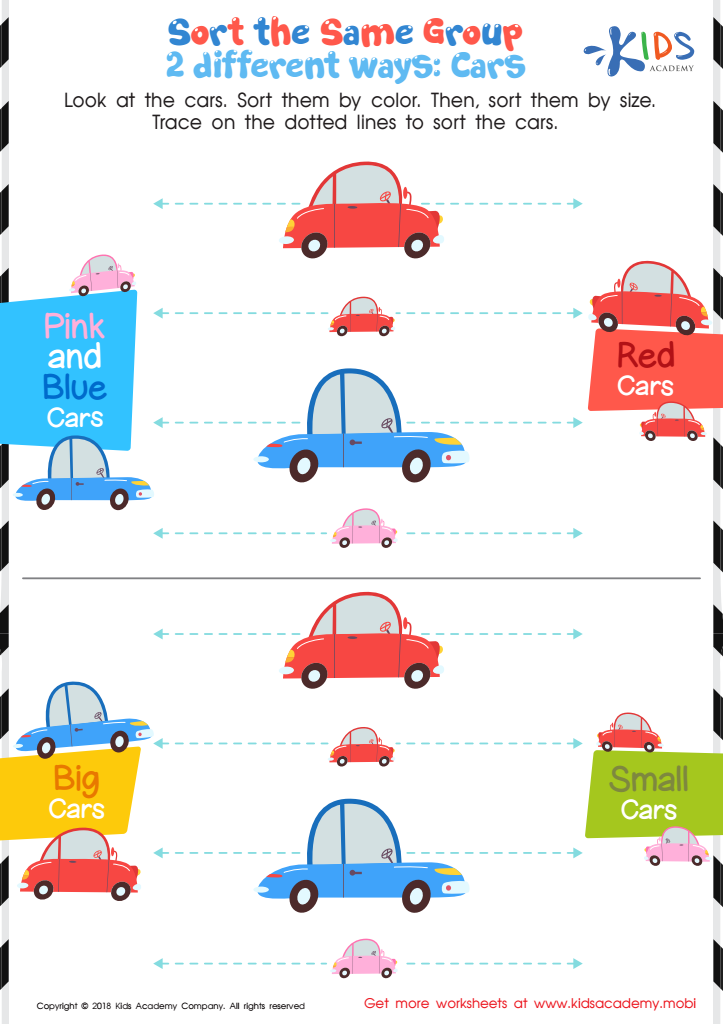
Sort the Same Group 2 Different Ways: Cars Worksheet

Twinkle Twinkle Little Star Coloring Page
Assign to My Students
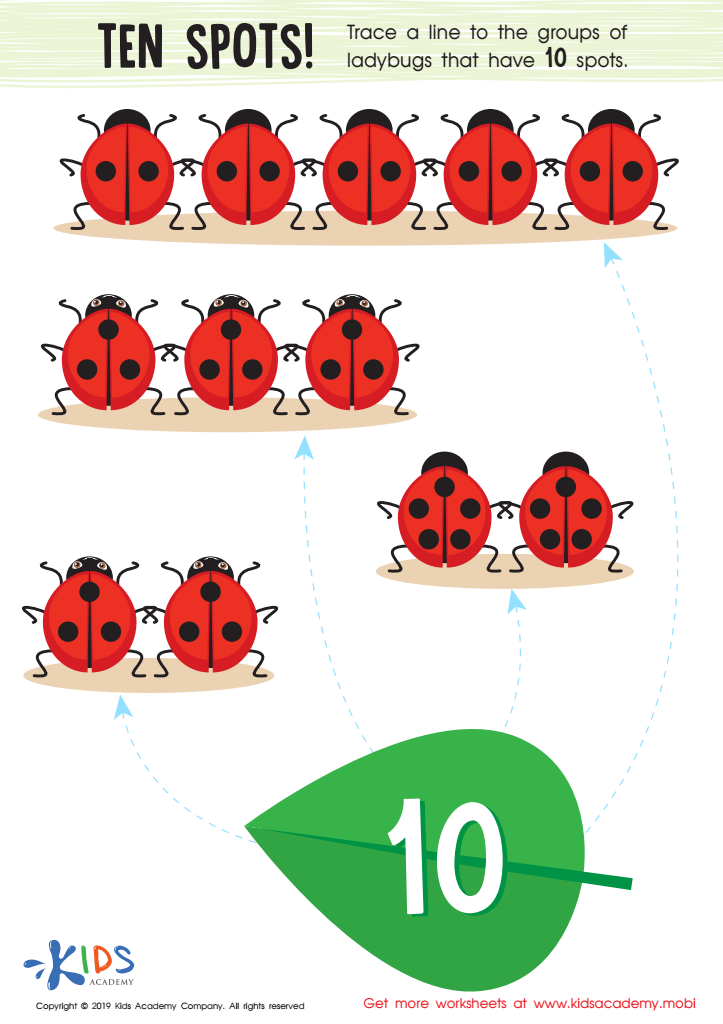
Ten Spots Worksheet
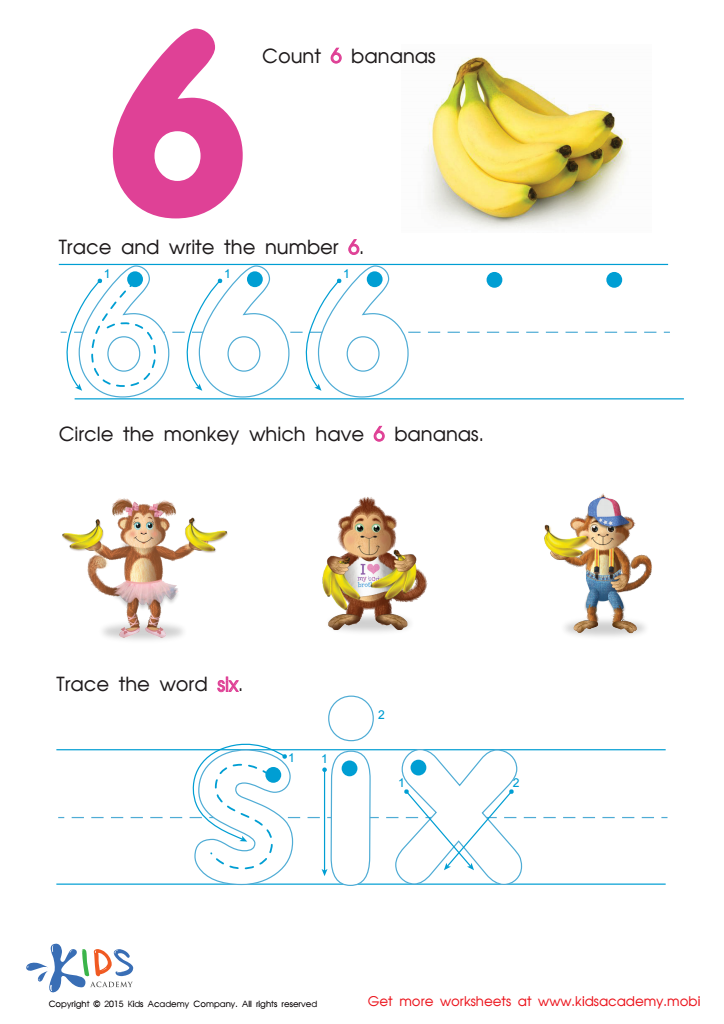
Tracing And Writing Number 6 Worksheet
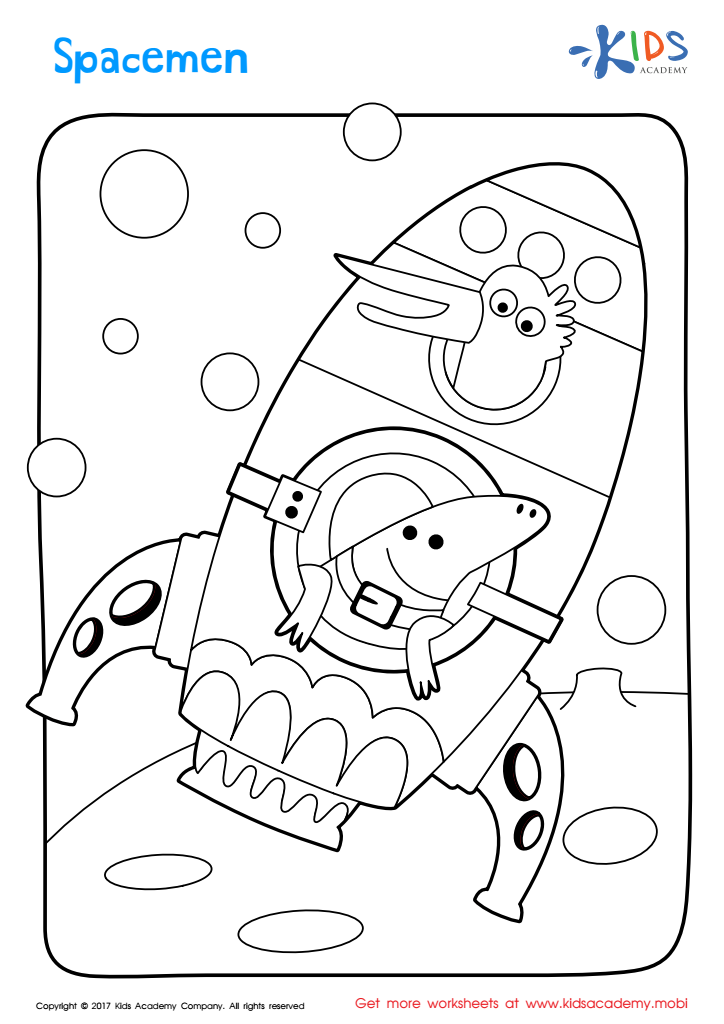
Spacemen Coloring Page
Assign to My Students
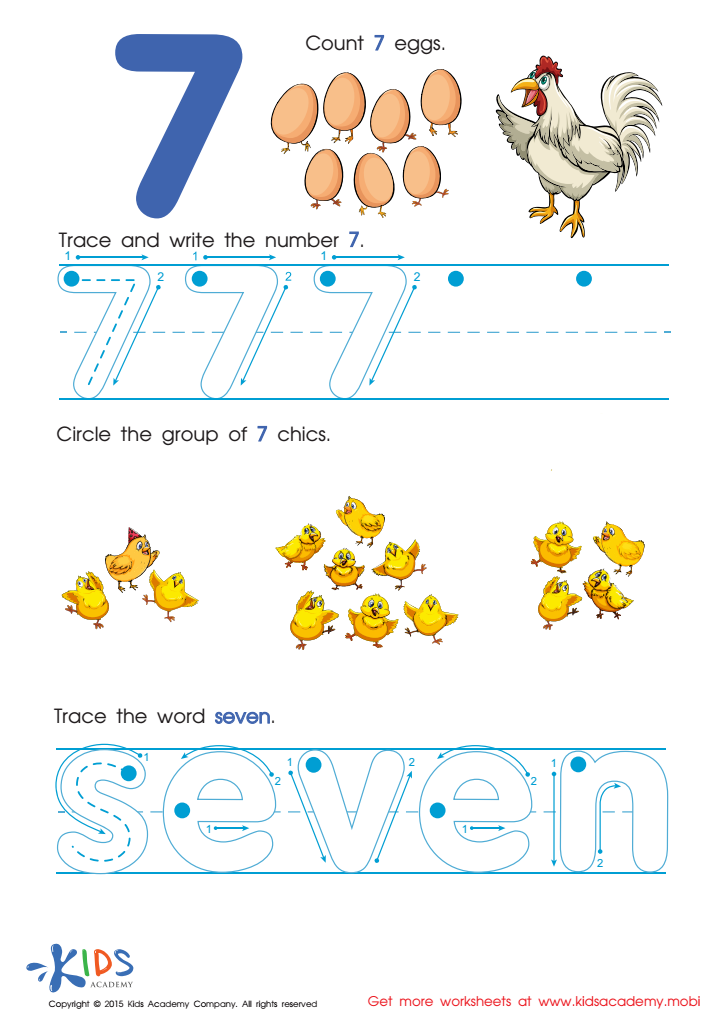
Trace And Write Number 7 with Fun Worksheet
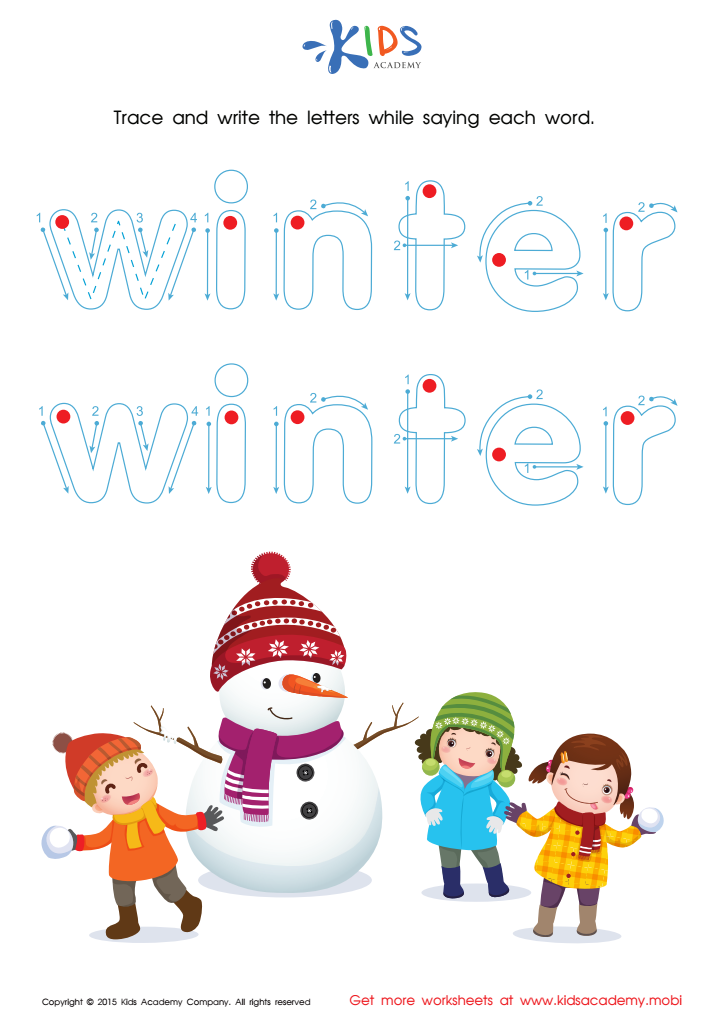
Snowman Tracing Winter Words Worksheet
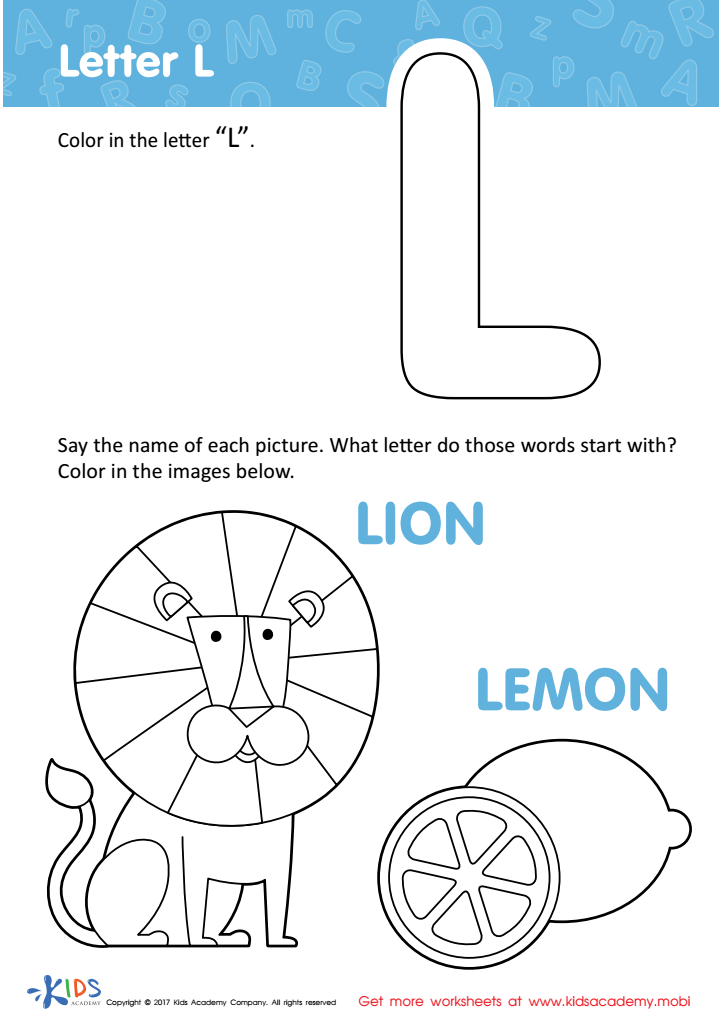
Letter L Coloring Sheet
Assign to My Students








Fine motor skills are essential developmental milestones for preschool children, as they encompass the ability to use the small muscles in the hands and wrists. These skills, such as holding a pencil, cutting with scissors, and buttoning clothes, are fundamental for daily tasks and academic activities. Parents and teachers should care about fine motor skills because they are integral to a child’s overall development and future success.
When fine motor skills are well-developed, children become more independent and confident in their abilities. They can participate fully in classroom activities, which improves their self-esteem and fosters a positive attitude toward learning. These skills are also linked to the development of hand-eye coordination, problem-solving, and cognitive abilities. Fine motor activities, like drawing and manipulating small objects, simultaneously enhance concentration, creativity, and spatial awareness.
Moreover, early detection of fine motor skill difficulties allows for timely intervention, helping to prevent future academic and social challenges. Supportive activities at home and school, such as playing with building blocks, threading beads, and engaging in arts and crafts, can significantly bolster these skills. By prioritizing fine motor skill development, parents and teachers set the stage for a child’s long-term educational success and well-being.