Logical Reasoning Normal Preschool Worksheets
10 filtered results
Difficulty Level
Grade
Age
-
From - To
Subject
Activity
Standards
Discover our "Logical Reasoning Normal Preschool Worksheets," designed to enhance critical thinking and problem-solving skills in young learners. These interactive worksheets feature engaging activities tailored for preschool children, promoting cognitive development through fun and stimulating exercises. Each worksheet encourages kids to analyze patterns, make predictions, and solve puzzles, fostering essential reasoning skills in an enjoyable manner. Ideal for classroom or at-home learning, our resources are aligned with early childhood education standards. Help your preschooler build a strong foundation in logical reasoning while having fun! Explore our collection and watch your child's confidence soar as they master these key skills.
Favorites
With answer key
Interactive
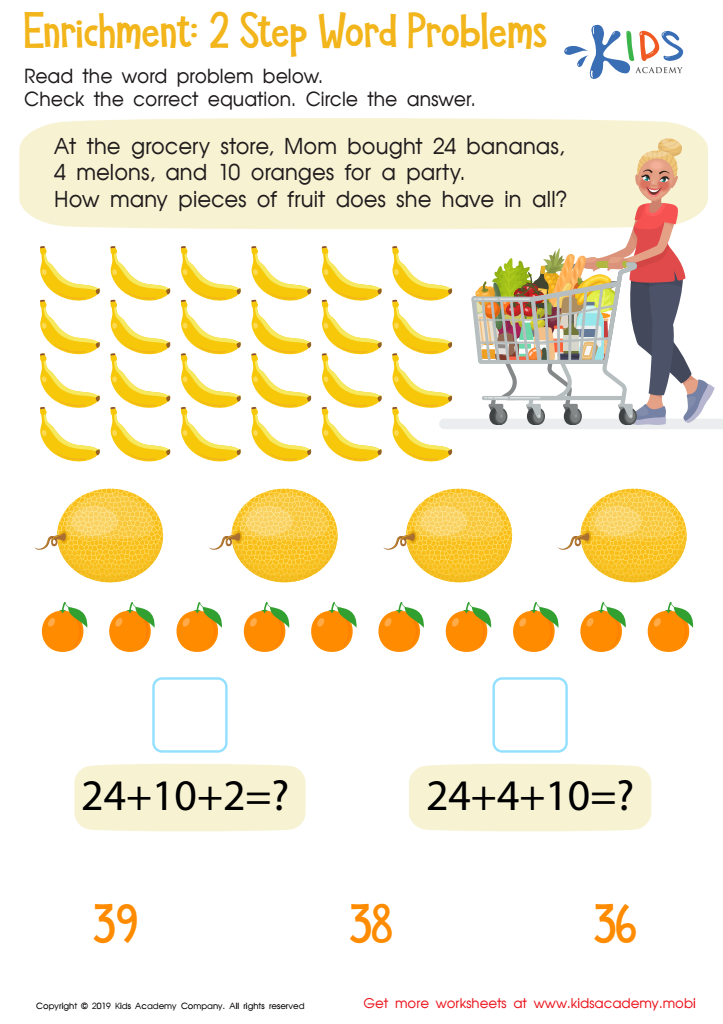
Enrichment -2 Step Word Problems Worksheet
Help your students learn math easier and faster with this colorful worksheet. Read the word problem and then guide them in checking the correct equation and finding the answer. Your students will benefit from the extra help, as they work through new concepts each day.
 Assign to My Students
Enrichment -2 Step Word Problems Worksheet
Worksheet
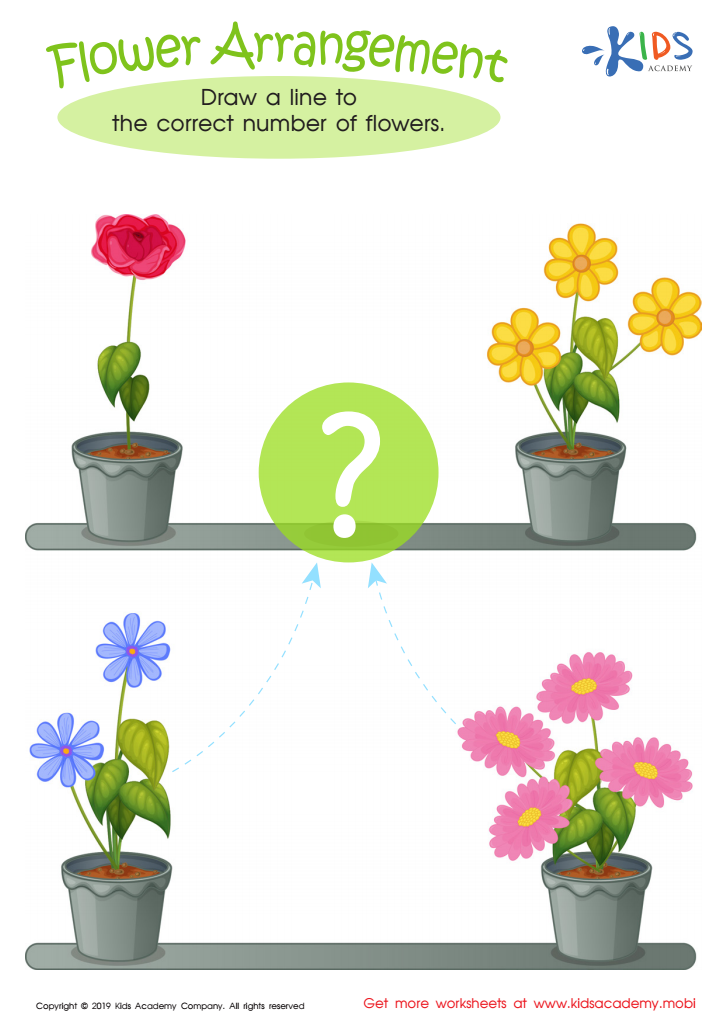
Flower Arrangement Worksheet
Your math whizzes can use flower power to showcase their counting skills with this bright PDF! One-to-one representation in pictures helps children build number sense, which leads to better math and computation efficiencies. This PDF features traceable lines for kids to draw to the correct number of flowers, all while practicing their counting with pretty pictures.
Flower Arrangement Worksheet
Worksheet
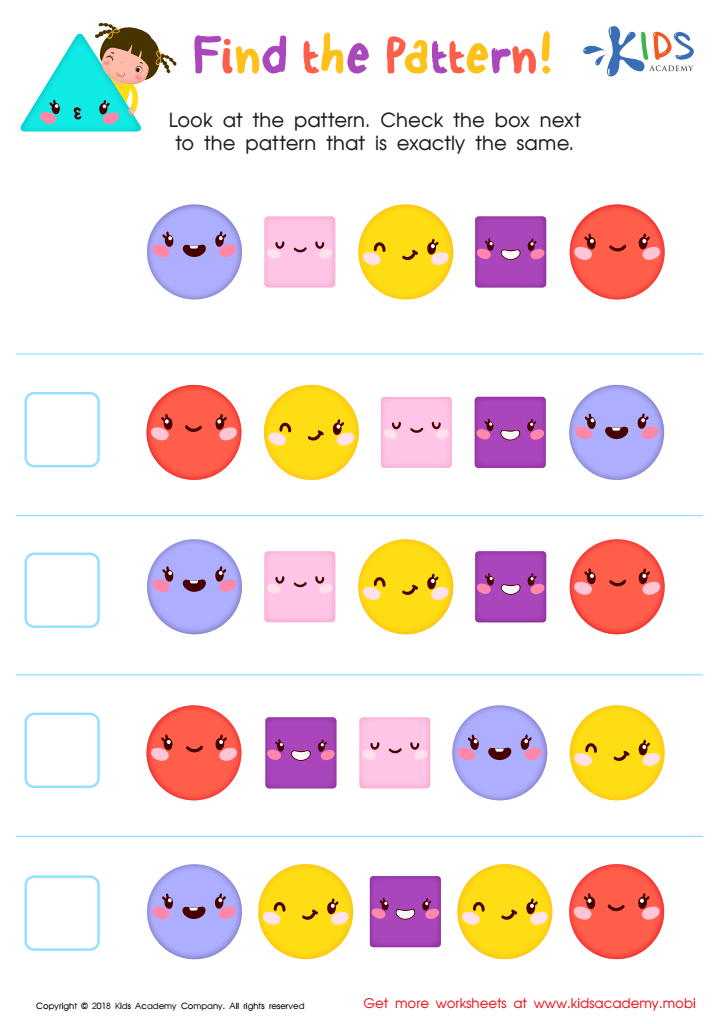
Find the Pattern Worksheet
This colorful pattern worksheet is perfect for testing your kids' pattern recognition. The bright colors will keep them engaged, while they check the box next to the pattern that is the same. Ask your kids to identify the colors used and see how well they can spot similarities!
Find the Pattern Worksheet
Worksheet
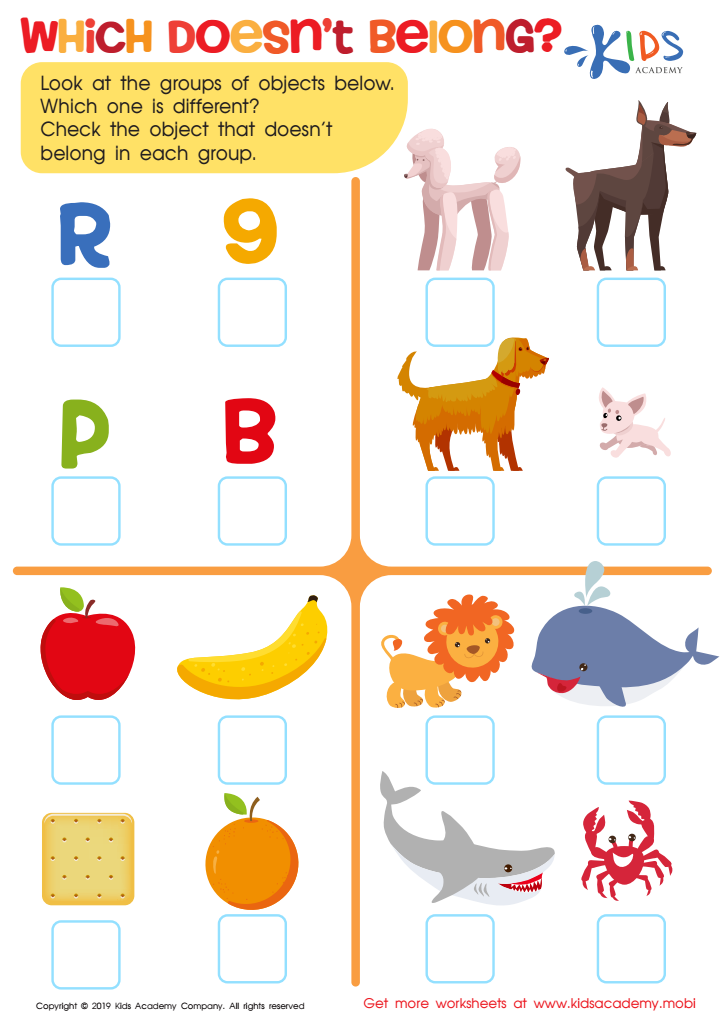
Which Doesn't Belong? Worksheet
This engaging worksheet helps preschoolers recognize similar and different attributes of common words, using brightly-colored pictures. They analyze the items in each category and check off what is different. For extra practice, have them explain their reasoning verbally! Sorting and classifying are important skills to learn.
Which Doesn't Belong? Worksheet
Worksheet
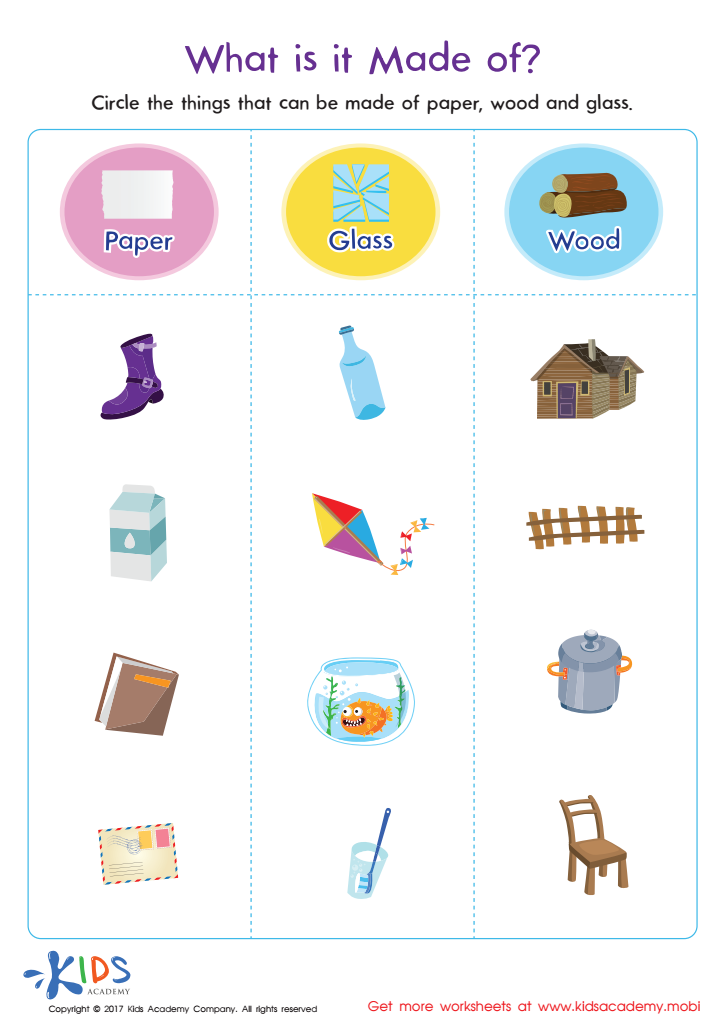
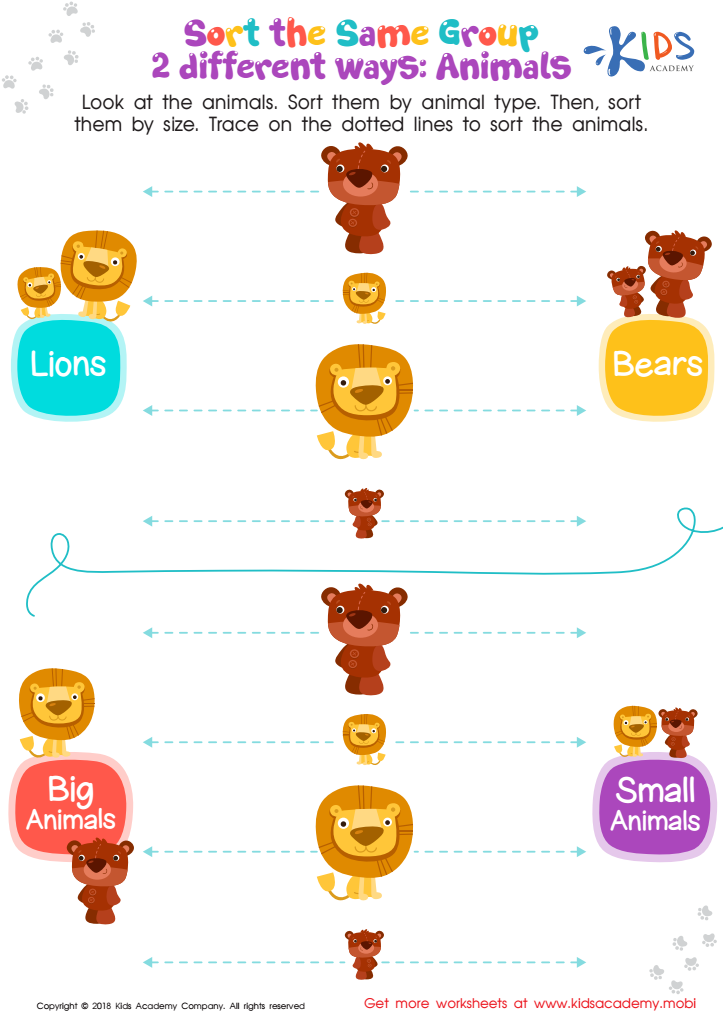
Sort the Same Group 2 Different Ways: Animals Worksheet
Look at the animals with your child. Ask them to name them, then sort them by type (e.g. lions and bears). Next, help them sort by size, tracing the dotted lines. This will teach them sorting skills.
Sort the Same Group 2 Different Ways: Animals Worksheet
Worksheet
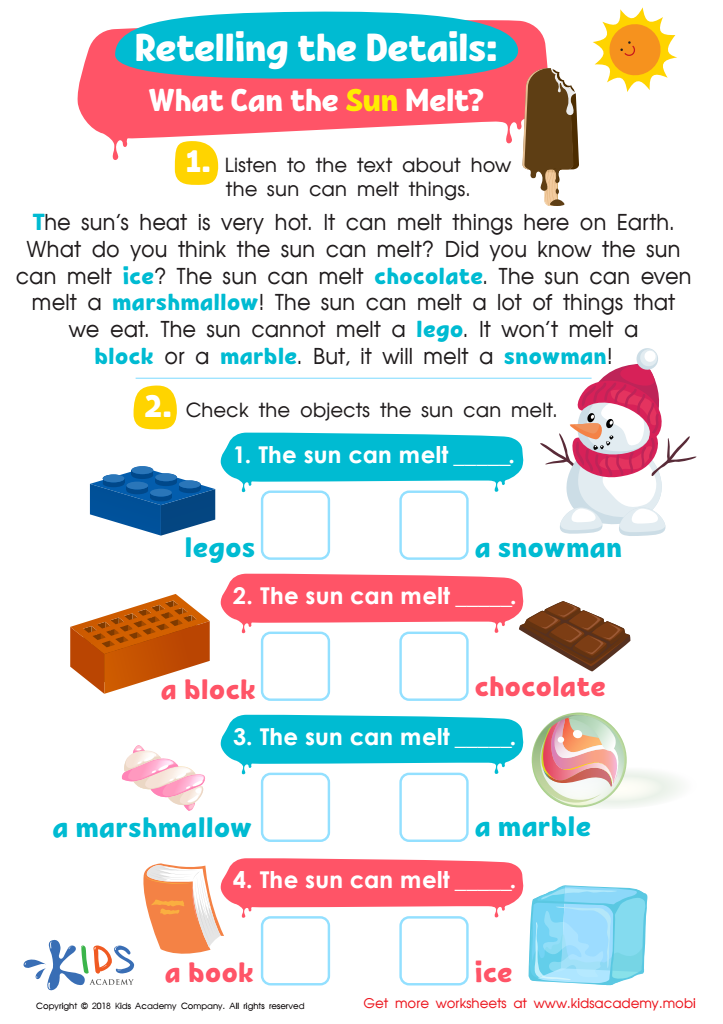
Retelling the Details: What Can the Sun Melt? Worksheet
The sun is that hot yellow ball in the sky. Its intense heat can make us sweat and even melt things! Ask your kids what things the sun can melt. Read this short informative text and have them highlight the objects. Then, read the questions out loud and help them find the right answers.
Retelling the Details: What Can the Sun Melt? Worksheet
Worksheet
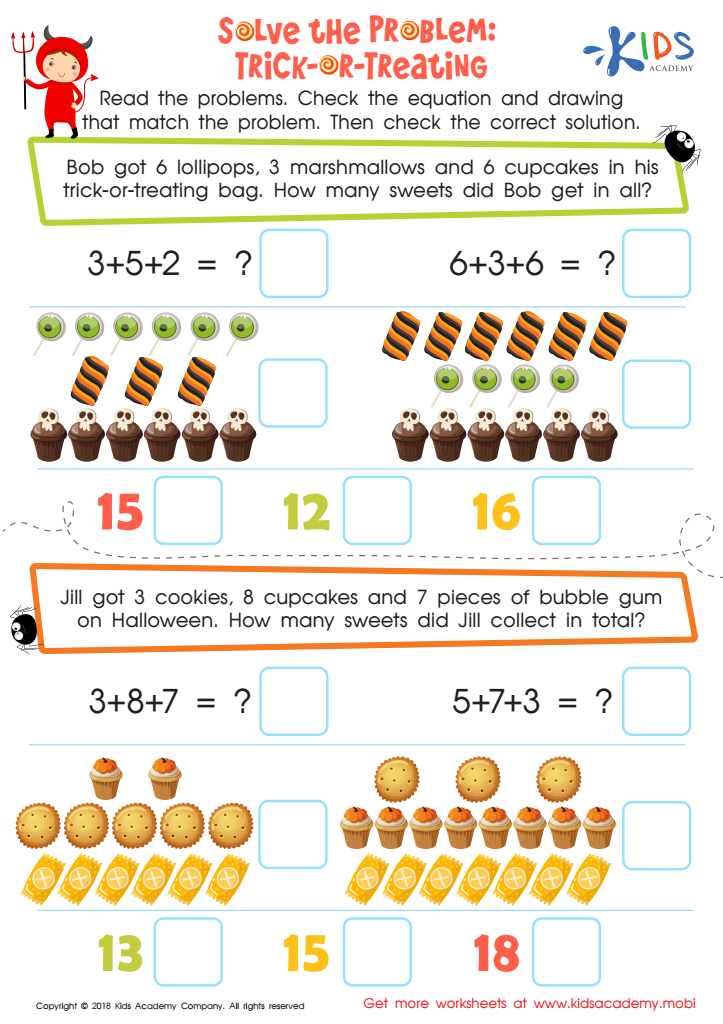
Solve the Problem: Trick–or–treating Worksheet
Kids will love this fun PDF worksheet for trick-or-treating! It's packed with yummy images and math practice. They can read the word problems, count and add numbers, check their answers, and match the addition equations with the pictures. Math made delicious!
Solve the Problem: Trick–or–treating Worksheet
Worksheet
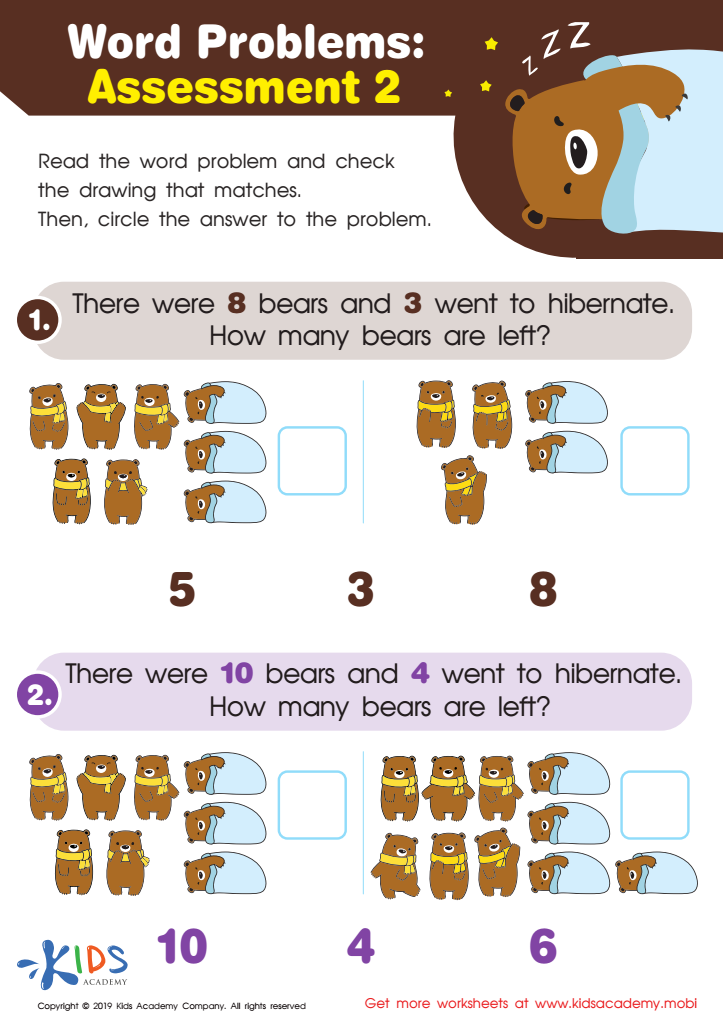
Word Problems: Assessment 2 Worksheet
This bear-themed worksheet is a great way to test subtraction skills. Have your child read the word problems and match the correct drawing with the answer. It's a fun way to quiz them without them even knowing. Enjoy counting cute snoozing bears! (80 words)
Word Problems: Assessment 2 Worksheet
Worksheet
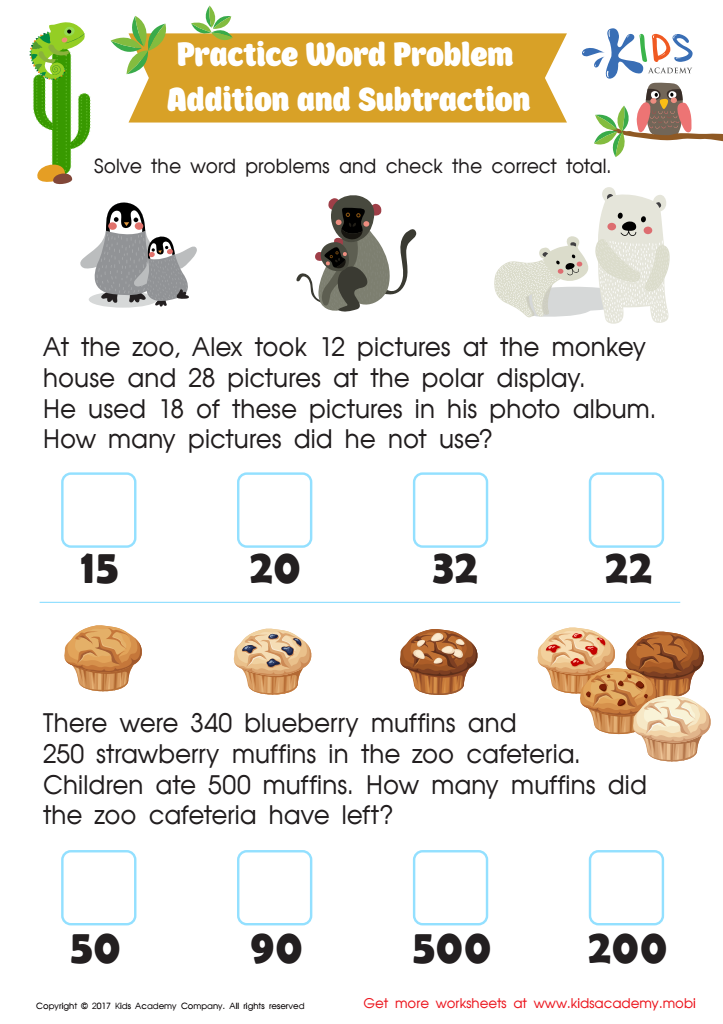
Addition and Subtraction: Word Problems Worksheet
Word problems can be difficult, but they offer another way to understand math. Our 3rd grade worksheet takes your child to the zoo; two intriguing word problems will test their thinking skills and help them find the total.
Addition and Subtraction: Word Problems Worksheet
Worksheet
Join Kids Academy for Free
Who is primarily going to use this learning content?






Parents and teachers should care about logical reasoning development in preschoolers because it is foundational to a child's overall cognitive growth and future academic success. Logical reasoning skills enable children to analyze information, make decisions, and solve problems, which are essential abilities in everyday life and later educational endeavors.
During preschool years, children's brains are exceptionally adaptable, making this stage ideal for fostering these skills through engaging educational activities. Activities that promote logical reasoning—such as puzzles, categorization games, and pattern recognition—encourage critical thinking, creativity, and the ability to understand relationships between concepts.
Additionally, these skills contribute to emotional intelligence and social interactions, allowing children to reason through conflicts, understand differing perspectives, and empathize with others. By prioritizing logical reasoning through enjoyable learning experiences, parents and teachers help children build confidence in their problem-solving abilities.
Highlighting logical reasoning in the classroom or at home can also encourage a love for learning, as children begin to see connections between their efforts and successful outcomes. This holistic developmental strategy equips young learners to thrive academically and socially as they progress through their educational journey. Ultimately, nurturing these skills early on sets the stage for lifelong learning.