Understanding ecosystems Normal Plants and Animals Worksheets
4 filtered results
-
From - To
Dive into the fascinating world of ecosystems with our "Understanding Ecosystems: Normal Plants and Animals Worksheets." Designed for young learners, these captivating worksheets help students explore the delicate balance of plants and animals in various habitats. Each activity encourages children to observe, compare, and understand the roles different organisms play in maintaining ecological harmony. With vibrant illustrations and thought-provoking questions, these worksheets make learning about ecosystems both engaging and educational. Empower your child to become an environmental steward as they uncover the intricacies of nature’s web, fostering curiosity and a lifelong love for science. Perfect for classroom or home learning!
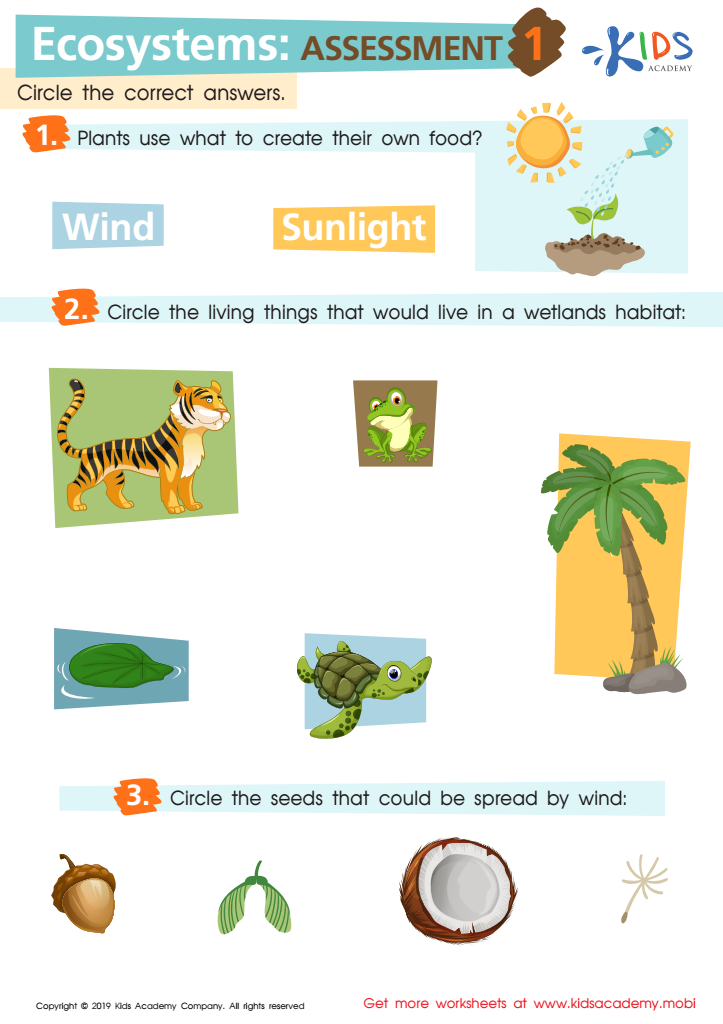
Ecosystems: Assessment 1 Worksheet
 Assign to My Students











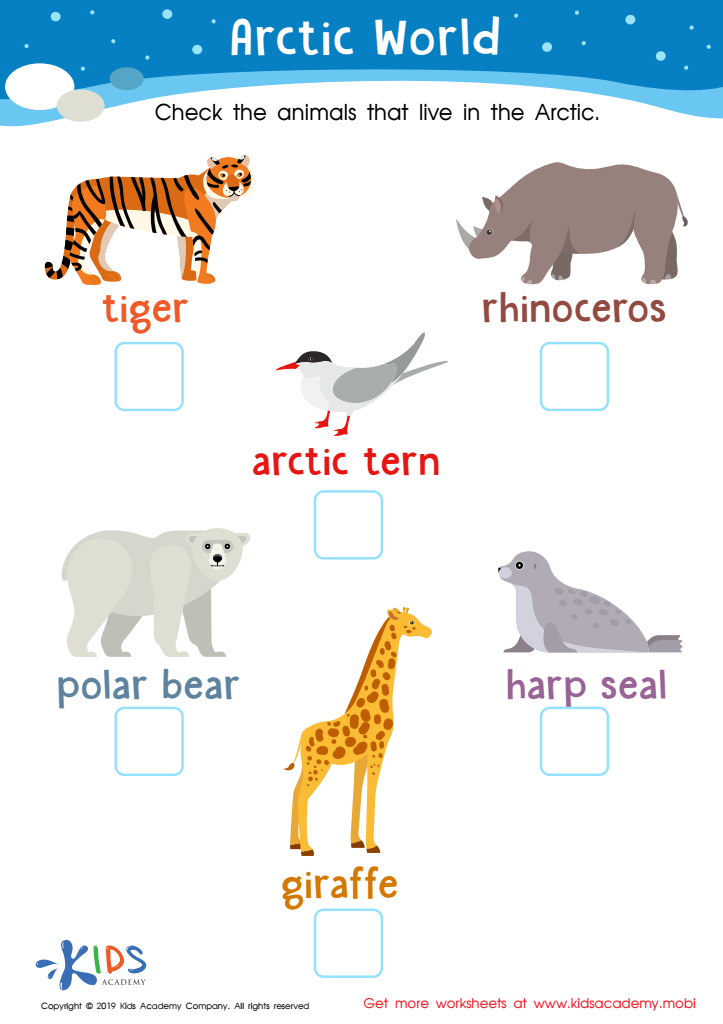
Arctic World Worksheet
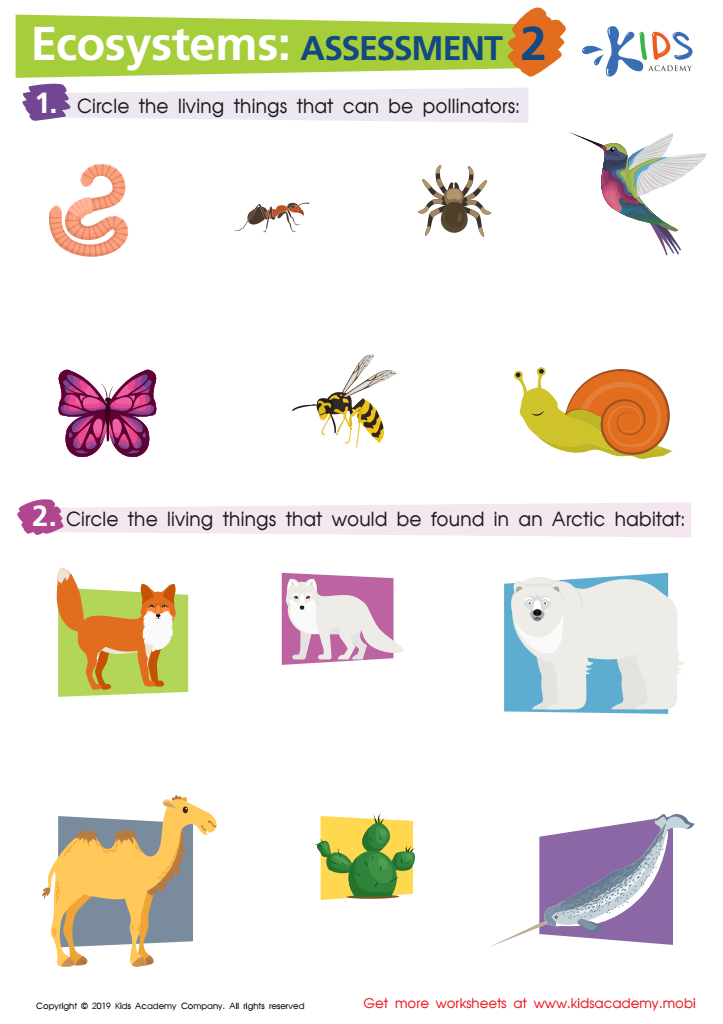
Ecosystems: Assessment 2 Worksheet
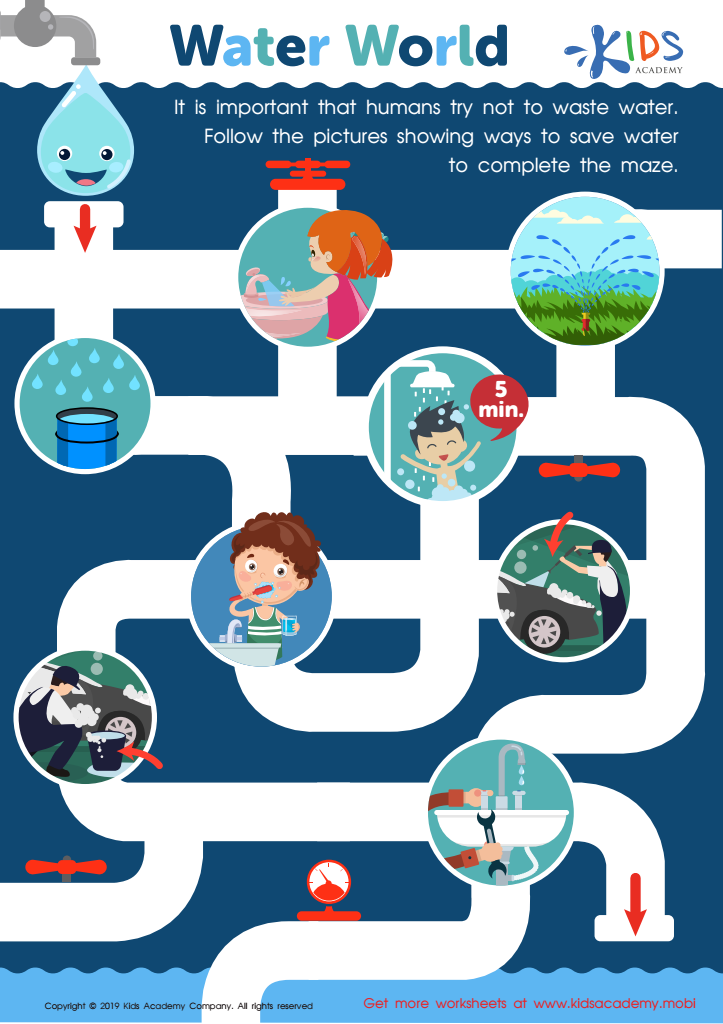
Water World Worksheet








Parents and teachers should care about understanding ecosystems, normal plants, and animals because this knowledge forms the foundation for environmental stewardship and scientific awareness in children. By teaching kids about ecosystems, adults help them appreciate the interconnectivity between various organisms and their habitats. This understanding fosters respect for natural resources and reinforces the importance of biodiversity for a balanced and healthy environment.
Moreover, comprehending the relationships between plants and animals helps children recognize the critical roles these organisms play in maintaining ecological balance. For instance, a lack of pollinators can affect food crops, while predators keep populations of prey species in check. Educating kids on these roles prepares them to make informed decisions that support sustainable living practices in the future.
Such knowledge also enhances critical thinking and inquiry-based learning. Kids can observe, question, and analyze how different elements of an ecosystem influence one another, thereby developing scientific curiosity and reasoning skills. Additionally, understanding local flora and fauna promotes a direct connection to the environment around them, encouraging outdoor activity, and promoting mental and physical well-being.
Ultimately, instilling this awareness helps cultivate environmentally conscious citizens capable of addressing and mitigating future ecological challenges through informed decisions and actions.







