Vocabulary expansion Normal Plants and Animals Worksheets
9 filtered results
-
From - To
Discover an engaging collection of Vocabulary Expansion Worksheets focused on Plants and Animals, designed to enhance your child's language skills while exploring the natural world. Our worksheets promote vocabulary development through fun exercises and interactive activities, making learning enjoyable for young learners. Students will explore various plant and animal species, their characteristics, and habitats, fostering curiosity and knowledge. These resources are perfect for early grade teachers and parents seeking to enrich their child's understanding of science-related terminology. Dive into a world of discovery today, nurturing a love for learning while building a solid foundation in vocabulary related to plants and animals!
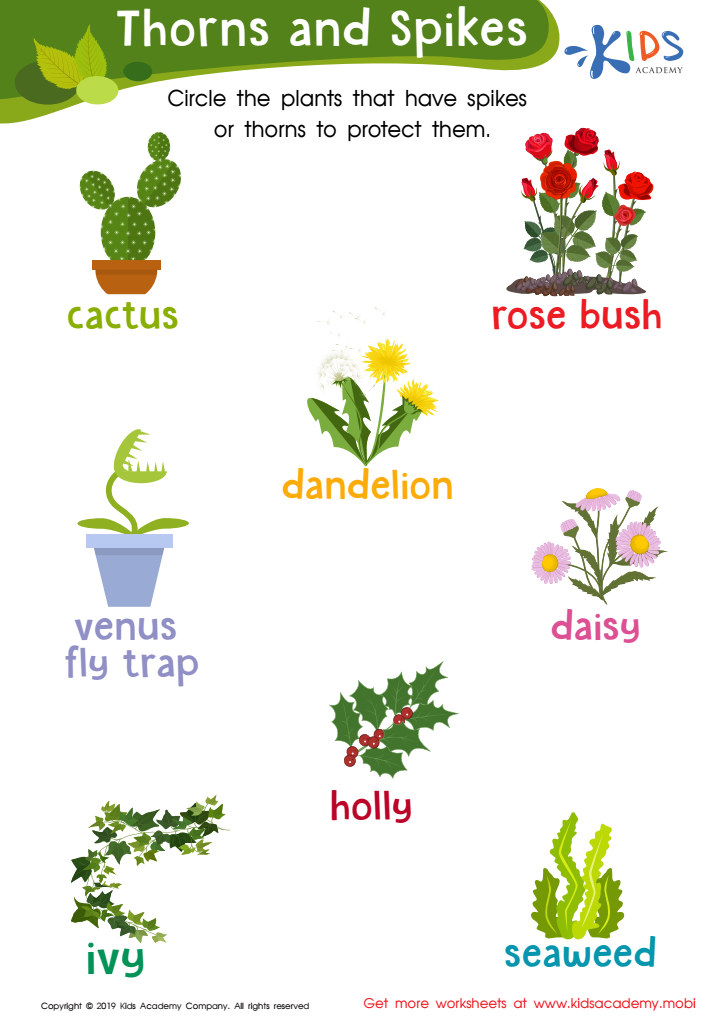
Thorns and Spikes Worksheet
 Assign to My Students











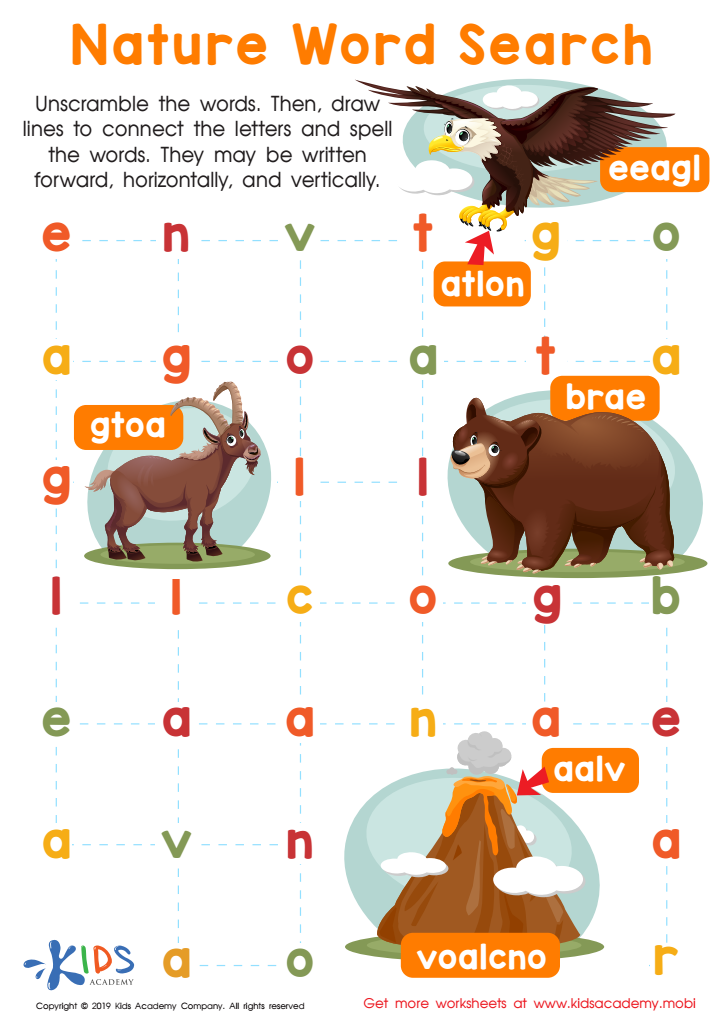
Nature Word Search Worksheet
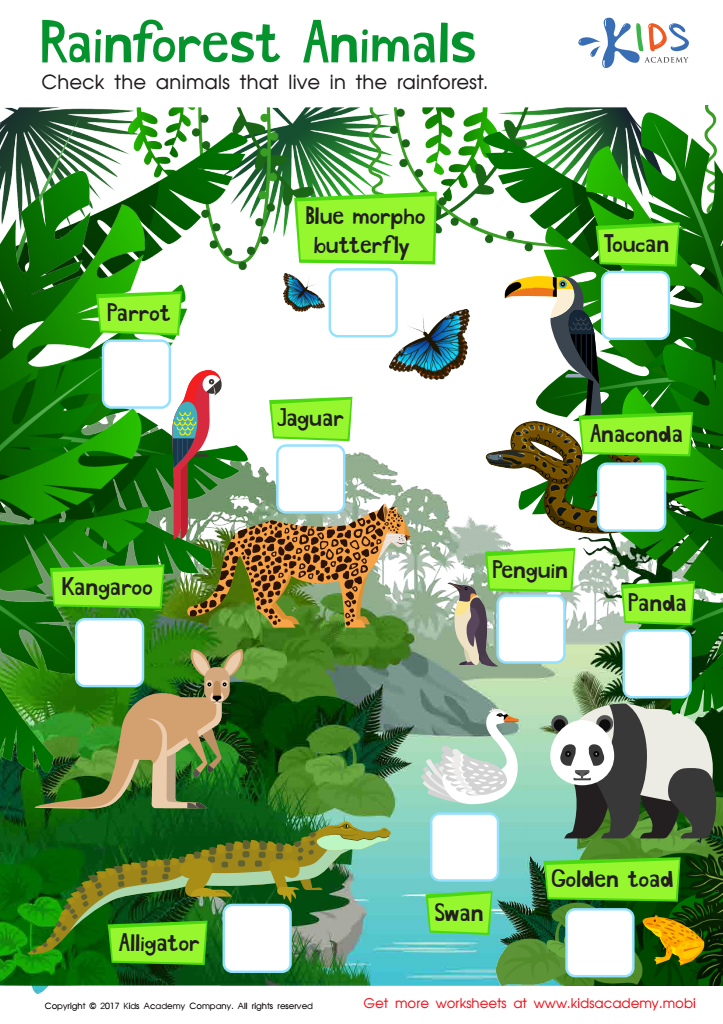
Rainforest Animals Worksheet
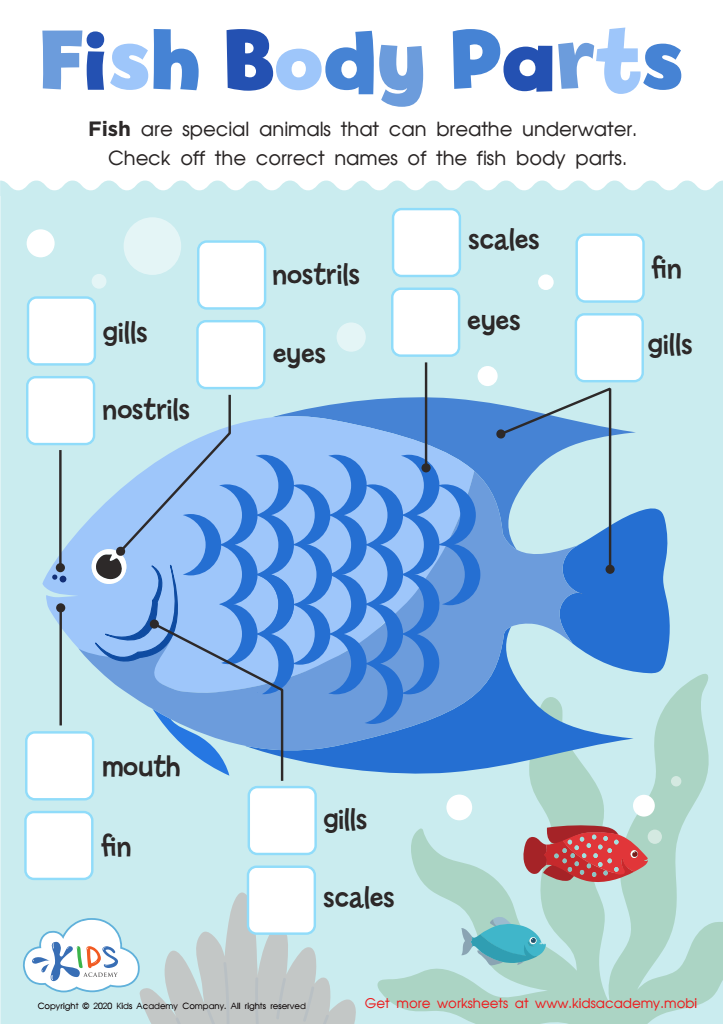
Fish Body Parts Worksheet
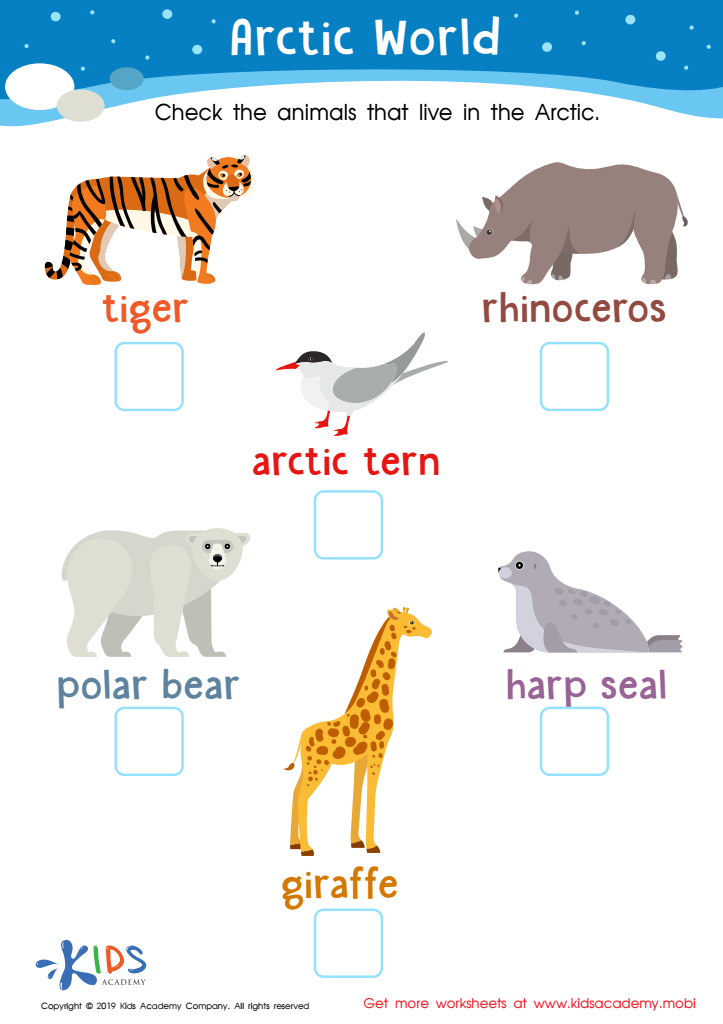
Arctic World Worksheet
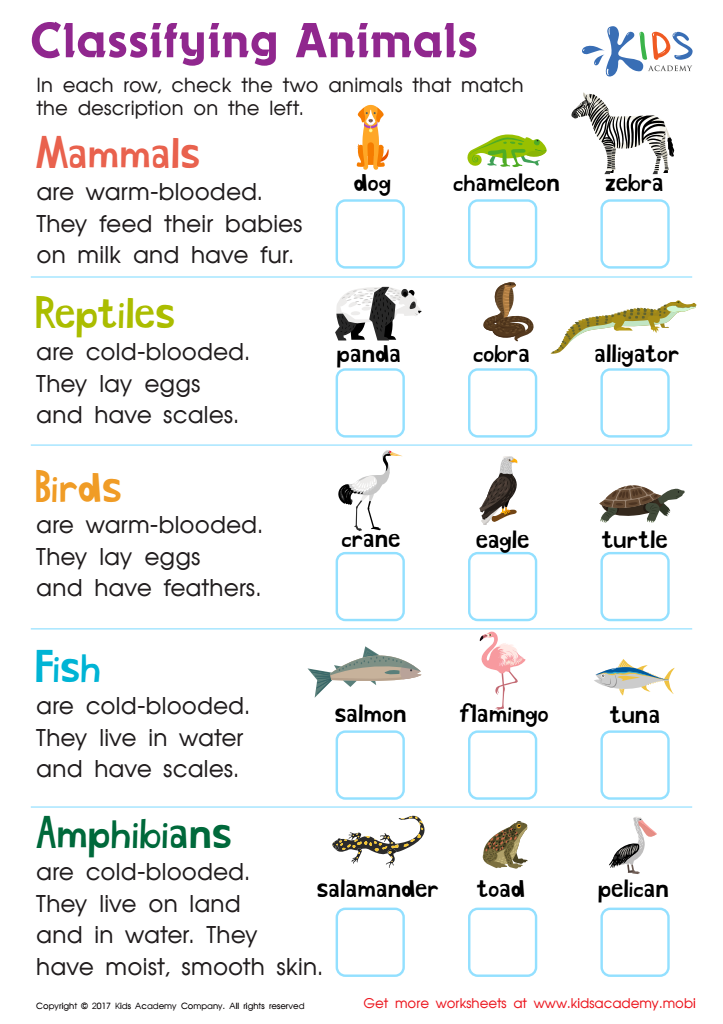
Classifying Animals Worksheet
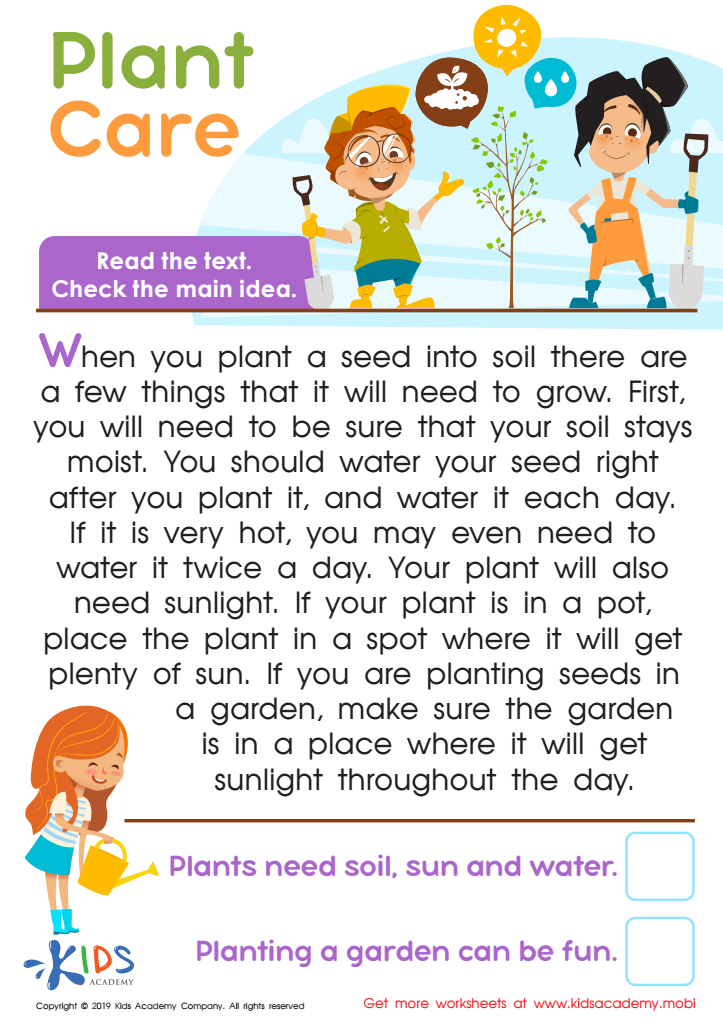
Plant Care Worksheet
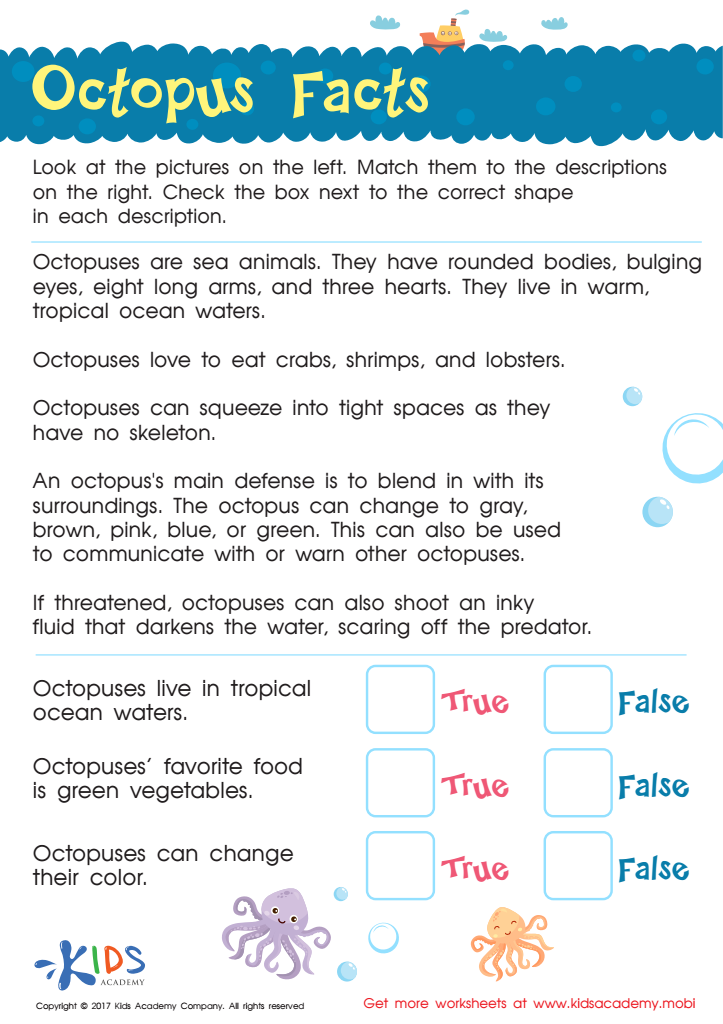
Octopus Facts Worksheet For Kids
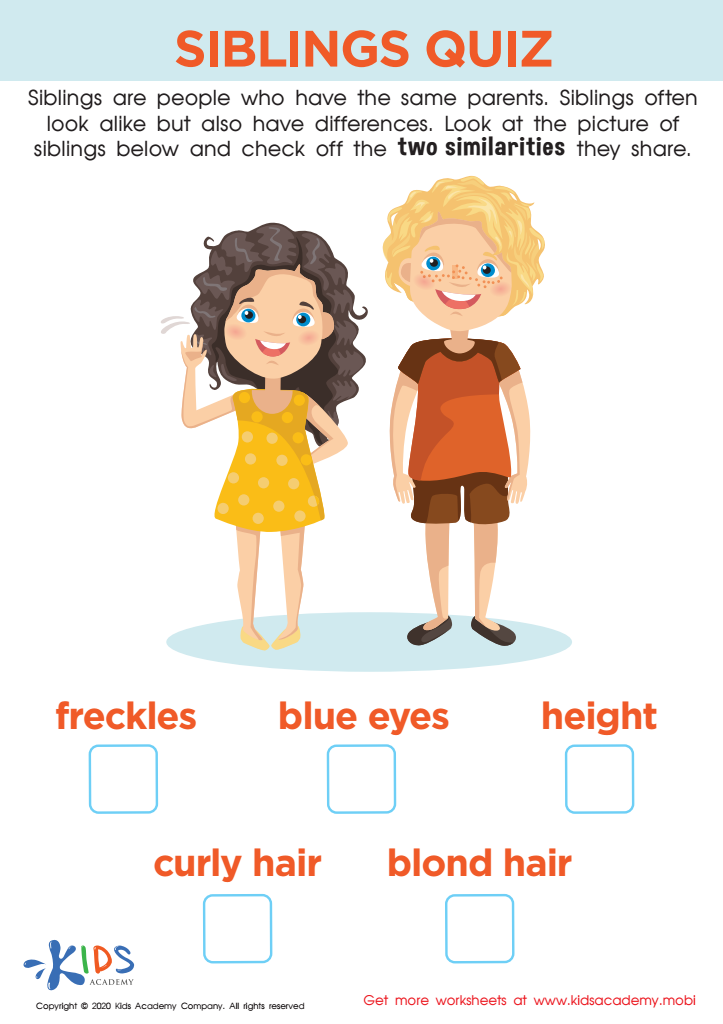
Siblings Quiz Worksheet







Parents and teachers should prioritize vocabulary expansion in the context of normal plants and animals for several compelling reasons. Firstly, a robust vocabulary is foundational for effective communication and literacy development. When children understand and can articulate terms related to plants and animals, they enhance their ability to engage with various subjects, such as science and geography, fostering a well-rounded education.
Moreover, knowledge of plants and animals encourages curiosity about the natural world. It allows children to develop critical thinking skills as they learn to categorize, compare, and understand ecosystems. Familiarity with vocabulary related to the environment enables students to engage in discussions about conservation and biodiversity, teaching them the importance of caring for our planet.
Additionally, expanding vocabulary builds confidence, allowing students to express their thoughts and ideas more articulately. This self-assurance can translate into improved academic performance and social interactions.
Lastly, experiences with nature, encouraged through vocabulary expansion, create opportunities for experiential learning. Real-world connections deepen understanding and retention, making learning both relevant and enjoyable. In summary, fostering vocabulary related to normal plants and animals not only enriches educational experiences but also cultivates a generation that appreciates and protects our natural environment.







