Cognitive Development Normal Grade 2 Worksheets
18 filtered results
-
From - To
Explore our engaging Cognitive Development Normal Grade 2 Worksheets, designed to enhance critical thinking and problem-solving skills for young learners. These comprehensive resources foster logical reasoning, encourage imaginative play, and promote interactive learning strategies tailored for second-grade students. Our worksheets feature a variety of activities that challenge students to explore concepts like sorting, classifying, pattern recognition, and sequencing in a fun, engaging manner. Ideal for both classroom use and at-home practice, these worksheets empower educators and parents to support children's cognitive growth effectively. Unlock your child’s potential with our thoughtfully crafted materials while making learning an enjoyable experience!
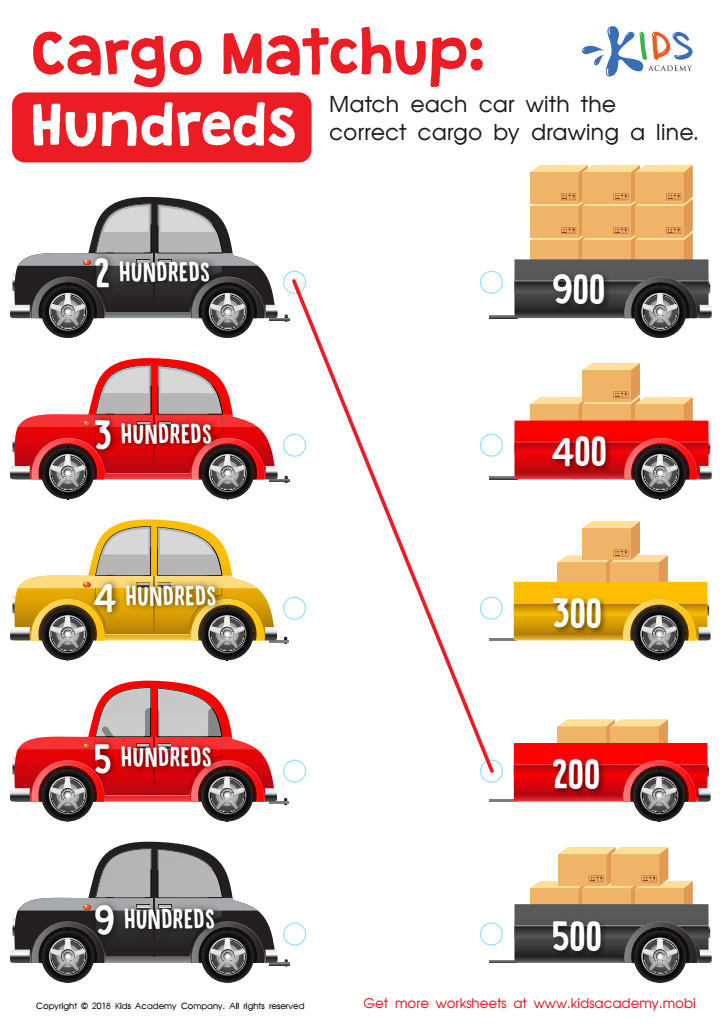
Cargo Matchup: Hundreds Worksheet
 Assign to My Students
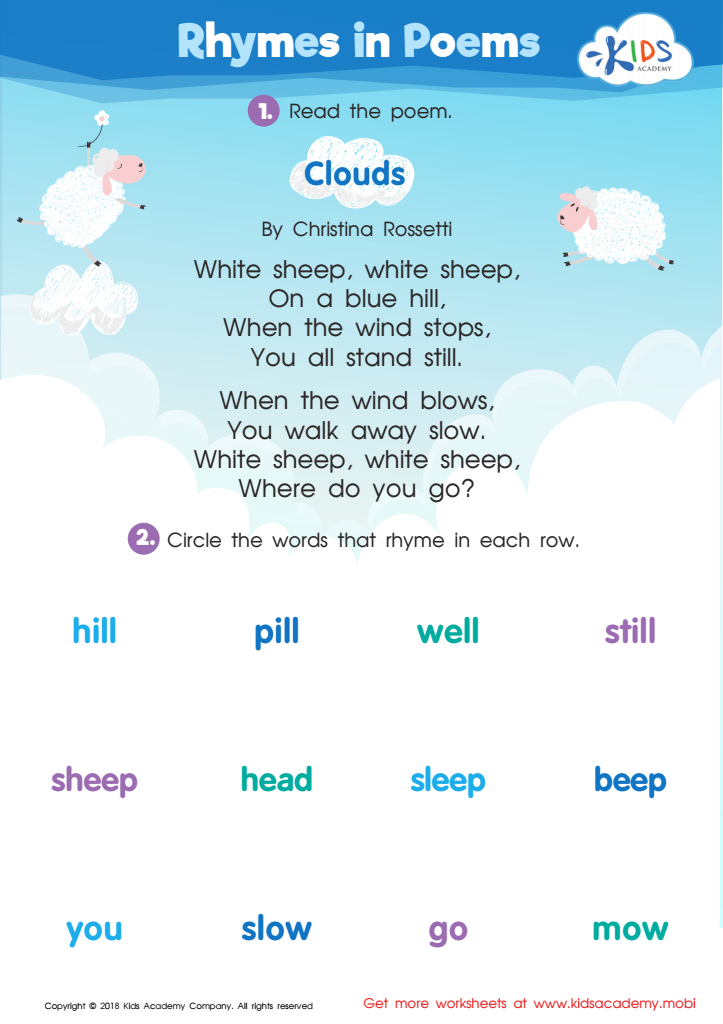
Rhymes in Poems Worksheet
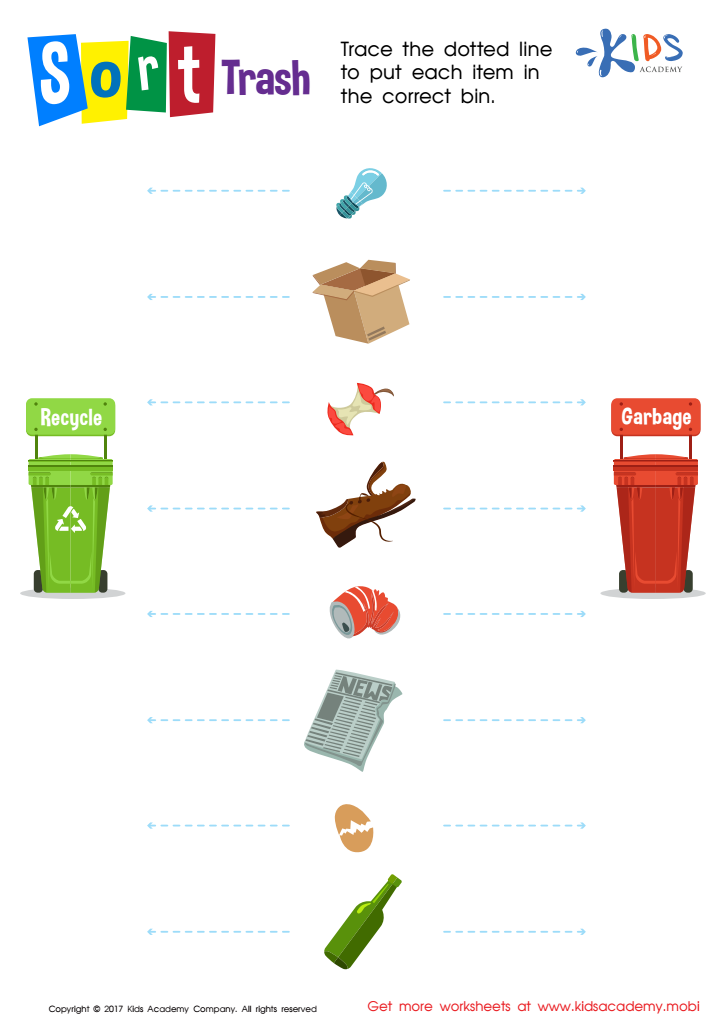
Trash Sorting Worksheet
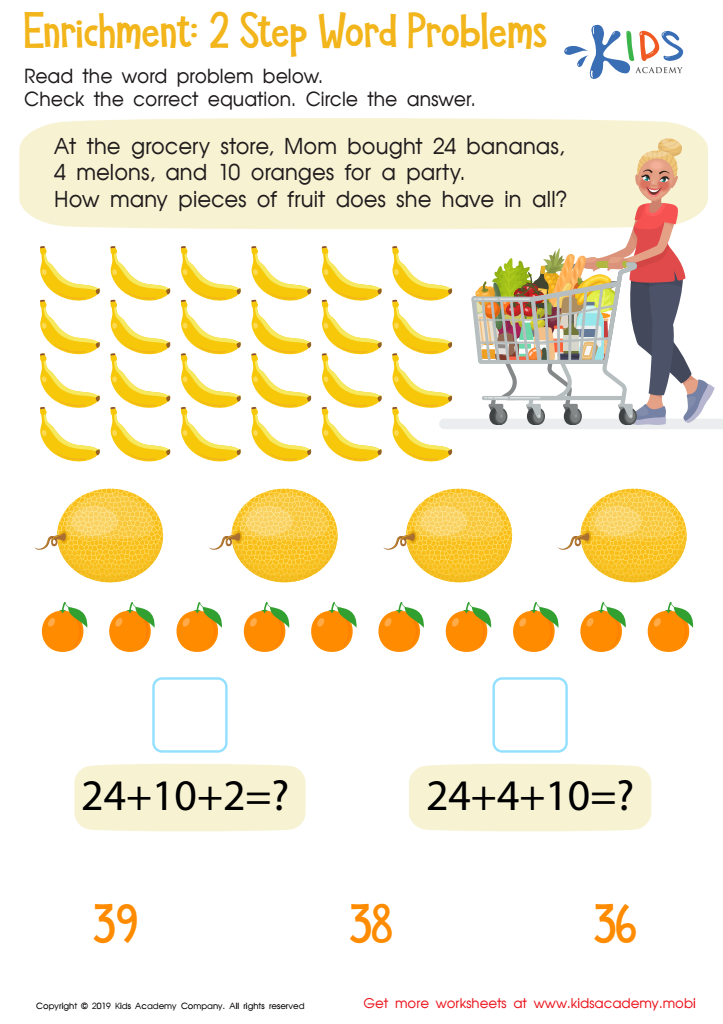
Enrichment -2 Step Word Problems Worksheet
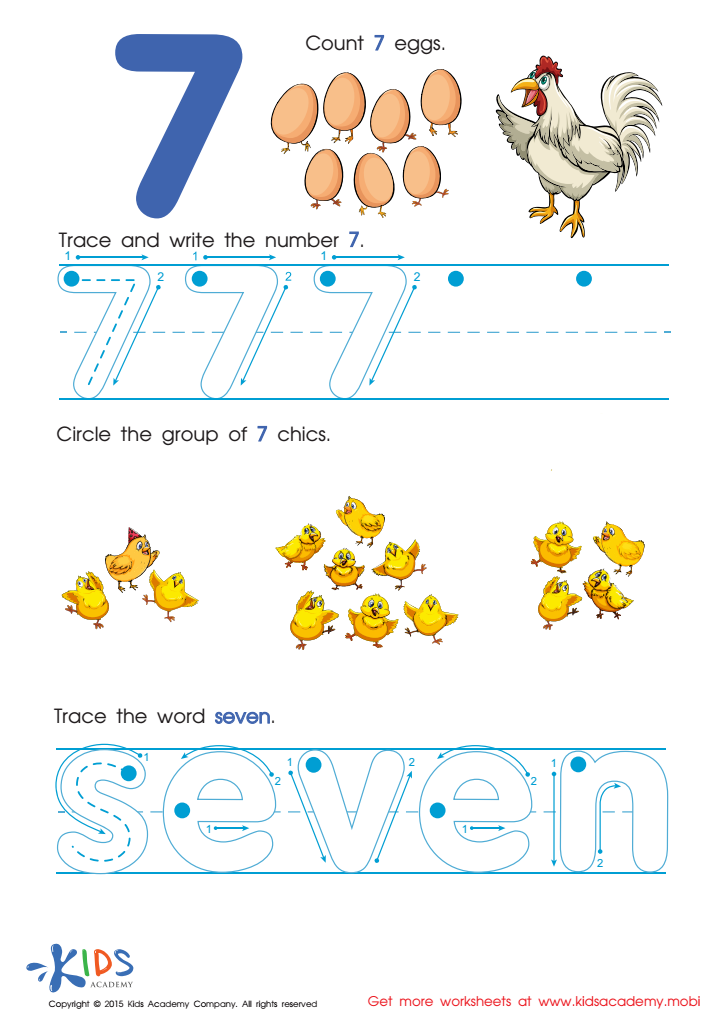
Trace And Write Number 7 with Fun Worksheet
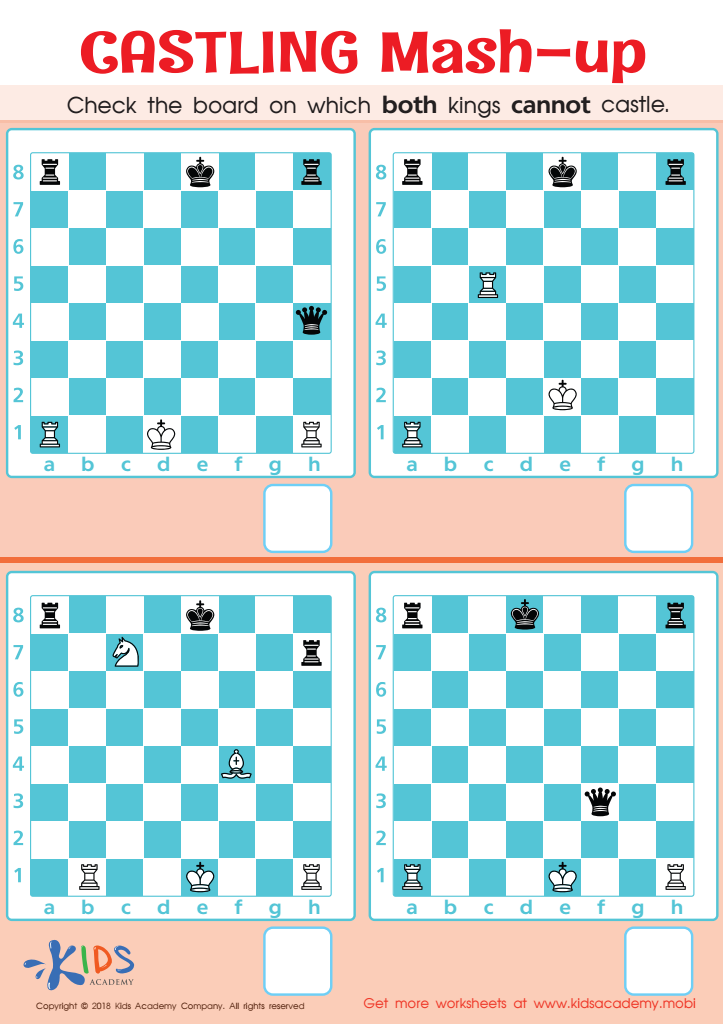
Castling Mash–up Worksheet
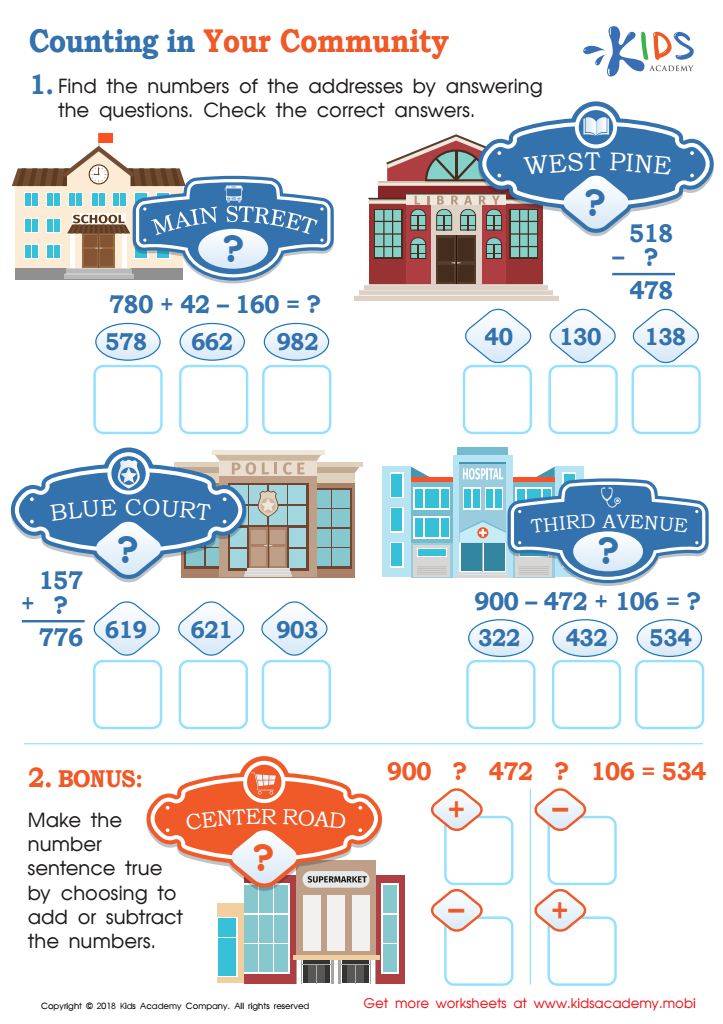
Counting in Your Community Worksheet
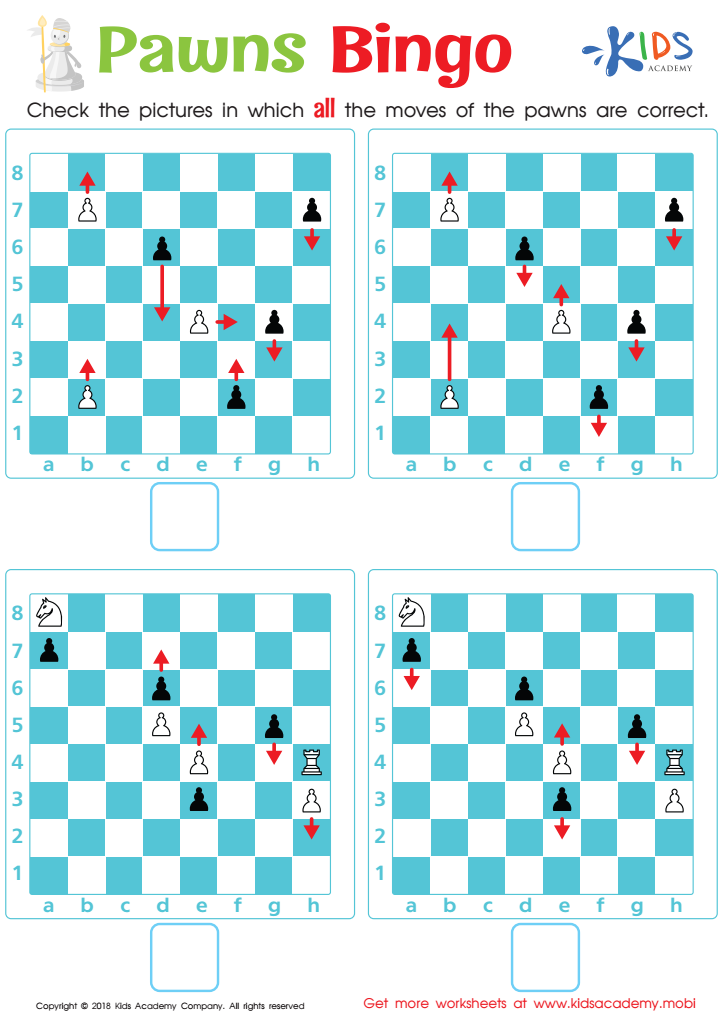
Pawns Bingo Worksheet
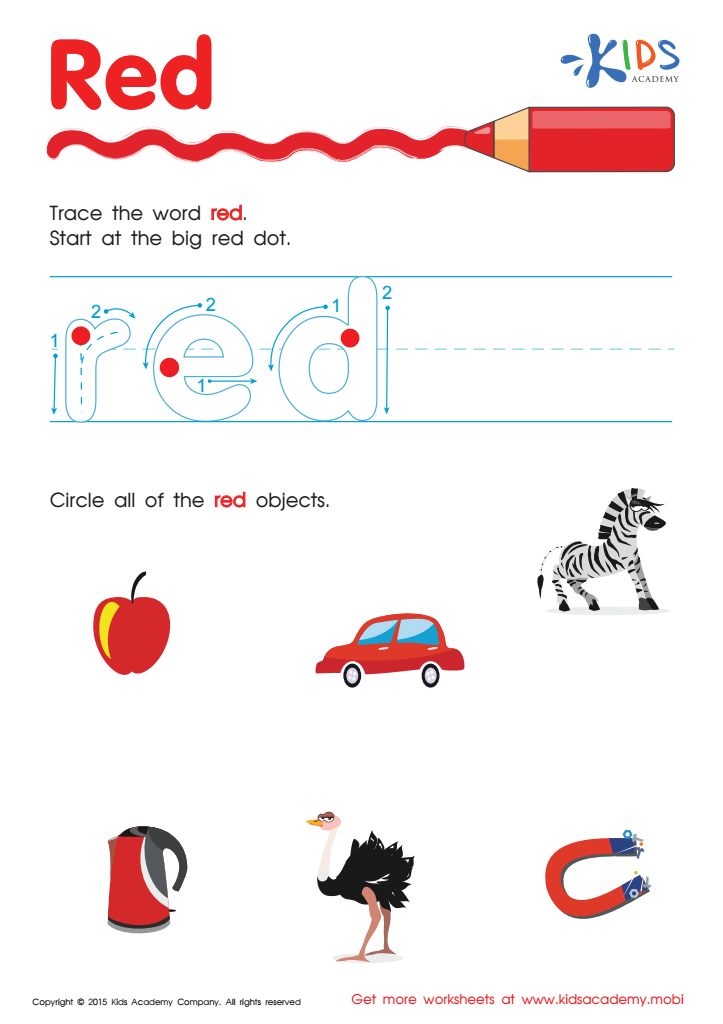
Red Tracing Color Words Printable
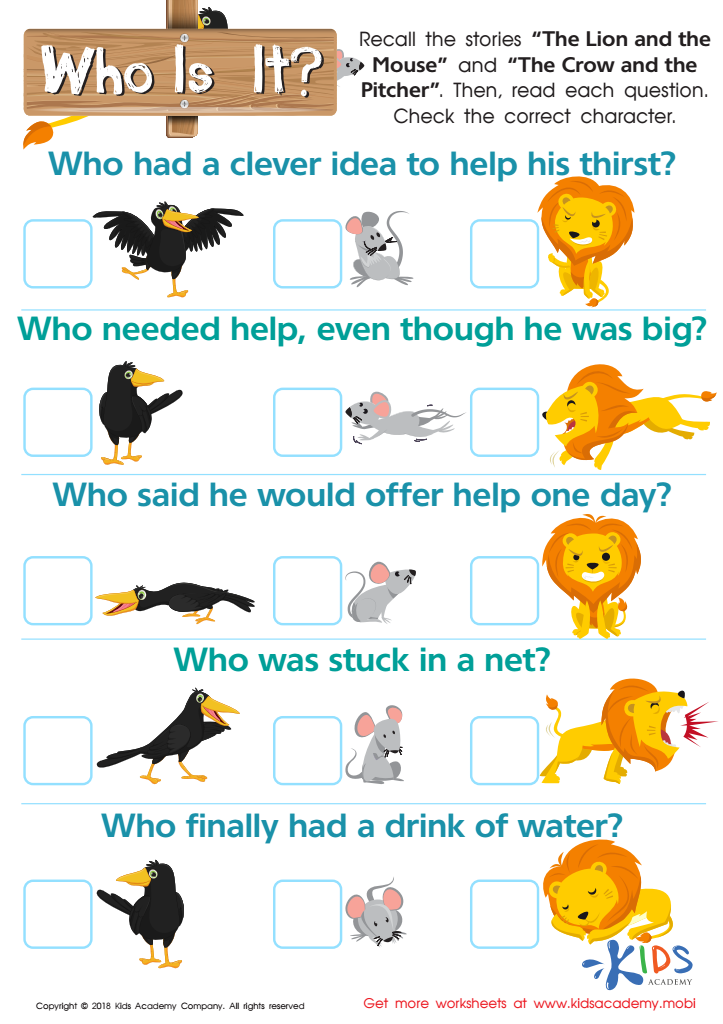
Who Is It? Worksheet
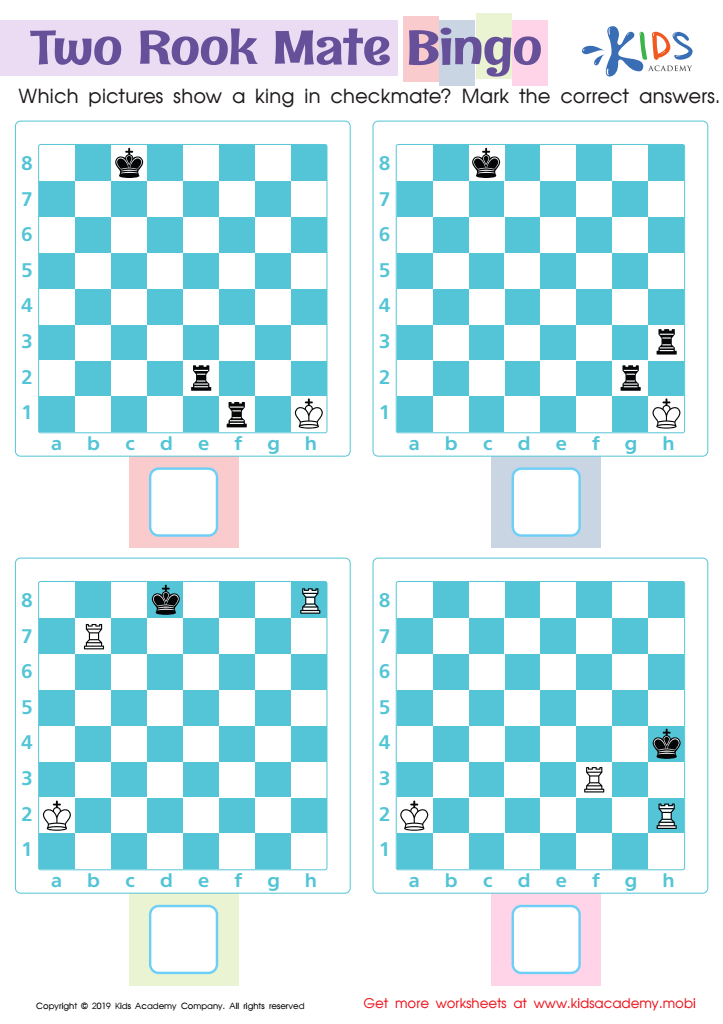
Two Rook Bingo Worksheet
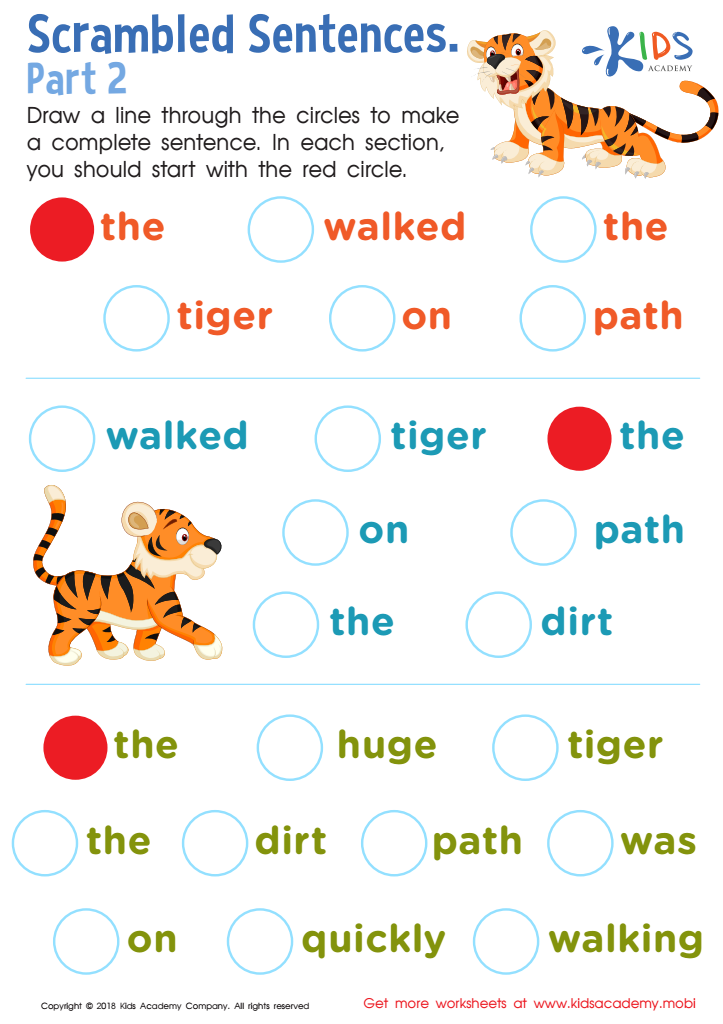
Scrambled Sentences Part 2 Worksheet
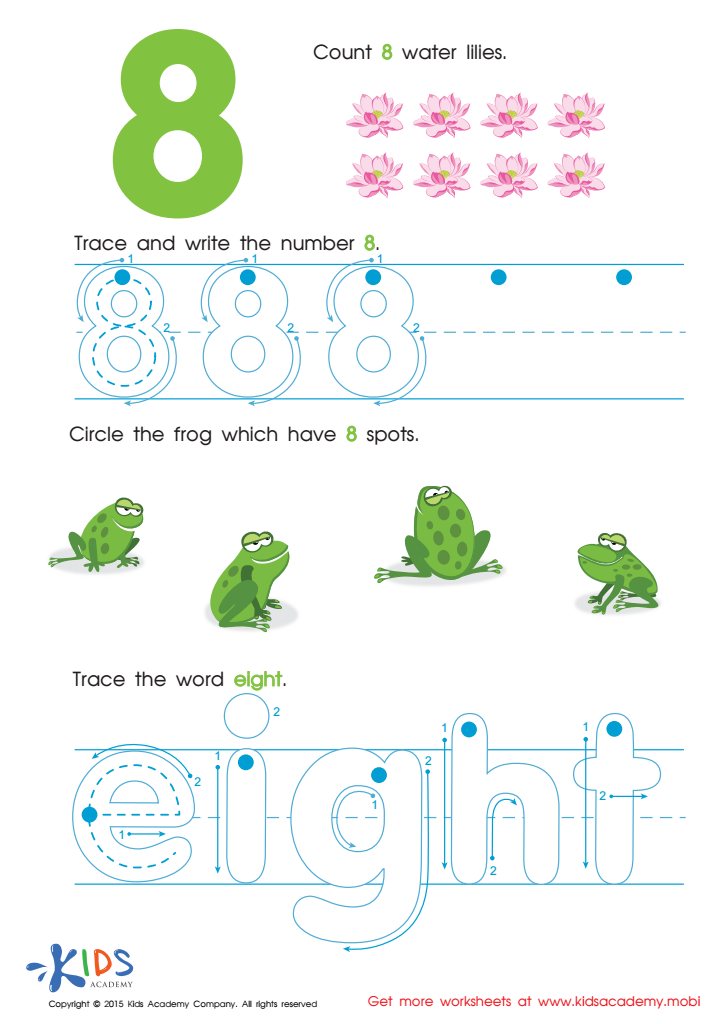
Learn Number 8 Easily Worksheet
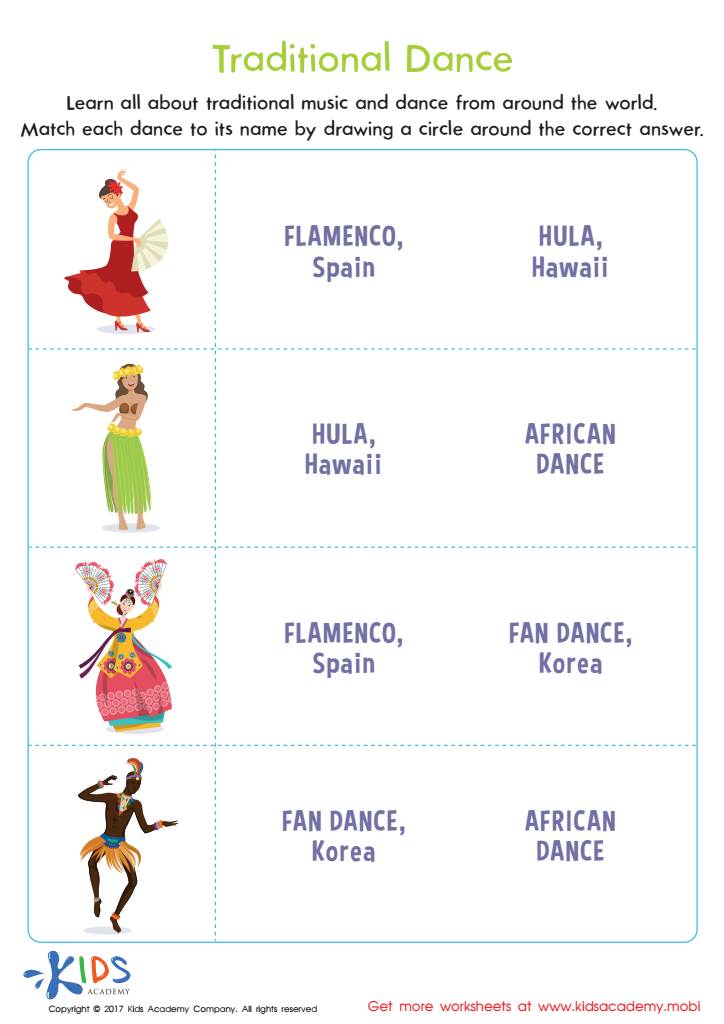
Traditional Dance Printable
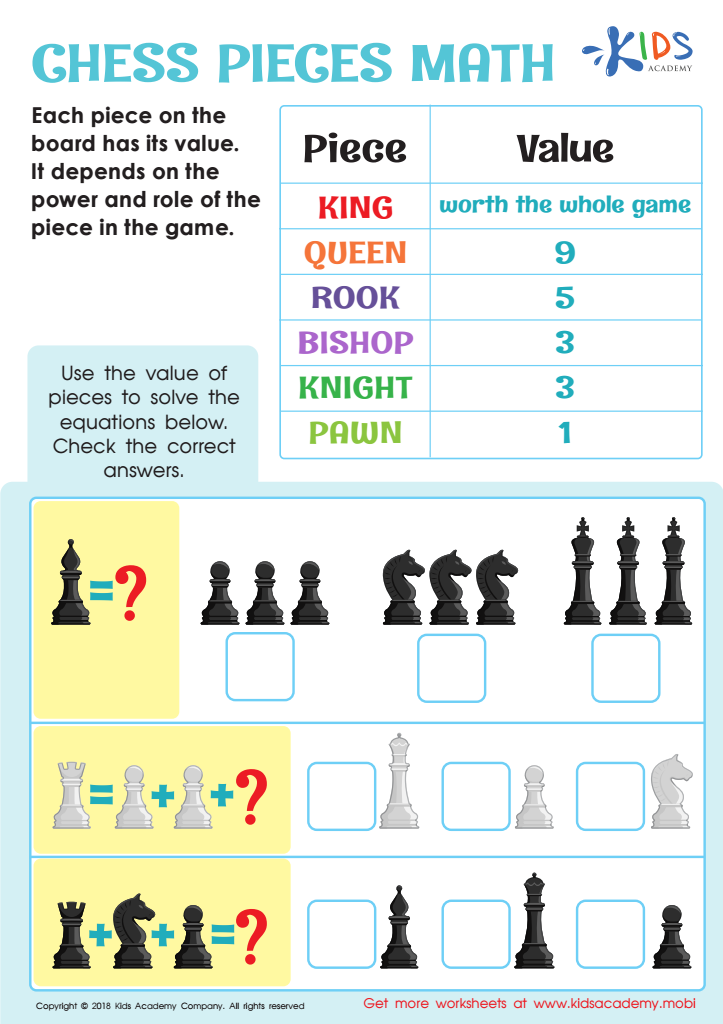
Chess Pieces Math Worksheet
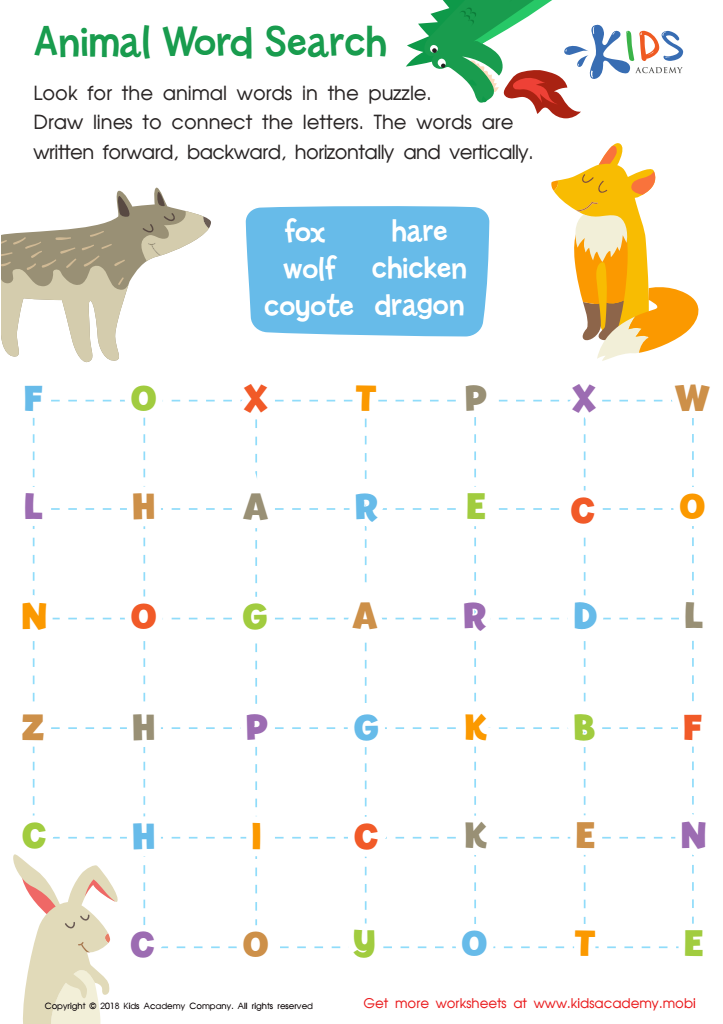
Animal Word Search Worksheet
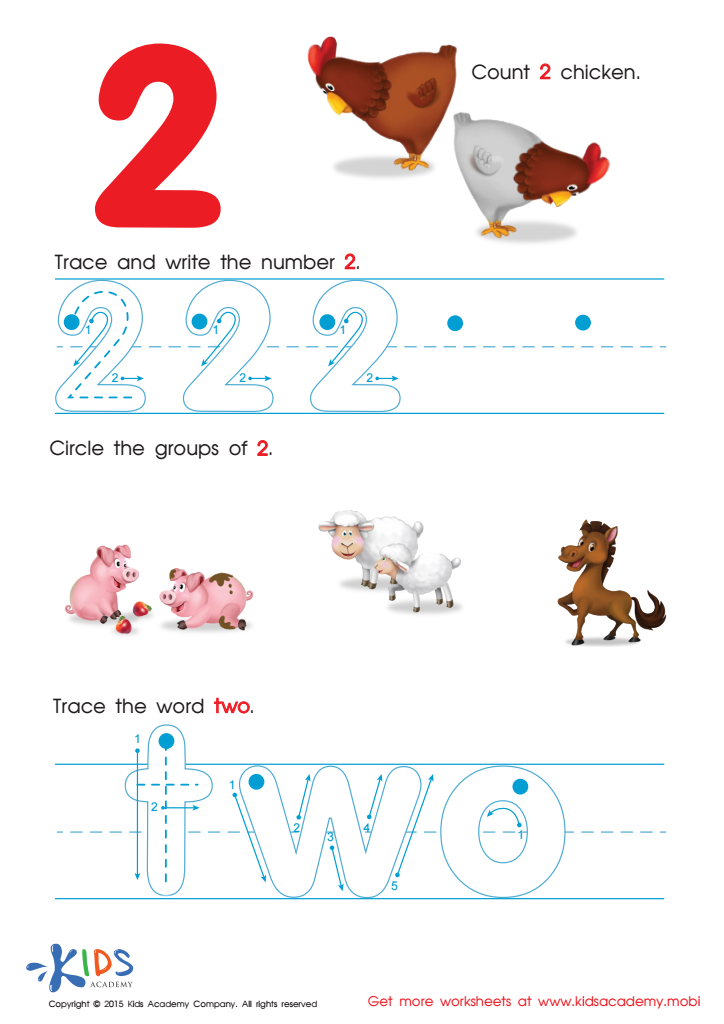
Learn to Write the Number 2 Worksheet





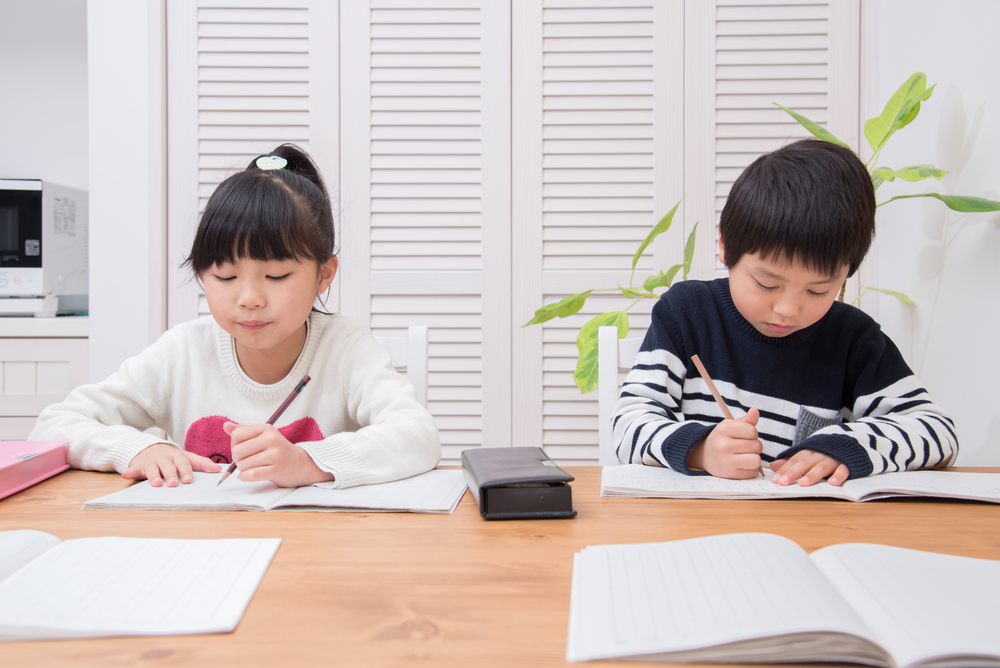

Cognitive development during grade 2 is a crucial phase where children refine their thinking skills, problem-solving abilities, and understanding of the world around them. Parents and teachers should care about this stage because it lays the foundation for future learning and emotional well-being.
At this age, children begin to develop critical thinking skills, moving from concrete to more abstract reasoning. They enhance their abilities to categorize information, understand the concept of time, and engage in logical thought processes. Supporting cognitive development through appropriate challenges will nurture a child's curiosity, encourage creativity, and foster a love for learning.
Furthermore, social cognition is significantly developing in 2nd graders, as they start to better understand others' perspectives and feelings. This aids in building empathy and improving social interactions. Parents and educators play a vital role in creating a supportive environment—through enriching activities, collaborative projects, and open communication—that allows children to explore, ask questions, and develop a deeper understanding of their surroundings.
By emphasizing cognitive development, adults can help children build confidence, develop essential skills they will carry into future academic endeavours, and create a strong sense of intellectual curiosity that encourages lifelong learning.