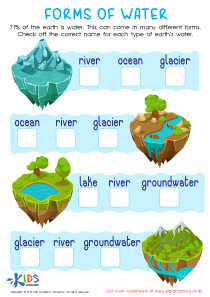
Visual Learning Normal Grade 2 Worksheets
4 filtered results
-
From - To
Discover our comprehensive Visual Learning Grade 2 Worksheets designed to enhance your child's cognitive development through engaging visual aids and activities. These worksheets cover essential subjects, from math and reading to problem-solving, using vivid graphics to capture students' attention and make learning enjoyable. Ideal for home or classroom use, each worksheet is carefully crafted to align with educational standards, ensuring consistent progress. Boost your second grader's comprehension and retention with our expertly designed visual learning resources, and watch their confidence soar as they navigate through fun, interactive exercises. Perfect for supporting diverse learning styles and maximizing educational outcomes.
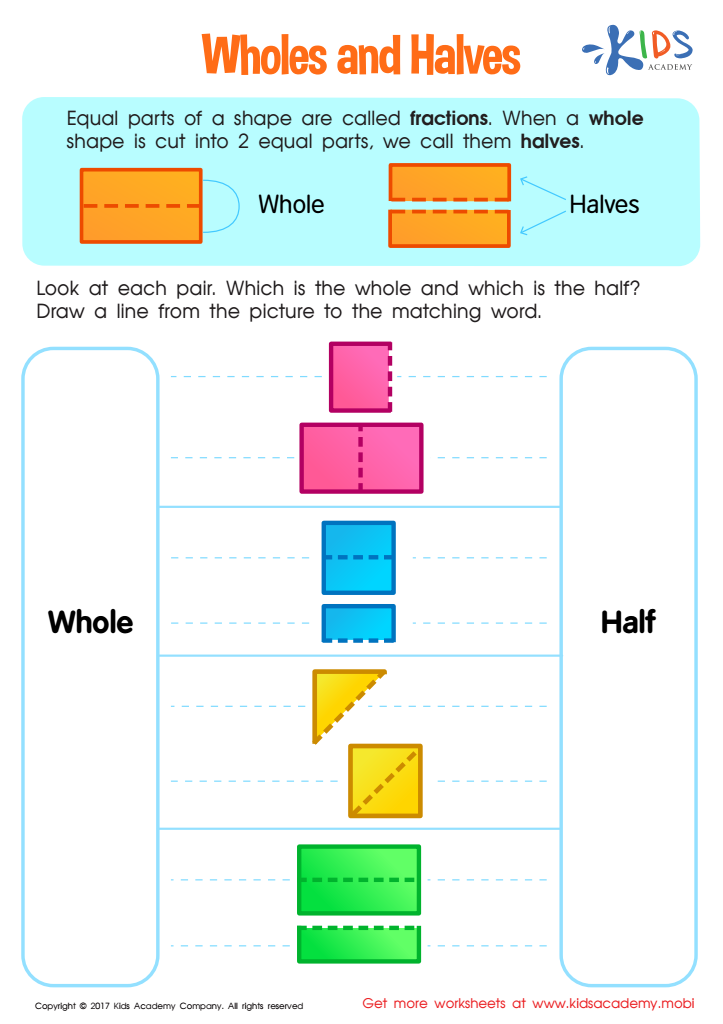
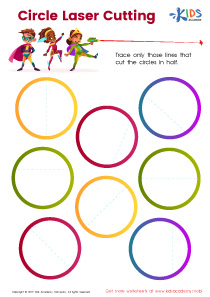
Wholes and Halves Worksheet
 Assign to My Students
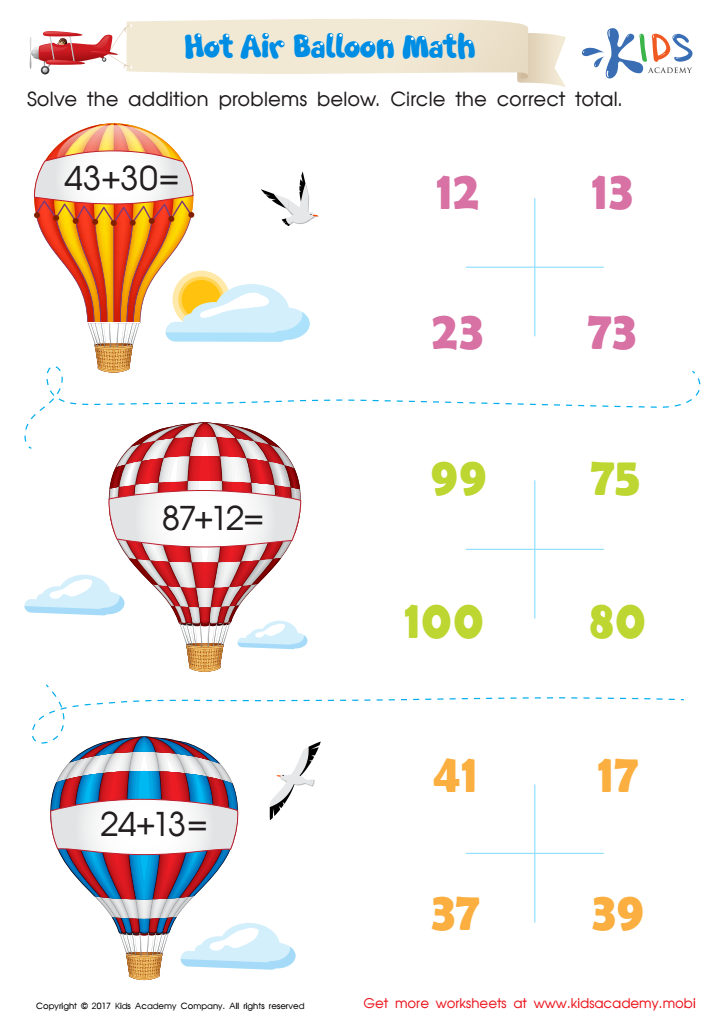
Hot Air Balloon Math Worksheet
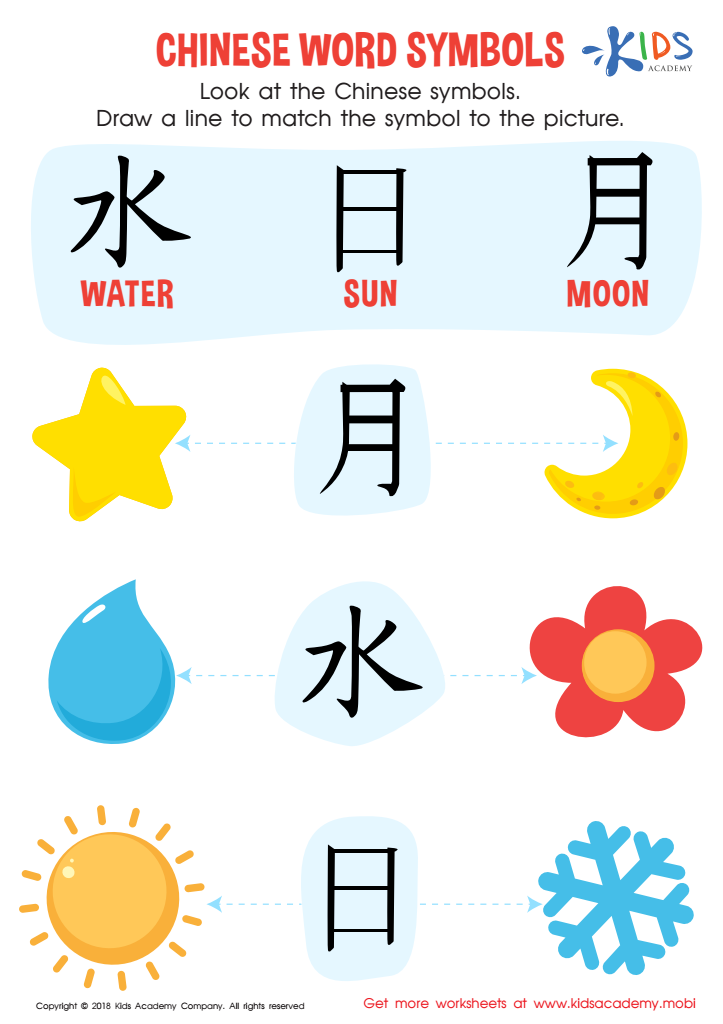
Chinese Word Symbols Worksheet
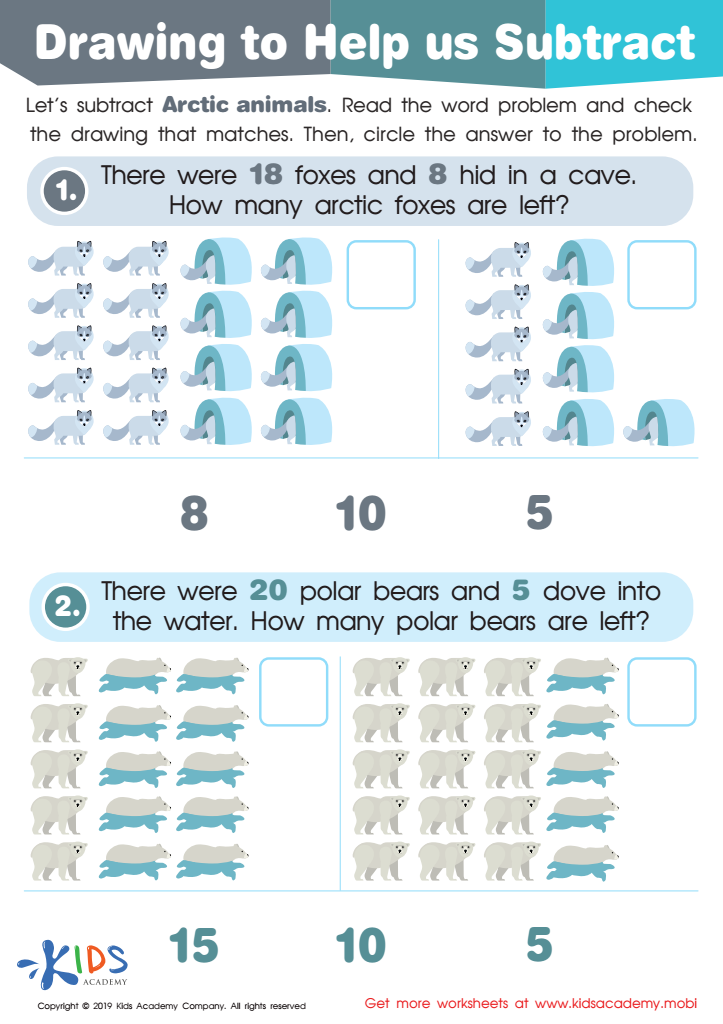
Drawing to Help Us Subtract Worksheet








Visual learning is a crucial part of education for second graders, as it aligns with their developmental stage. At this age, children are highly visual and often understand concepts better when they can see them. Visual learning tools such as pictures, diagrams, and graphic organizers can make abstract ideas more concrete, aiding comprehension and retention.
Incorporating visual elements into lessons helps cater to various learning styles, ensuring that all students have an equal opportunity to grasp the material. Visual aids can simplify complex instructions, making it easier for young children to follow along and stay engaged. They also provide visual context that enhances vocabulary development and reading comprehension, key skills in the second grade curriculum.
Moreover, visual learning can support critical thinking and problem-solving skills. When children are presented with a visual representation of information, they are often better able to analyze and synthesize that information. Using charts, graphs, and mind maps can help them see relationships between concepts, fostering deeper understanding.
For parents and teachers, focusing on visual learning is an effective strategy to boost communication, participation, and academic success in young learners. It is essential to embrace and integrate visual tools to create a rich, supportive learning environment that promotes growth, confidence, and enthusiasm for learning.