Fine Motor Skills Normal Grade 2 Geometry Worksheets
4 filtered results
-
From - To
Enhance your second grader's learning experience with our Fine Motor Skills Normal Grade 2 Geometry Worksheets. These engaging resources are designed to strengthen fine motor skills while introducing essential geometric concepts. Students will enjoy activities that involve tracing, drawing shapes, and completing hands-on tasks that integrate both geometry and motor skills development. By utilizing these worksheets, children can improve hand-eye coordination and dexterity, crucial for their overall academic growth. Tailored to meet curriculum standards, these worksheets make learning geometry fun and effective. Download today to support your child’s educational journey while helping them hone their fine motor abilities with creativity and enthusiasm!
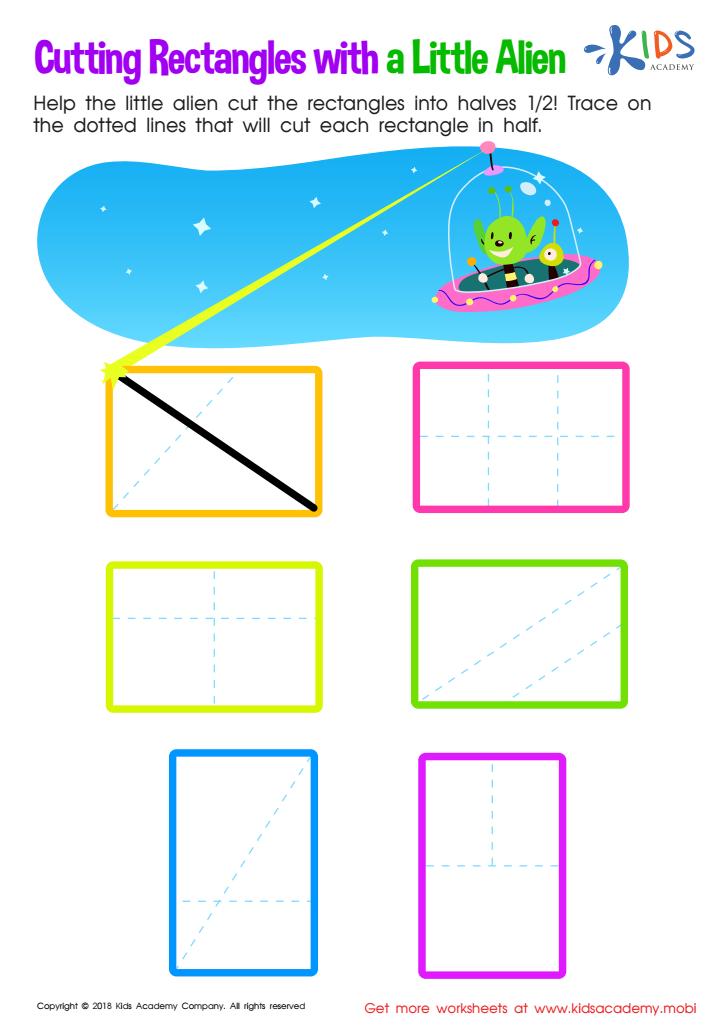
Cutting Rectangles with Alien Worksheet
 Assign to My Students
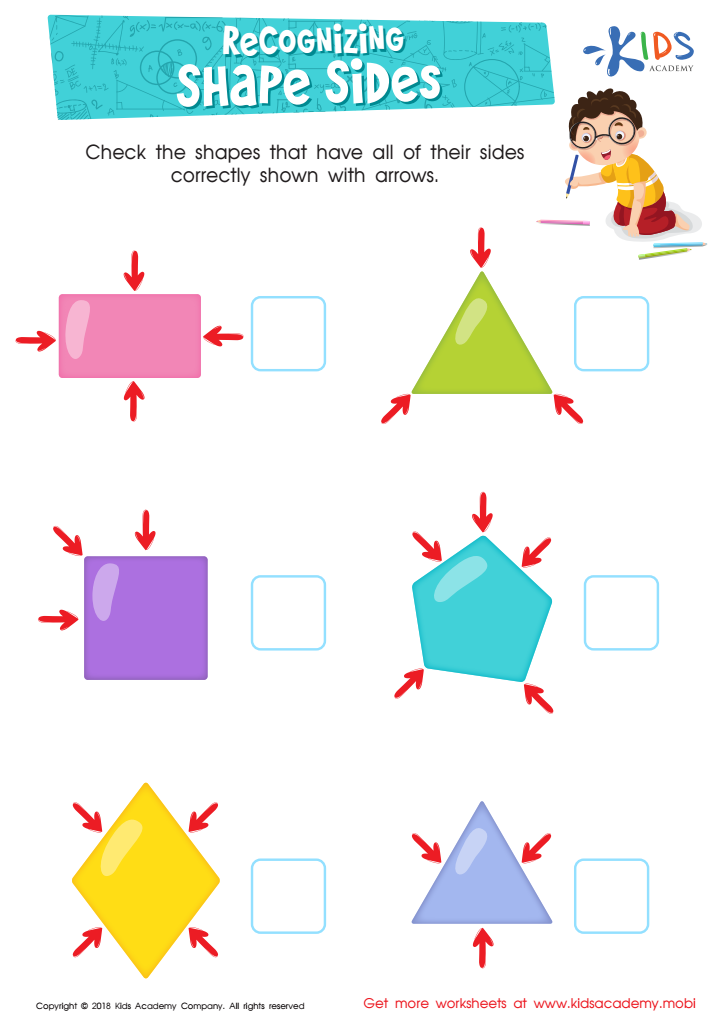
Recognizing Shape Sides Worksheet
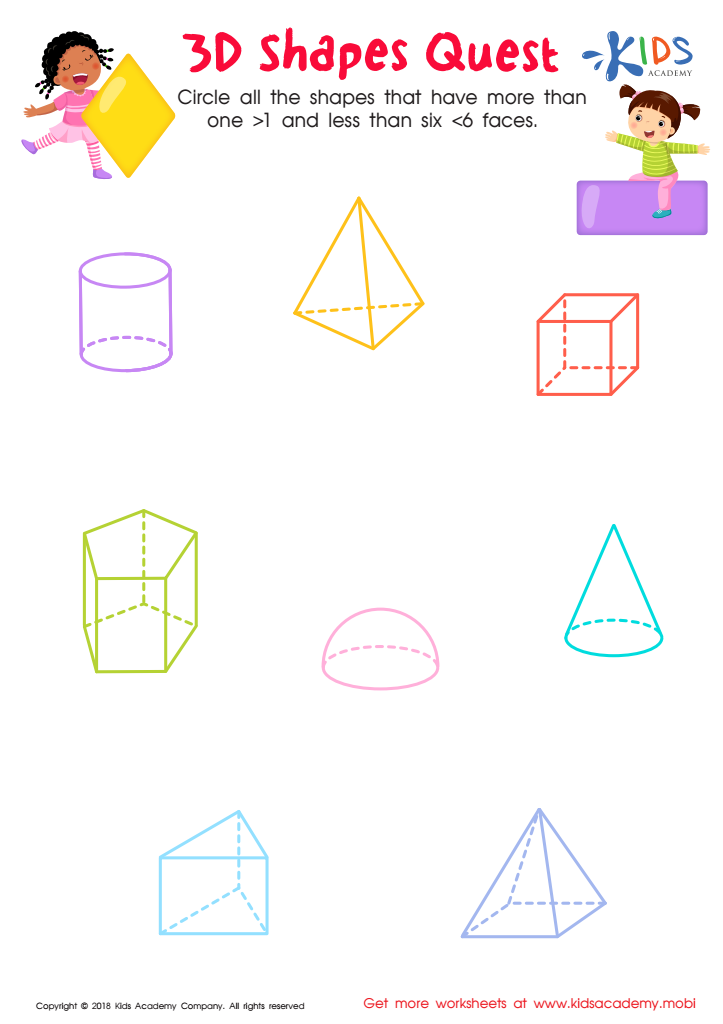
3D Shapes Quest Worksheet
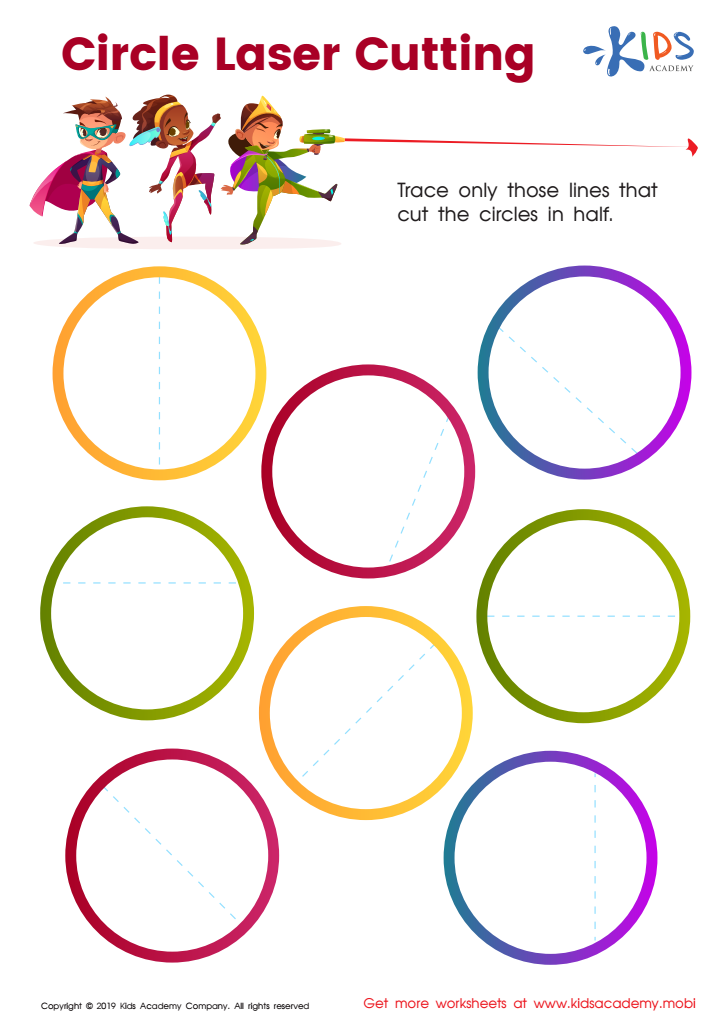
Circle Laser Cutting Worksheet








Fine motor skills play a crucial role in a child's overall development, especially during Grade 2, where they are increasingly engaged in geometry-related tasks. These skills, which involve the coordination of small muscles in the hands and fingers, are essential for various classroom activities, such as drawing shapes, cutting papers, writing, and using tools like rulers.
In the context of geometry, strong fine motor skills allow children to manipulate materials effectively, such as forming and comparing shapes or constructing geometric figures. This hands-on experience solidifies their understanding of geometric concepts and spatial relationships, which are fundamental for future math skills.
When parents and teachers emphasize the importance of fine motor skill development, they contribute to creating a more knowledgeable and confident learner. Activities that promote these skills also sharpen cognitive abilities, as the brain engages in problem-solving during hands-on tasks.
Scaling back fine motor development at this stage can lead to challenges in academic performance and self-esteem. Therefore, integrating fine motor skill training with geometry not only enhances academic learning but also supports the holistic development of children’s coordination, dexterity, and confidence in approaching math and other subjects. Engaging in these activities sets a strong foundation for future learning.