Cognitive Development Normal Grade 2 Numbers Worksheets
5 filtered results
-
From - To
Our "Cognitive Development: Normal Grade 2 Numbers Worksheets" are expertly designed to enhance your child's math skills. These engaging worksheets focus on key number concepts tailored for second graders. With fun and interactive exercises, your child will develop critical thinking, problem-solving abilities, and mental math prowess. Each worksheet aims to build confidence and mastery, helping students grasp complex math ideas in an easy-to-understand manner. Perfect for educators and parents, these resources support academic growth and foster a love for learning. Equip your child with the foundational skills they need for future success in mathematics.
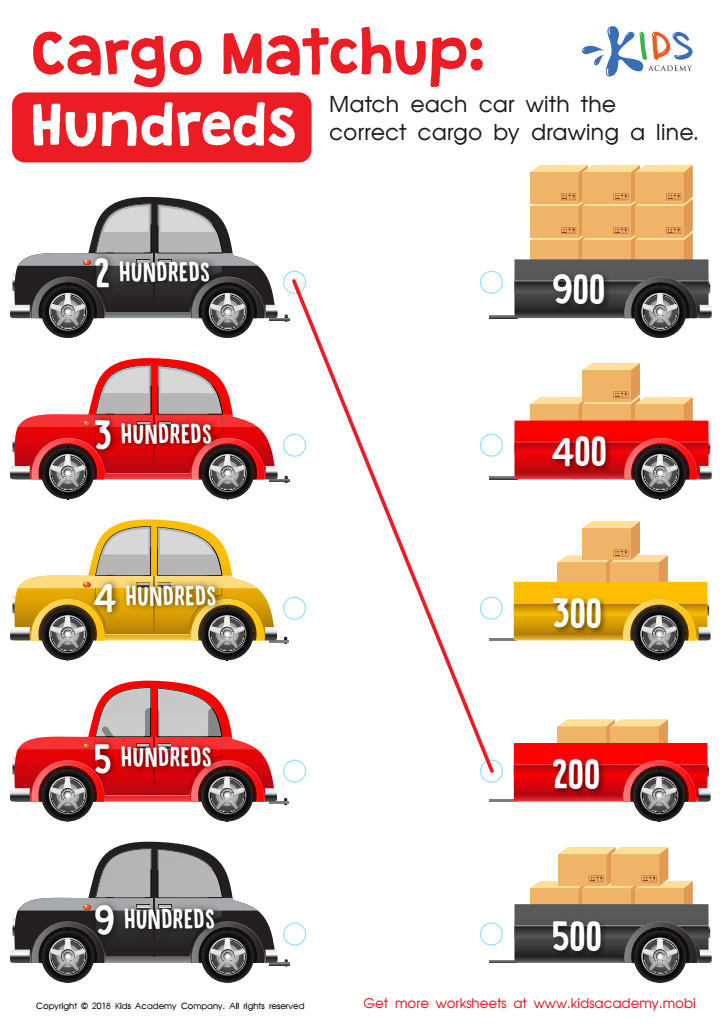
Cargo Matchup: Hundreds Worksheet
 Assign to My Students
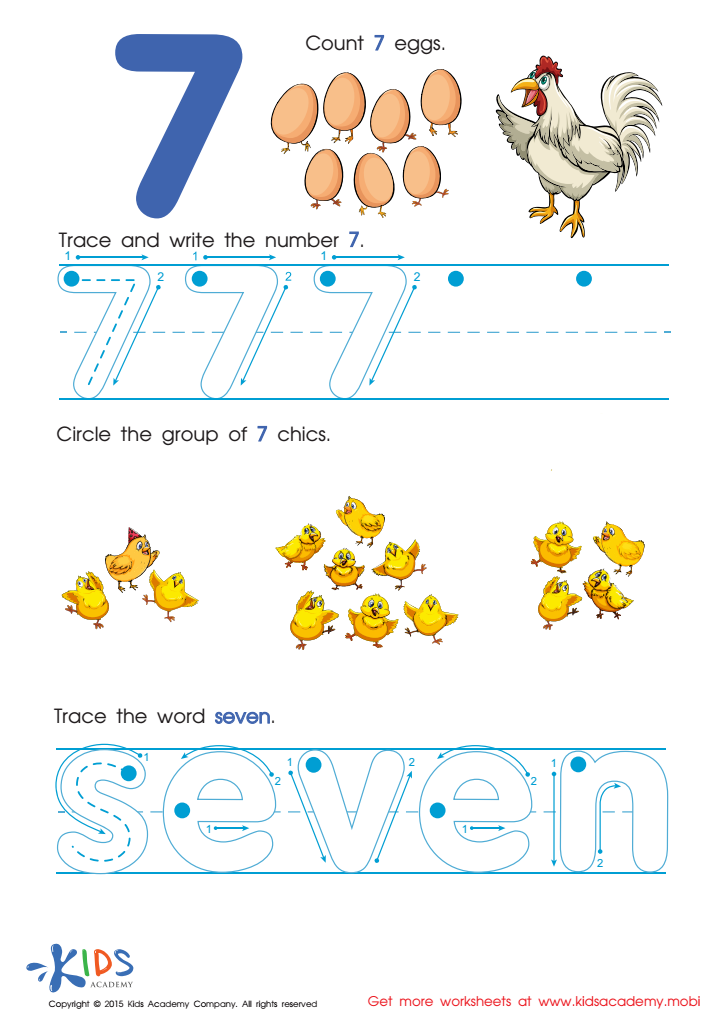
Trace And Write Number 7 with Fun Worksheet
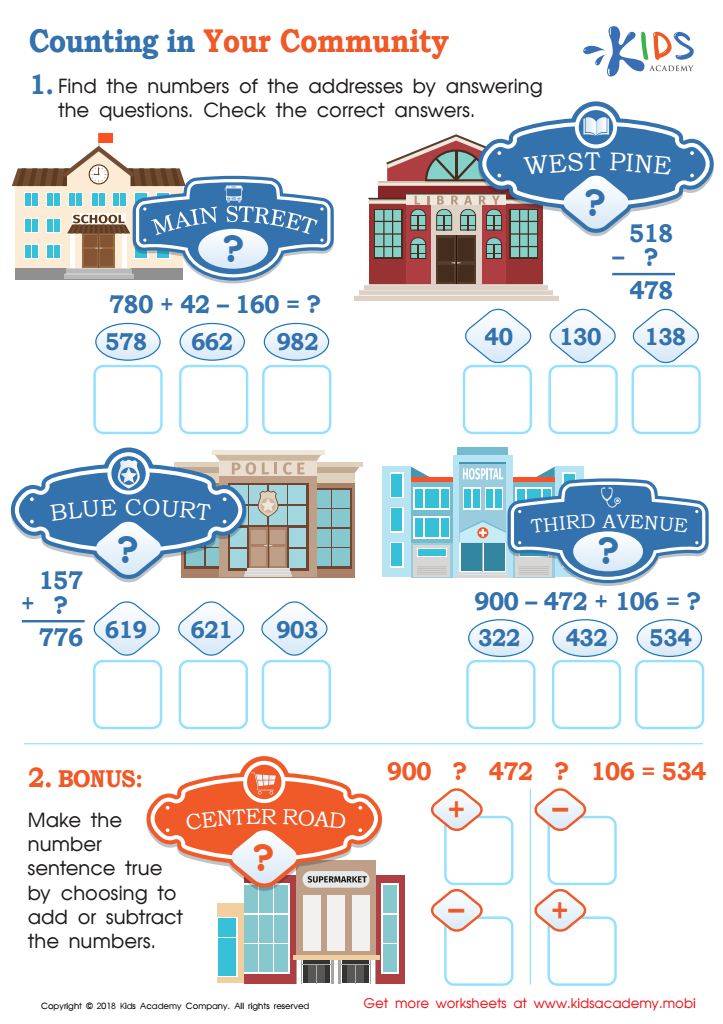
Counting in Your Community Worksheet
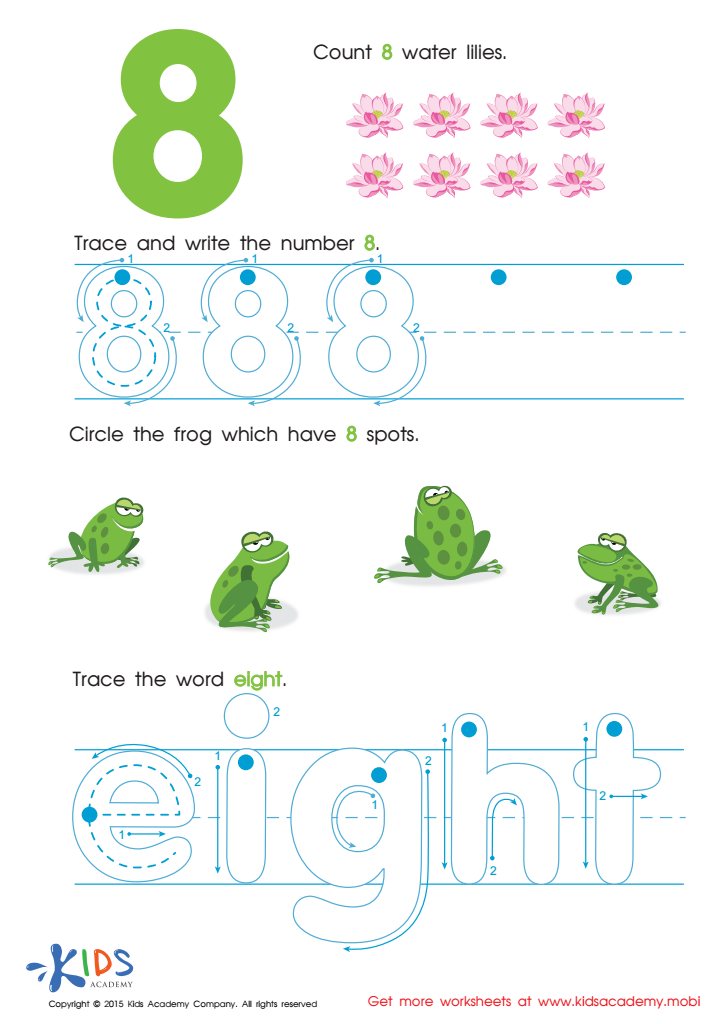
Learn Number 8 Easily Worksheet
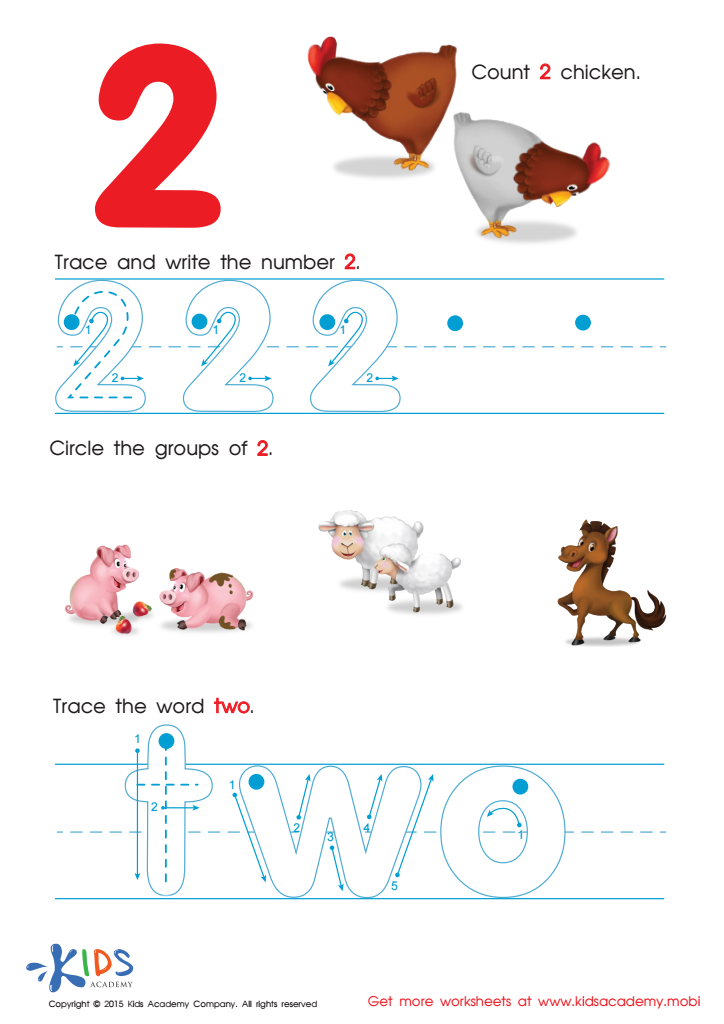
Learn to Write the Number 2 Worksheet








Parents and teachers should care about cognitive development in Grade 2 because it lays the foundation for a child's future learning and academic success. At this age, children start to grasp more complex concepts, both mathematically and abstractly, influencing their problem-solving and reasoning skills. Focusing on normal grade-level numbers helps solidify their understanding of basic arithmetic operations like addition and subtraction, which are crucial for everyday activities and future mathematics.
Second graders typically begin to understand place value better, recognizing tens and ones, which is vital for more advanced math concepts they'll encounter in higher grades. This period is a critical window for developing strong number sense. If children lag in cognitive development in Grade 2, it could result in struggles with math in later years, lowering self-confidence and motivation.
Moreover, cognitive development in understanding numbers correlates with skills in other areas such as reading graphs, estimating, and using logic, which apply in science, social studies, and even daily life decisions. For parents and teachers, supporting cognitive development means using engaging, age-appropriate methods to make learning enjoyable. By reinforcing these basic skills, they can help ensure children develop a solid, enduring understanding of math, setting them up for continued academic success and personal growth.