Critical Thinking Normal Grade 2 Science Worksheets
5 filtered results
-
From - To
Boost your child's cognitive skills with our "Critical Thinking Normal Grade 2 Science Worksheets!" Specifically designed for second graders, these engaging activities promote essential critical thinking abilities, fostering curiosity and analytical skills. Each worksheet combines fun experiments and challenging questions, helping young learners make connections, solve problems, and understand scientific concepts in depth. Ideal for classroom use or at-home enrichment, our worksheets support your child's educational journey, making science both exciting and educational. Download now and take the first step in nurturing a lifelong love of learning and scientific exploration!
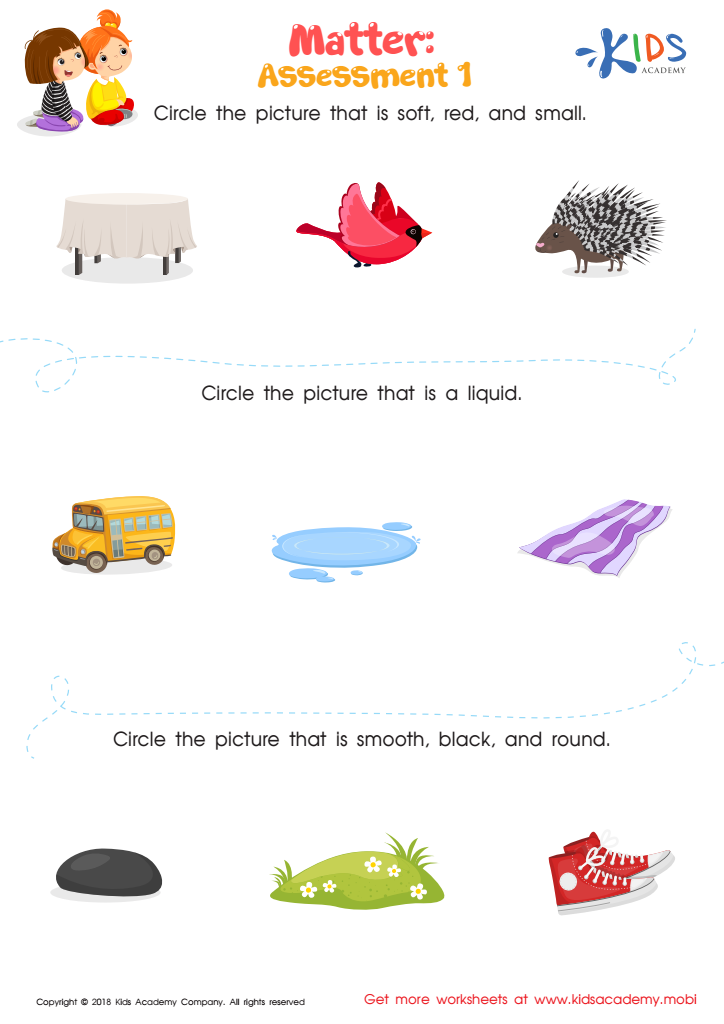
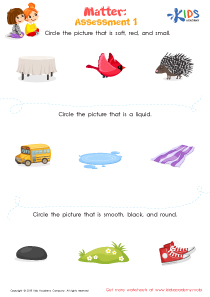
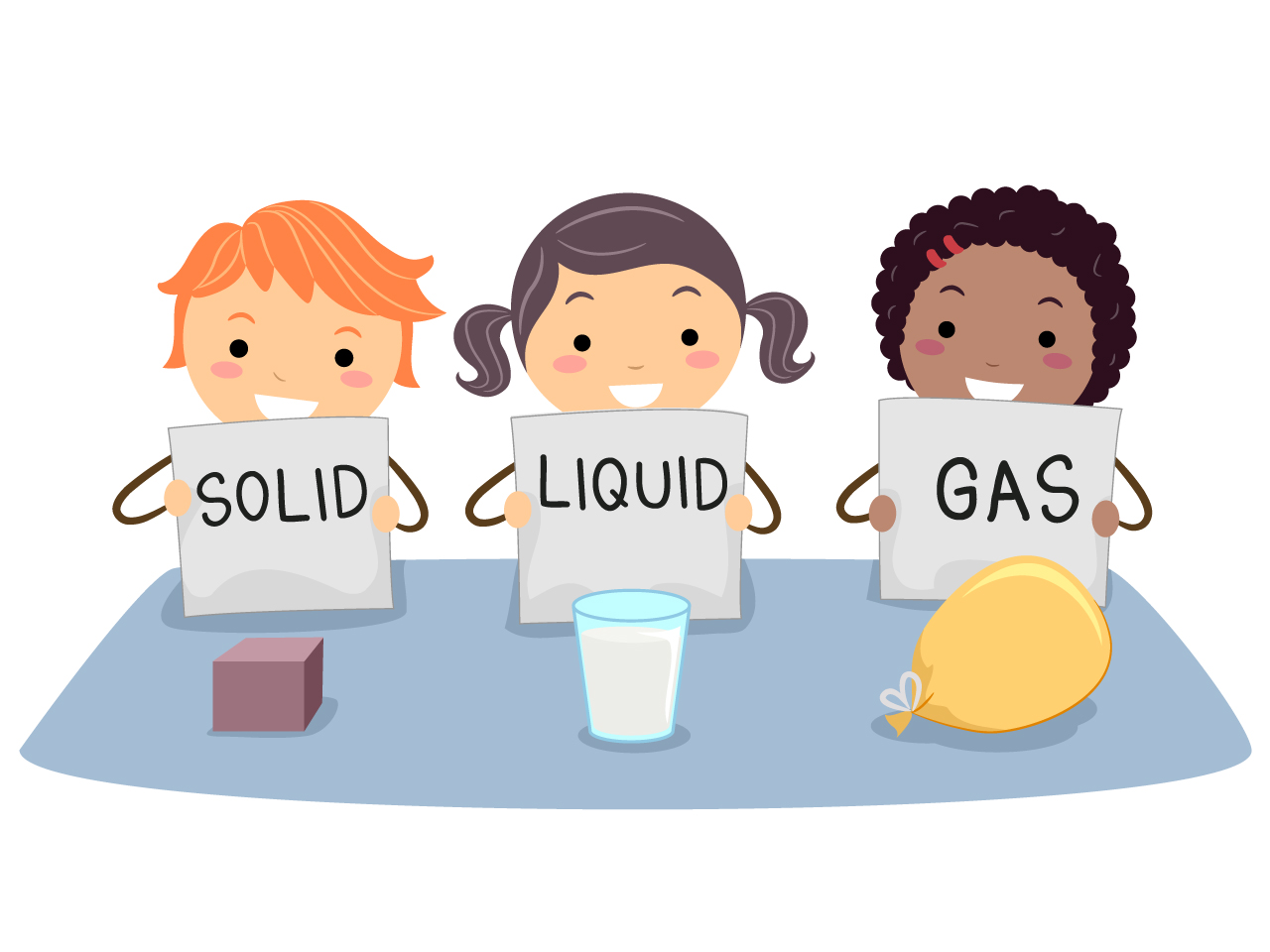
Matter: Assessment 1 Worksheet
 Assign to My Students
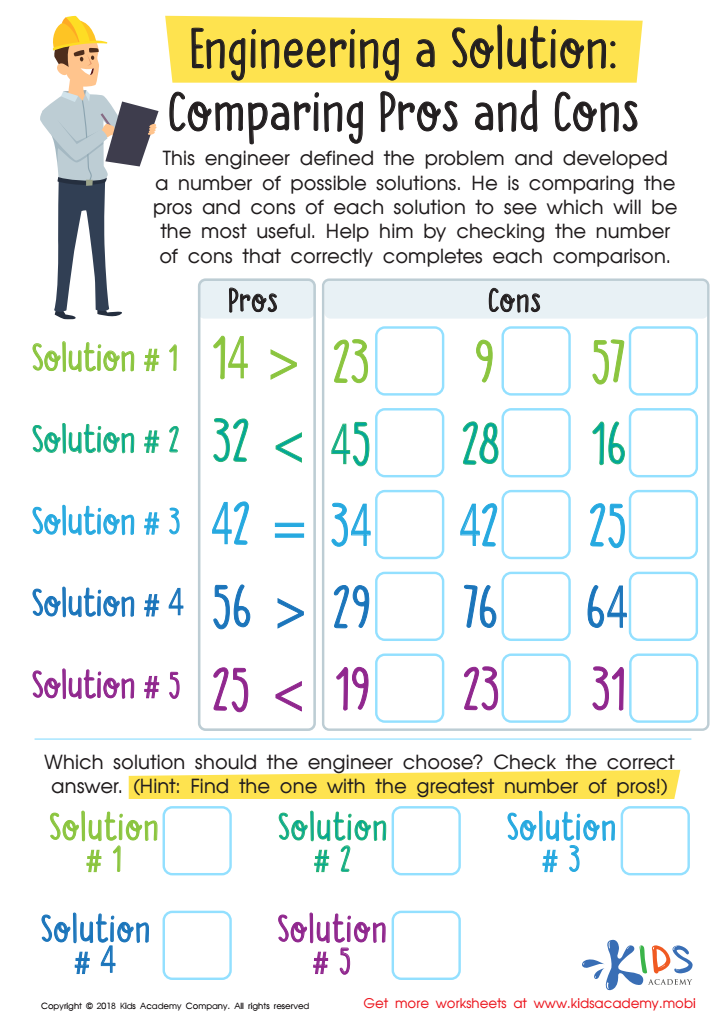
Engineering a Solution: Comparing Pros and Cons Worksheet
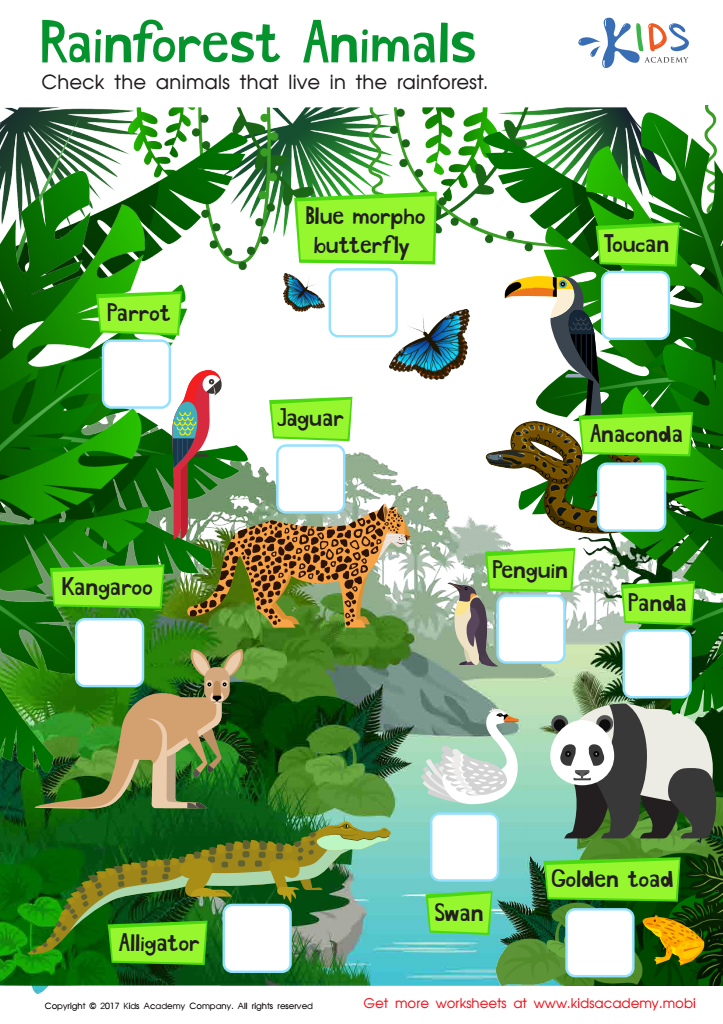
Rainforest Animals Worksheet
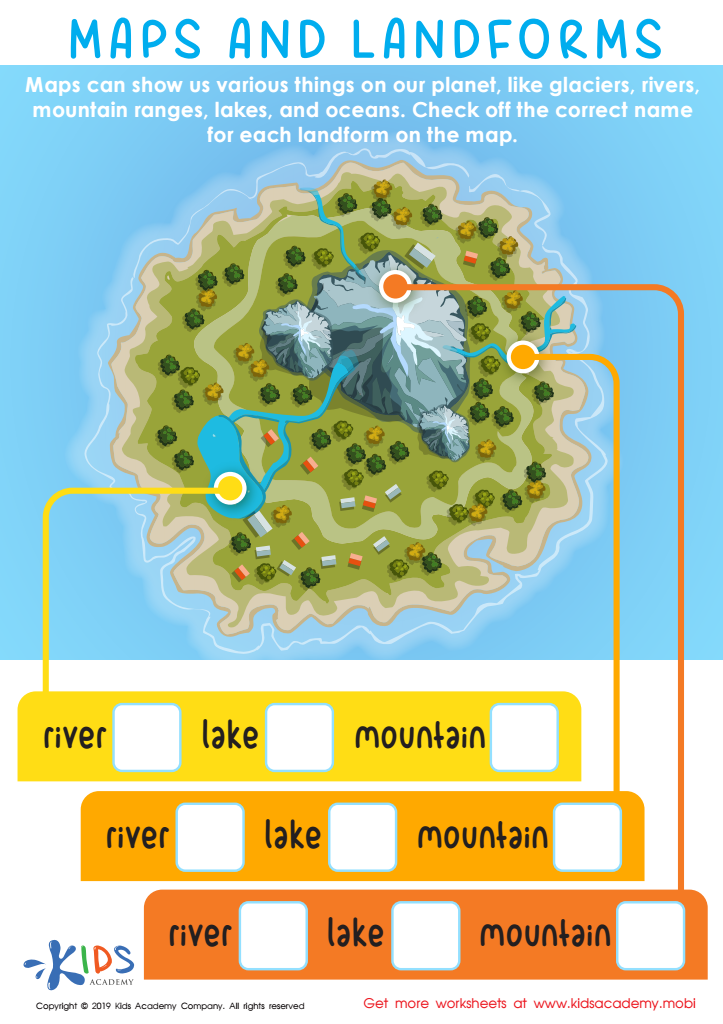
Maps and Landforms Worksheet
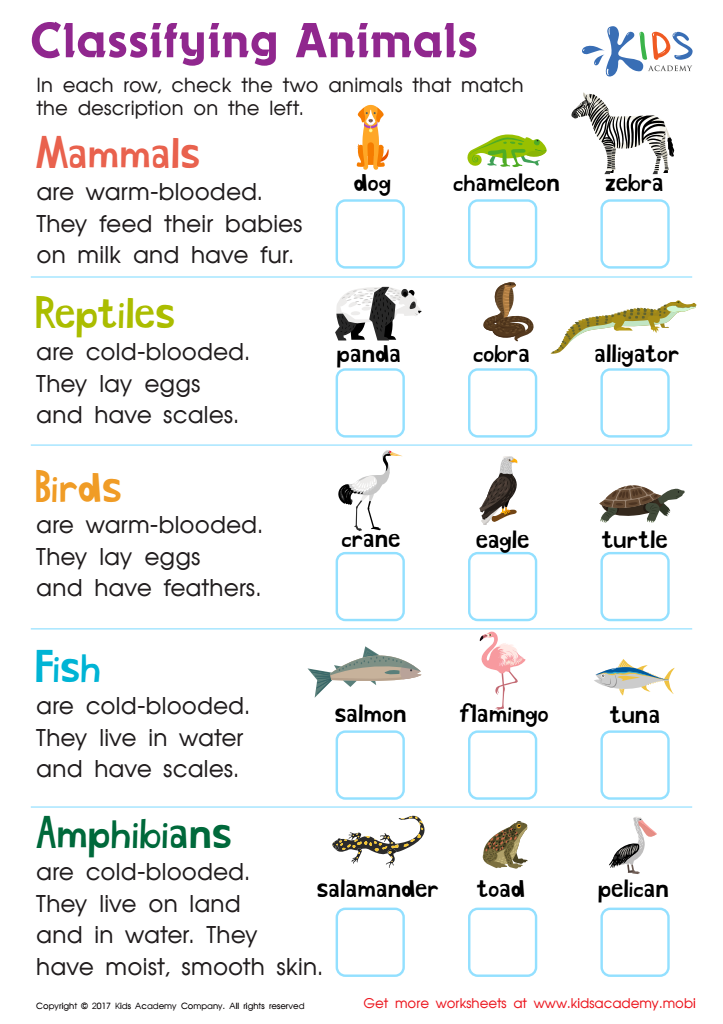
Classifying Animals Worksheet






Critical thinking is an essential skill that allows individuals to analyze information, evaluate evidence, and distinguish between different lines of reasoning. When it comes to Grade 2 Science, fostering critical thinking can have numerous benefits. Firstly, it encourages young students to become active learners rather than passive recipients of information. This active engagement helps them develop a deeper understanding of scientific concepts and principles.
At this developmental stage, children are naturally curious and eager to explore their environment. By promoting critical thinking in science, teachers and parents can tap into this curiosity, guiding students to ask questions, make observations, and draw conclusions. This not only enhances their scientific knowledge but also cultivates a habit of critical inquiry that will benefit them across various subjects and in real-life situations.
Moreover, critical thinking skills are foundational for problem-solving, an ability that is crucial throughout life. For a Grade 2 student, learning to think critically involves sorting information, understanding cause-and-effect relationships, and making reasoned decisions. These skills help in building a resilient mindset that can handle challenges effectively.
Lastly, fostering critical thinking in early science education lays the groundwork for future academic success and lifelong learning. By supporting children's intellectual development in these formative years, parents and teachers are setting the stage for them to become informed, thoughtful, and capable individuals.