Fine Motor Skills Normal Grade 3 Worksheets - Page 2
46 filtered results
-
From - To
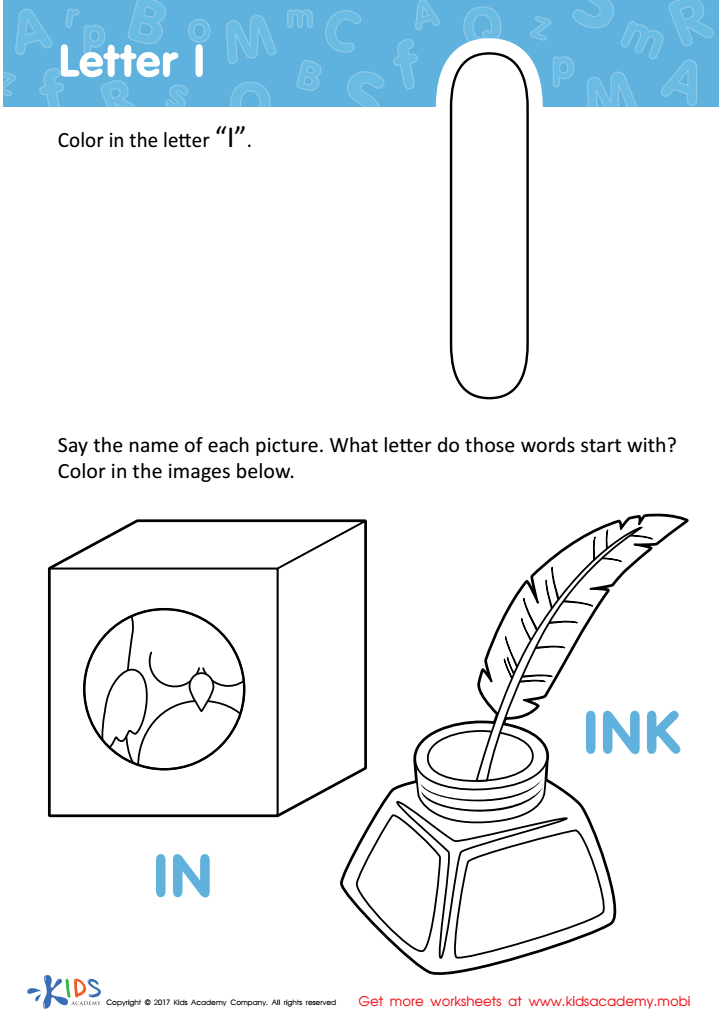
Letter I Coloring Sheet
 Assign to My Students

Long and Short U Worksheet
Assign to My Students
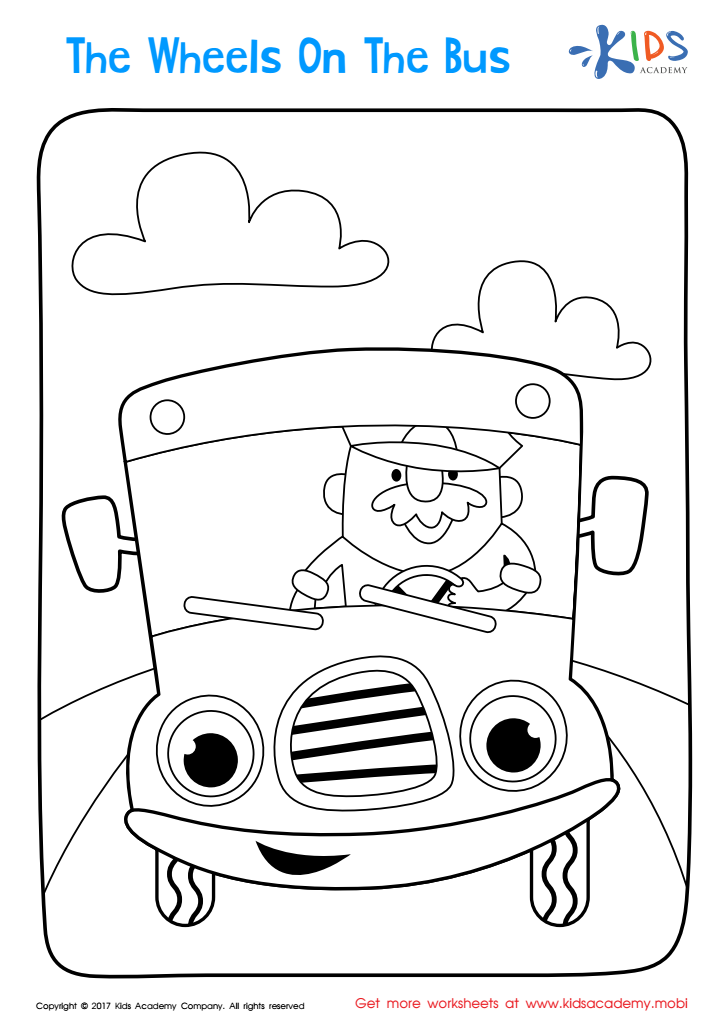
The Wheels on the Bus Coloring Page
Assign to My Students
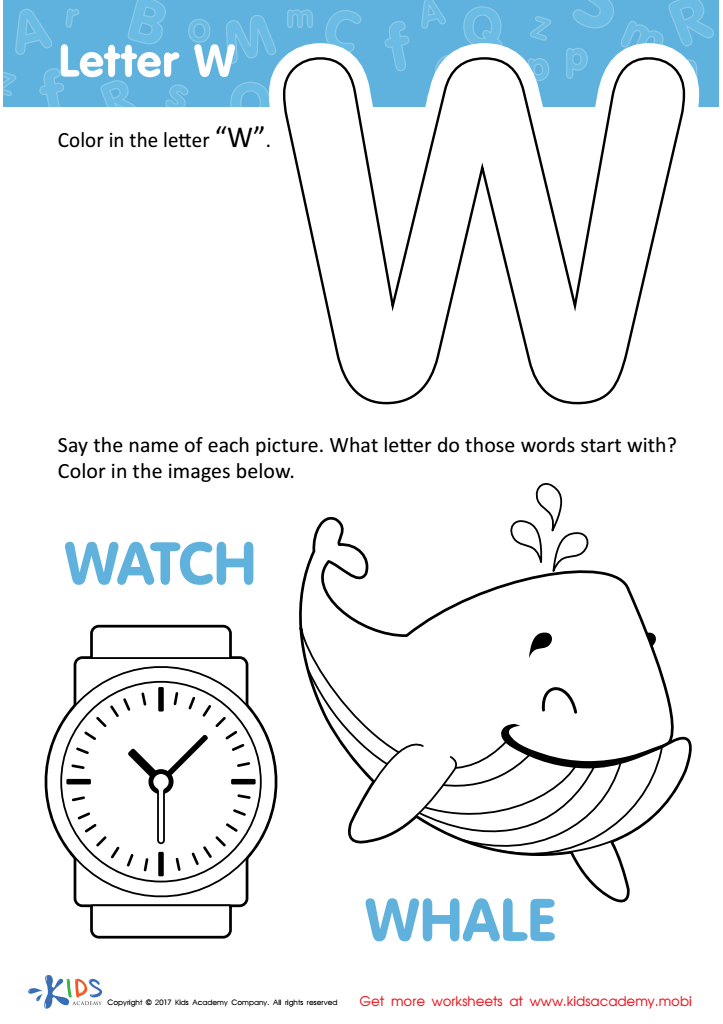
Letter W Coloring Sheet
Assign to My Students
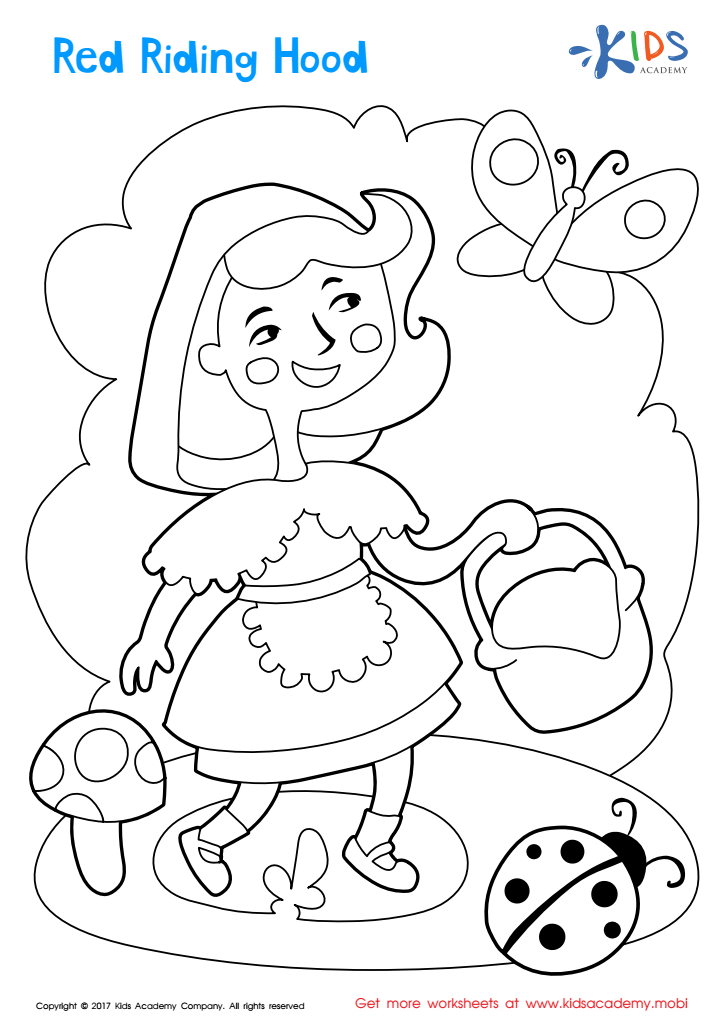
Red Riding Hood Coloring Page
Assign to My Students
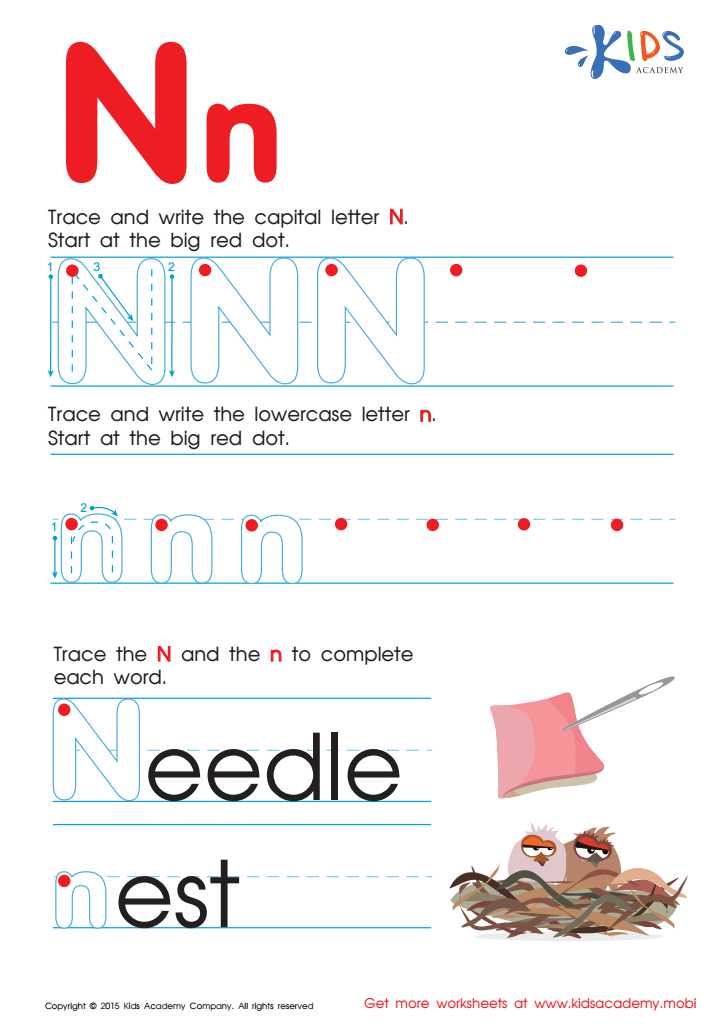
Letter N Tracing Page
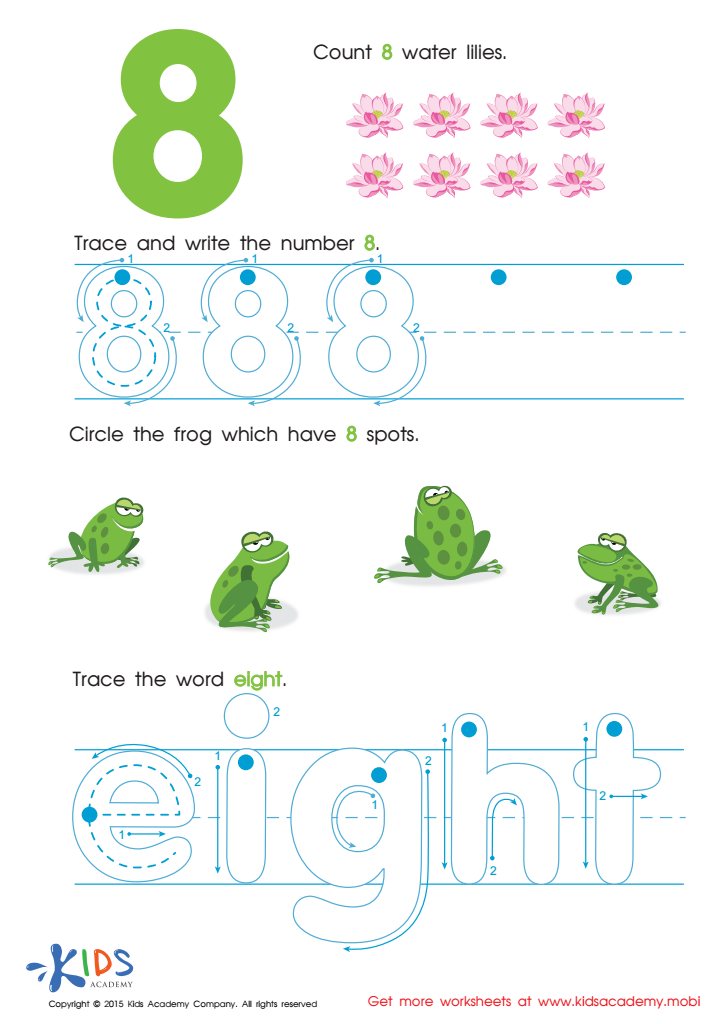
Learn Number 8 Easily Worksheet
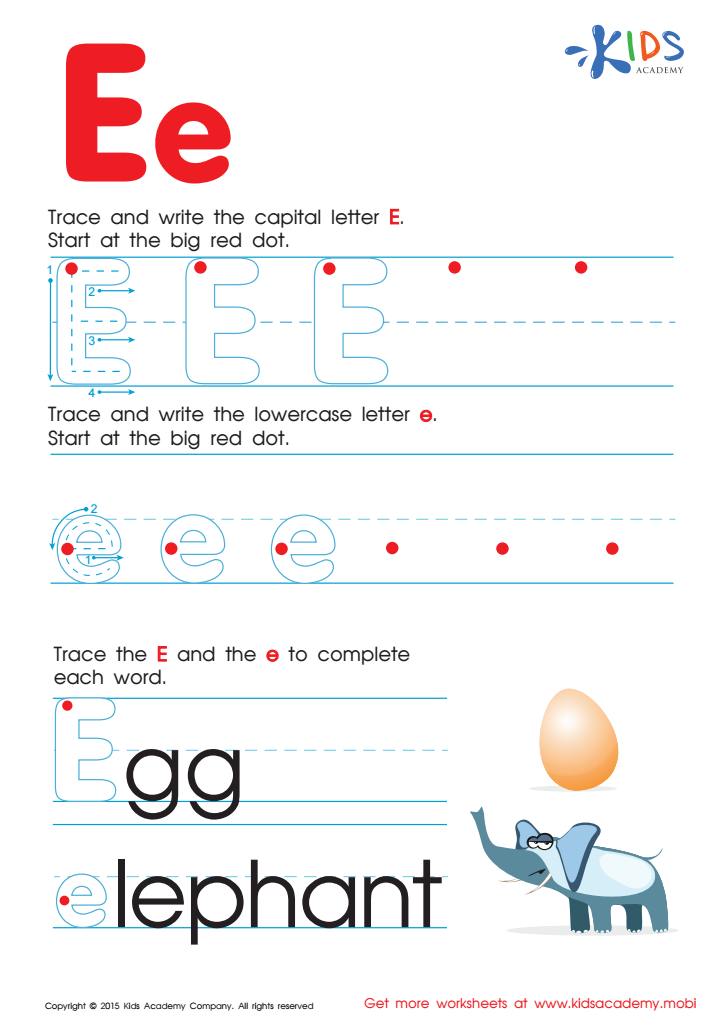
Letter E Tracing Page
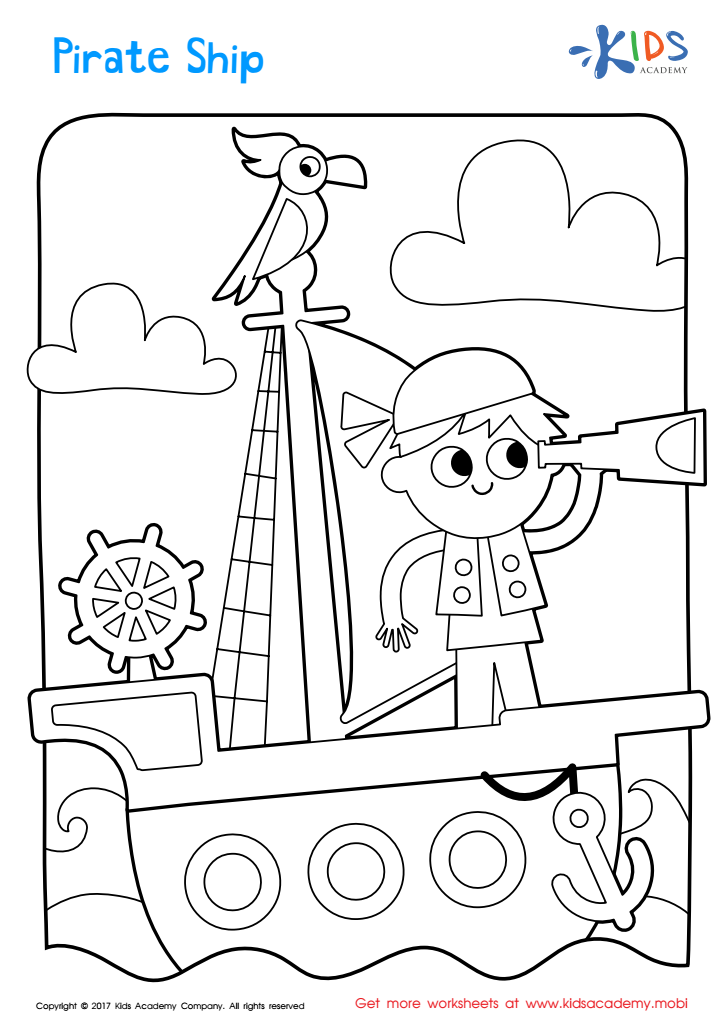
Pirate Ship Coloring Page
Assign to My Students
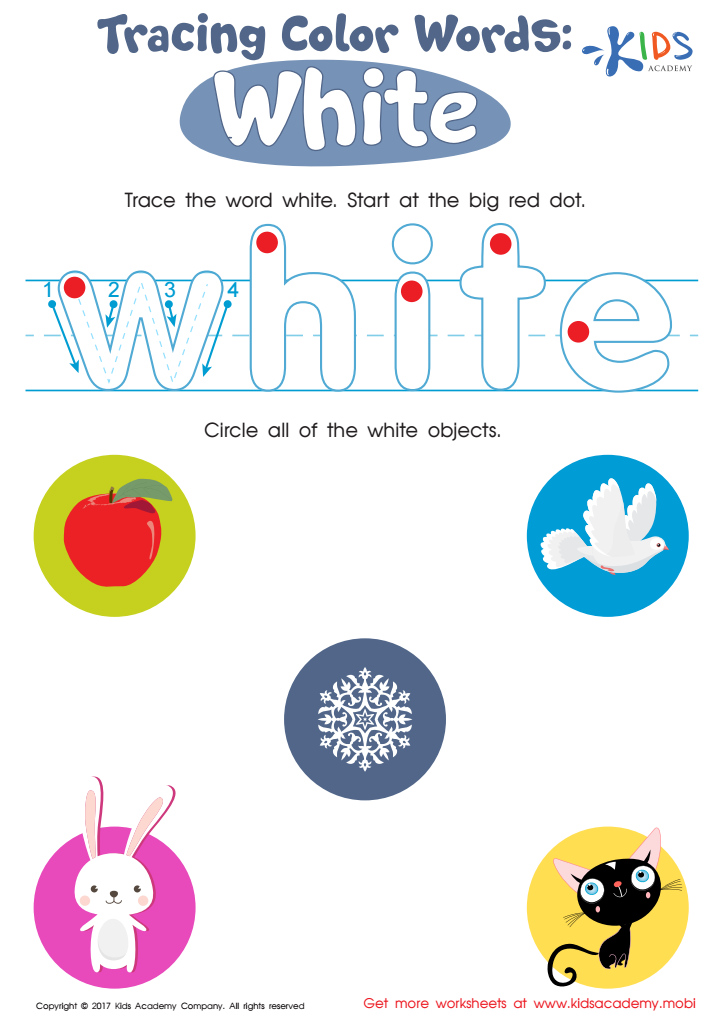
White Tracing Color Words Worksheet
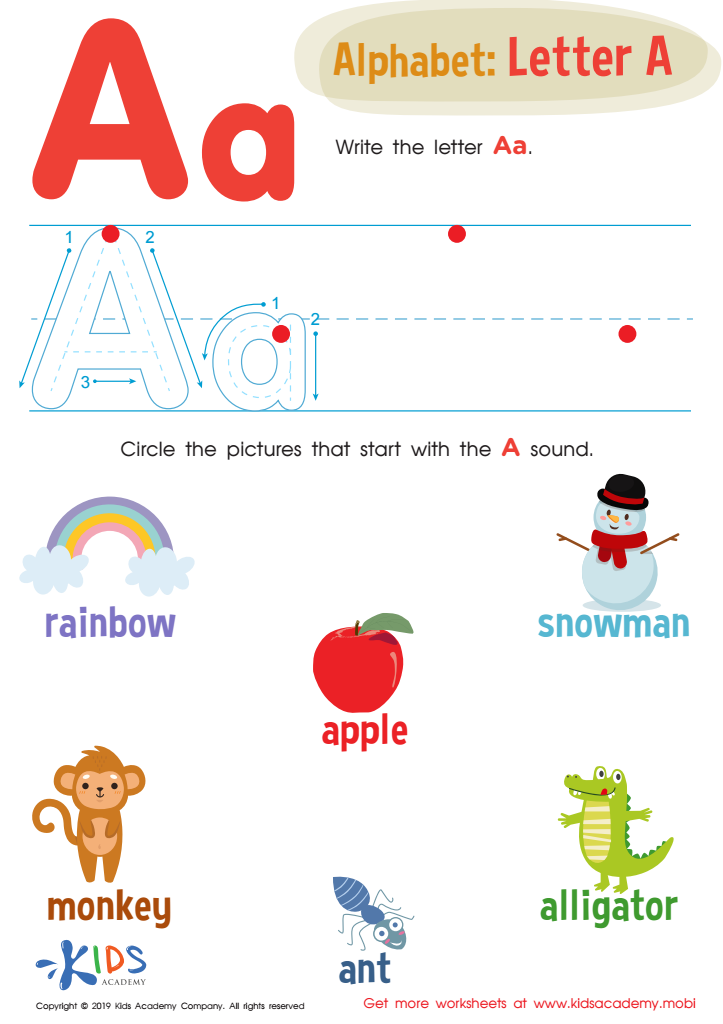
Letter A Tracing Worksheet
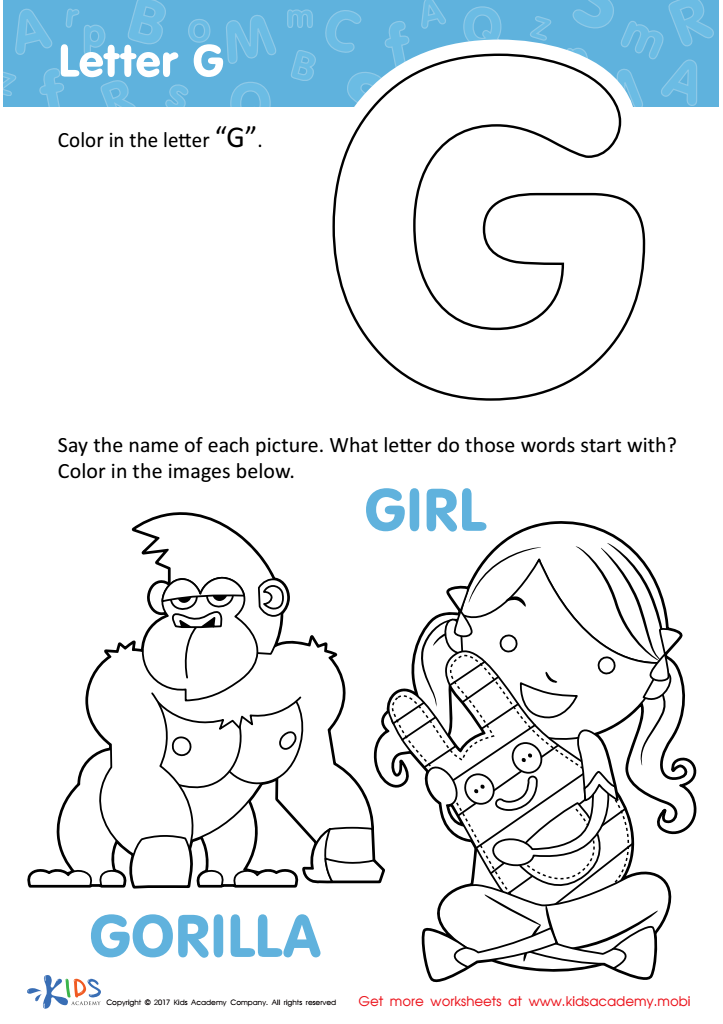
Letter G Coloring Sheet
Assign to My Students
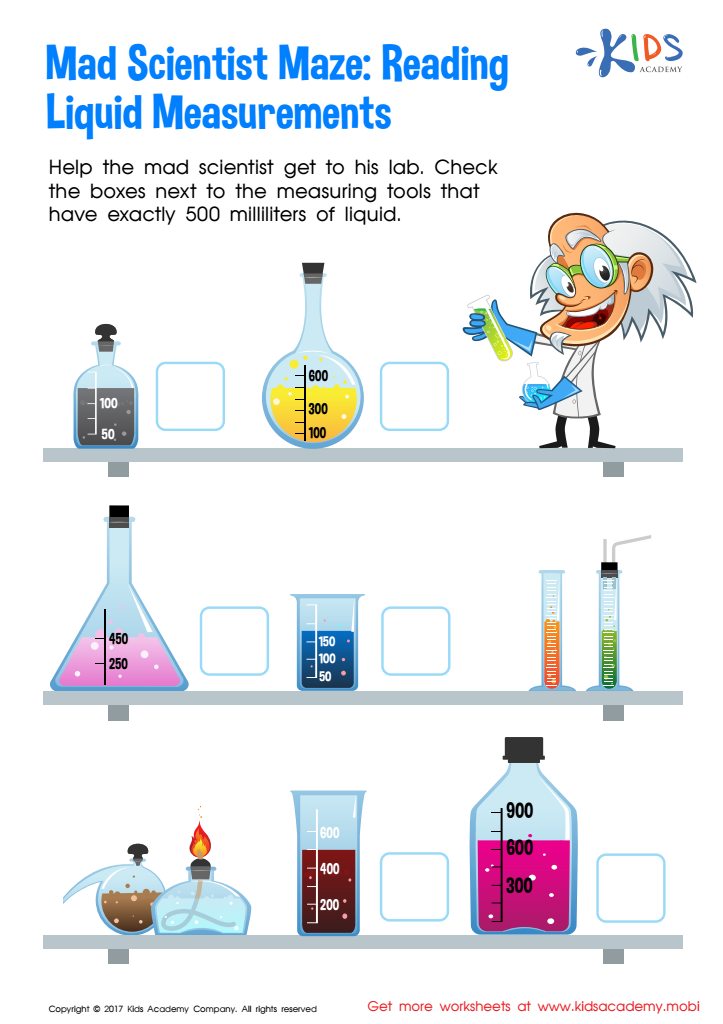
Reading Liquid Measurement Worksheet
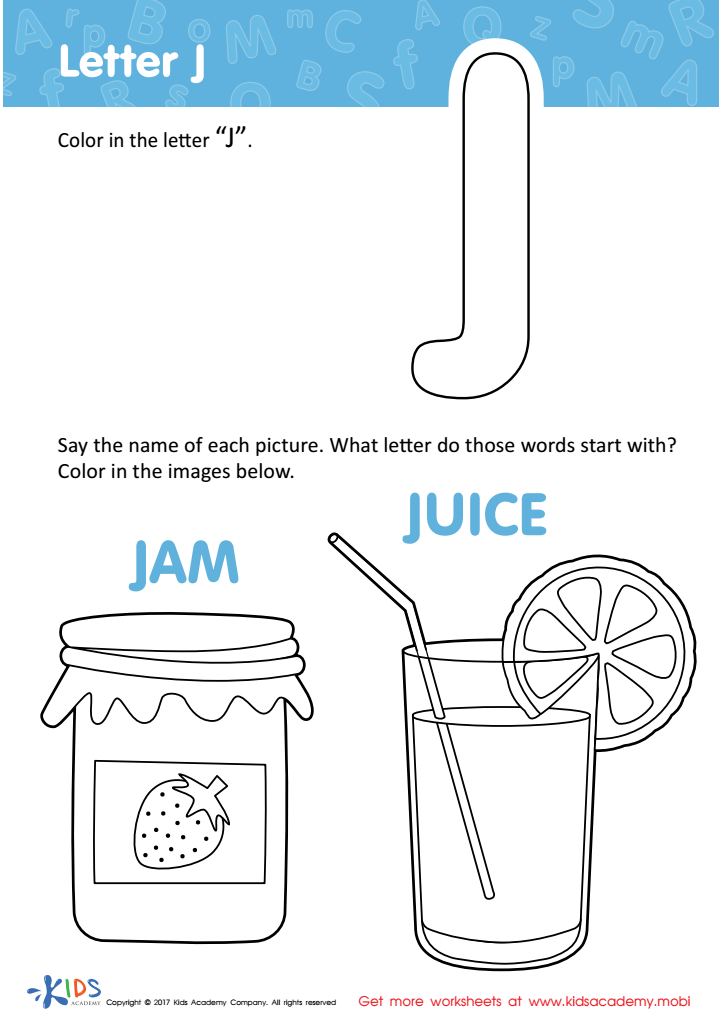
Letter J Coloring Sheet
Assign to My Students
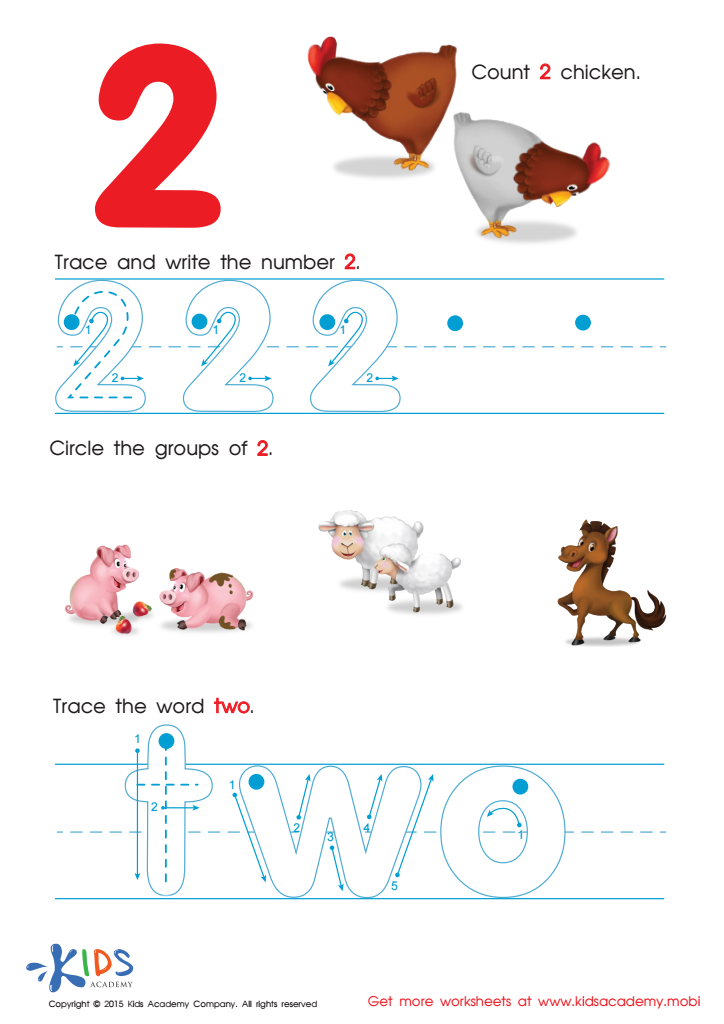
Learn to Write the Number 2 Worksheet
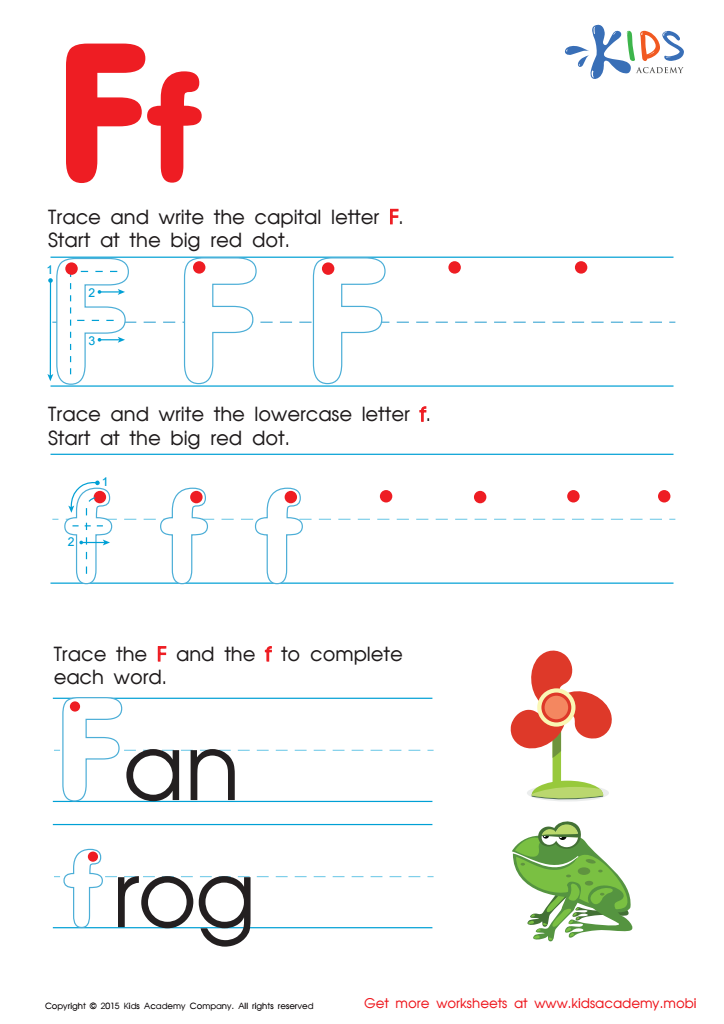
Letter F Tracing Page
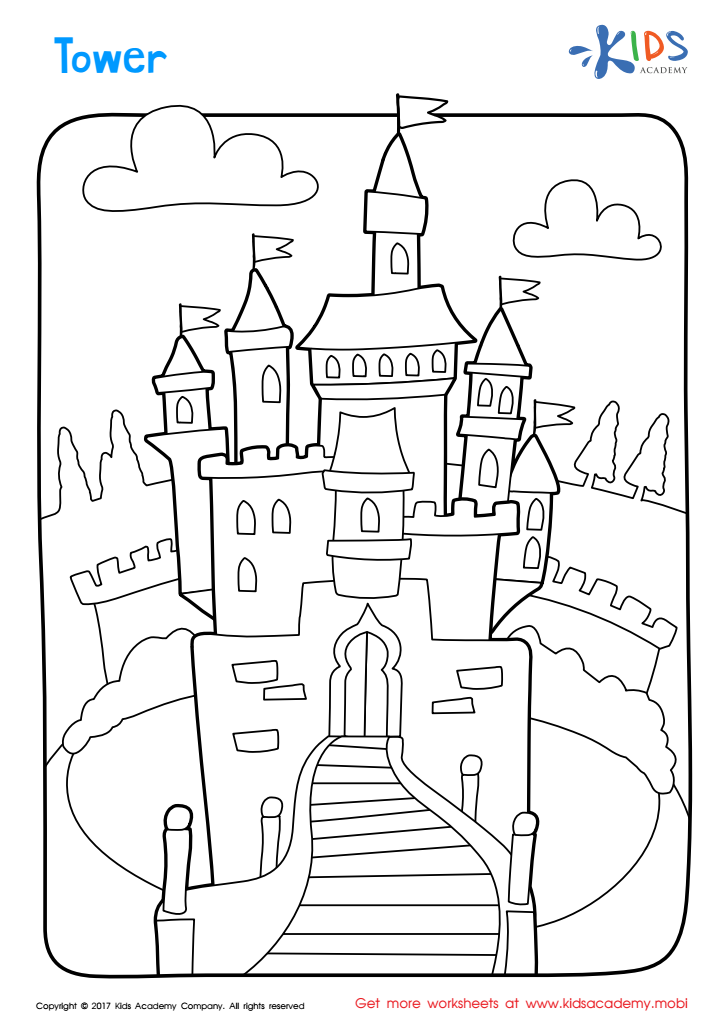
Tower Coloring Page
Assign to My Students
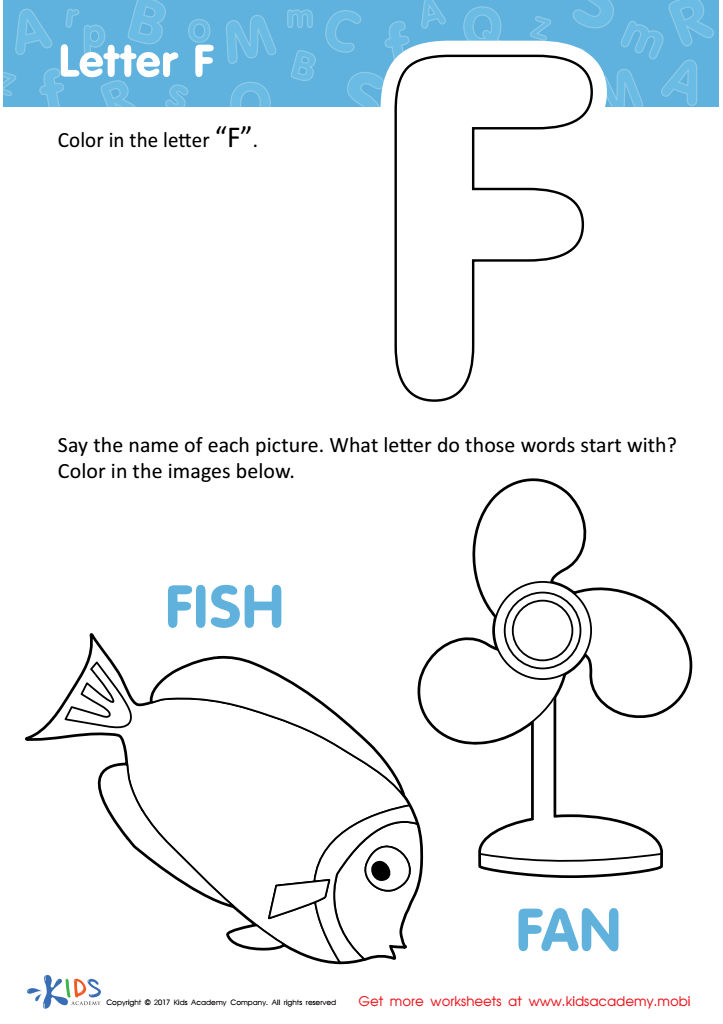
Letter F Coloring Sheet
Assign to My Students

Great Hornbill Worksheet
Assign to My Students
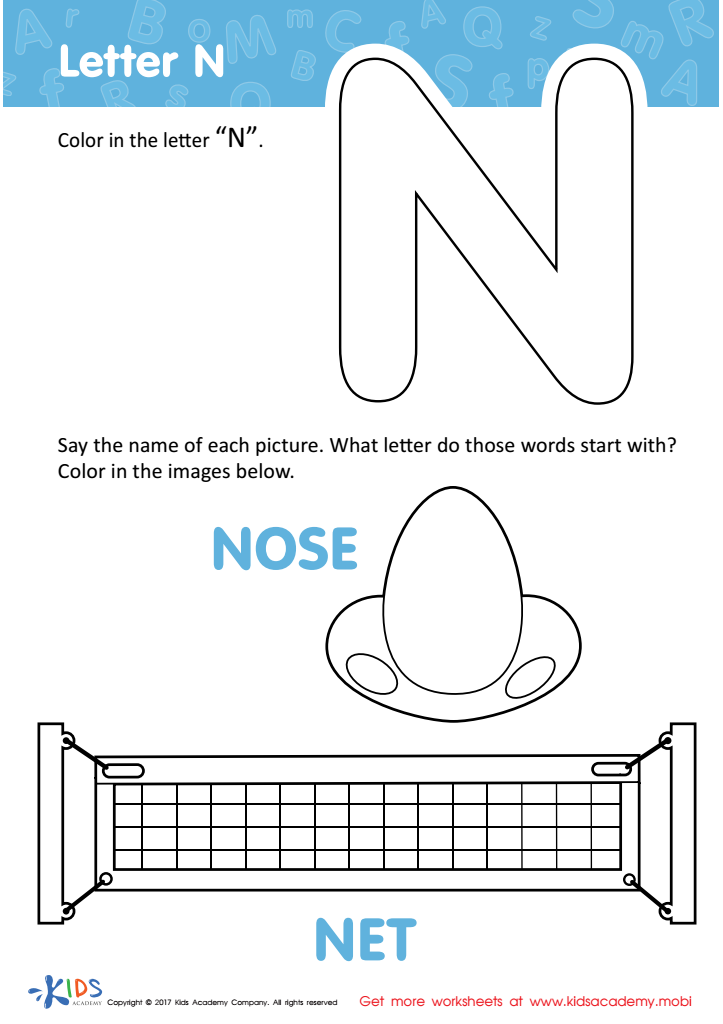
Letter N Coloring Sheet
Assign to My Students
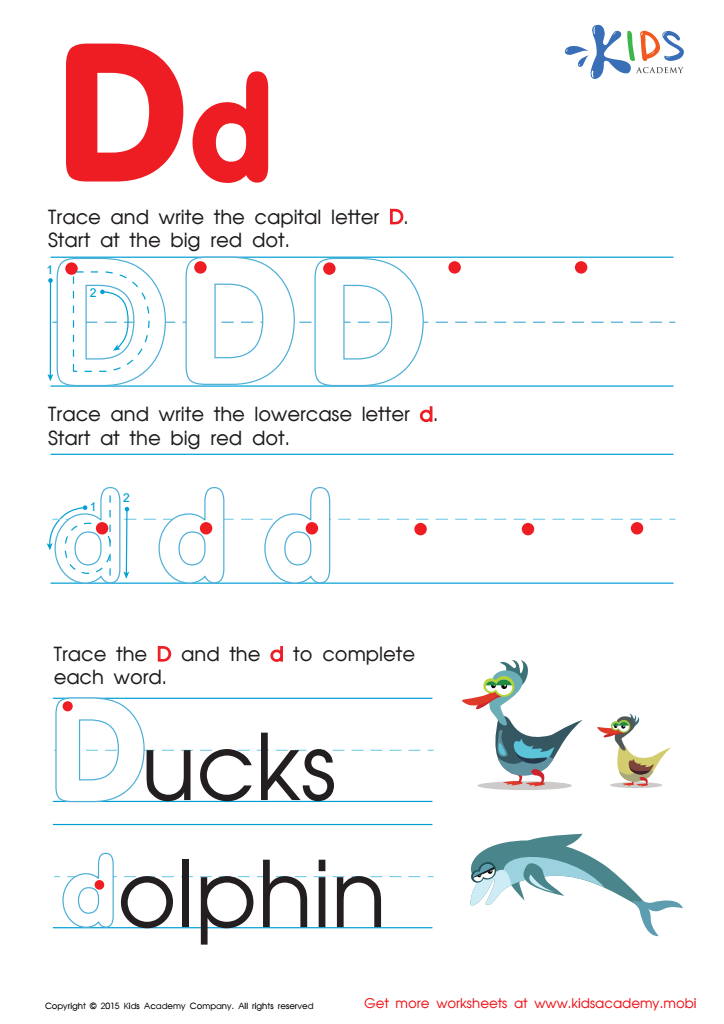
Letter D Tracing Page
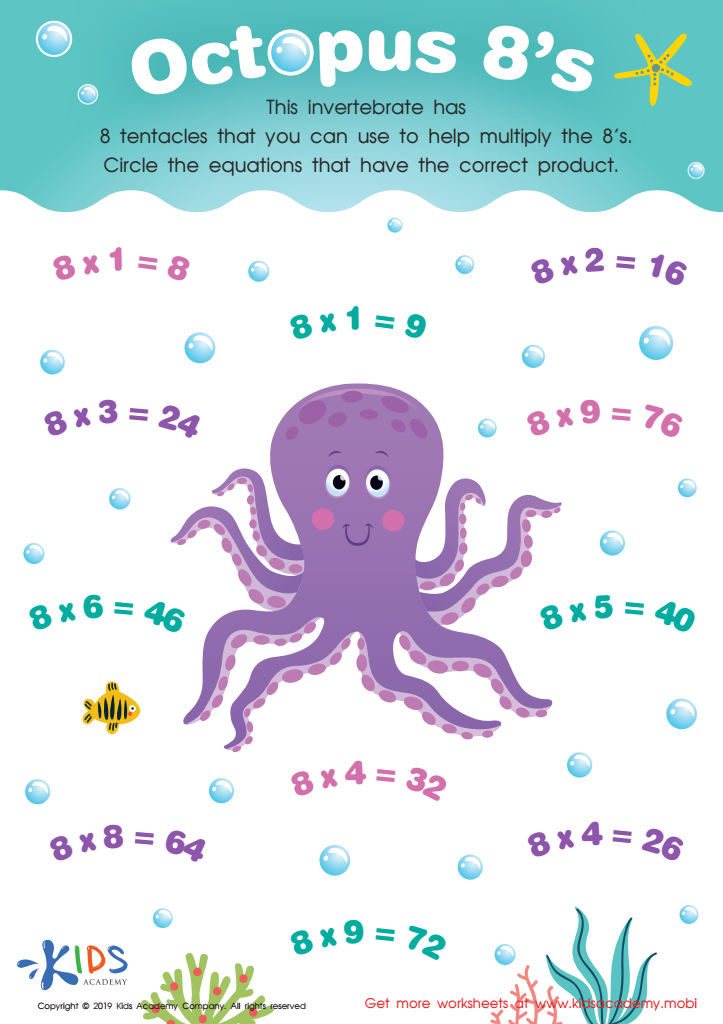
Octopus 8’s Worksheet




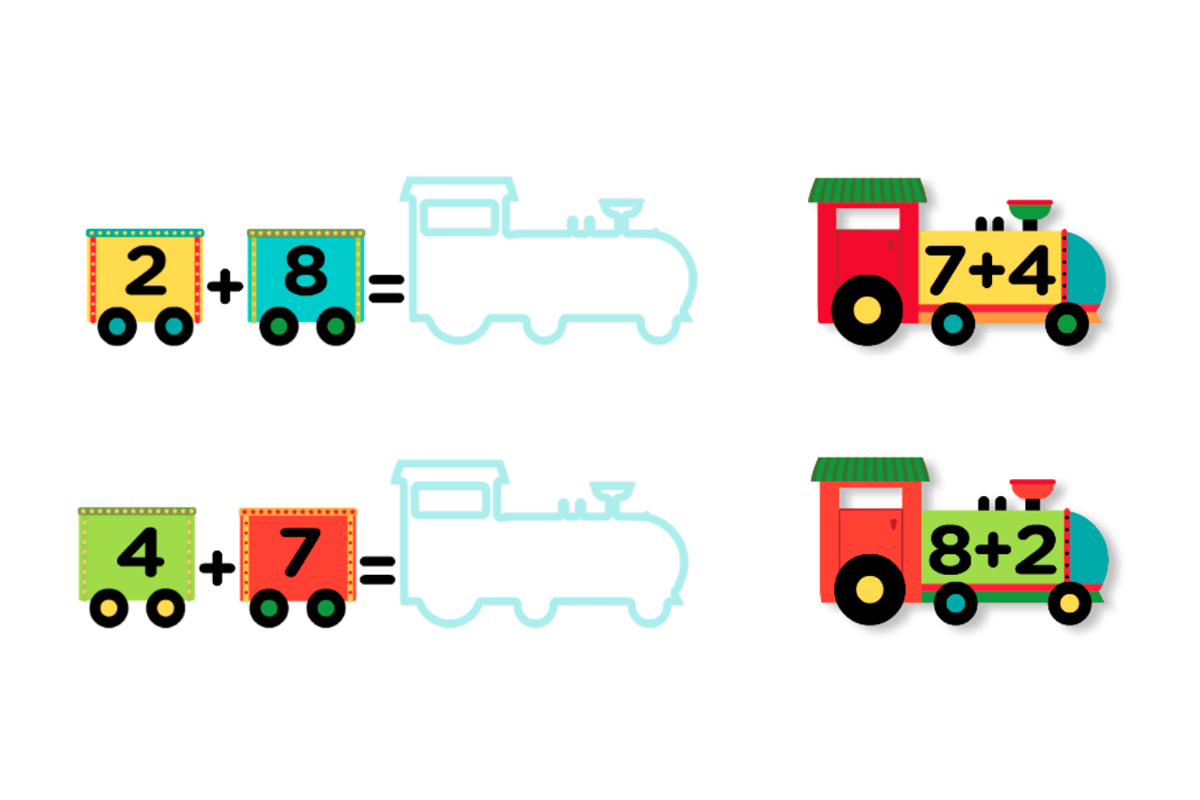

Fine motor skills, which involve the coordination of small muscles in the hands and fingers, are crucial for children in Grade 3 as they develop greater independence in their daily tasks. At this age, children transition from basic writing skills to more complex tasks, such as crafting, drawing, and playing musical instruments. Parents and teachers should care about the development of these skills because they significantly influence academic performance and self-esteem.
Strong fine motor skills are essential for writing neatly and legibly, which is critical for completing school assignments and communicating effectively. Kids with proficient fine motor abilities can also perform self-care tasks like cutting food, buttoning shirts, and tying shoelaces, fostering a sense of independence. Furthermore, activities that enhance fine motor skills, such as hand-eye coordination games and arts and crafts, can contribute to holistic development, supporting cognitive, social, and emotional growth.
Moreover, challenges in fine motor skills may lead to frustrations that affect a child's confidence. Thus, encouraging fine motor development through fun and engaging activities in both the home and classroom serves as a beneficial foundation for their long-term success in education and life. Overall, nurturing these skills provides children with tools for lifelong learning and growth.