Reading practice Normal Grade 3 Worksheets
4 filtered results
-
From - To
Elevate your child's reading proficiency with our "Reading Practice Normal Grade 3 Worksheets." Tailored for third graders, these comprehensive, printable worksheets feature engaging passages and thought-provoking questions that enhance reading comprehension and critical thinking skills. With a blend of fiction and non-fiction texts, students will expand their vocabulary, improve fluency, and build a solid foundation for academic success. Ideal for classrooms, homeschooling, or extra practice, our expertly designed worksheets make reading enjoyable and educational. Empower your third-grader to excel in reading with our quality resources, available for instant access and easy printing via Kids Academy.
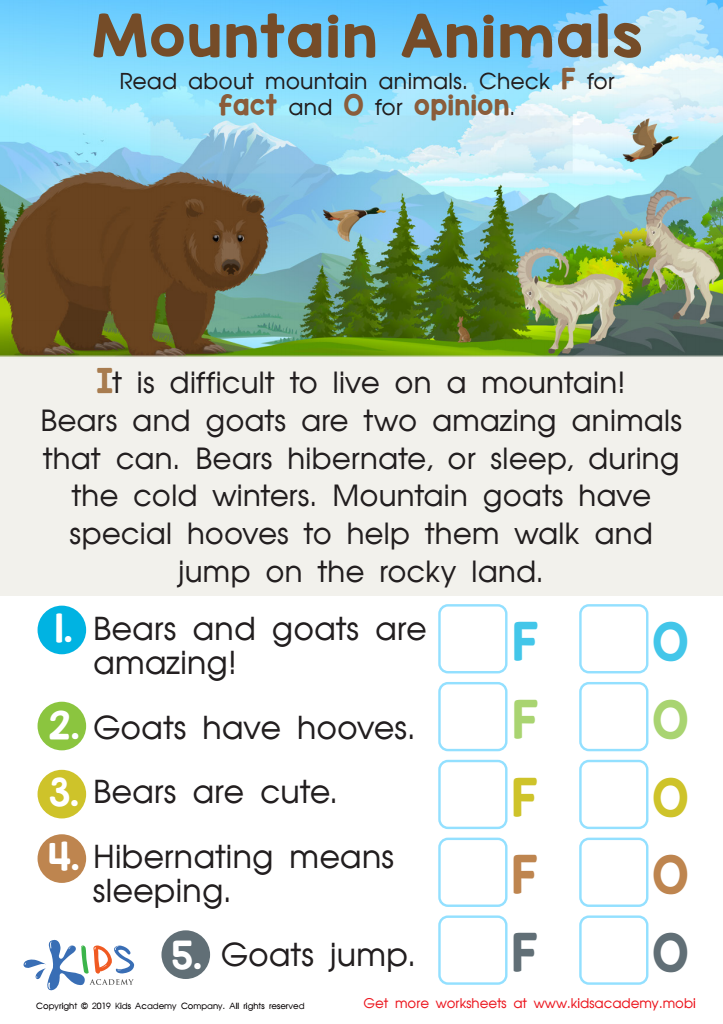
Mountain Animals Worksheet
 Assign to My Students
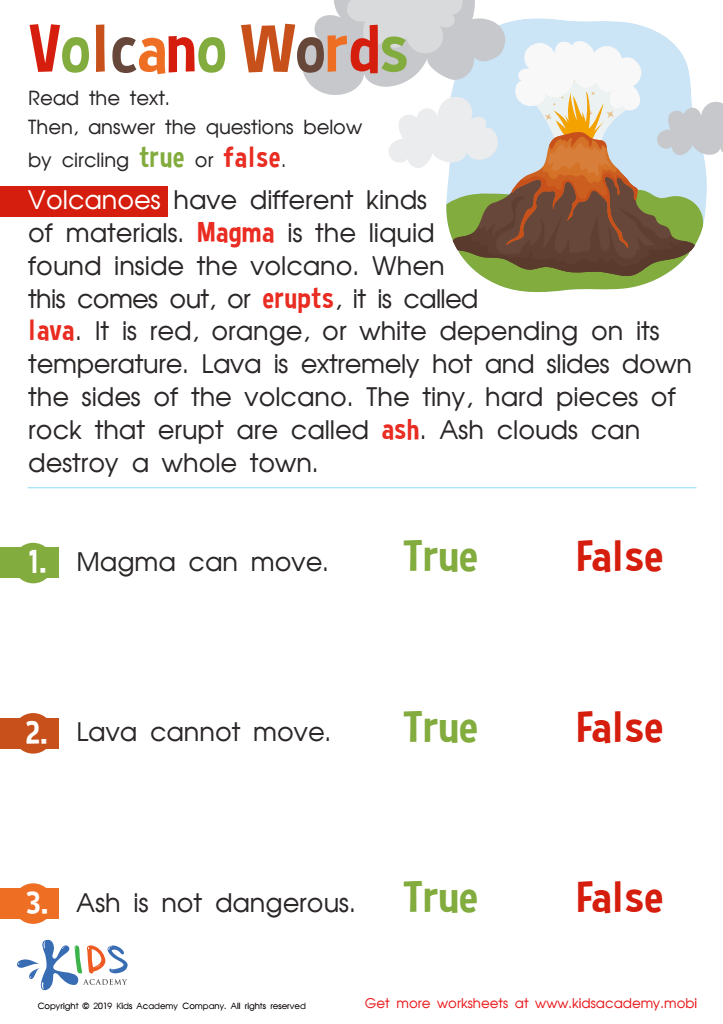
Volcano Words Worksheet
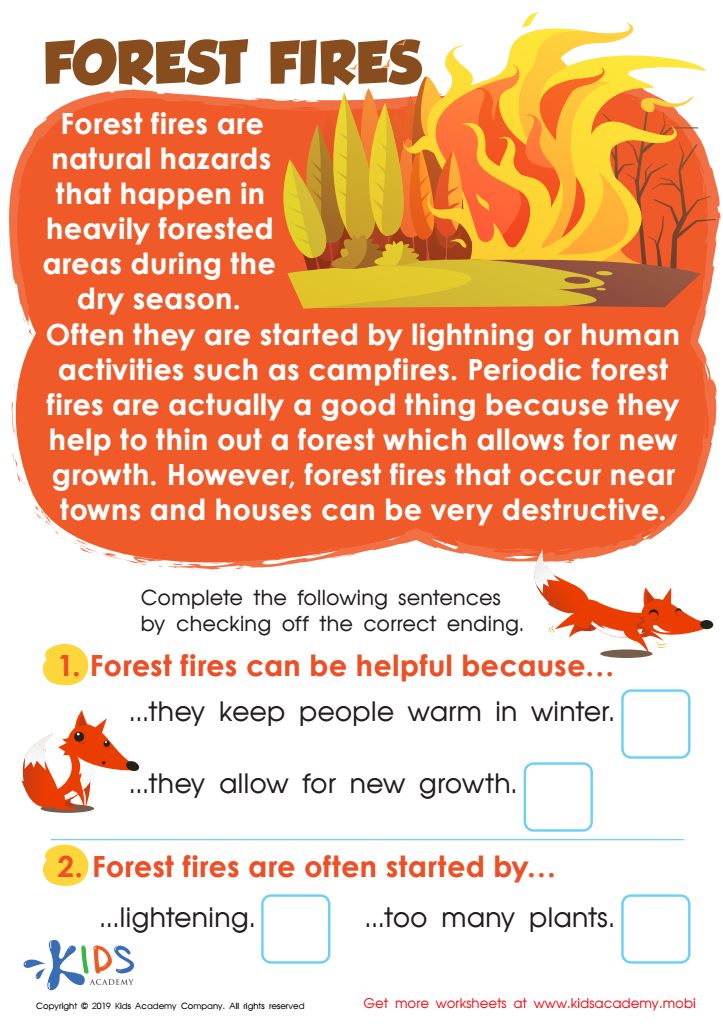
Forest Fires Worksheet
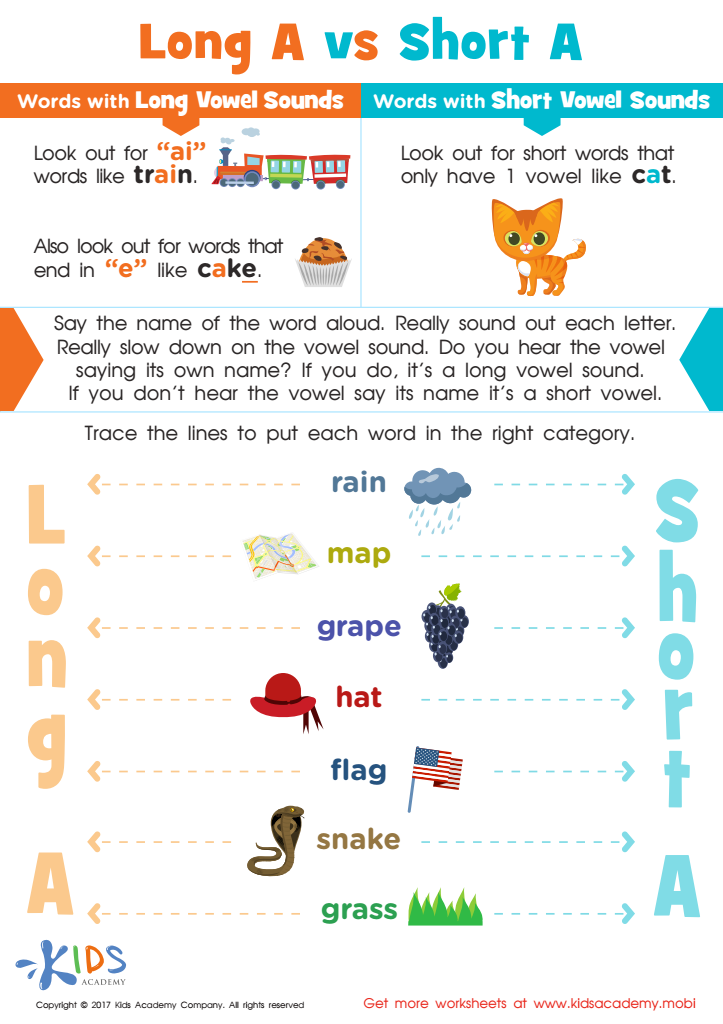
Long and Short Vowel A Spelling Worksheet




Reading practice in Grade 3 is pivotal for both parents and teachers to focus on due to its significant impact on a child's academic progression and overall development. At this stage, children transition from learning to read to reading to learn, which means that their reading skills directly impact their ability to absorb and understand new information in all subjects.
Firstly, Grade 3 is often referred to as a crucial milestone where students shift from decoding words to gaining fluency and comprehension. A solid reading foundation fosters better understanding of complex texts and concepts in subjects like science, social studies, and mathematics, thus enhancing holistic academic success.
Secondly, regular reading practice builds vocabulary, strengthens cognitive development, and improves critical thinking. Engaging with diverse texts broadens a child's perspective, fosters curiosity, and nurtures a lifelong love for learning. Early literacy skills also significantly influence future educational attainment and, consequently, career opportunities.
Moreover, consistent reading practice supports emotional and social development. Stories enable children to explore different emotions, navigate social situations, and develop empathy and communication skills.
Therefore, prioritizing reading in Grade 3 helps ensure that children develop the essential literacy skills needed for future academic and personal growth, contributing to overall well-rounded development. Being intentional about this practice lays the groundwork for a successful educational journey.