Understanding fractions Normal Grade 3 Worksheets
12 filtered results
-
From - To
"Understanding Fractions Normal Grade 3 Worksheets" are designed to help third graders grasp fundamental fractional concepts through engaging and visually appealing activities. These worksheets cover essential skills, such as recognizing fractions, comparing and ordering them, and understanding numerator and denominator roles. The exercises encourage hands-on learning and practical application, making complex topics accessible and enjoyable. Ideal for classroom or home use, they support both individual and collaborative learning, ensuring students build a solid foundation in fractions. These expertly crafted worksheets aim to boost math confidence and proficiency, preparing young learners for more advanced mathematical challenges.
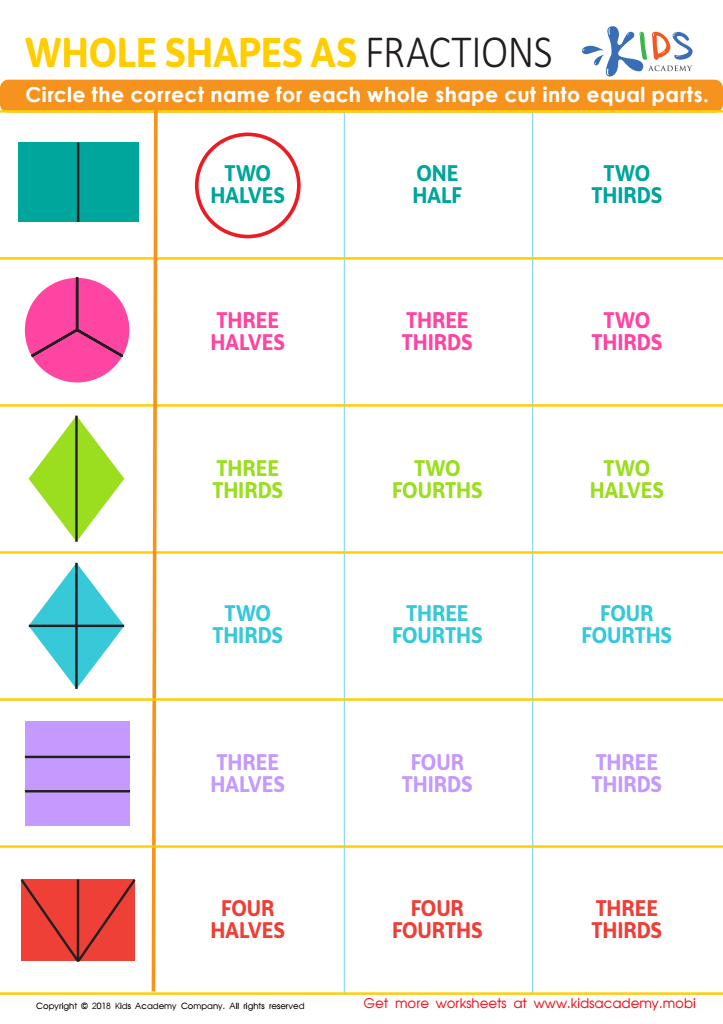
Whole Shapes as Fractions Worksheet
 Assign to My Students
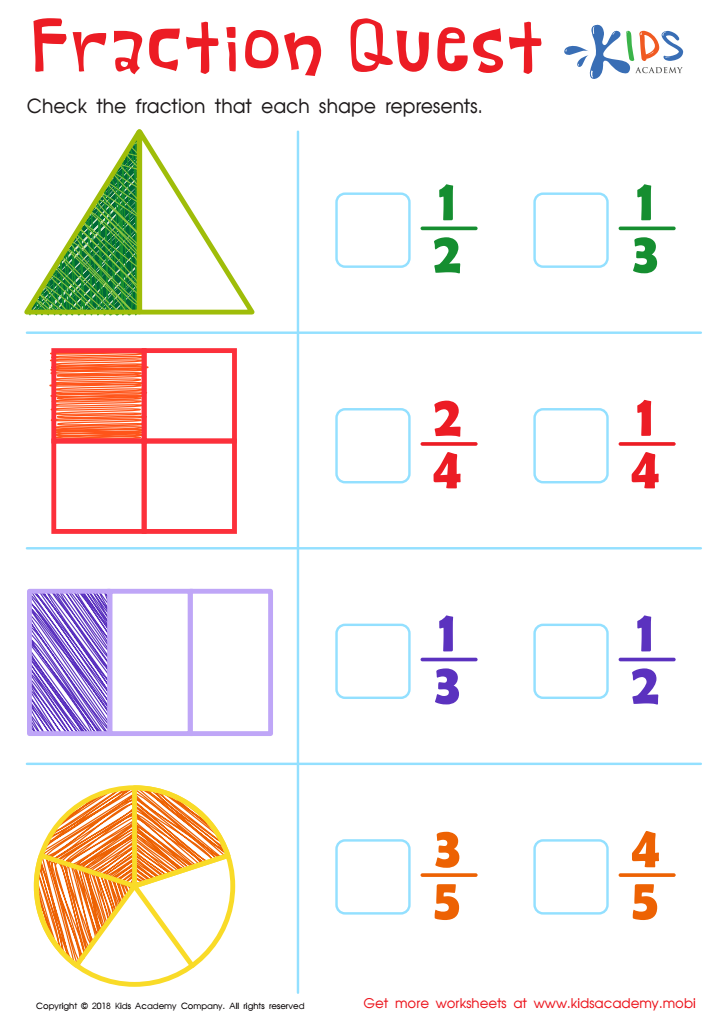
Fraction Quest Worksheet
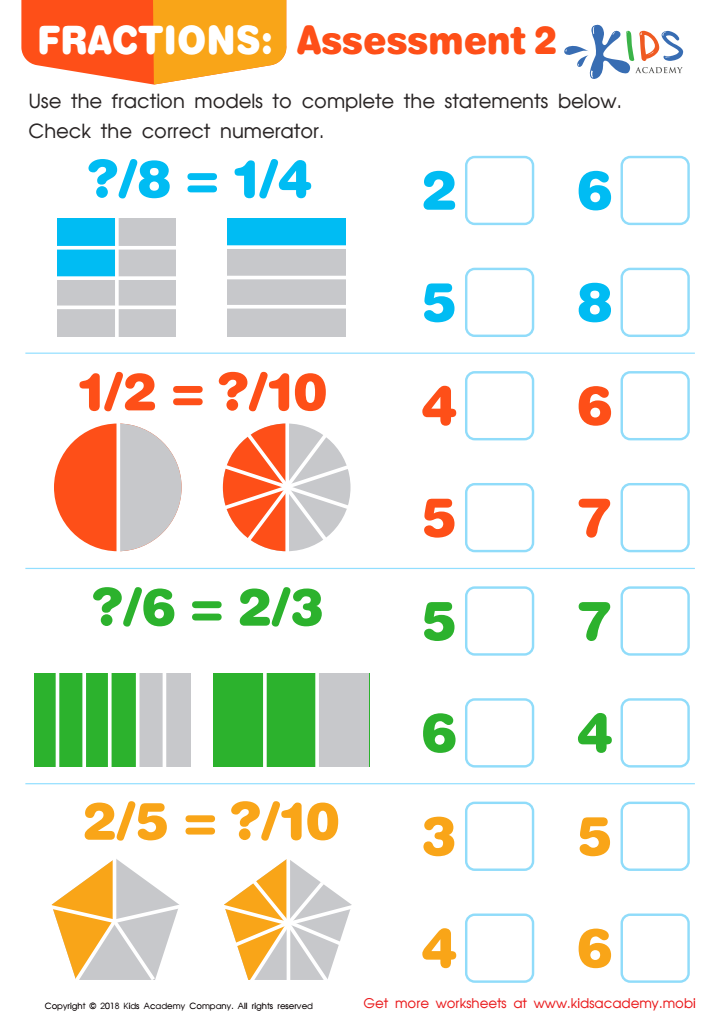
Fractions: Assessment 2 Worksheet
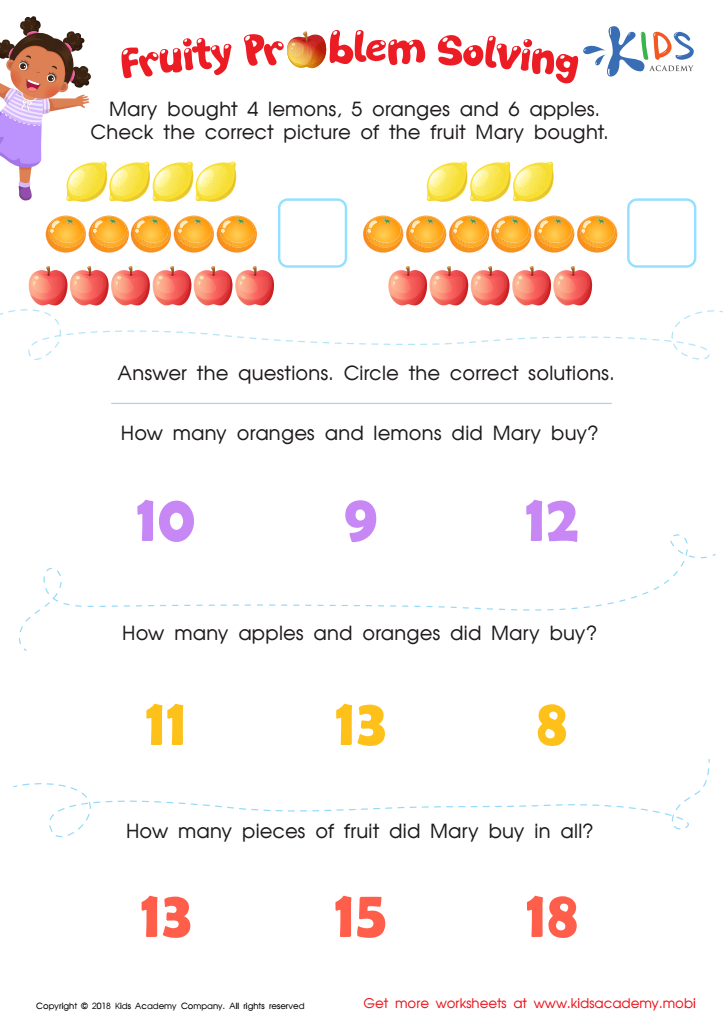
Fruity Problem Solving Worksheet
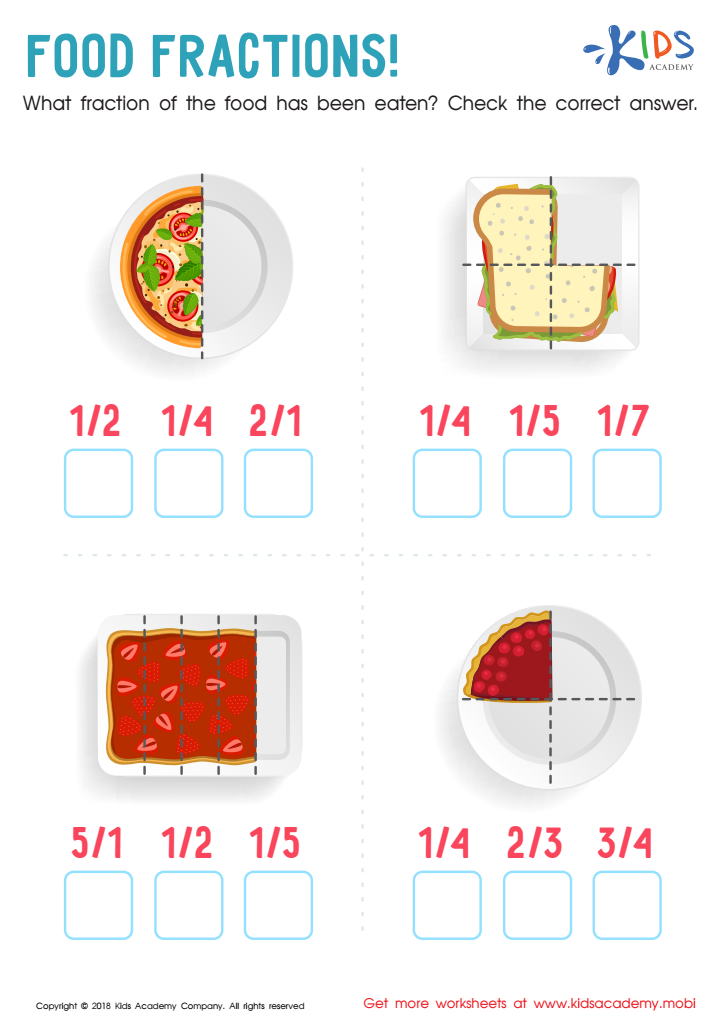
Food Fractions Worksheet
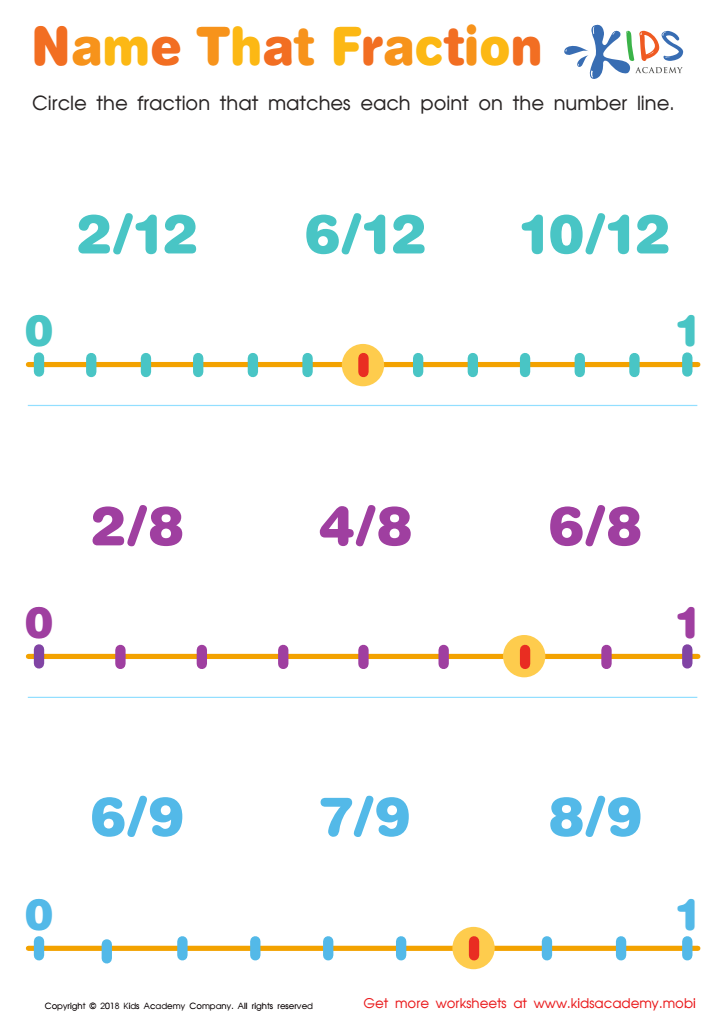
Name That Fraction Worksheet
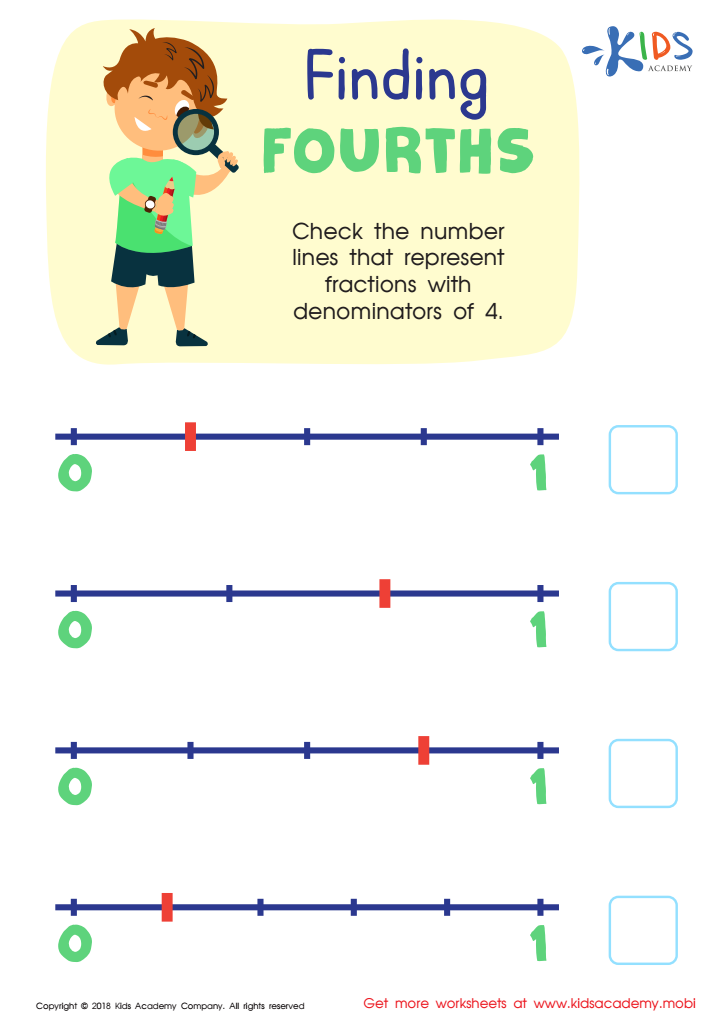
Finding Fourths Worksheet
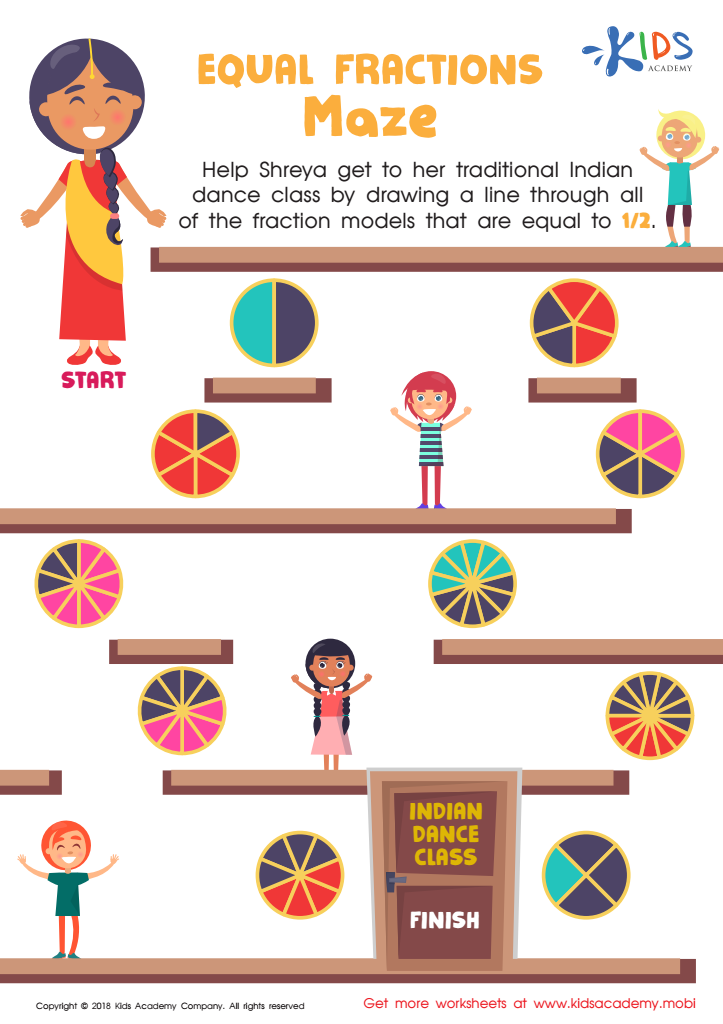
Equal Fractions Maze Worksheet
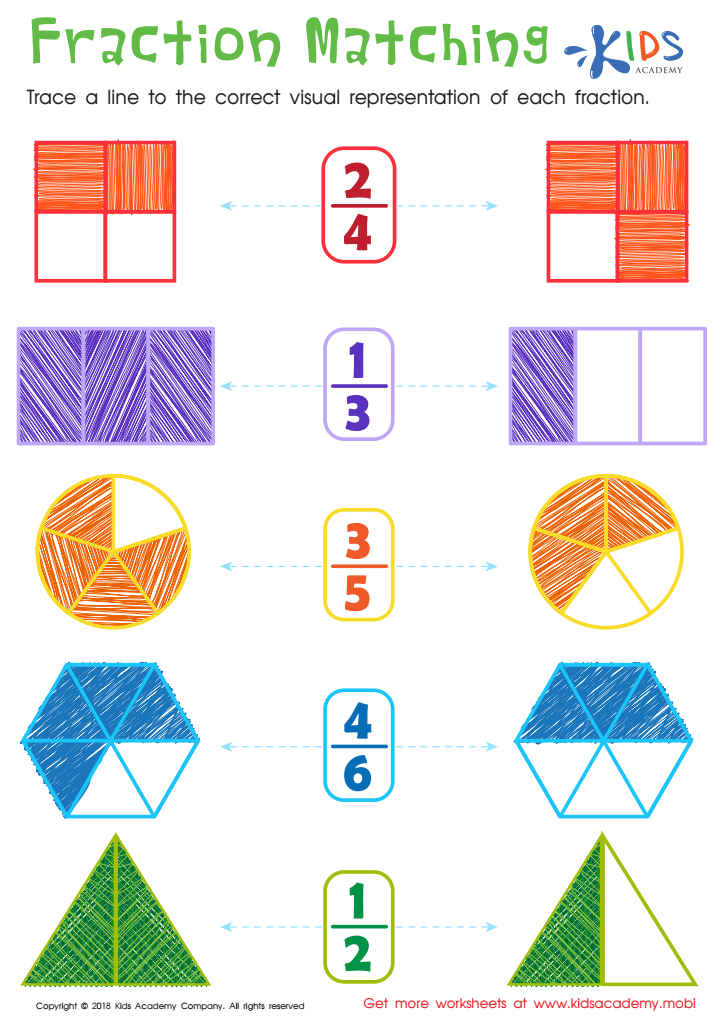
Fraction Matching Worksheet
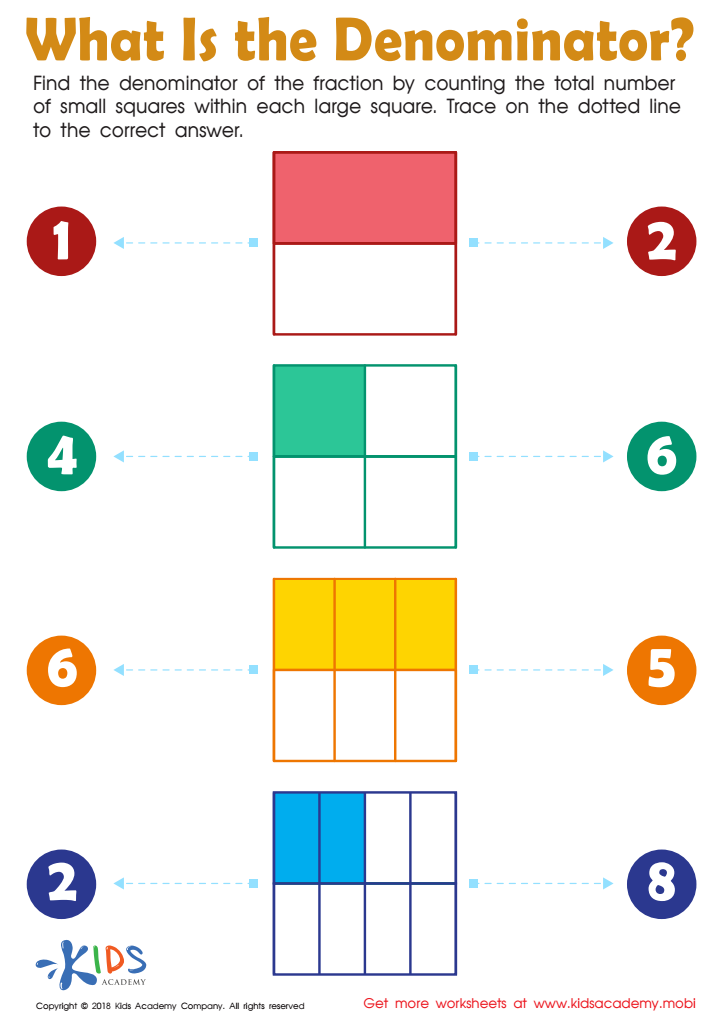
What Is the Denominator? Worksheet
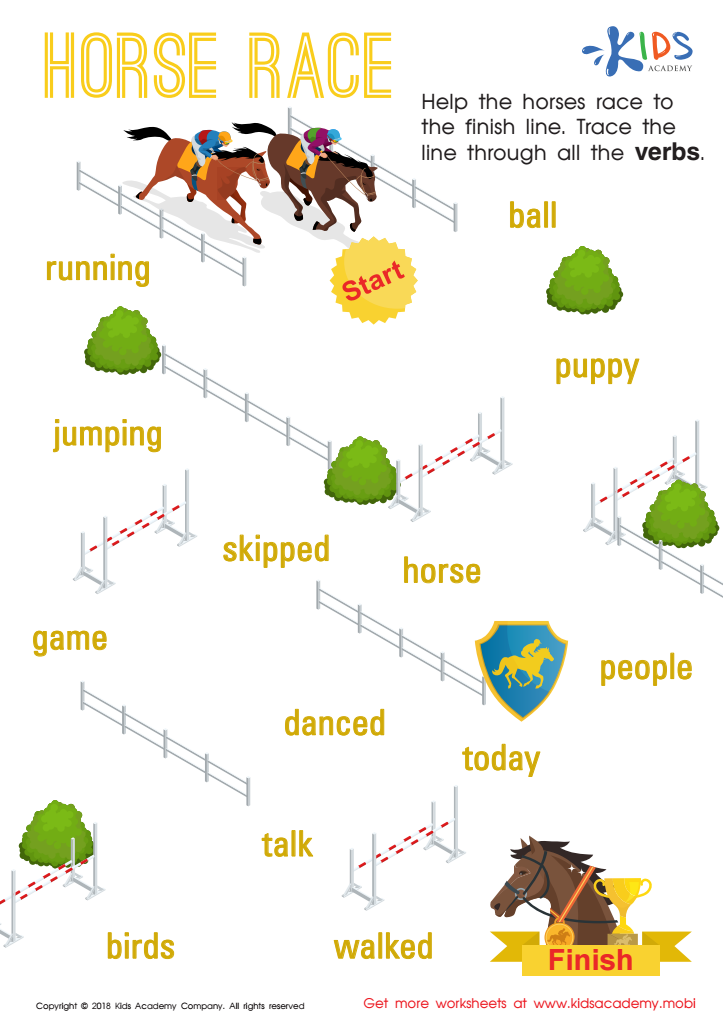
Horse Race Worksheet
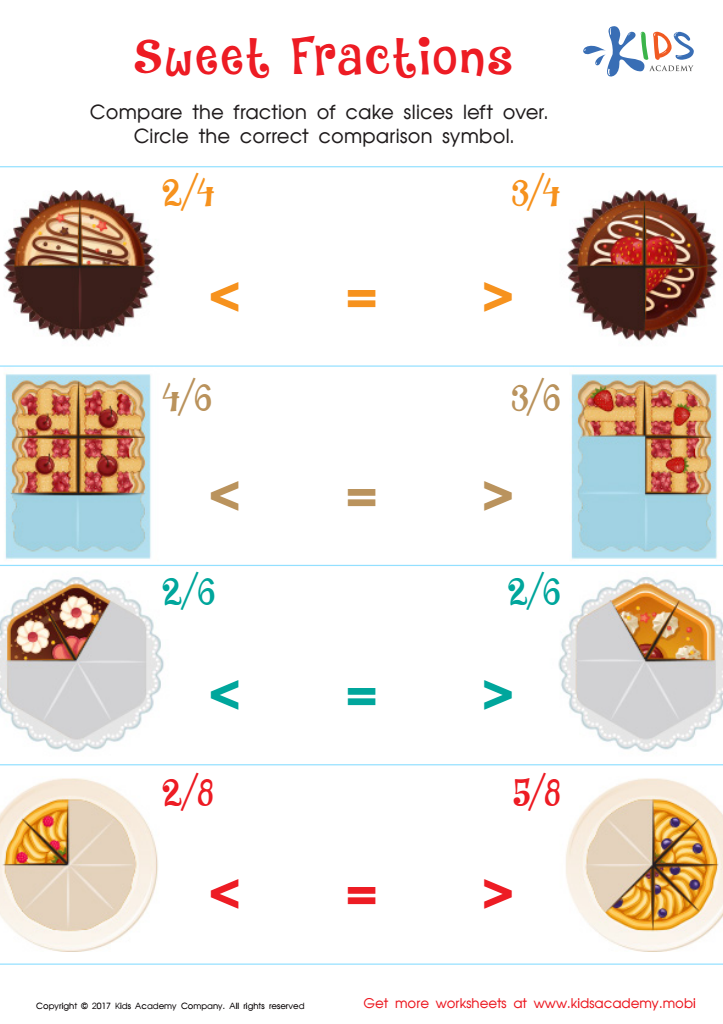
Compare Fractions Worksheet








Understanding fractions in Grade 3 is crucial for a child's mathematical development and their overall cognitive growth. At this stage, children begin to grasp more complex mathematical concepts, and fractions are fundamental. Parents and teachers should care because mastering fractions isn't only a cornerstone for future math courses but also essential for everyday life skills.
Firstly, fractions build a strong foundation for more advanced math topics like decimals, percentages, ratios, and algebra, which are vital throughout a child’s education. A good grasp on fractions can lead to higher achievement in these future lessons. Secondly, comprehension of fractions develops logical thinking and problem-solving skills. Children learn how to divide things into parts, compare and contrast quantities, and recognize patterns, which enhances their mental agility.
Additionally, we encounter fractions daily in real-world situations—a pizza sliced among friends, ingredients measured for a recipe, or portions of time in daily scheduling. When children understand fractions, they’re better equipped to handle these practical tasks confidently.
Finally, fostering a healthy relationship with fractions can improve a child's attitude toward math overall. Early success and understanding reduce anxiety and build self-esteem, which encourages lifelong enthusiasm for learning. Thus, parents and teachers play a pivotal role in ensuring children can confidently navigate this foundational math concept.