Understanding Sequences Normal Grade 3 Worksheets
4 filtered results
Difficulty Level
Grade
Age
-
From - To
Subject
Activity
Standards
Welcome to our "Understanding Sequences" worksheets for Grade 3! This engaging collection is designed to help young learners grasp the concept of sequences, enhancing their ability to recognize patterns in numbers and events. Our carefully crafted activities encourage critical thinking and problem-solving skills, making learning fun and interactive. Students will practice identifying, extending, and creating sequences through a variety of exercises. Perfect for in-class activities or at-home practice, these worksheets align with educational standards and foster a deeper understanding of mathematical concepts. Help your child build confidence in their sequencing skills with our user-friendly and effective worksheets today!
Favorites
With answer key
Interactive
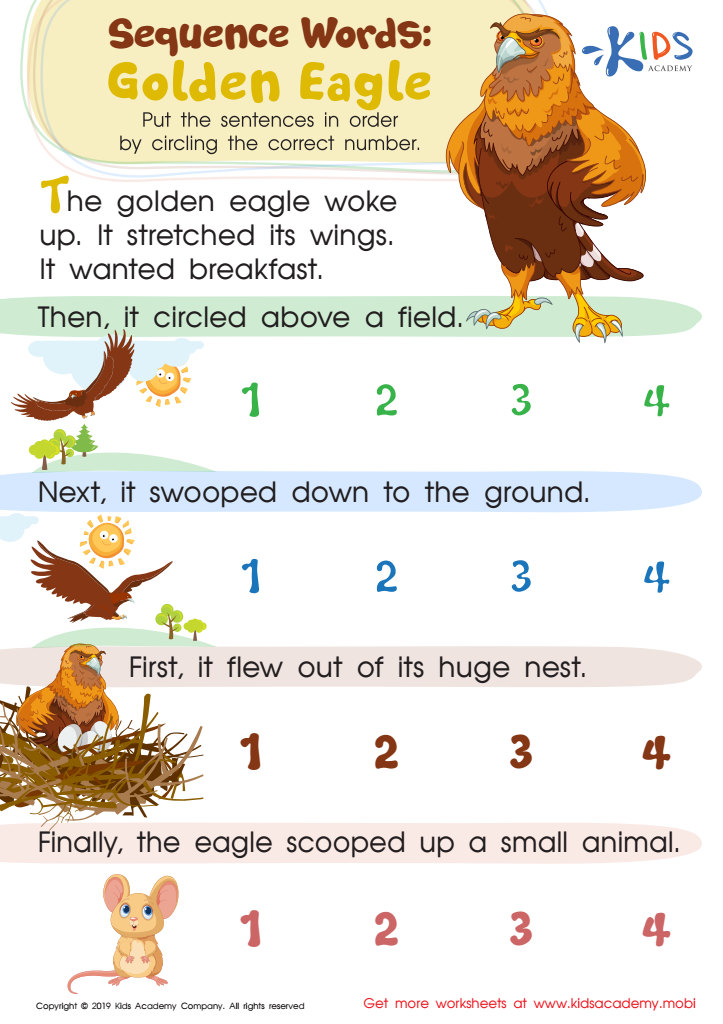
Sequence Word Eagle Worksheet
Help your child brush up on reading and writing with this fun worksheet. Read the story of the golden eagle's day, then have the child circle the numbers in the right order. Point out the sequence words that tell the order of events. This helps learners understand how to make their writing clear and understandable to others.
 Assign to My Students
Sequence Word Eagle Worksheet
Worksheet
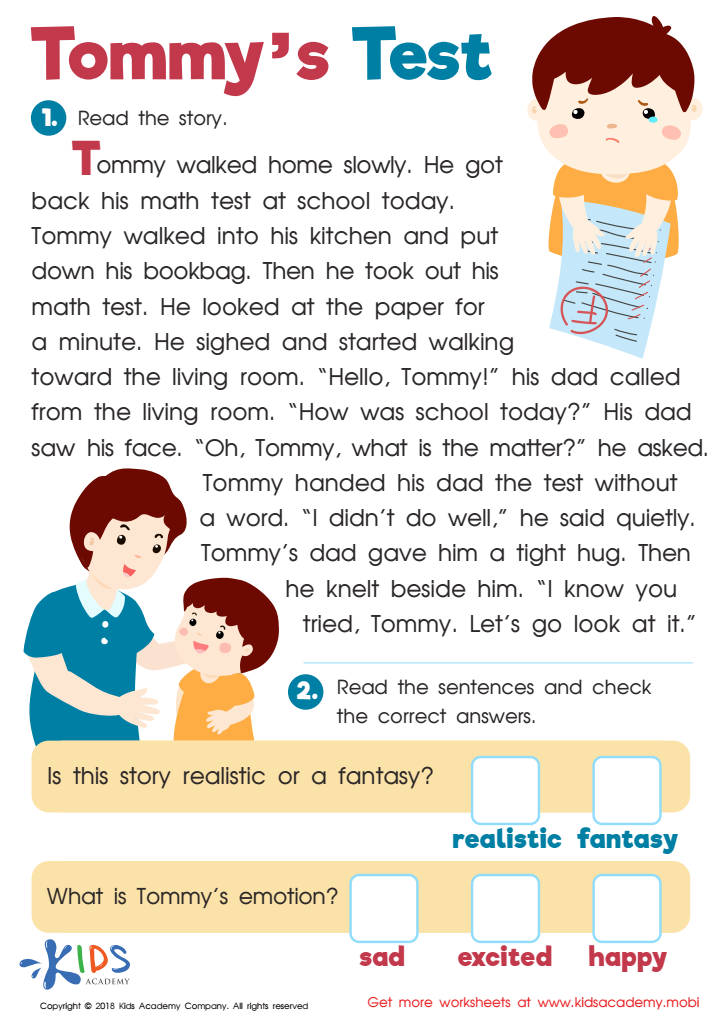
Tommys Test Worksheet
Reading short stories to your students builds a bond, teaches new words and lessons. Read the story aloud and then have them listen for details. Ask them the questions at the bottom and help them check the answers.
Tommys Test Worksheet
Worksheet
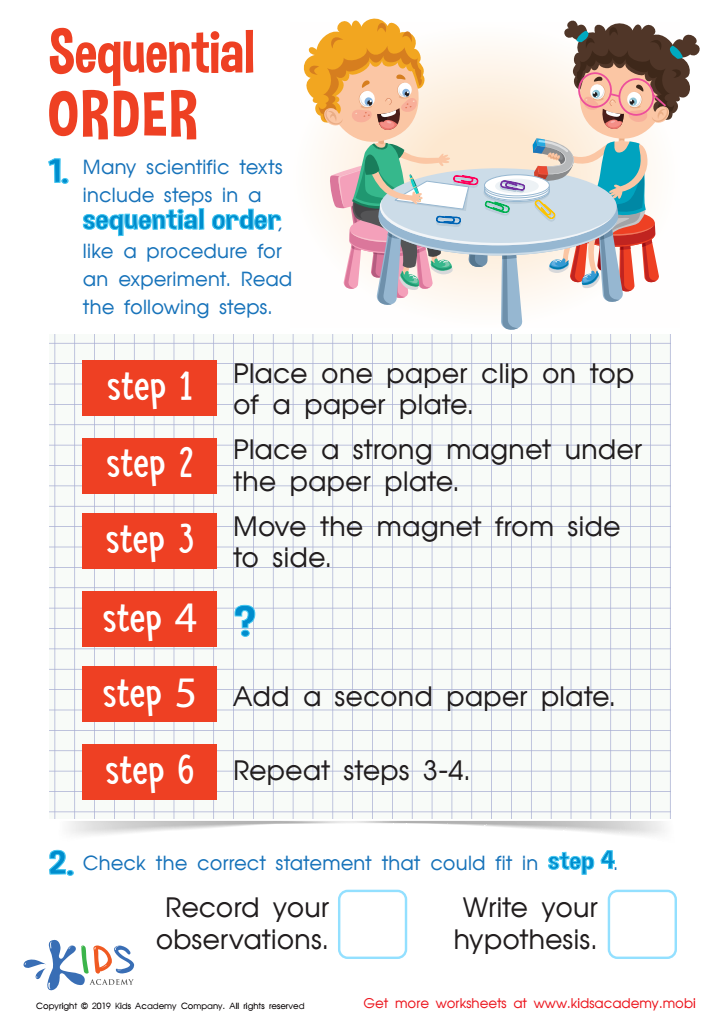
Sequencential Order Worksheet
This worksheet is perfect for science-lovers: it'll test how good your child is at following instructions by asking them to complete the steps in the right order. Have them read the steps and then choose the statements that correctly fill in the blanks. It's more than just fun experiments and results - science also requires careful procedure.
Sequencential Order Worksheet
Worksheet
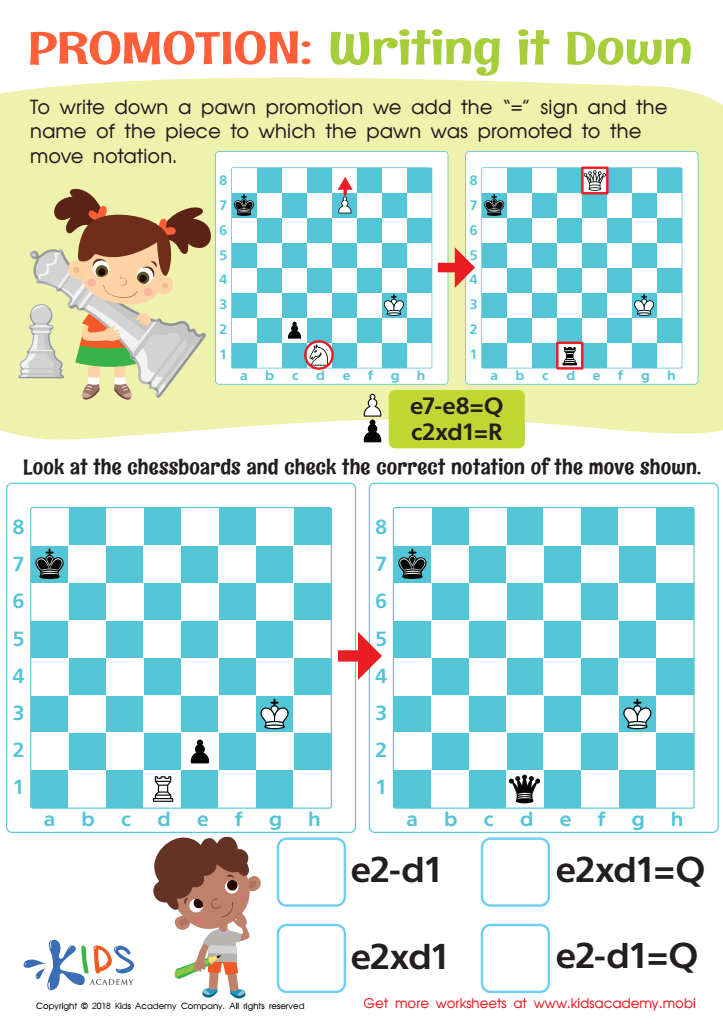
Writing it Down Worksheet
To document pawn promotion, add "=<piece name>" to the move notation. For example: e7-e8=Q. Ask your child to look at the chessboard and take note of the moves. Check the notations are correct. (80 words)
Writing it Down Worksheet
Worksheet
Join Kids Academy for Free
Who is primarily going to use this learning content?



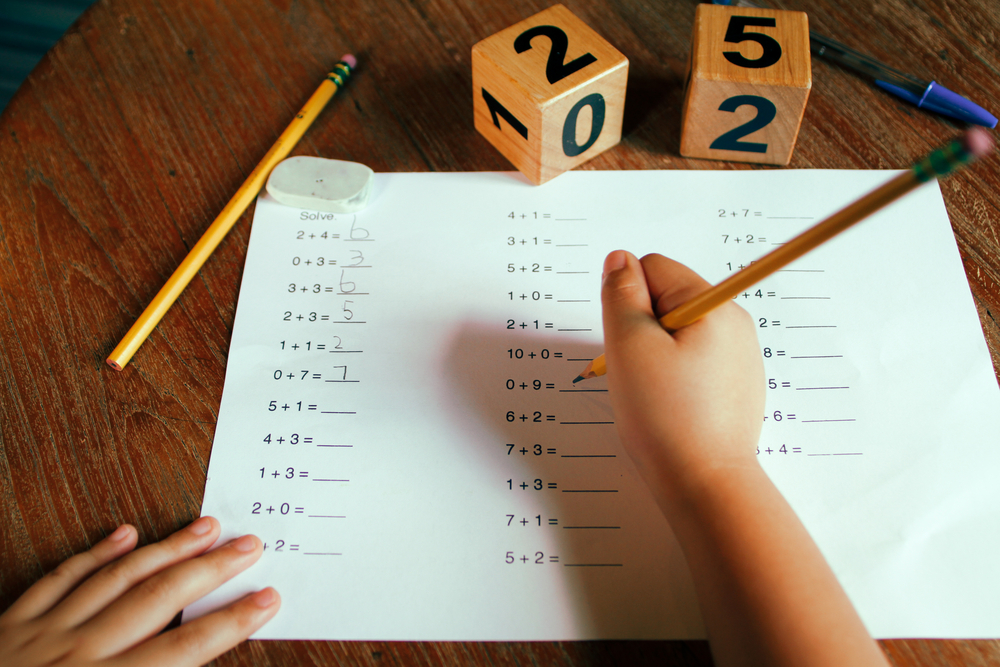

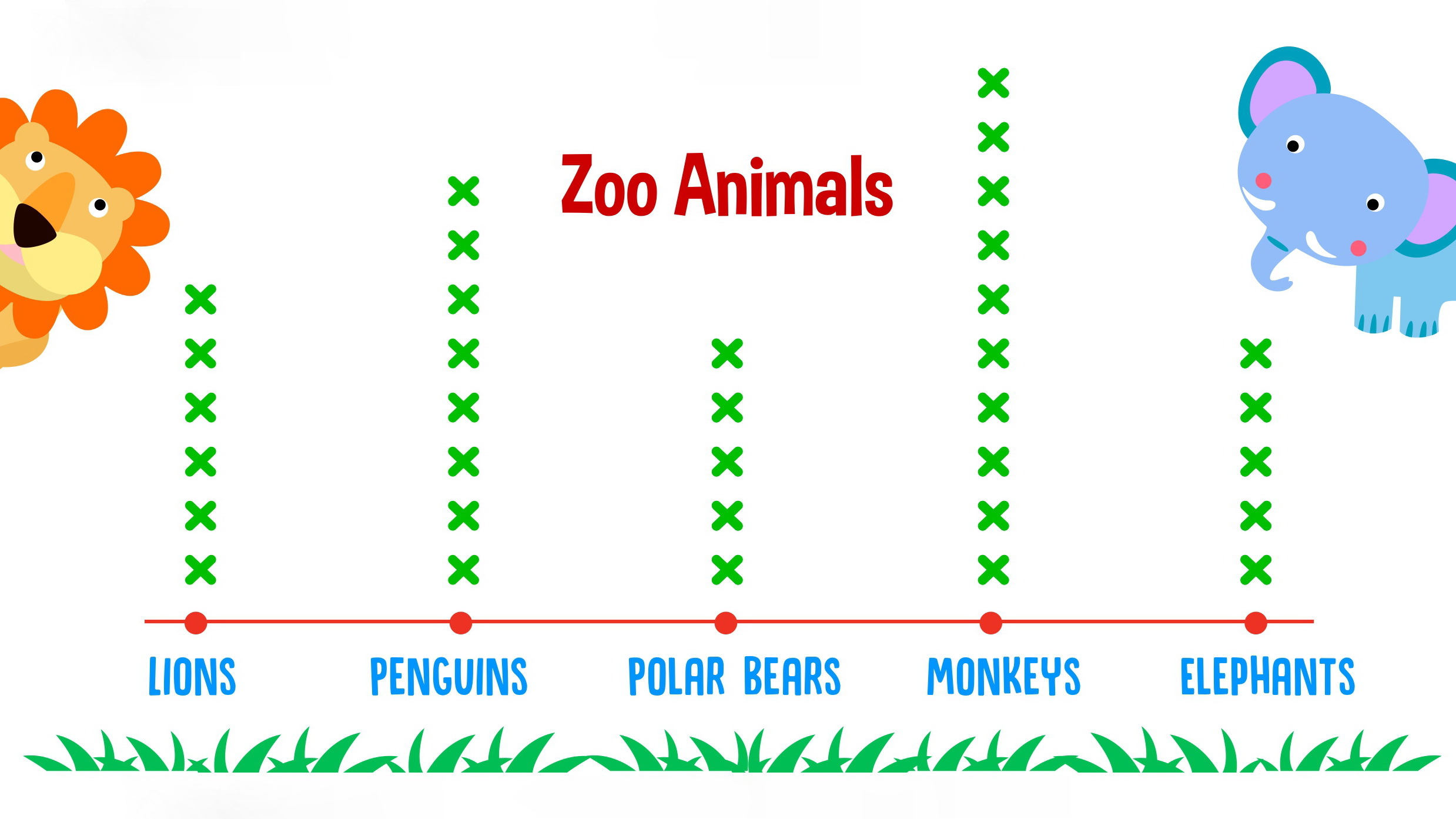


Understanding sequences is a foundational skill for third graders, as it lays the groundwork for higher-level mathematical concepts and critical thinking. When parents and teachers emphasize this area of learning, they help students recognize patterns in numbers, shapes, and everyday events. Grasping sequences enables children to make predictions, draw conclusions, and solve problems—a skill set essential for future math courses and real-life scenarios.
In Grade 3, students encounter various types of sequences, such as skipping counts by twos, fives, or tens. Mastering these concepts not only develops their computational skills but also enhances their ability to understand more complex ideas like functions and algebra in later grades. Additionally, engaging with sequences fosters analytical thinking and boosts confidence as students successfully navigate different patterns.
Moreover, understanding sequences can enhance students' literacy skills by connecting numerical sequences with narrative structure in stories or rhythms in music. Inviting parents to participate in learning through fun activities, such as playing games or solving puzzles, makes the topic enjoyable while reinforcing its relevance. Ultimately, parents and teachers should prioritize the understanding of sequences, as it supports children's holistic cognitive development and paves the way for success in numerous academic areas.