Enhancing Reading Comprehension Normal Grade 3 Science Worksheets
3 filtered results
Difficulty Level
Grade
Age
-
From - To
Subject
Activity
Standards
Discover an exciting collection of Grade 3 Science worksheets designed to enhance reading comprehension skills! Our thoughtfully crafted resources help young learners engage with scientific concepts while improving their ability to understand and analyze texts. Featuring interactive exercises and various question types, these worksheets promote critical thinking and vocabulary development. Each activity is aligned with educational standards, ensuring that students build a strong foundation in both science and literacy. Ideal for classroom use or at-home learning, our worksheets make it easy for educators and parents to support students’ academic growth. Explore our collection today and empower your child’s learning journey!
Favorites
With answer key
Interactive
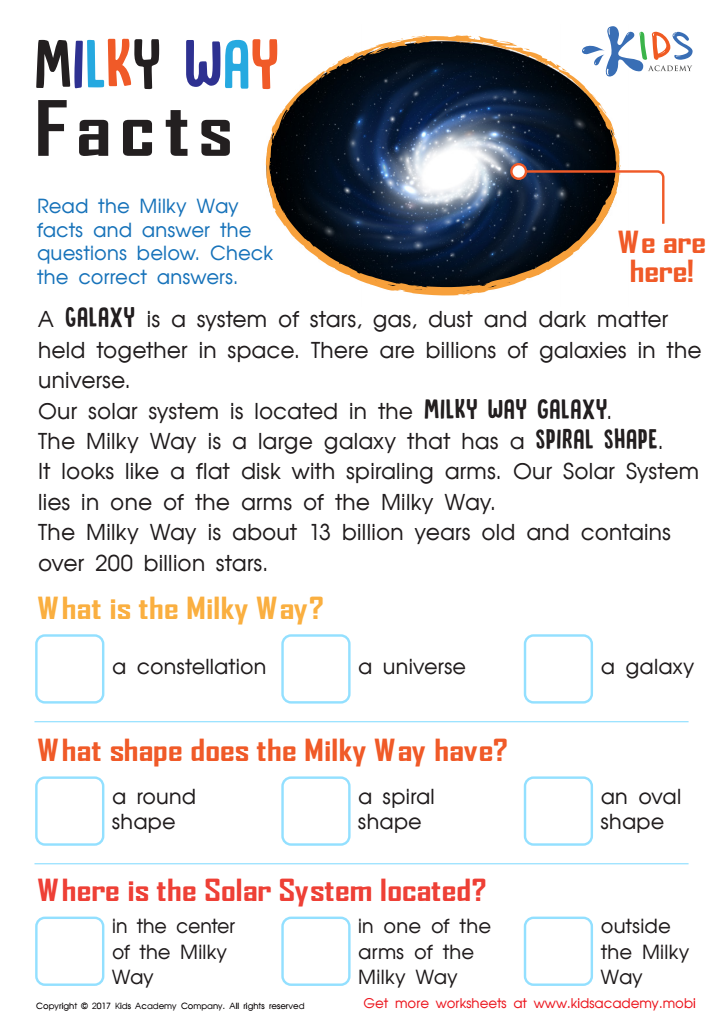
Milky Way Facts Worksheet
Blast off to explore the Milky Way! This fun-filled worksheet teaches kids facts about our galaxy, from its shape and composition, to its age and more! Get ready to discover what makes up a galaxy and enjoy learning all about it!
 Assign to My Students
Milky Way Facts Worksheet
Worksheet
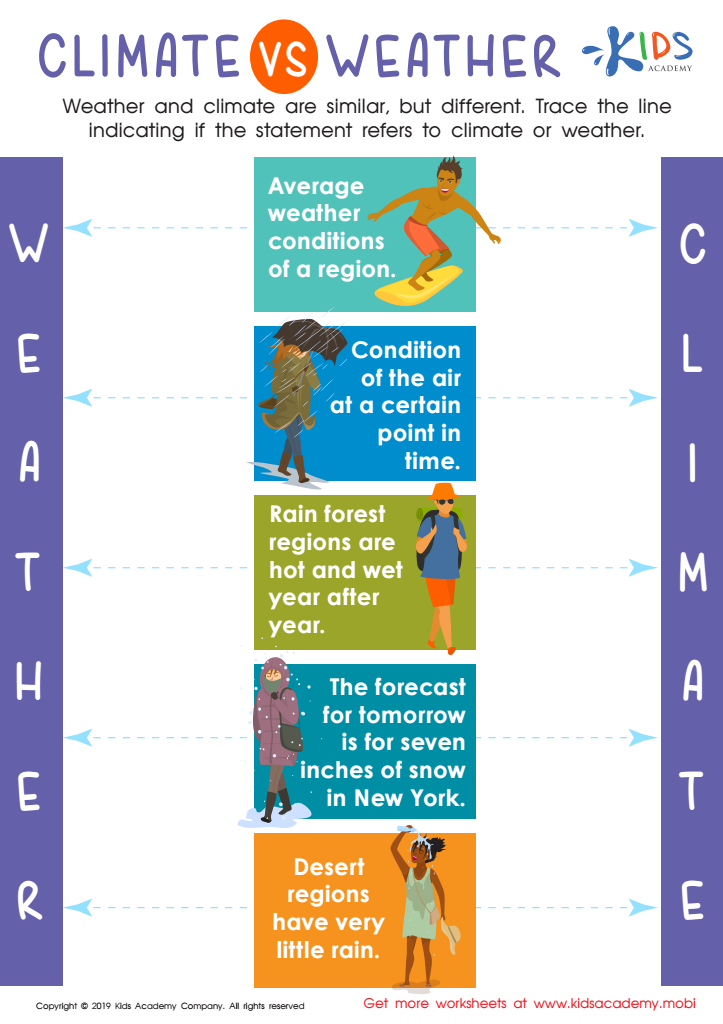
Climate vs Weather Worksheet
Weather and climate might sound similar, but they're different! Kids can discover the difference with this free, factual worksheet. Weather is the air's condition at one moment, while climate is an area's average weather. Kids can draw lines to connect factoids to either one. An interesting and educational activity!
Climate vs Weather Worksheet
Worksheet
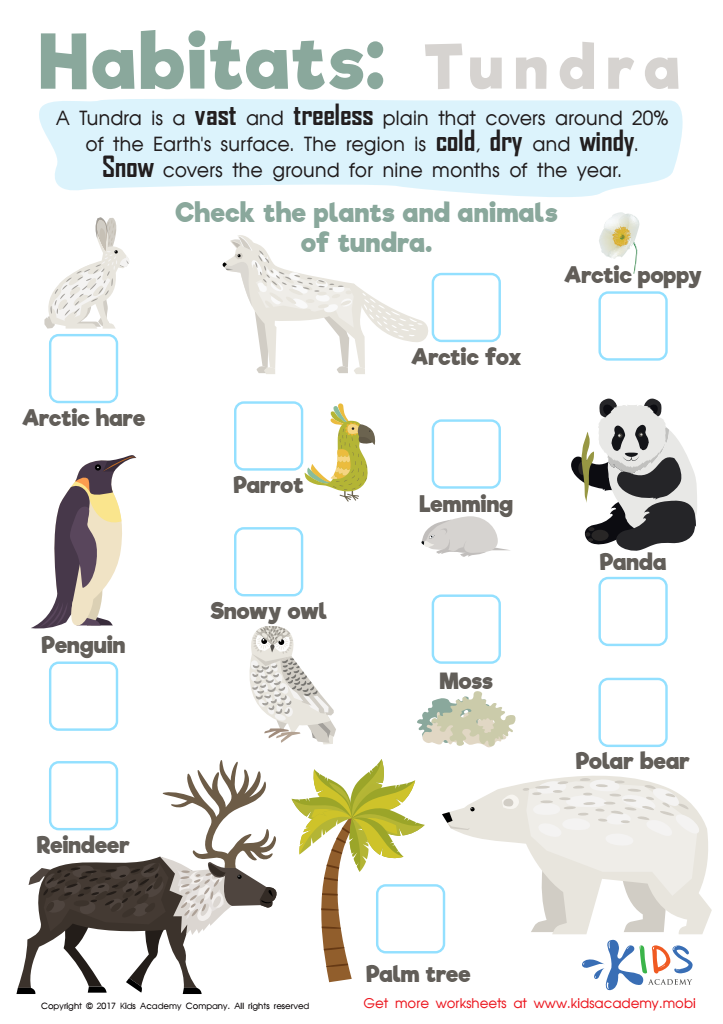
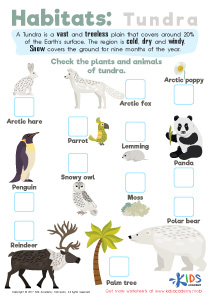
Tundra Habitats Worksheet
Kids can increase their scientific vocab and learn about tundra habitats with this worksheet. They'll start by reading facts about the tundra, then identify animals that live there using their knowledge. It's a great way to explore the world!
Tundra Habitats Worksheet
Worksheet
Learning Skills
Join Kids Academy for Free
Who is primarily going to use this learning content?







Enhancing reading comprehension in Grade 3 science is crucial for the holistic development of young learners. At this stage, children are building foundational skills that will support their academic growth in various subjects. Strong reading comprehension allows students to grasp complex scientific concepts, engage with texts effectively, and apply their knowledge to real-world situations.
When parents and teachers prioritize reading comprehension, they empower students to ask questions, make predictions, and draw conclusions from what they read. This fosters critical thinking and analytical skills that are essential not just for science, but for overall learning.
Moreover, science texts often contain specialized vocabulary and complex structures, making comprehension particularly challenging. Educators and parents can utilize strategies like interactive reading sessions, discussions around the text, and incorporating hands-on activities that relate to the written material. This collaborative effort not only makes learning more engaging but also reinforces the text's content.
Ultimately, strong reading comprehension skills in science lead to a deeper understanding of the world around them, informing future learning in STEM fields, and promoting lifelong curiosity and inquiry. Supporting students in this area prepares them not just for academic success, but for informed citizenship in an increasingly scientific and technological world.