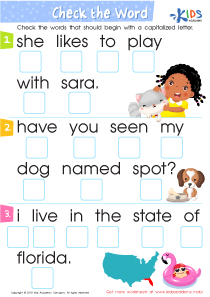
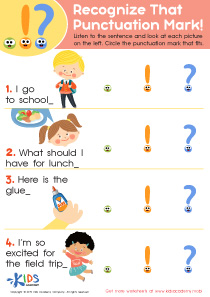
Word identification Normal Writing Worksheets
5 filtered results
-
From - To
Discover our engaging Word Identification Normal Writing Worksheets, designed to enhance young learners' reading and writing skills! Perfect for early grade students, these worksheets help children recognize and identify words through fun and interactive activities. Each worksheet fosters essential literacy skills by providing various exercises, including matching words, filling in blanks, and sentence construction, all tailored to varied learning levels. The colorful layout and captivating themes make learning enjoyable, promoting active participation and improving vocabulary. Equip your students with the tools they need for successful reading and writing proficiency. Download our worksheets now and watch their confidence soar!
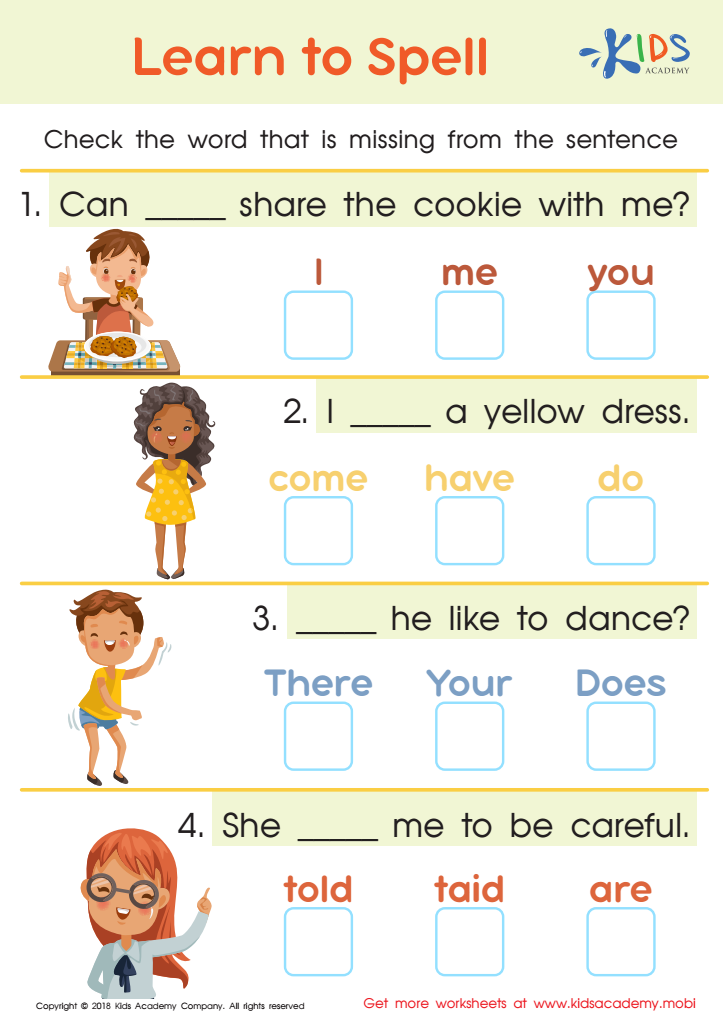
Learn to Spell Worksheet
 Assign to My Students
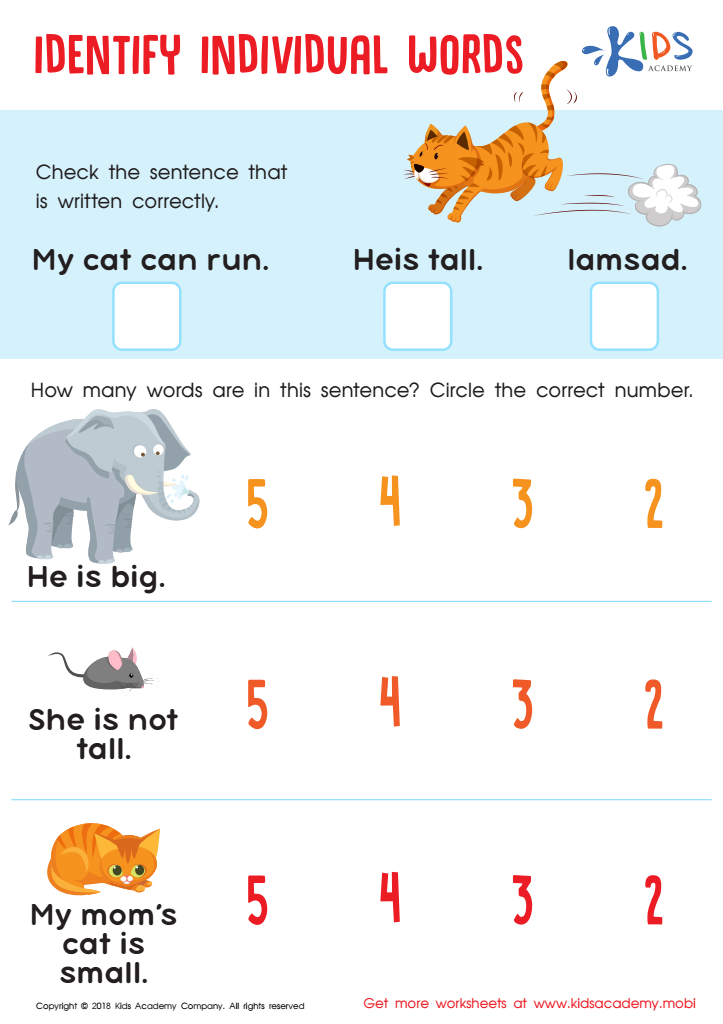
Identify Individual Words Worksheet
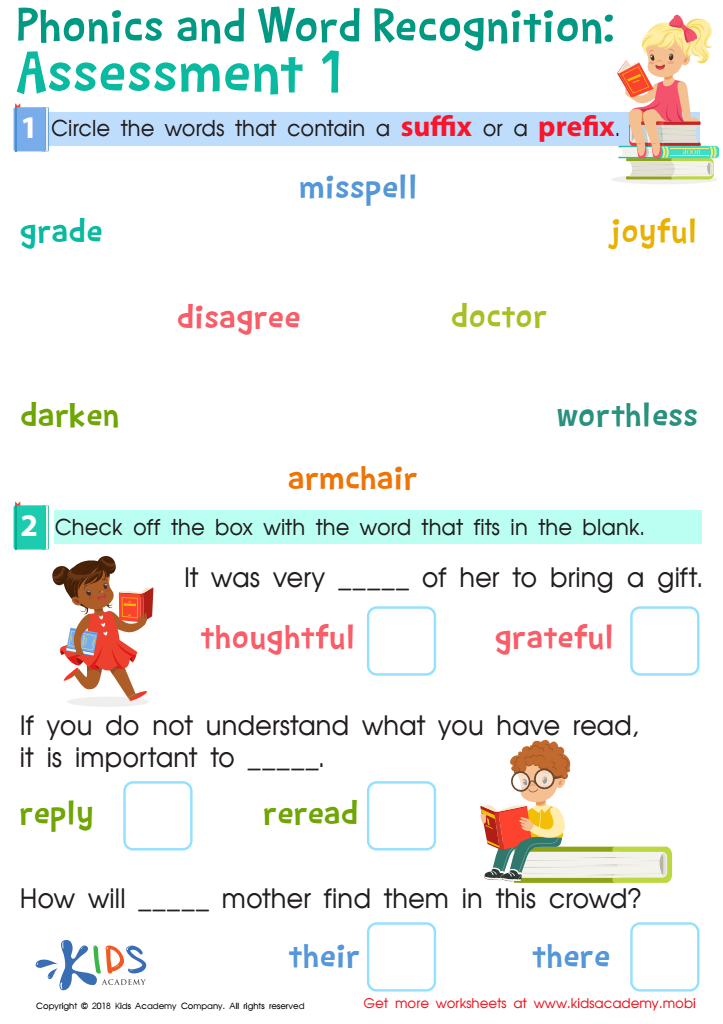
Phonics and Word Recognition: Assessment 1 Worksheet
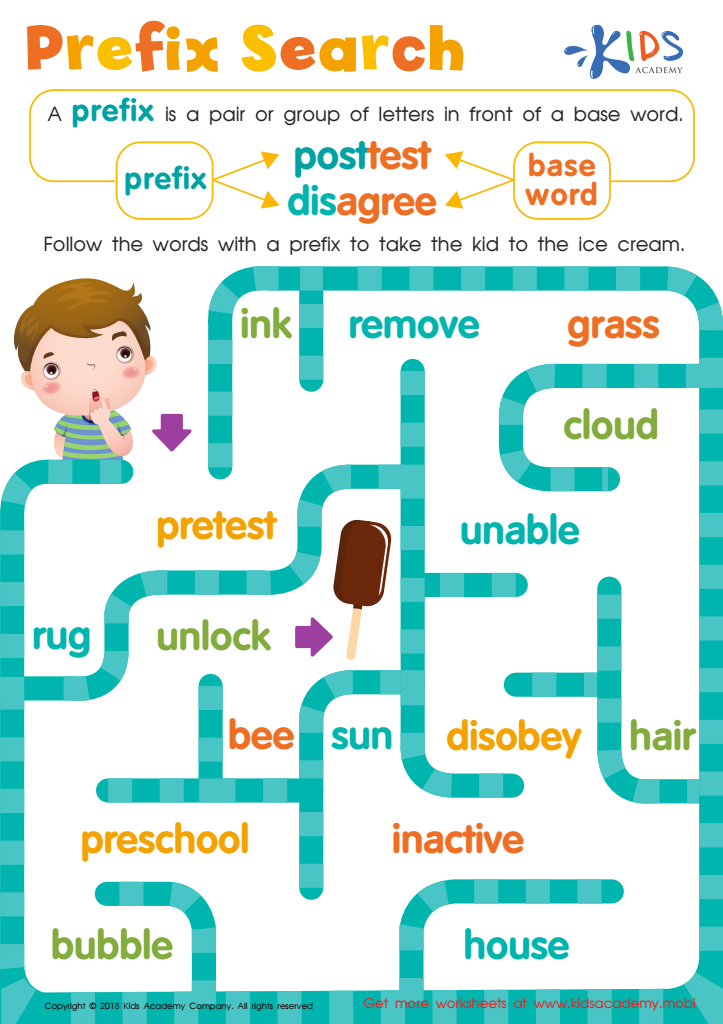
Reading: Prefix Search Worksheet
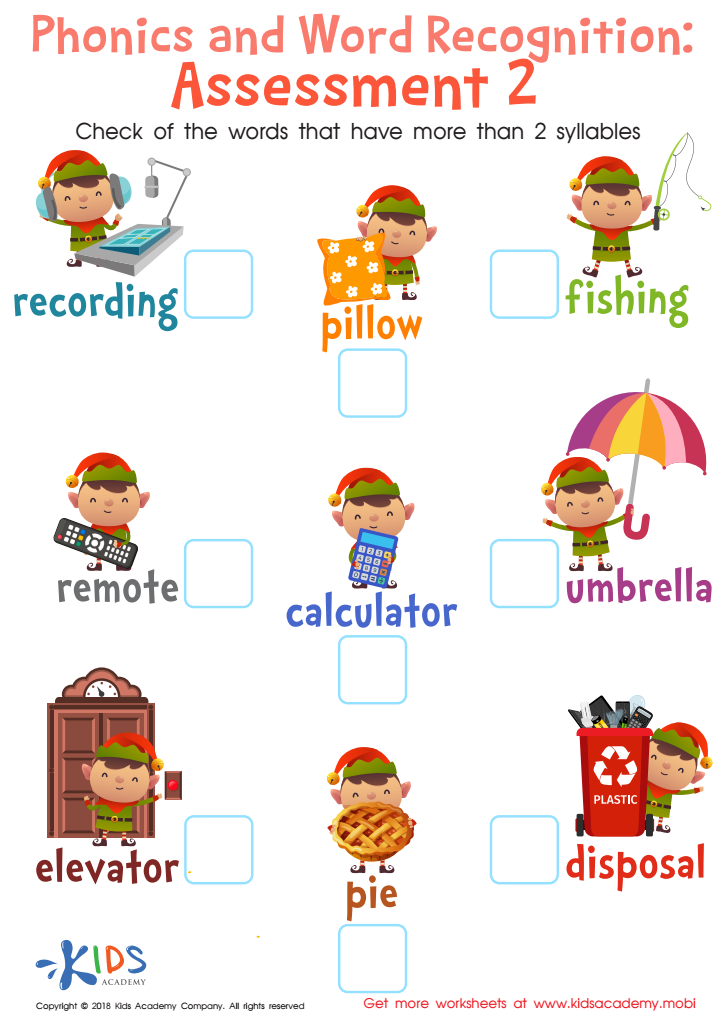
Phonics and Word Recognition: Assessment 2 Worksheet








Word identification is a crucial component of literacy development for early learners, and both parents and teachers should prioritize it for several reasons. Firstly, strong word identification skills enable children to decode and understand text independently, fostering a love for reading. When students can recognize words effortlessly, their cognitive resources shift from decoding to comprehension, allowing them to engage more meaningfully with the material.
Moreover, word identification lays the foundation for vocabulary acquisition. As children learn to identify and recognize words, they are more likely to encounter and ultimately retain new vocabulary. This enrichment is particularly important, given that vocabulary knowledge is directly linked to overall academic success.
In the classroom, effective word identification strategies create a supportive learning environment. Teachers can implement various phonics and sight word strategies, guiding learners to develop their skills systematically. At home, parents can reinforce these skills through reading together, encouraging practice in a fun and engaging manner.
Ultimately, by encouraging proficiency in word identification, both parents and teachers contribute to building confident, capable readers who are prepared to tackle the demands of higher-level literacy as they progress in their education.