
Fun and Engaging Community Knowledge Worksheets for Kids Aged 3-4 - Boost Early Learning Skills!
2 filtered results
Difficulty Level
Grade
Age
-
From - To
Subject
Activity
Standards
Dive into our enriching collection of Community Worksheets Activities, designed to foster a strong sense of belonging and understanding among participants. Our meticulously crafted activities are perfect for educators, community leaders, and organizations aiming to promote teamwork, cultural awareness, and civic responsibility. Through a diverse range of interactive tasks, from engaging group discussions to creative problem-solving exercises, participants will explore the essential values that bind communities together. Whether for classroom use, community workshops, or team-building events, our Community Worksheets Activities offer an invaluable resource for inspiring collaboration, empathy, and active citizenship in any setting. Join us in building stronger, more connected communities today.
Favorites
With answer key
Interactive
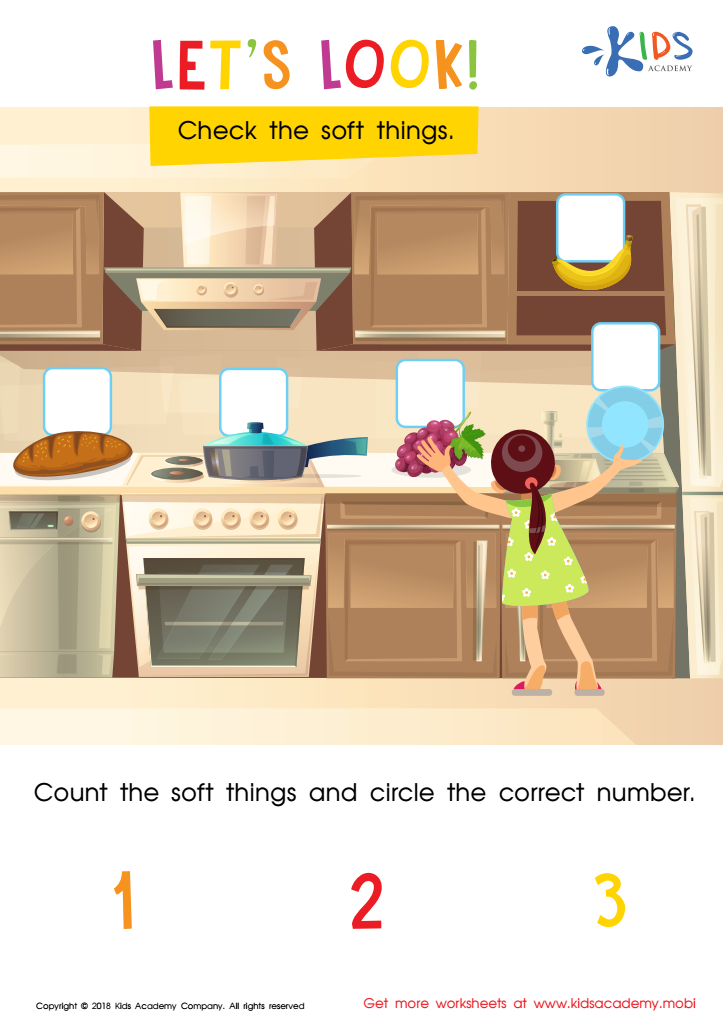
Let's Look! Assessment Worksheet
Have your child look at the picture in the printout and name the objects. Ask which ones are soft and hard and have them count the soft objects and circle the number. This worksheet will engage your child's thinking and teach them about texture.
 Assign to My Students
Let's Look! Assessment Worksheet
Worksheet
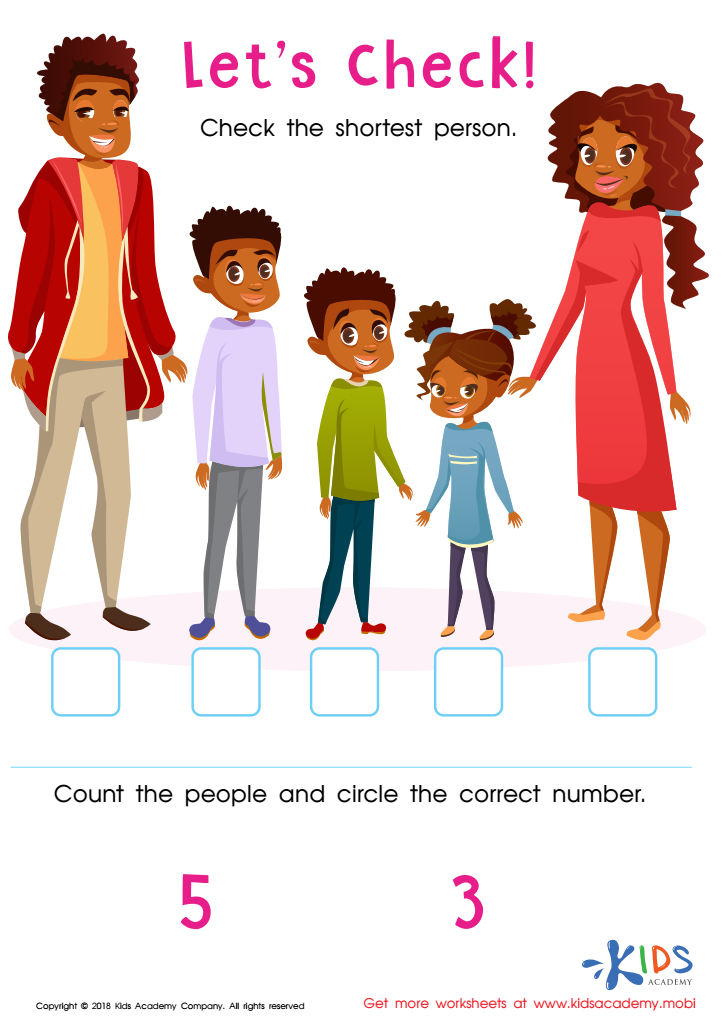
Let's Check! Assessment Worksheet
Check your child's understanding of height with this worksheet. Ask them to sort the objects in order of size and identify the tallest and shortest member of the family in the picture. See if they can correctly arrange the items from tallest to shortest.
Let's Check! Assessment Worksheet
Worksheet
Join Kids Academy for Free
Who is primarily going to use this learning content?






Community worksheets activities are an essential tool in both educational and social development settings. These activities serve as a bridge, connecting individuals with the concept of community, fostering understanding, and encouraging active participation. By engaging in community worksheets activities, participants can explore various aspects of community life, from its structures and roles to the importance of cooperation and social responsibility.
One of the primary reasons why community worksheets activities are so useful is their ability to promote social awareness. Through carefully designed exercises, individuals learn about diversity, inclusivity, and the value of each member within a community. These activities often highlight the importance of empathy and respect, teaching participants to appreciate the different backgrounds and perspectives that contribute to the richness of community life.
Furthermore, community worksheets activities are instrumental in developing critical thinking and problem-solving skills. As individuals work through scenarios and challenges presented in the worksheets, they learn to identify issues that affect their communities and think creatively about solutions. This not only enhances their analytical skills but also instills a sense of responsibility towards contributing positively to their communities.
Moreover, these activities provide an excellent platform for communication and teamwork. As participants discuss and collaborate on various tasks, they learn the significance of dialogue, compromise, and collaboration. These are vital skills that help in building strong, cohesive communities where members work together towards common goals.
Lastly, community worksheets activities are adaptable and can be tailored to suit different age groups and learning environments. Whether in schools, community centers, or online platforms, these activities can be customized to engage and educate individuals about the importance of community involvement and citizenship.
In summary, community worksheets activities are a valuable resource for promoting social awareness, critical thinking, teamwork, and active citizenship. By integrating these activities into educational and social programs, we can foster more inclusive, thoughtful, and cooperative communities.








