Tracing Letters worksheets activities for Ages 3-5
56 filtered results
-
From - To
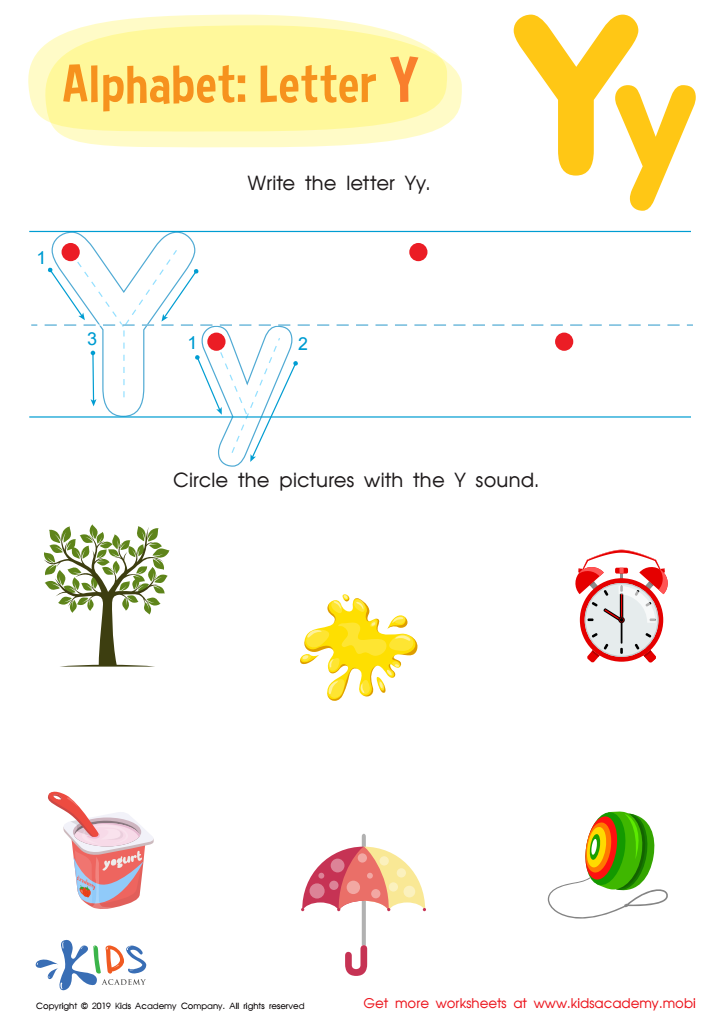
Letter Y Tracing Worksheet
 Assign to My Students
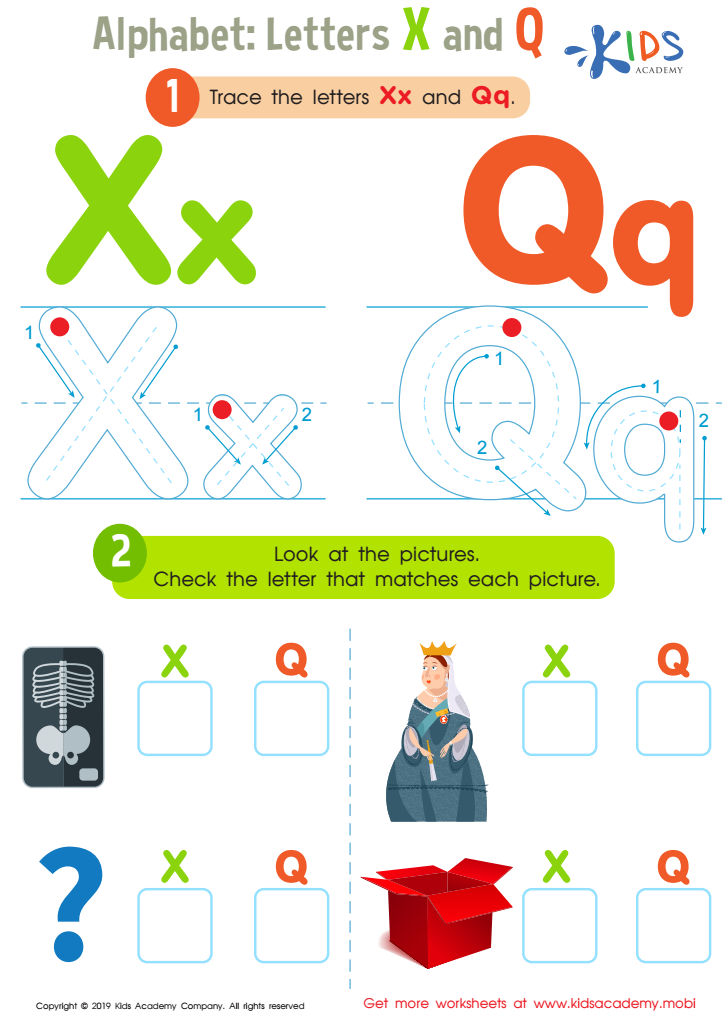
Letters X and Q Tracing Worksheet
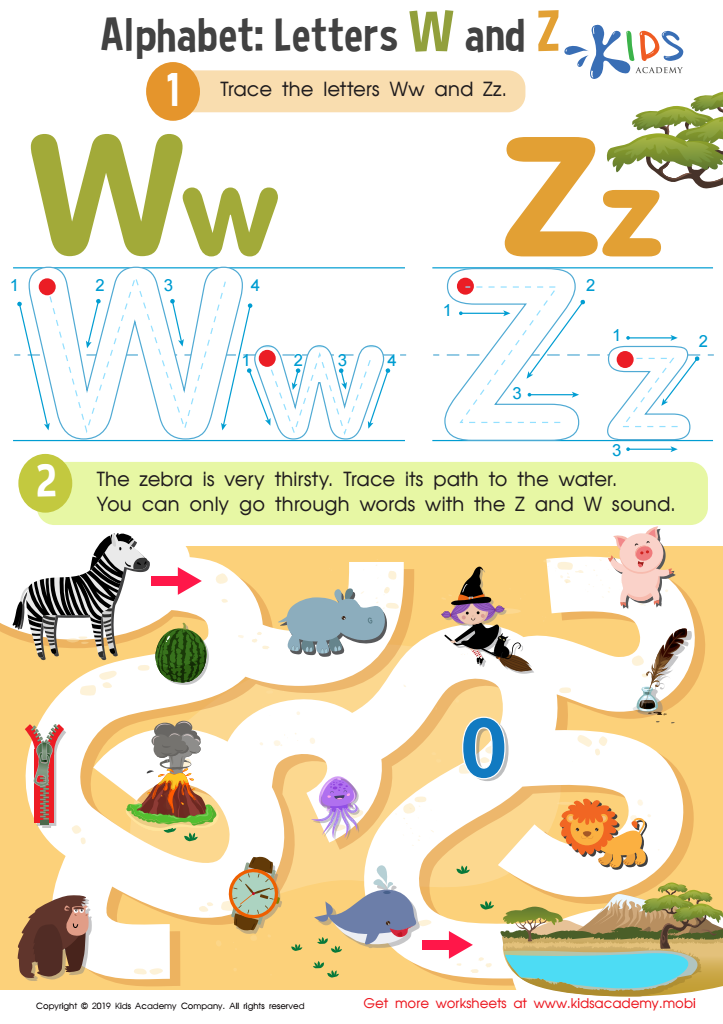
Letters W and Z Tracing Worksheet
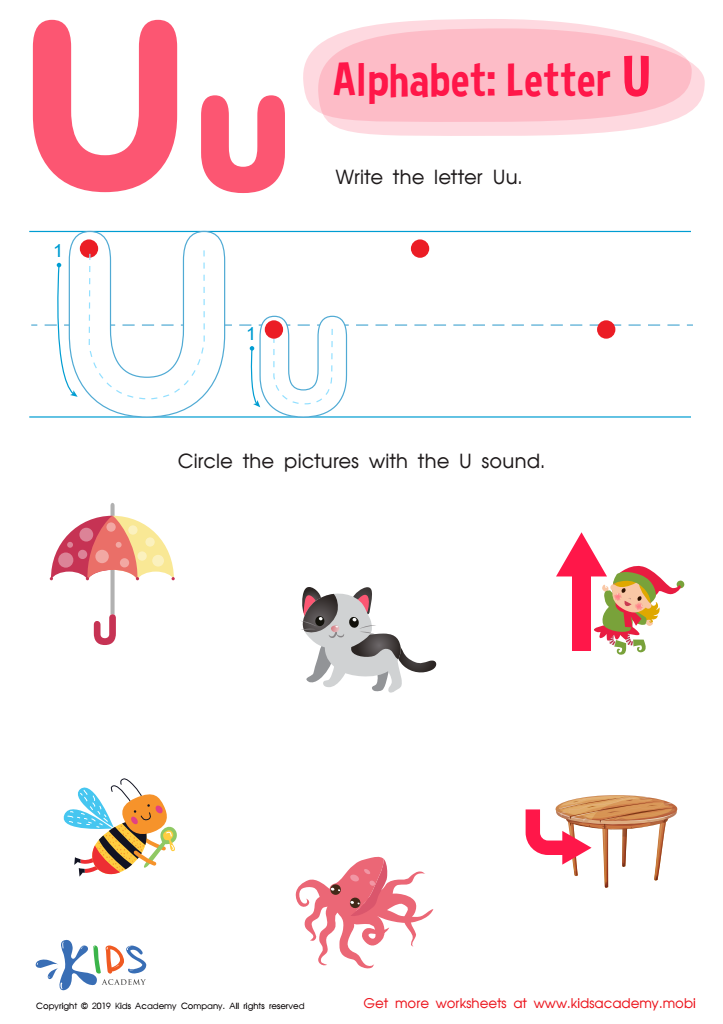
Letter U Tracing Worksheet
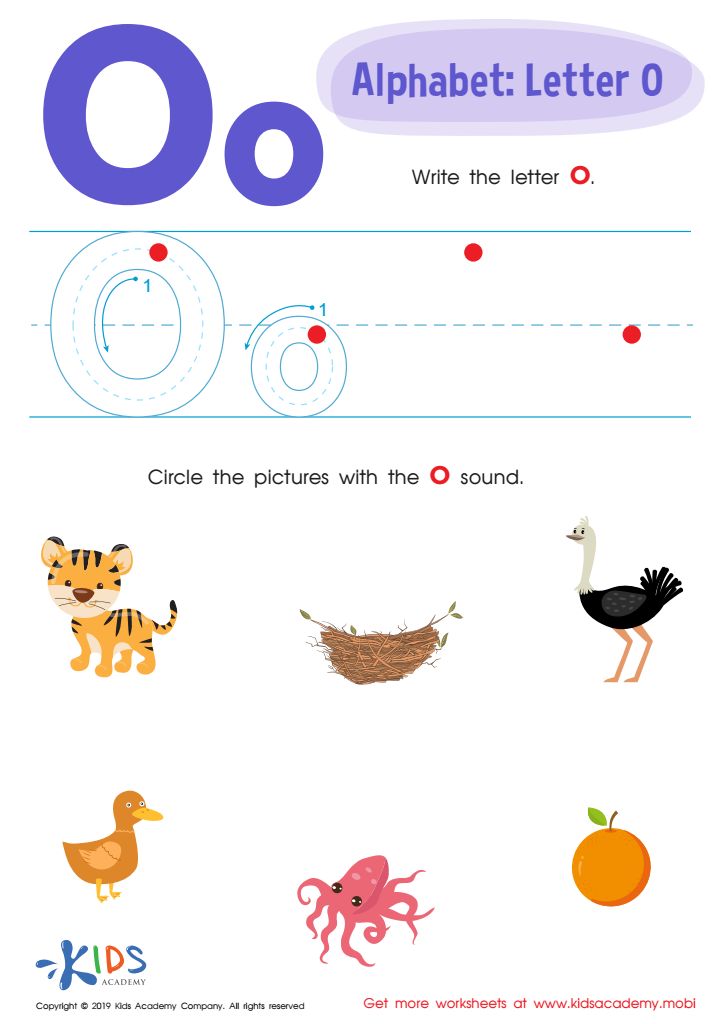
Letter O Tracing Worksheet
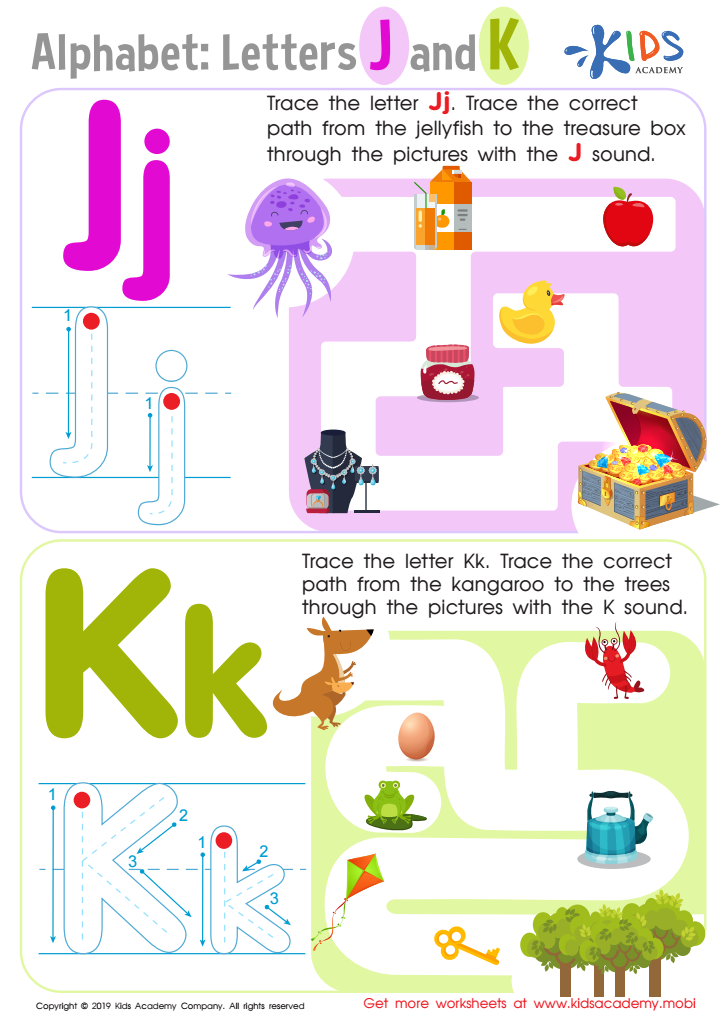
Letters J and K Tracing Worksheet
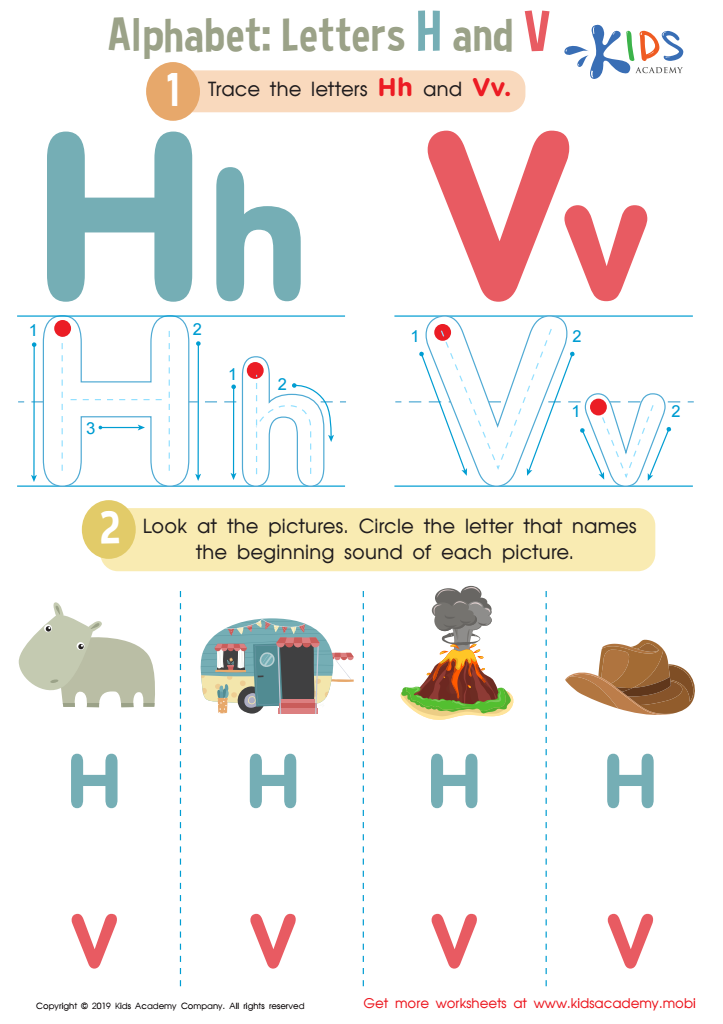
Letters H and V Tracing Worksheet
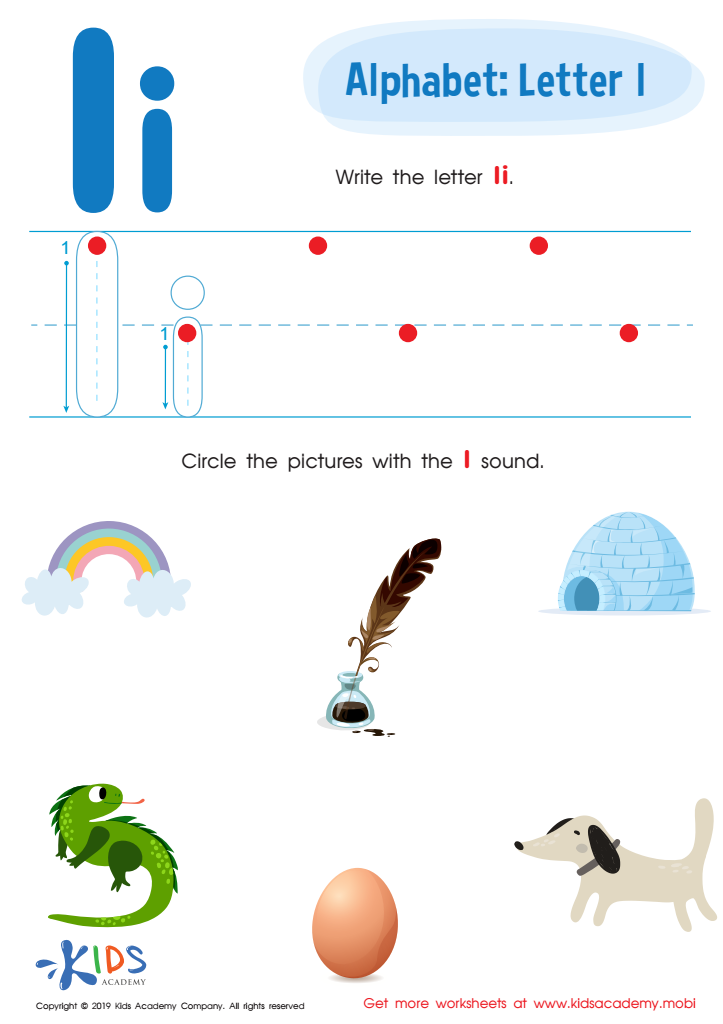
Letter I Tracing Worksheet
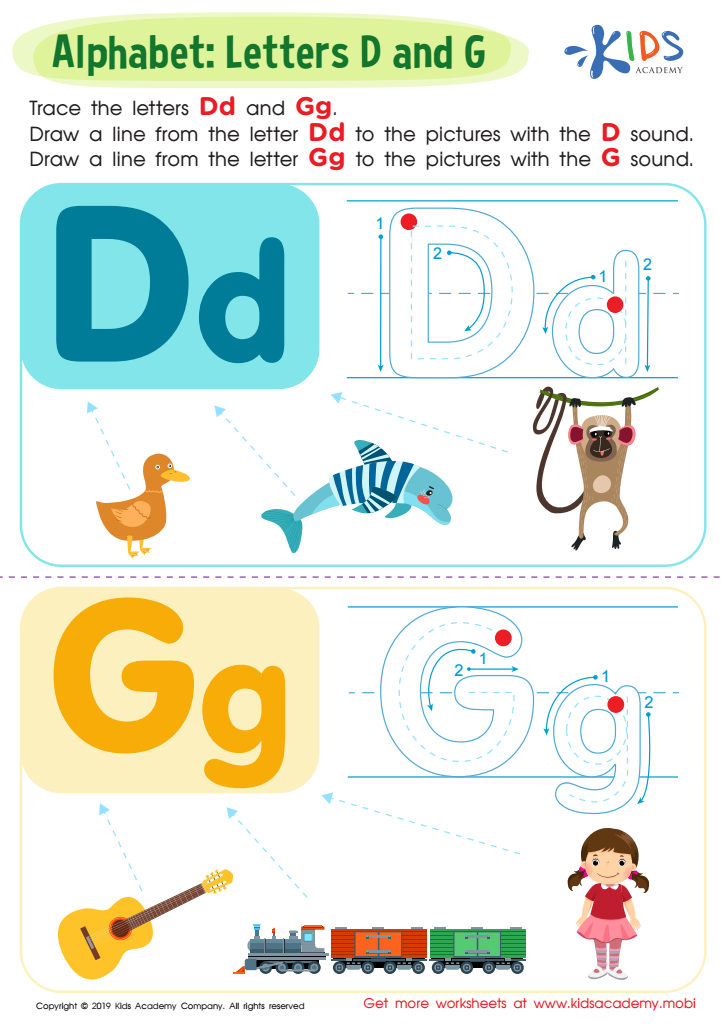
Letter D and G Tracing Worksheet
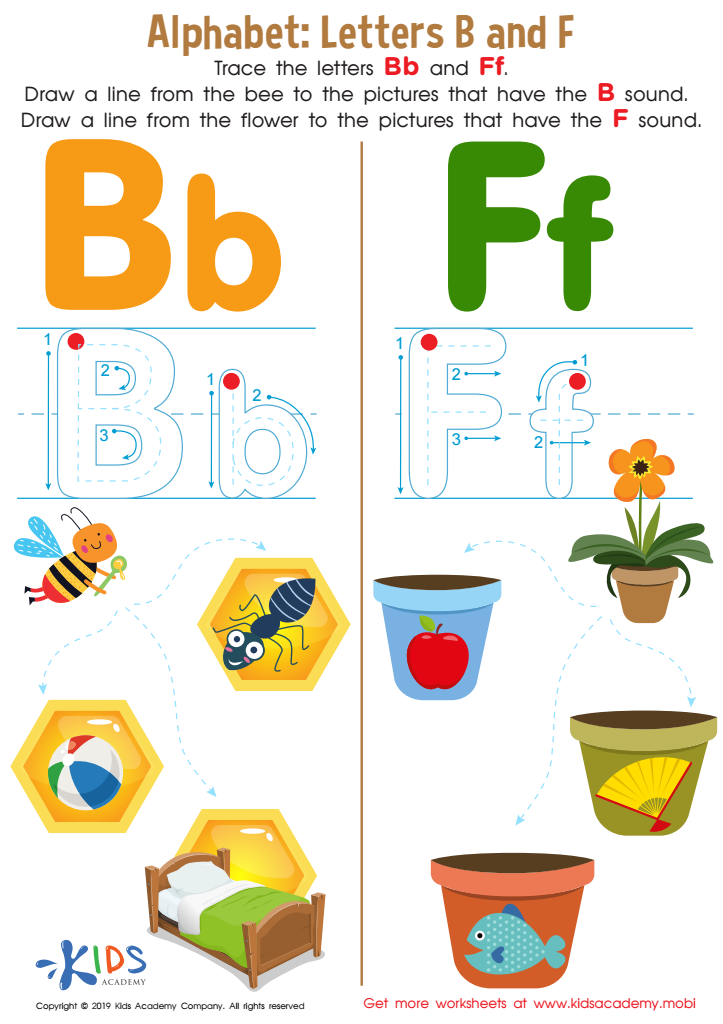
Letters B and F Tracing Worksheet
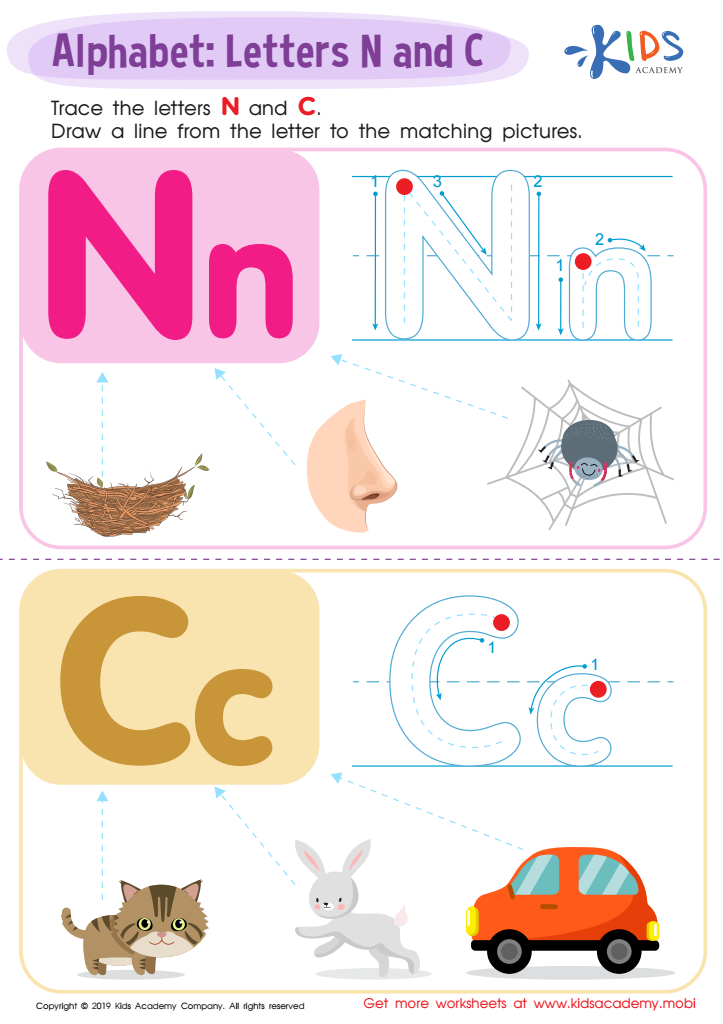
Letter N and C Tracing Worksheet
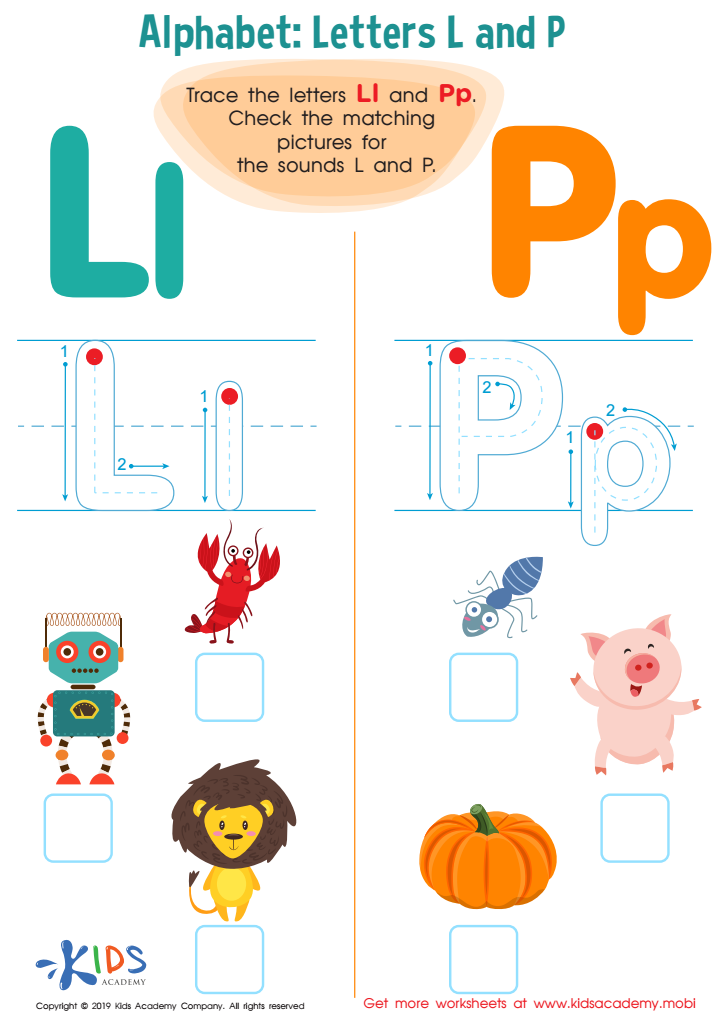
Letter L and P Tracing Worksheet
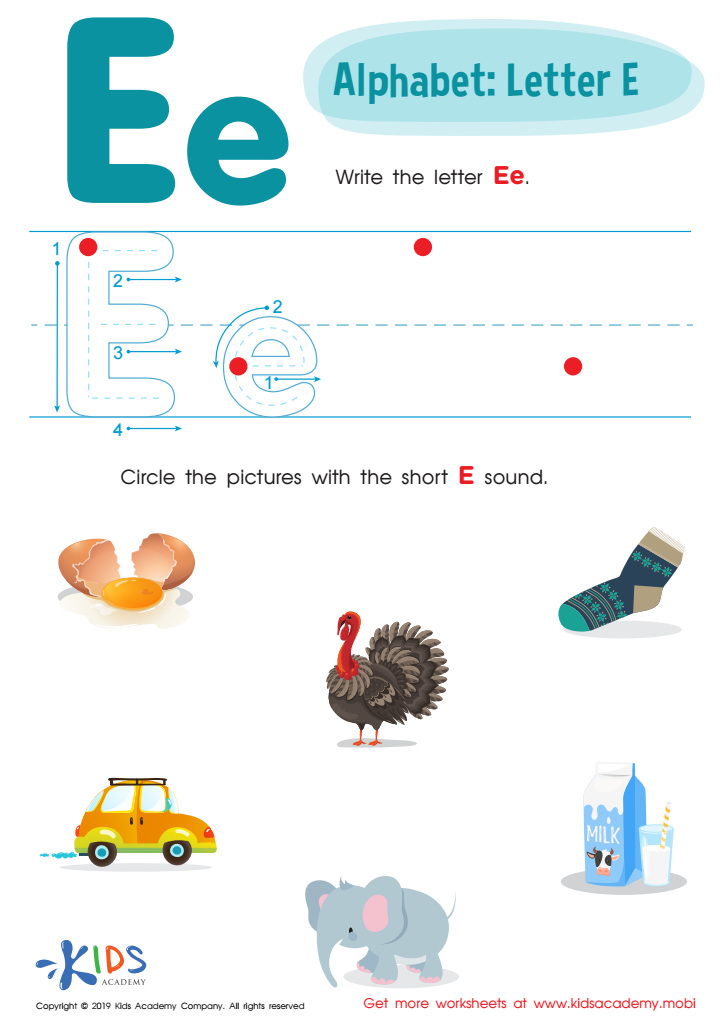
Letter E Tracing Worksheet
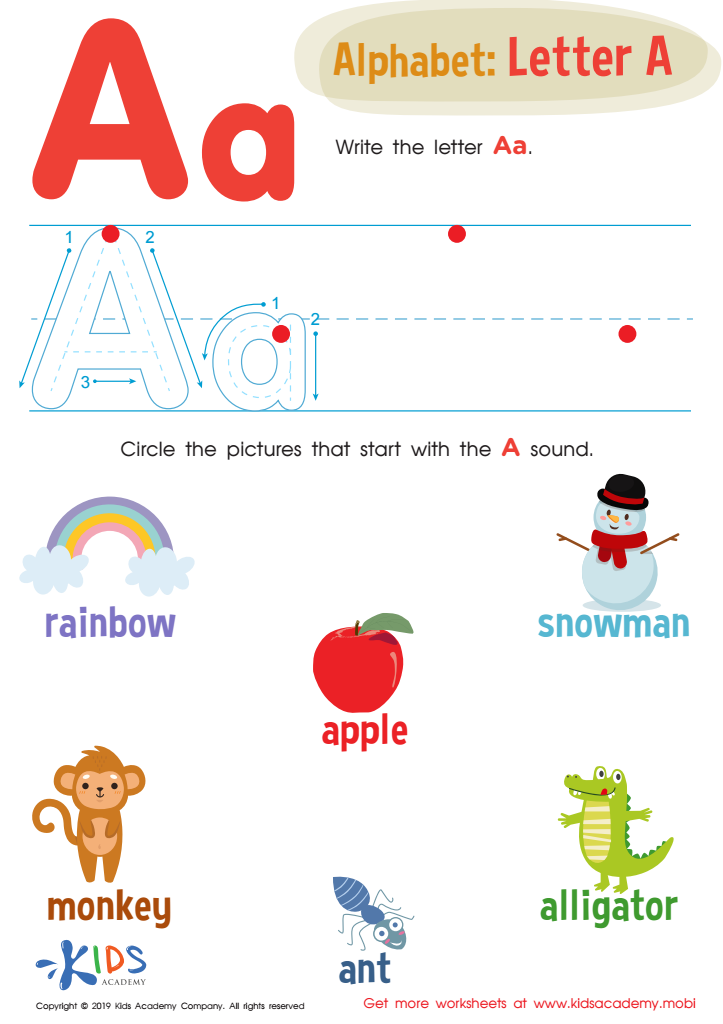
Letter A Tracing Worksheet
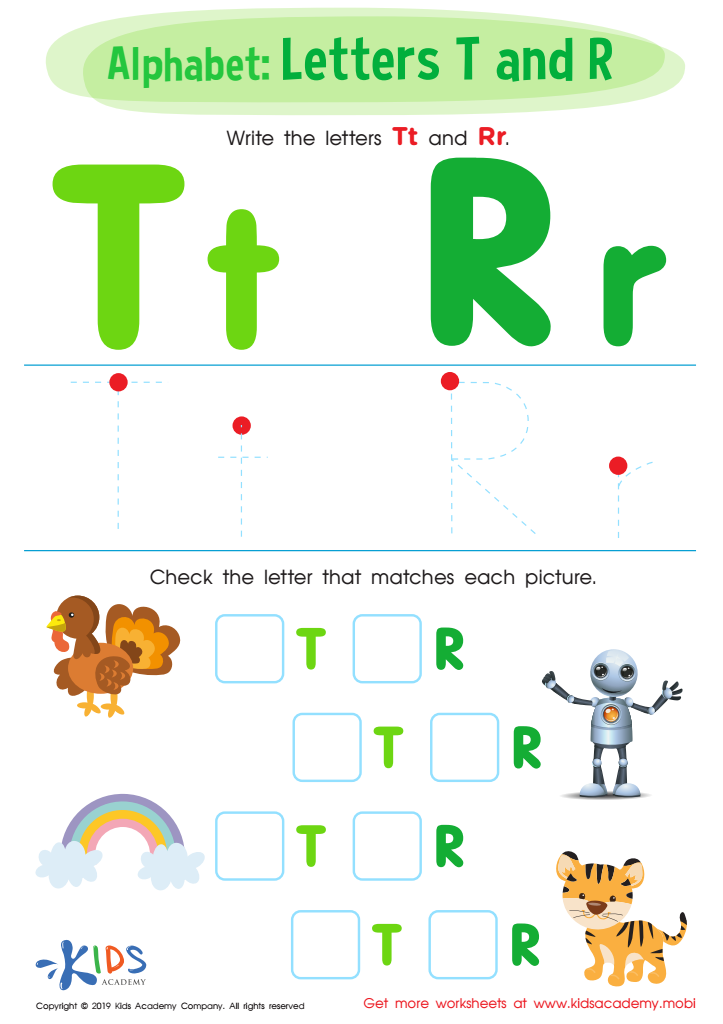
Letters T and R Worksheet
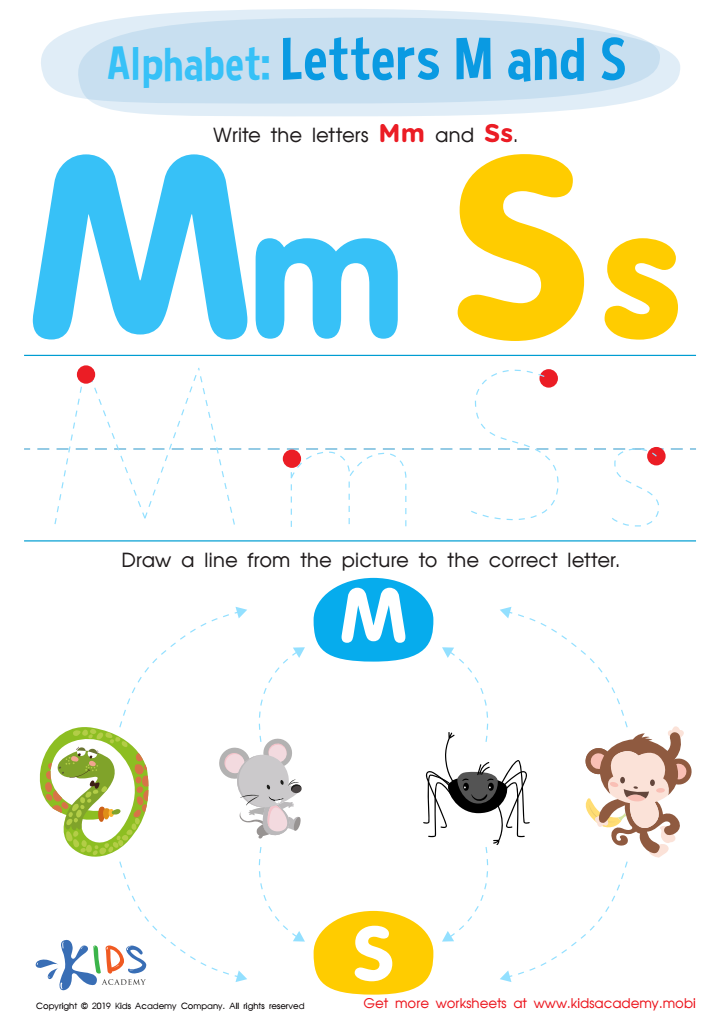
Letters M and S Tracing Worksheet
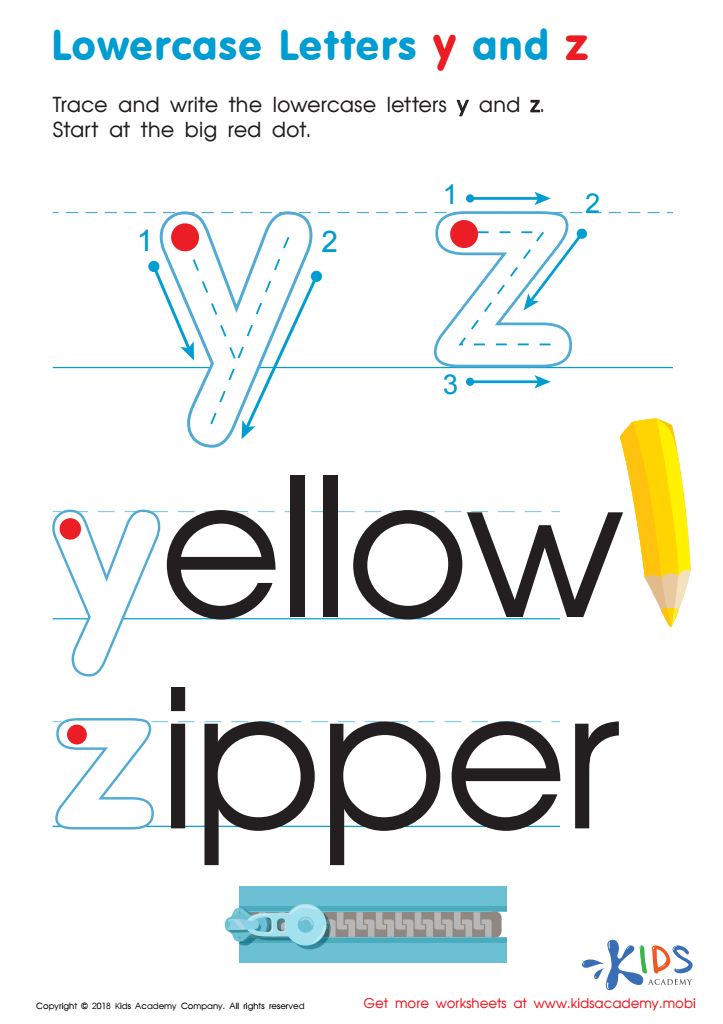
Lowercase Letters y z Worksheet
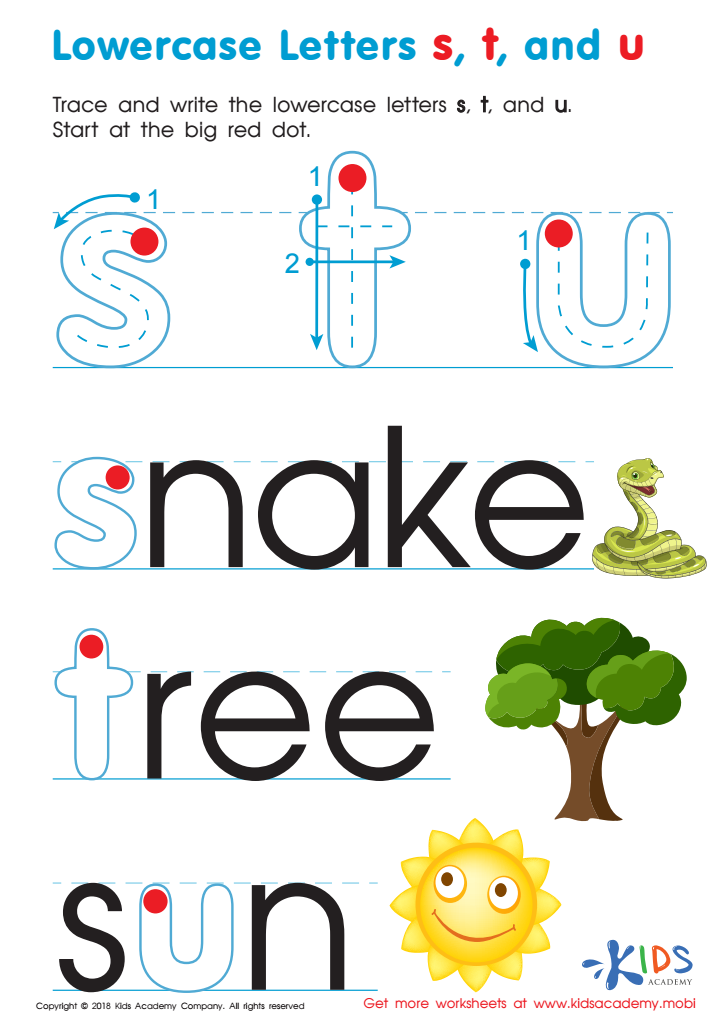
Lowercase Letters s t u Worksheet
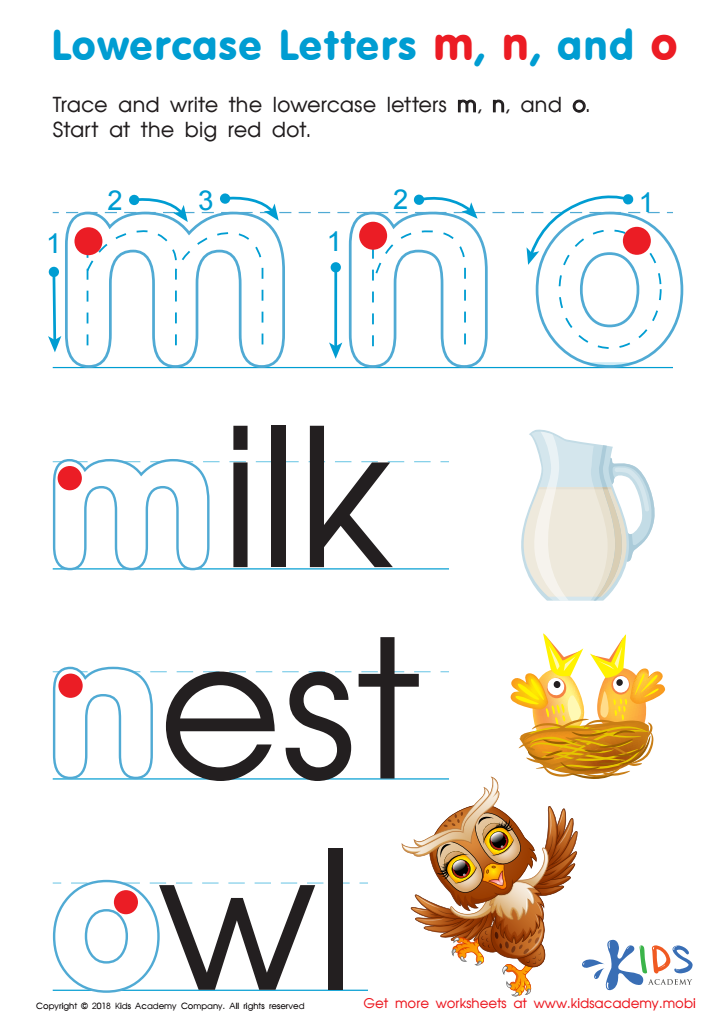
Lowercase Letters m n o Worksheet
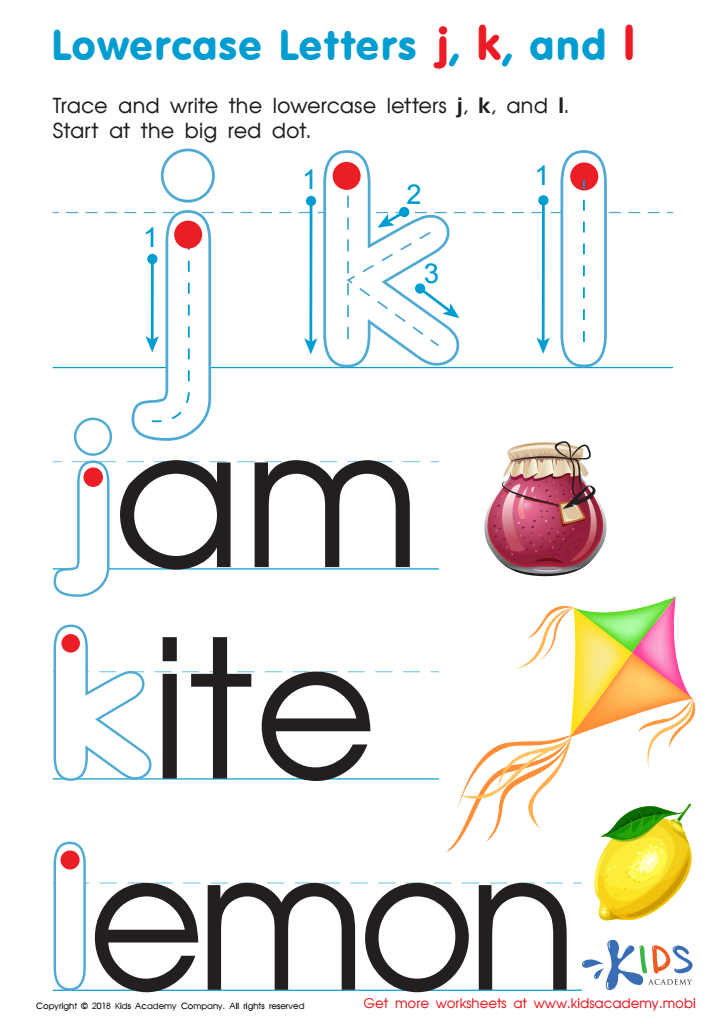
Lowercase Letters j k l Worksheet
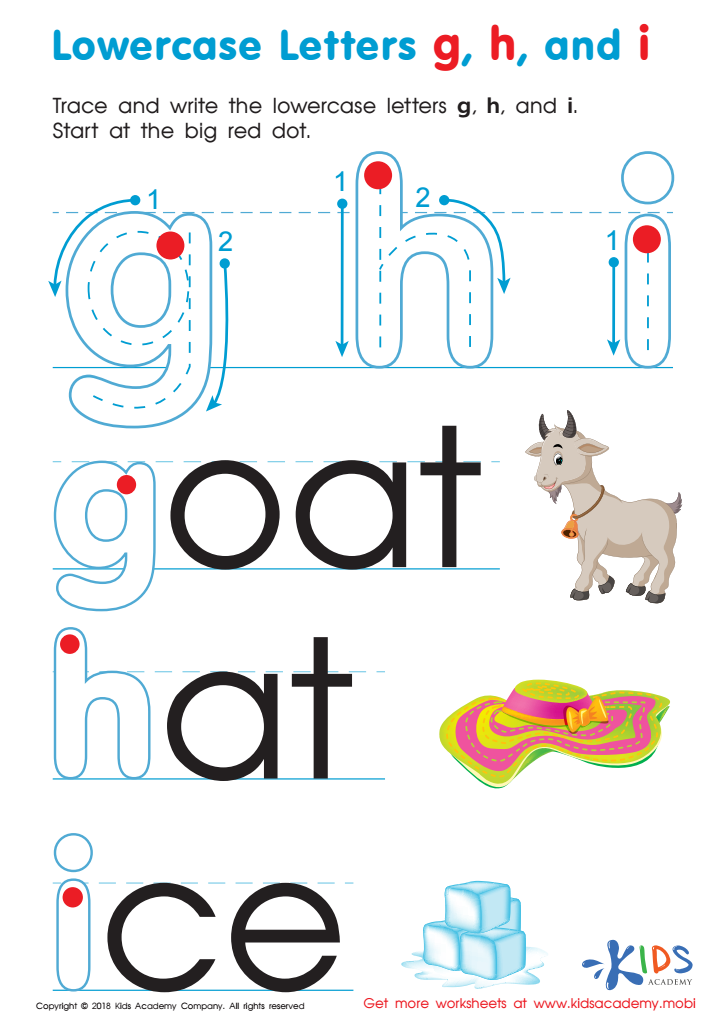
Lowercase Letters g h i Worksheet
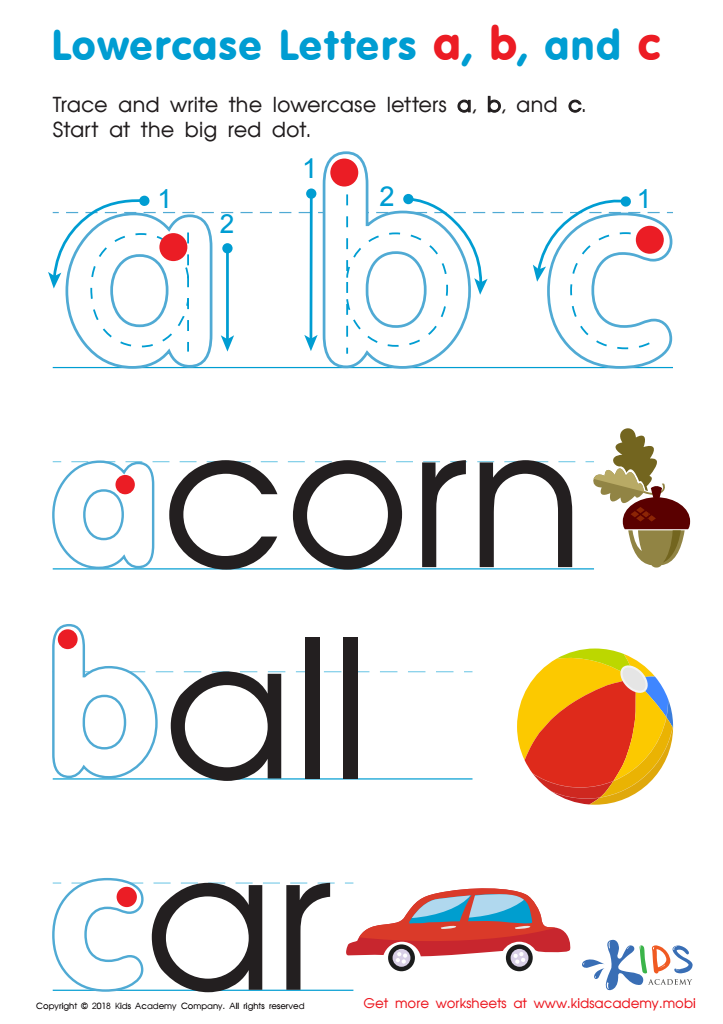
Lowercase Letters a b c Worksheet

Uppercase Letters Y Z Worksheet
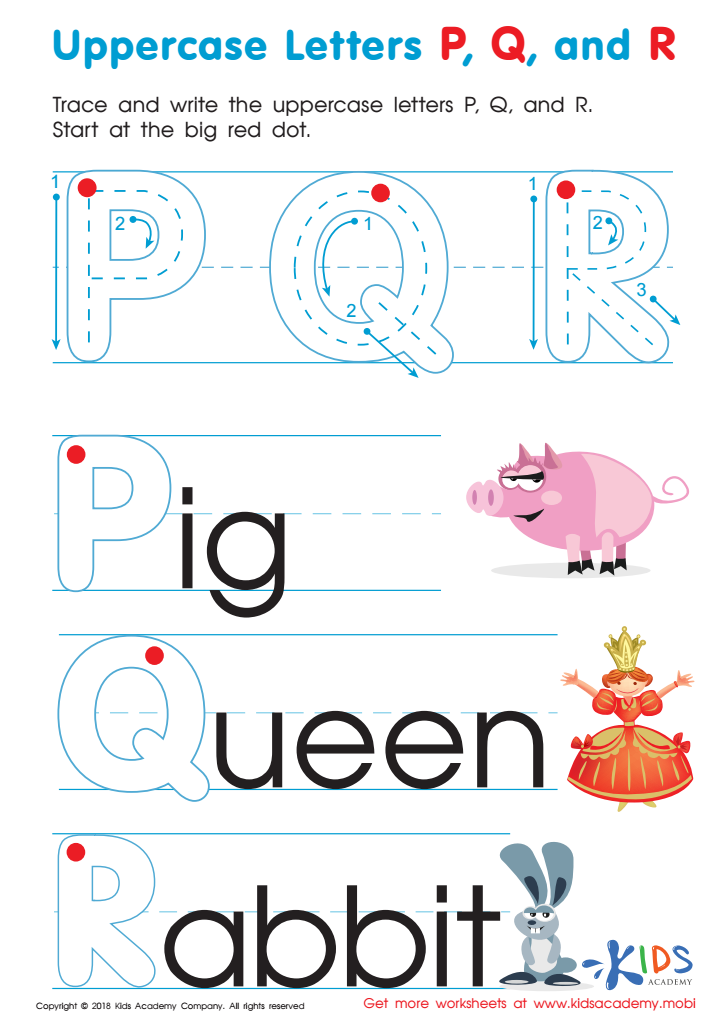
Uppercase Letters P, Q, and R Worksheet






Tracing Letters worksheets activities play a crucial role in early childhood education, offering a multitude of benefits that extend well beyond simply learning the alphabet. These seemingly simple exercises are foundational in equipping young learners with the tools they need for academic success and effective communication. Let's delve into why Tracing Letters worksheets activities are so beneficial.
First and foremost, Tracing Letters worksheets activities fine-tune motor skills. The act of tracing requires control, coordination, and precision—all of which contribute to the development of fine motor skills. As children trace over the letters, they learn to hold their writing tools correctly and apply the right amount of pressure. This practice is vital, not just for writing, but for other everyday tasks that require dexterity and coordination.
Furthermore, Tracing Letters worksheets activities lay the groundwork for literacy. Before children can form letters independently, they need to understand their shapes and the correct strokes to create them. Tracing helps familiarize children with letter forms, making it easier for them to transition to writing letters on their own. This familiarity boosts their confidence, encouraging them to engage more with written language, which is a critical step toward reading and writing proficiency.
Additionally, these activities promote cognitive development. As children engage in Tracing Letters worksheets, they learn to recognize and differentiate between letters, a skill known as letter recognition. This skill is essential for reading, as it enables children to decode words by their letters. Moreover, tracing can improve memory and concentration, as it requires children to focus on the task at hand and remember the shape of each letter.
In conclusion, Tracing Letters worksheets activities are much more than just a writing exercise; they are a comprehensive tool that supports the development of fine motor skills, lays the foundation for literacy, and fosters cognitive growth. By incorporating these activities into early learning, educators and parents can provide children with a strong start on their educational journey.








