Matching worksheets activities for Ages 3-6 - Page 4
77 filtered results
-
From - To
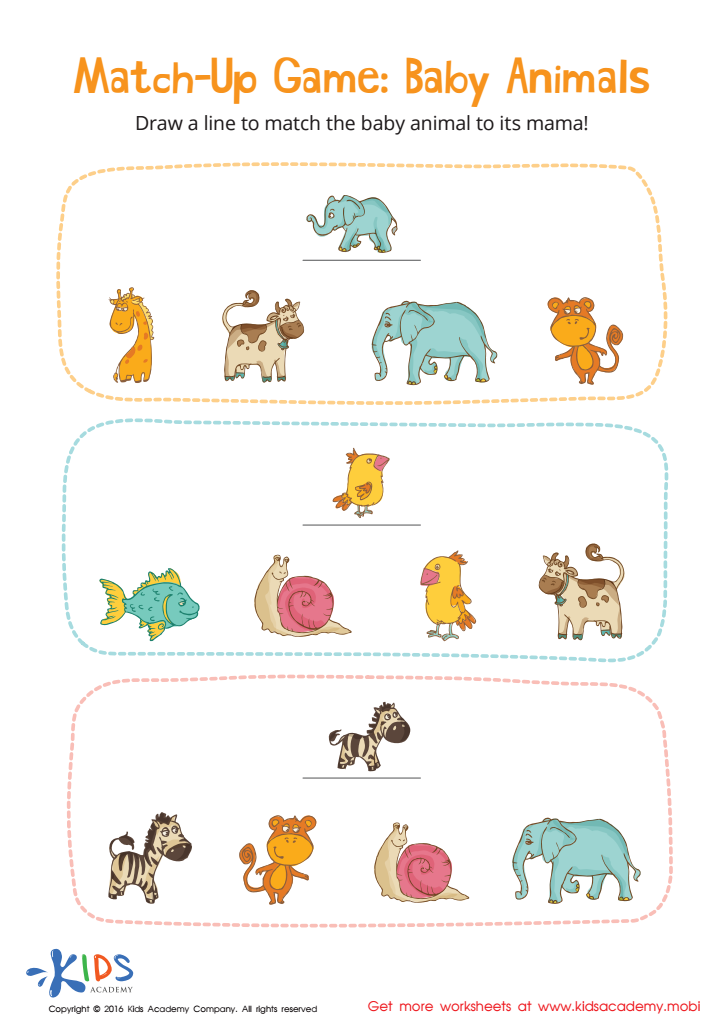
Baby Animals Match-Up Worksheet
 Assign to My Students
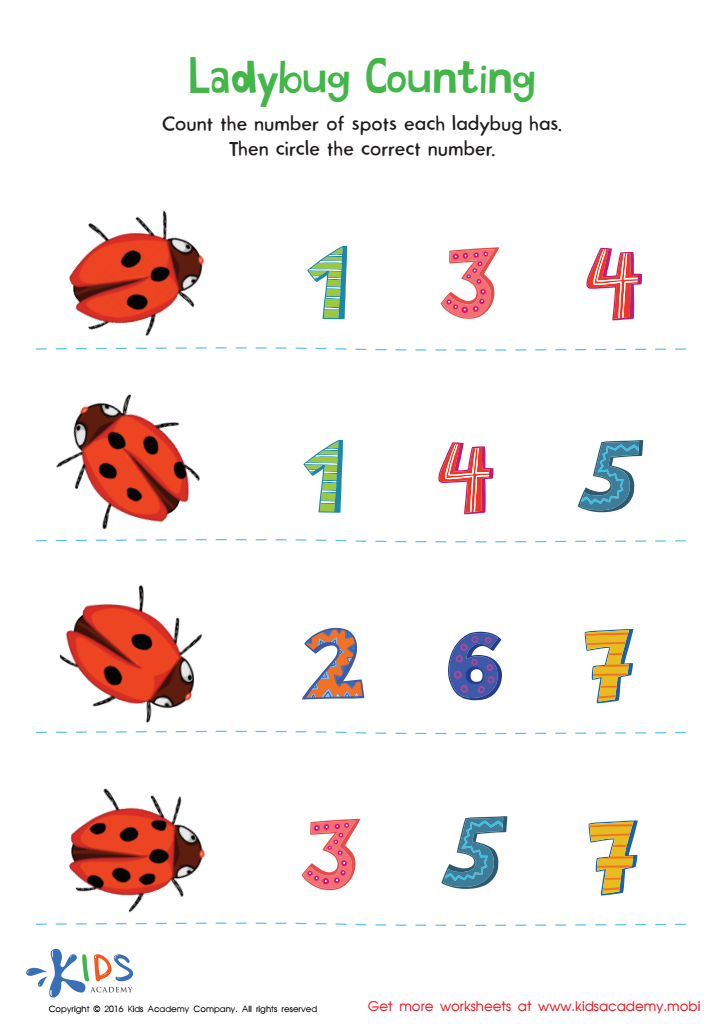
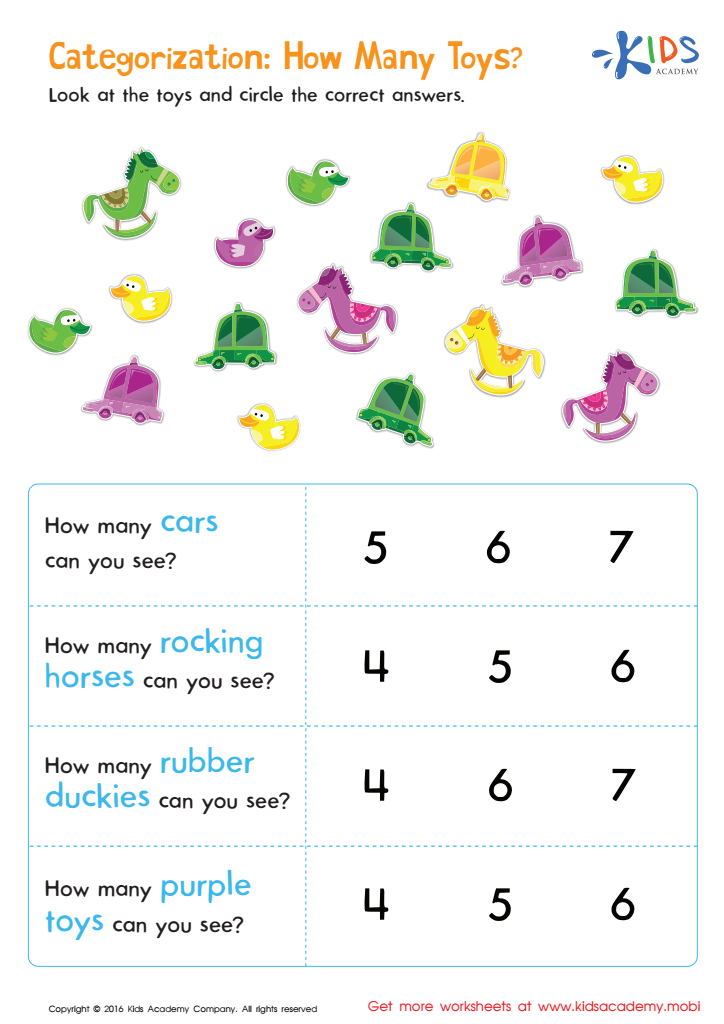
Classifying Toys by Type and Color Sorting Worksheet
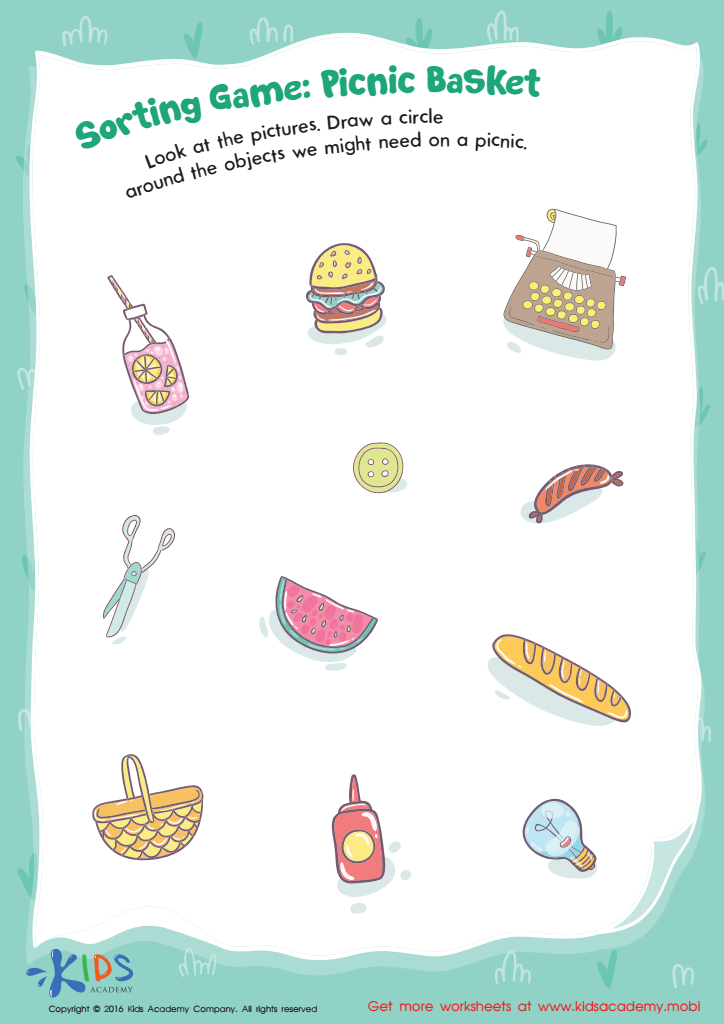
Picnic Basket Sorting Worksheet
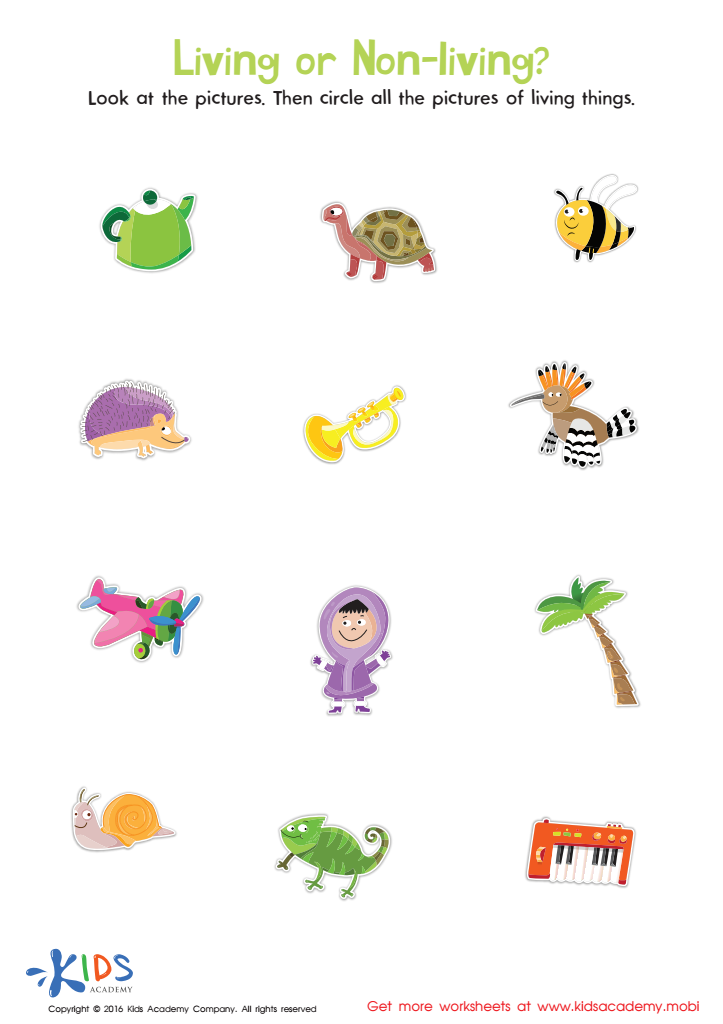
Identifying Living and Non–living Things Sorting Worksheet






Matching activities for ages 3-6 are crucial for early childhood development, as they significantly contribute to cognitive, emotional, and social skills. At this formative stage, children are naturally curious and eager to learn, making matching games an effective tool for enhancing their critical thinking abilities. Such activities promote pattern recognition, categorization, and memory skills, laying the foundation for future learning.
For parents and teachers, investing time in matching activities fosters language development as children learn to describe objects, colors, and shapes. These activities encourage communication and interaction among peers, promoting socialization and sharing skills. Additionally, through matching games, children learn about relationships and how different entities relate, bolstering their understanding of the world.
Moreover, matching activities can be tailored to varied themes, such as animals, colors, or everyday objects, making learning engaging and fun. This adaptability keeps children motivated and involved, ensuring they remain interested in their educational journey. Ultimately, parents and teachers should prioritize matching activities, as they are invaluable in nurturing essential skills in early childhood, setting the stage for lifelong learning and development.








