Tracing Words worksheets activities for Ages 4-9 - Page 2
42 filtered results
-
From - To
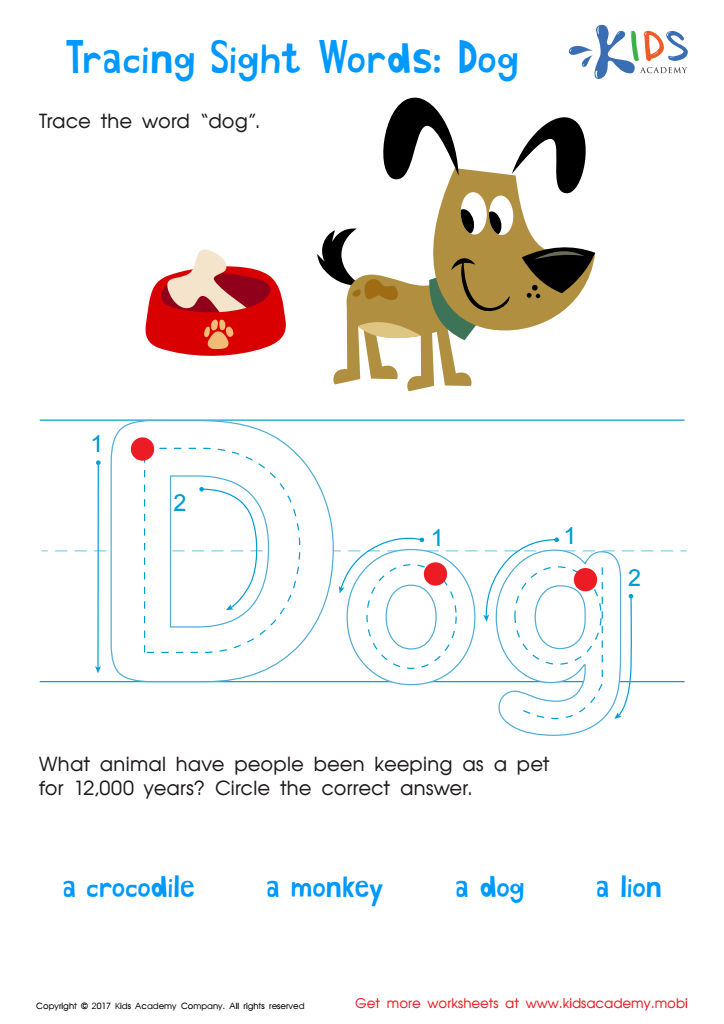
Dog Worksheet Sight Words Worksheet
 Assign to My Students
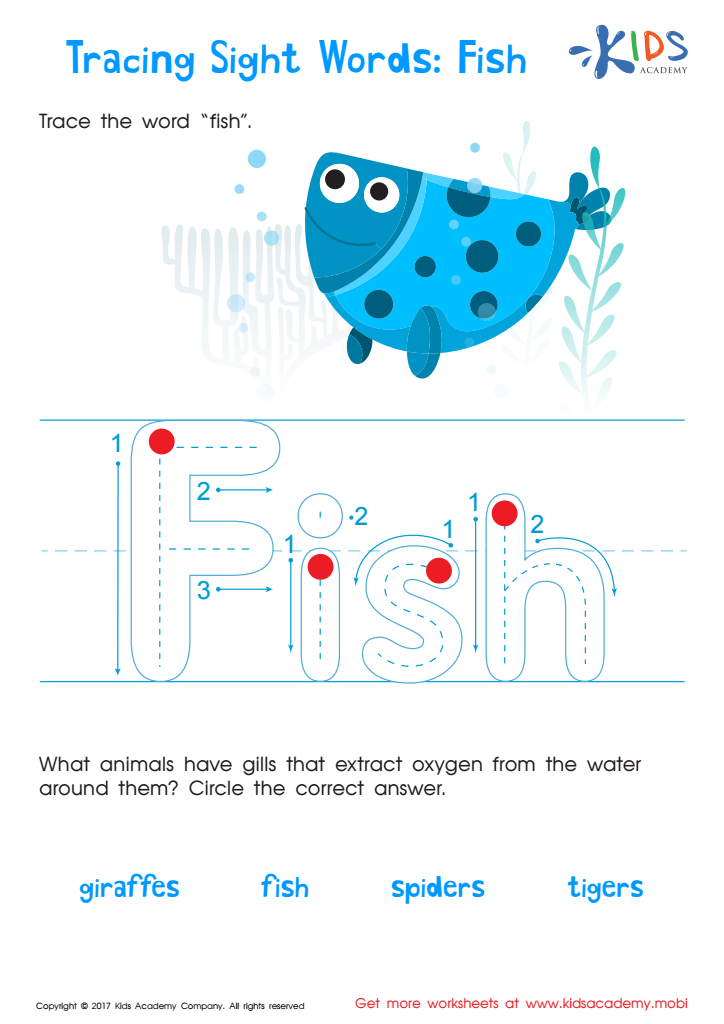
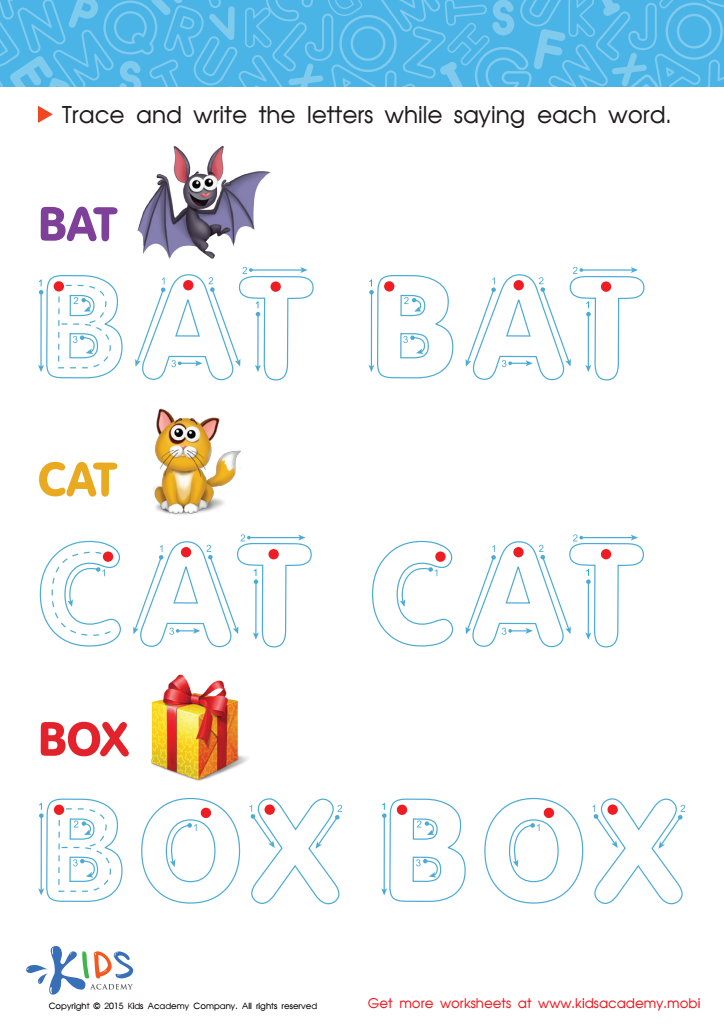
A Bat, a Cat and a Box Spelling Worksheet
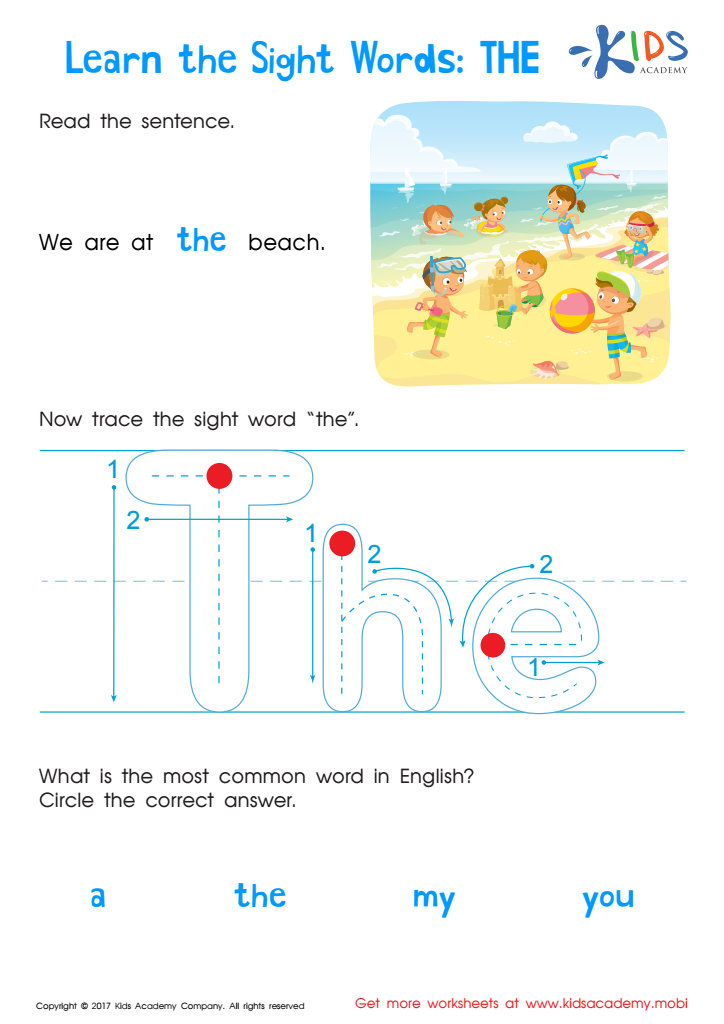
Sight Words: The Worksheet
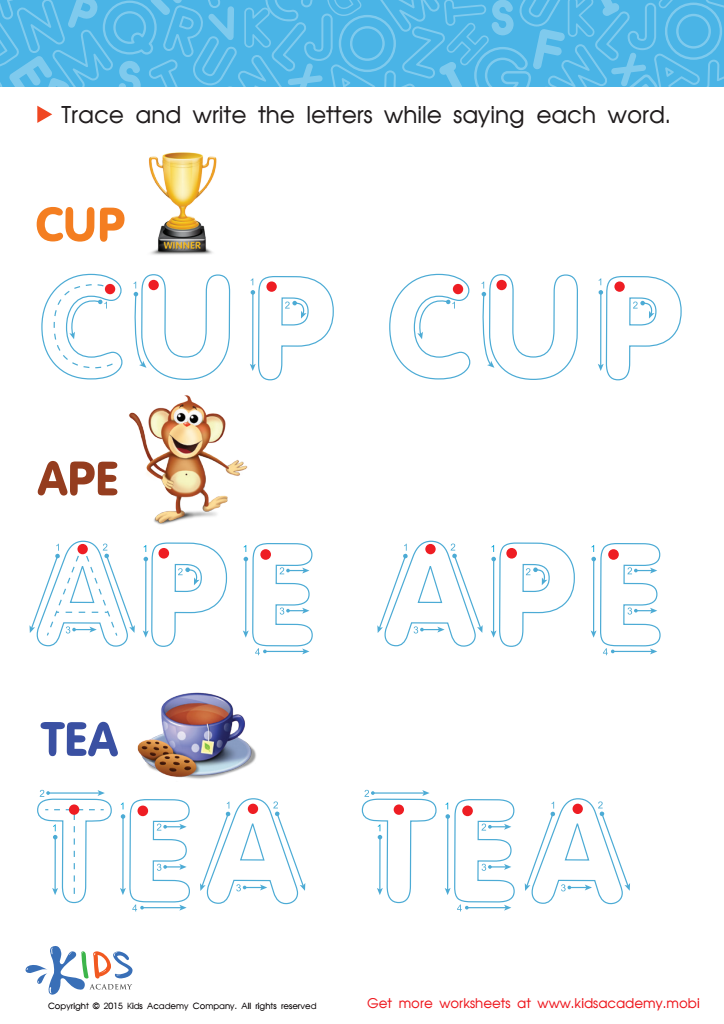
A Cup, an Ape and Tea Spelling Worksheet
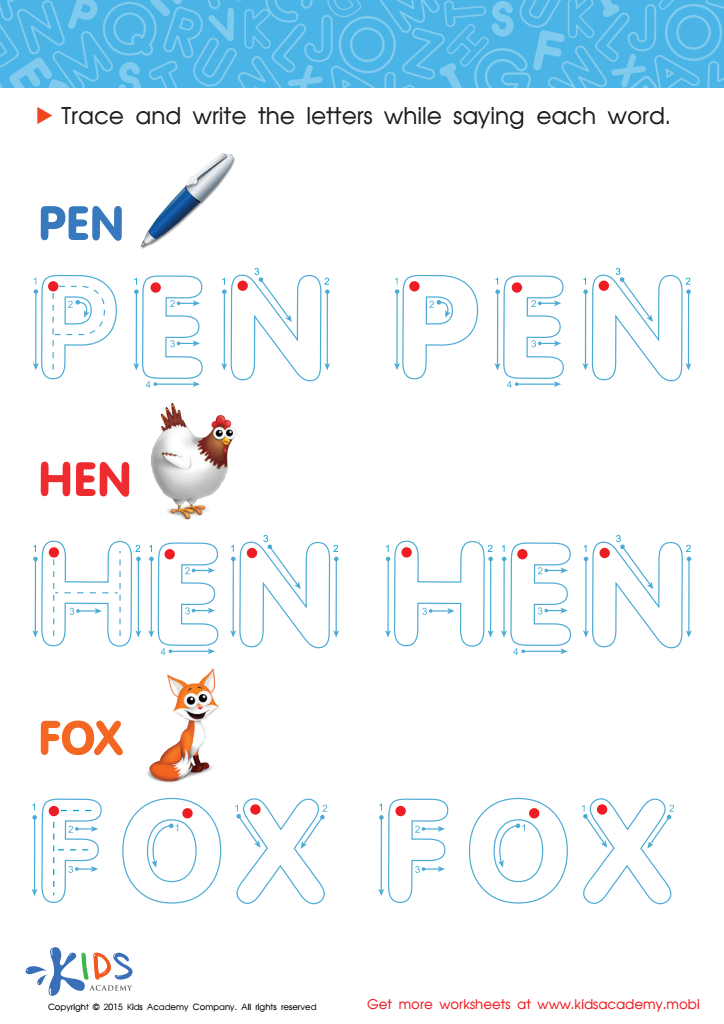
A Pen, a Hen and a Fox Spelling Worksheet
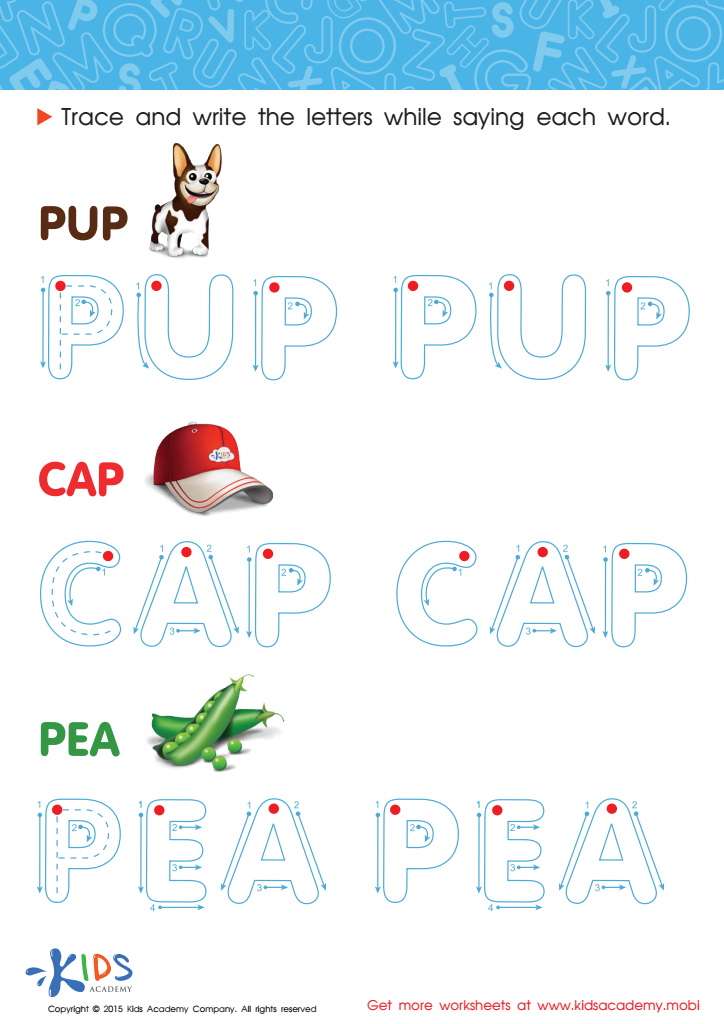
A Pup, a Cap and a Pea Spelling Worksheet
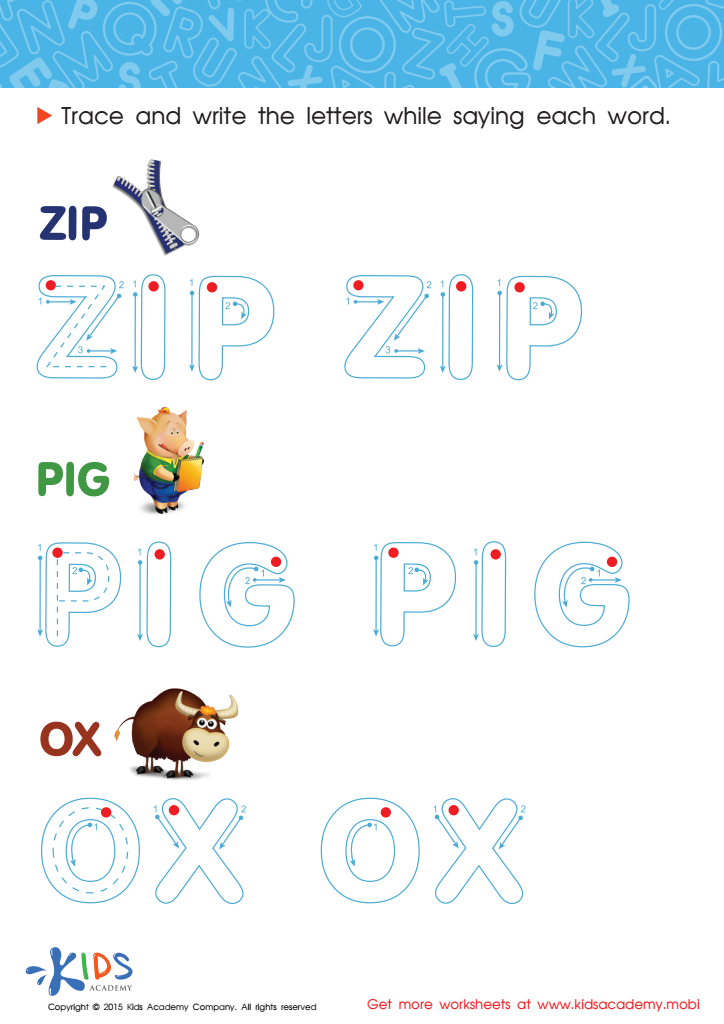
A Zip, a Pig and an Ox Spelling Worksheet
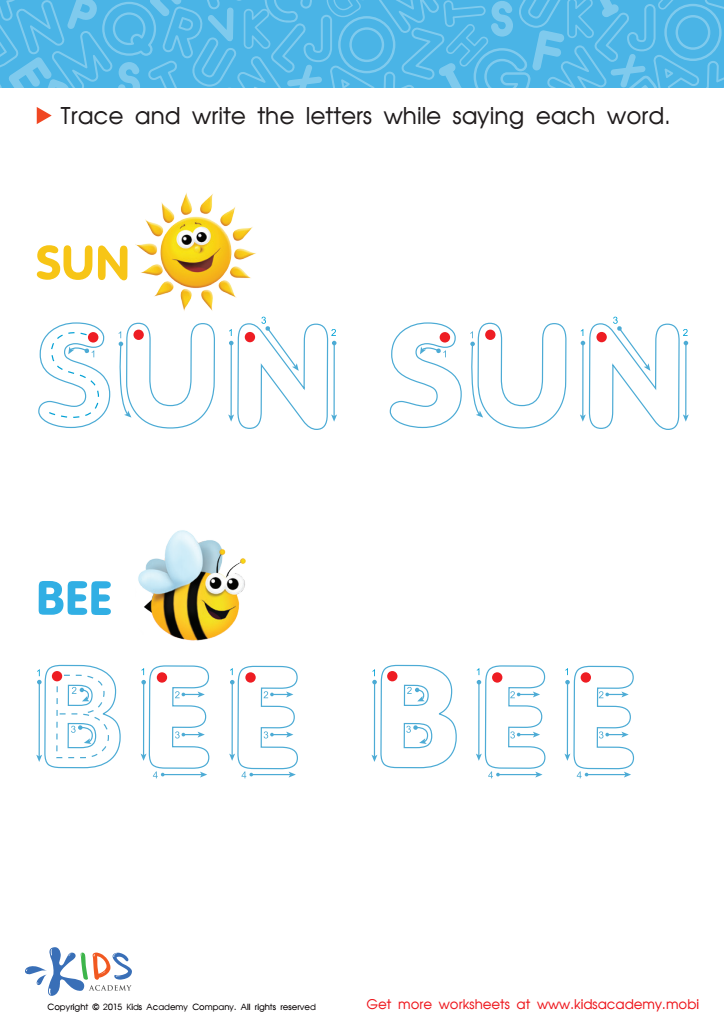
The Sun and a Bee Spelling Worksheet
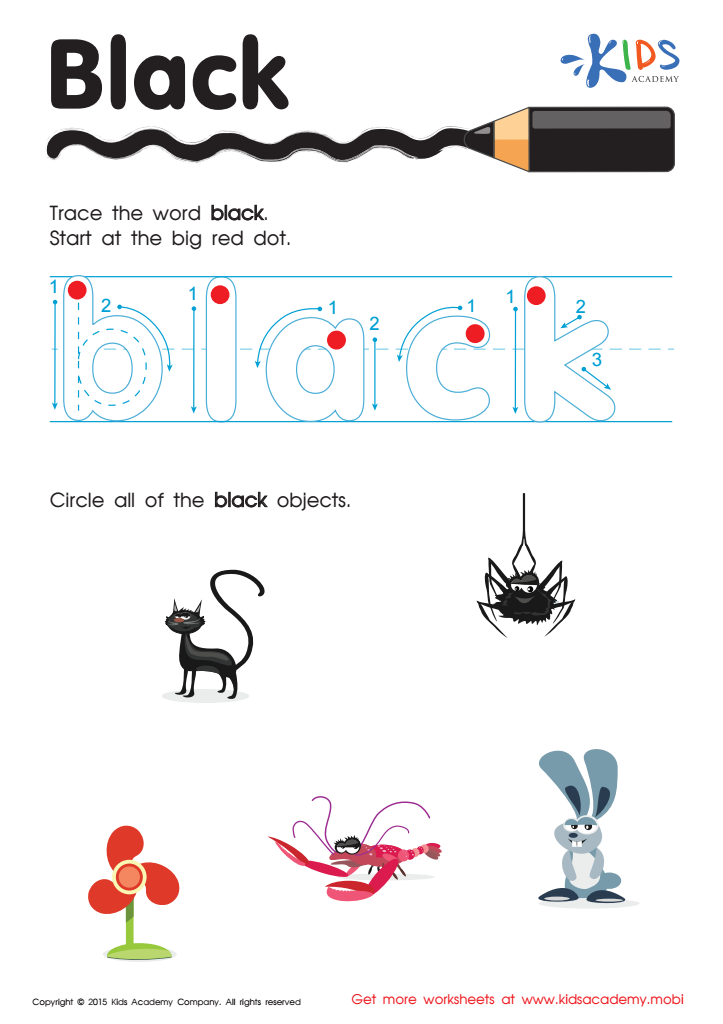
Black Tracing Color Words Printable
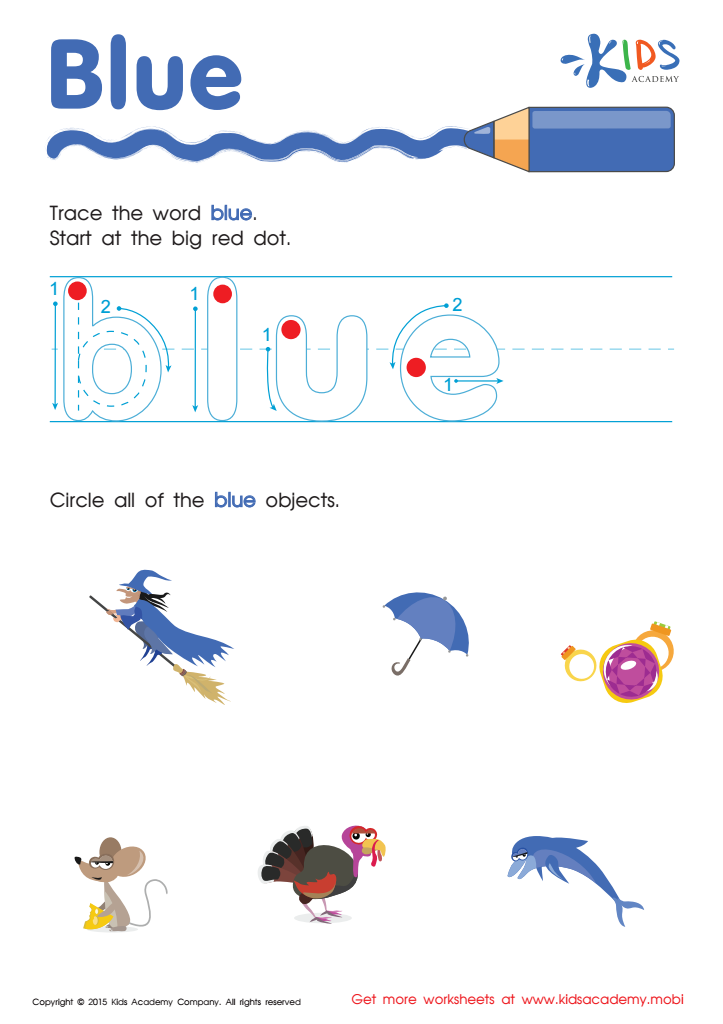
Blue Tracing Color Words Printable
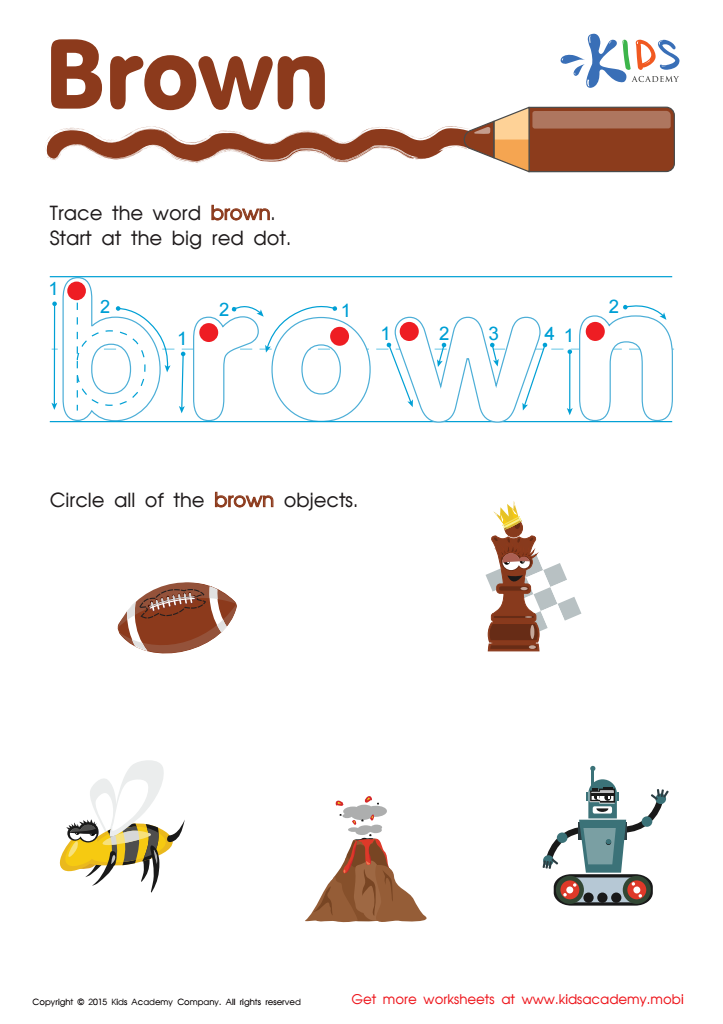
Brown Tracing Color Words Worksheet
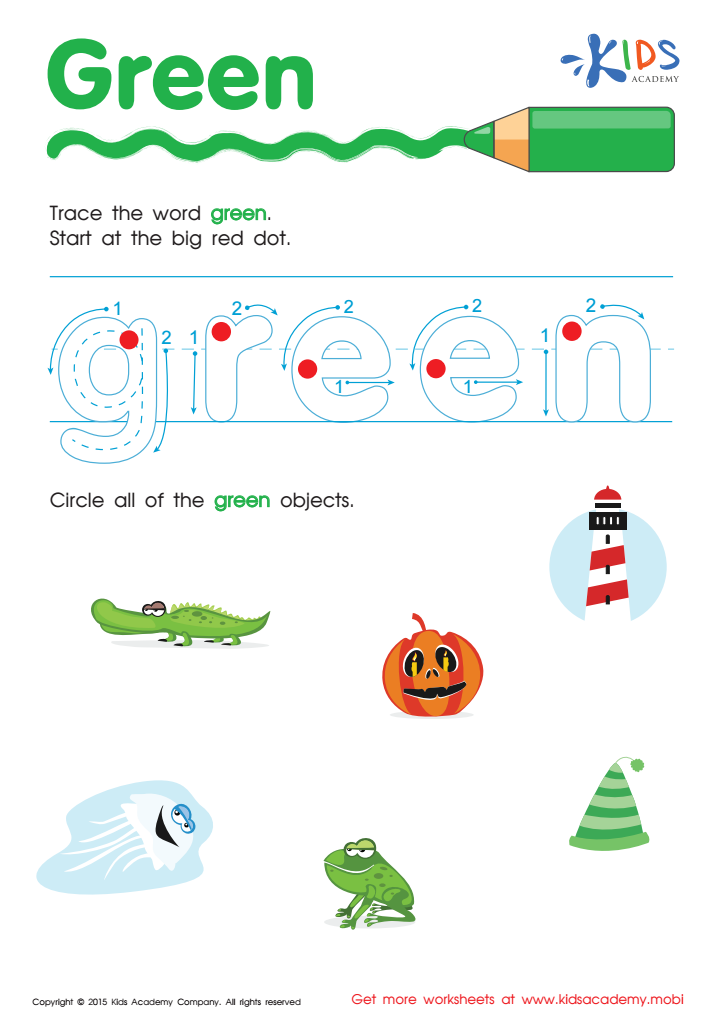
Green Tracing Color Words Worksheet
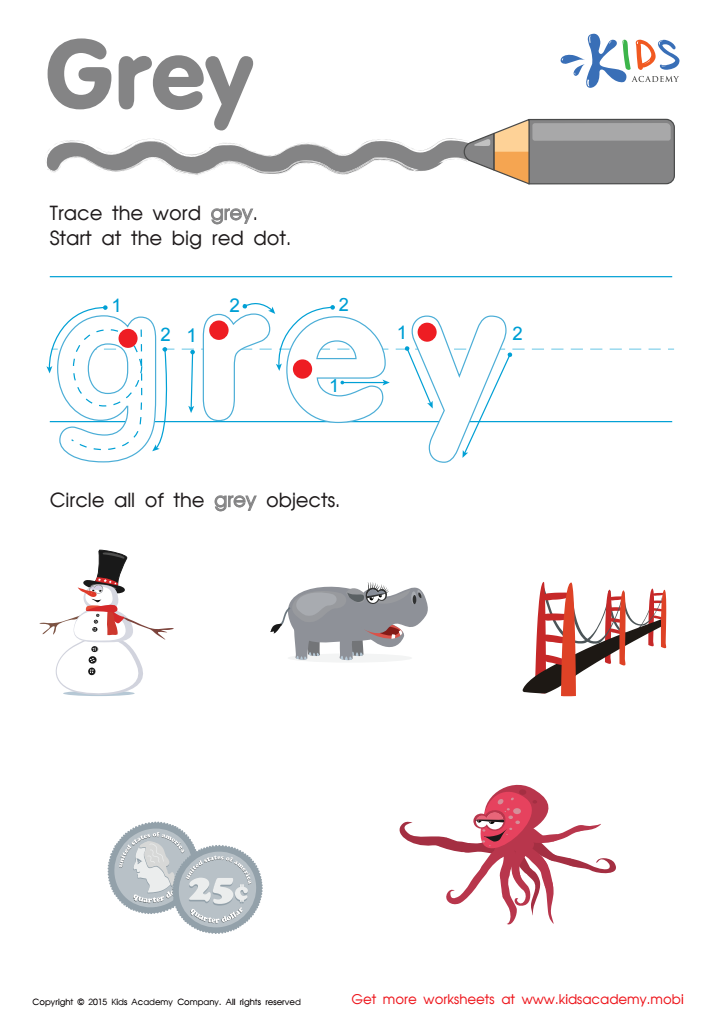
Grey Tracing Color Words Worksheet
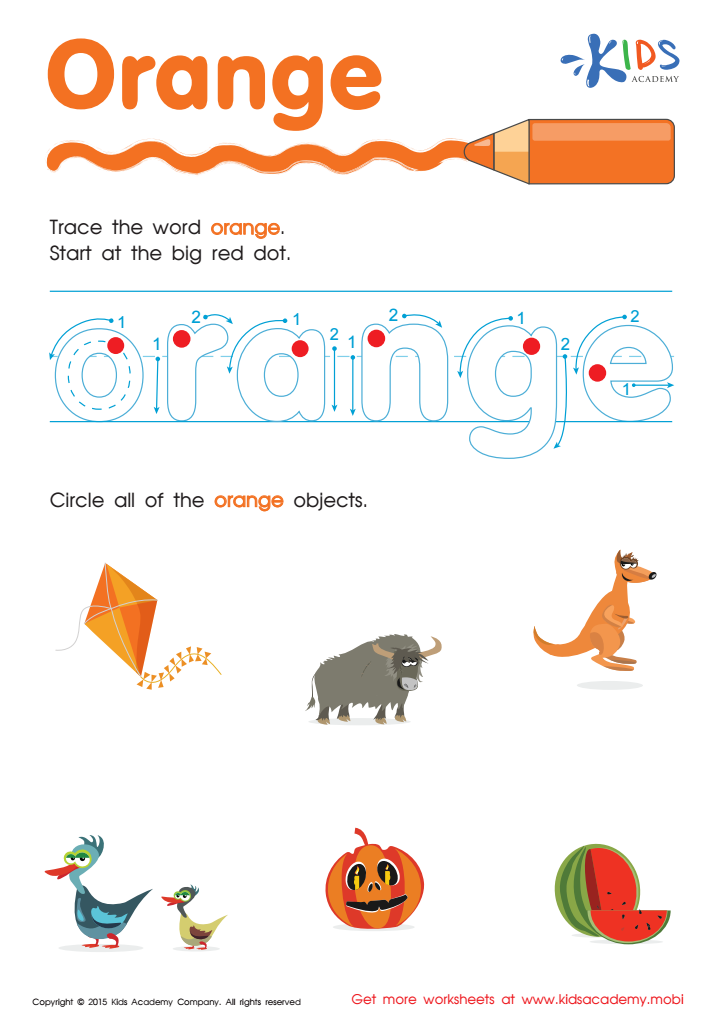
Orange Tracing Color Words Worksheet
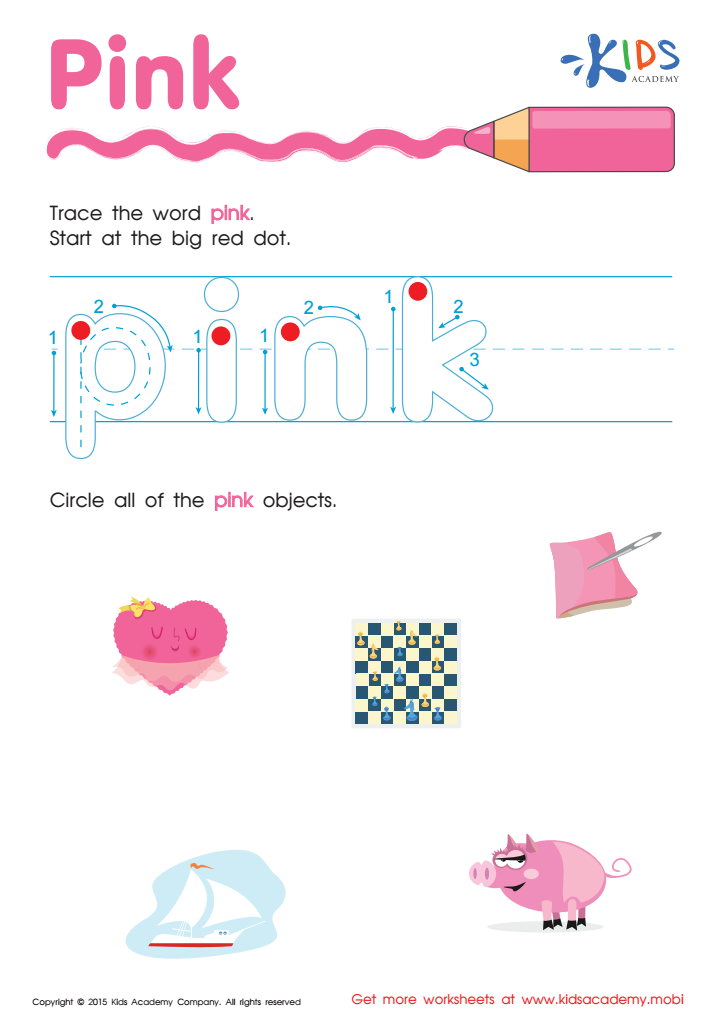
Pink Tracing Color Words Worksheet
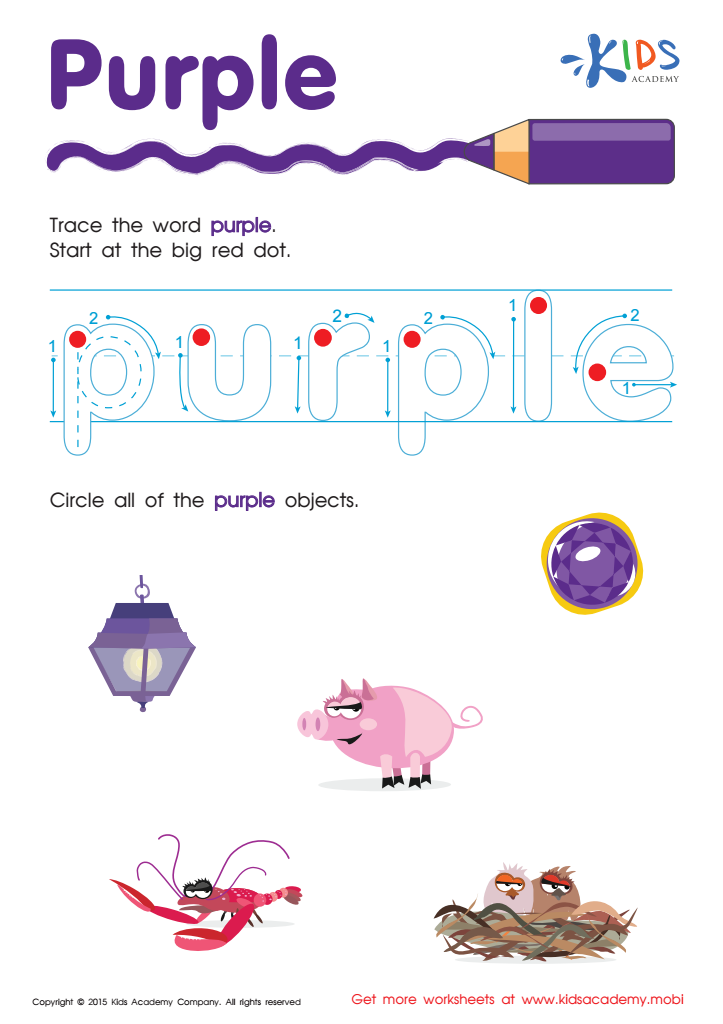
Purple Tracing Color Words Worksheet
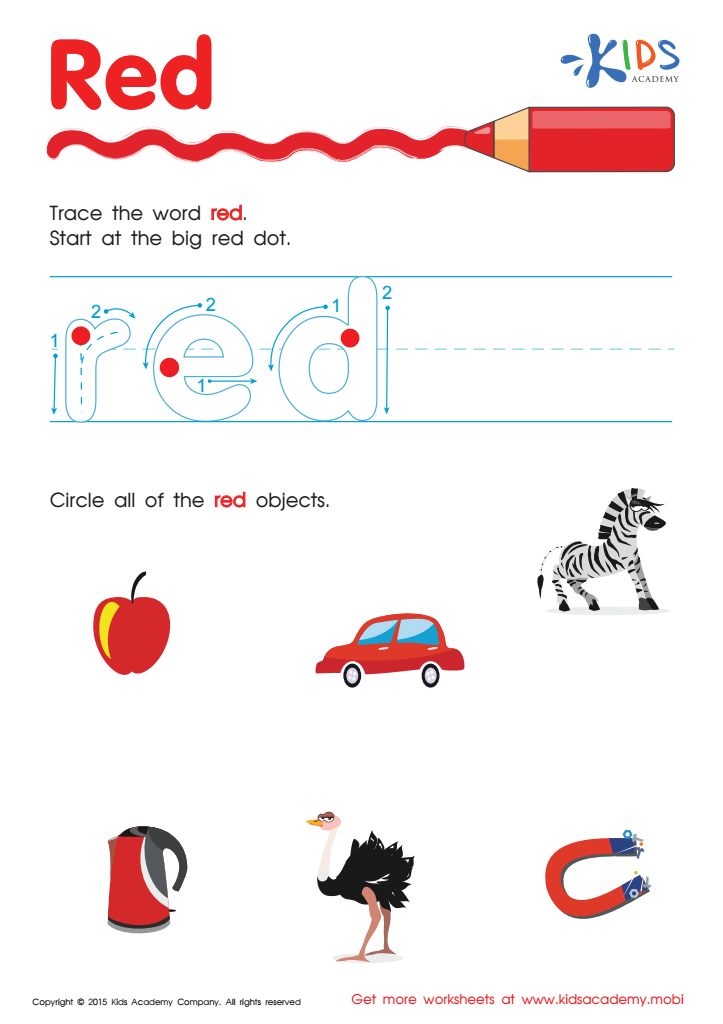
Red Tracing Color Words Printable








Tracing words activities for children aged 4-9 are essential for several reasons that significantly impact early literacy development. Firstly, these activities enhance fine motor skills, helping young learners gain control over writing tools, which is crucial for their overall handwriting development. By practicing tracing, children not only learn how to form letters but also build muscle memory, making it easier for them to write independently in the future.
Moreover, tracing activities promote letter recognition and phonemic awareness. As children follow the lines of letters and words, they begin to associate the shapes they’re tracing with sounds, aiding their understanding of foundational phonics principles. This reinforces reading skills by bridging the gap between speaking and writing.
Additionally, tracing words instills a sense of accomplishment and encourages perseverance. Children gain confidence as they successfully complete each task, fostering a positive attitude toward learning. When parents and teachers integrate tracing activities into the curriculum, they engage children in a meaningful and fun way, enhancing their intrinsic motivation to learn.
In summary, tracing words benefits fine motor development, boosts literacy skills, and builds confidence, making it a valuable tool for parents and educators nurturing young learners.








