Numbers worksheets activities for Ages 5-6
16 filtered results
-
From - To
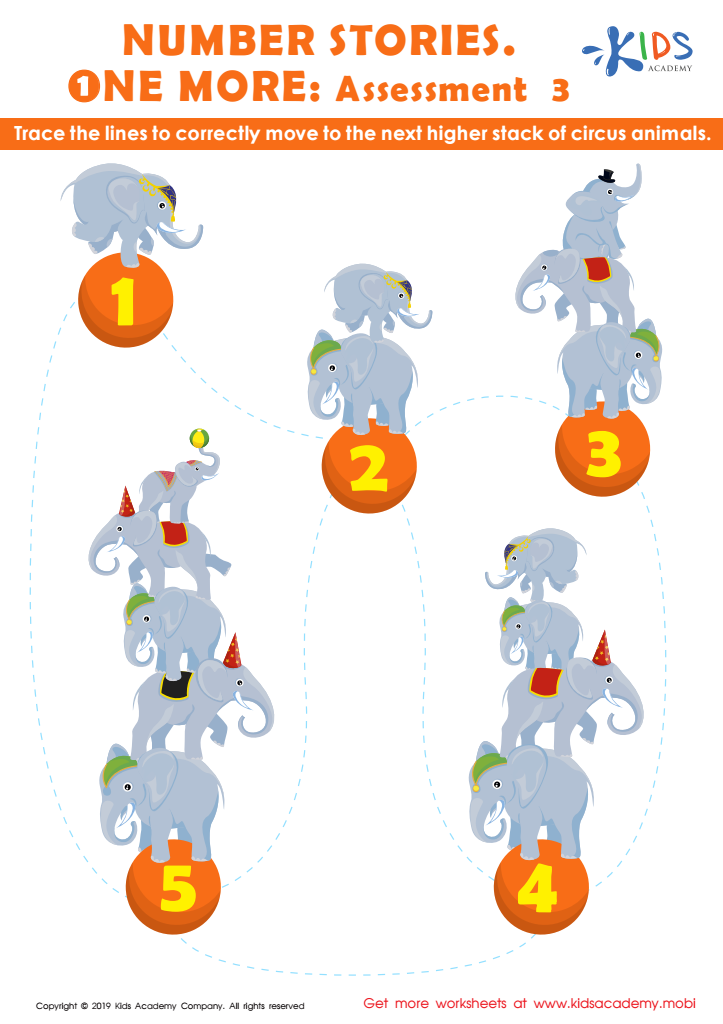
Number Stories One More: Assessment 3 Worksheet
 Assign to My Students
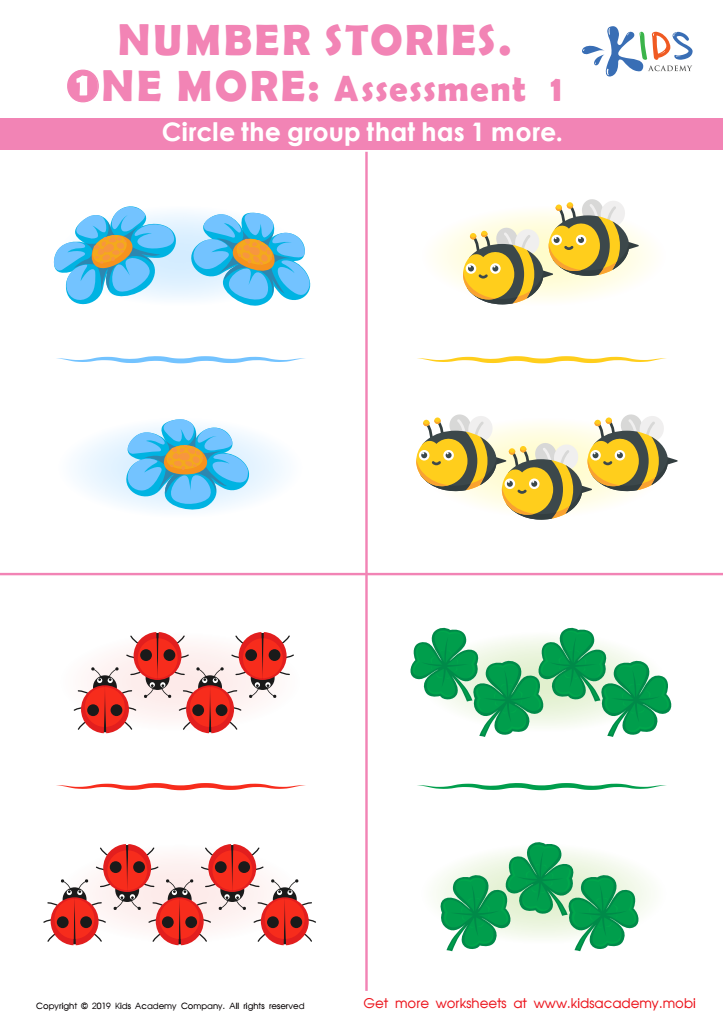
Number Stories One More – Assessment 1 Worksheet
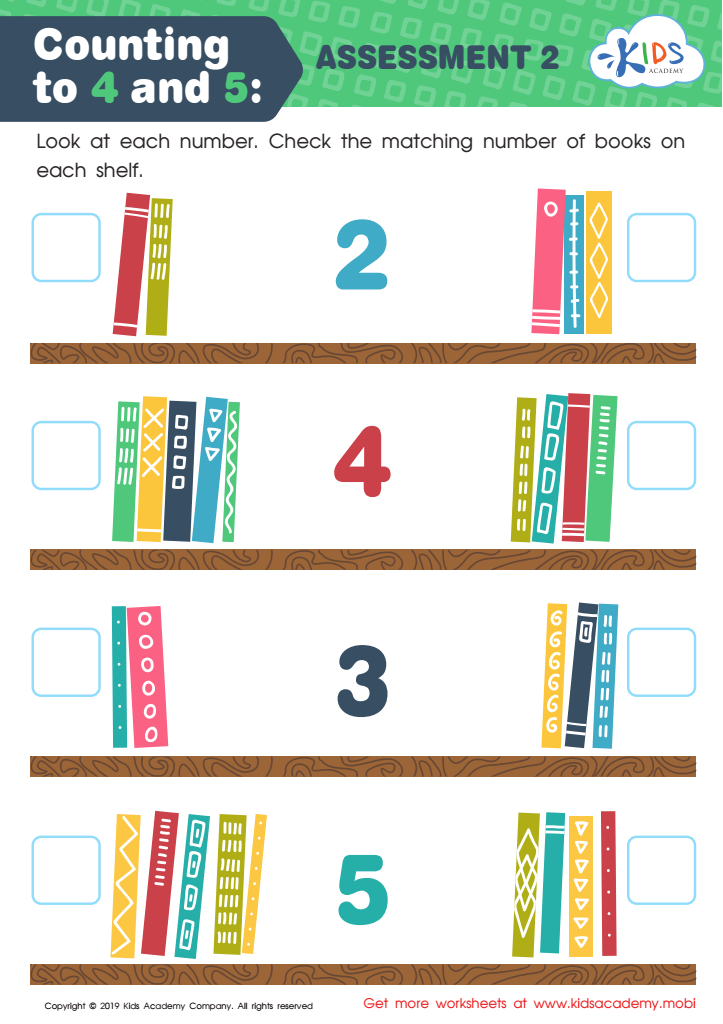
Counting to 4 and 5: Assessment 2 Worksheet
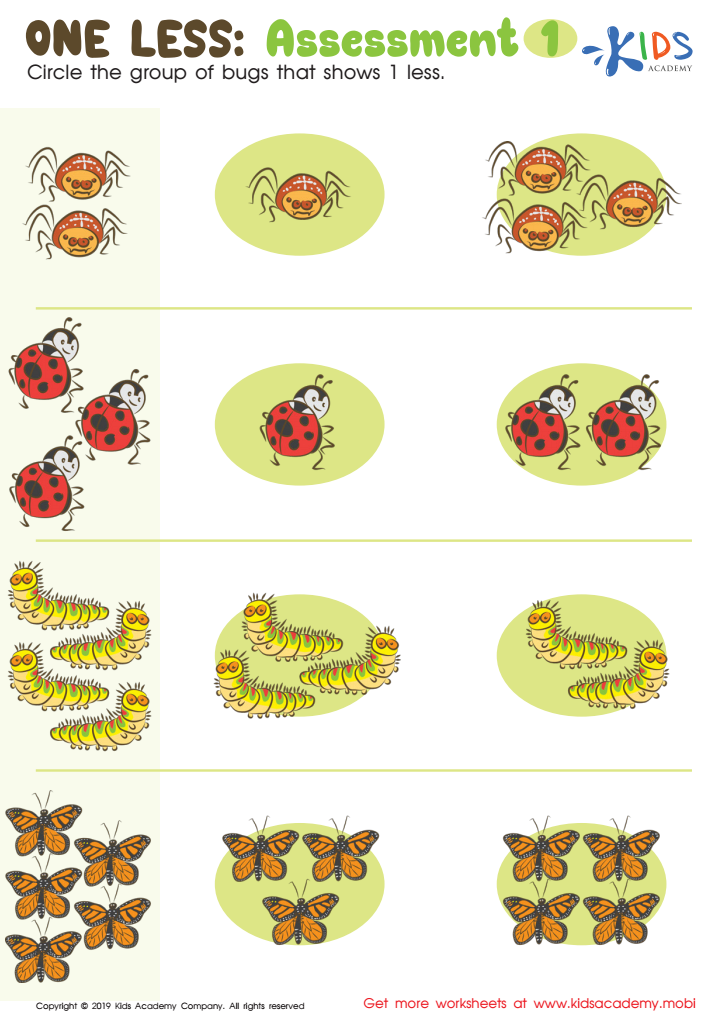
One Less: Assessment 1 Worksheet
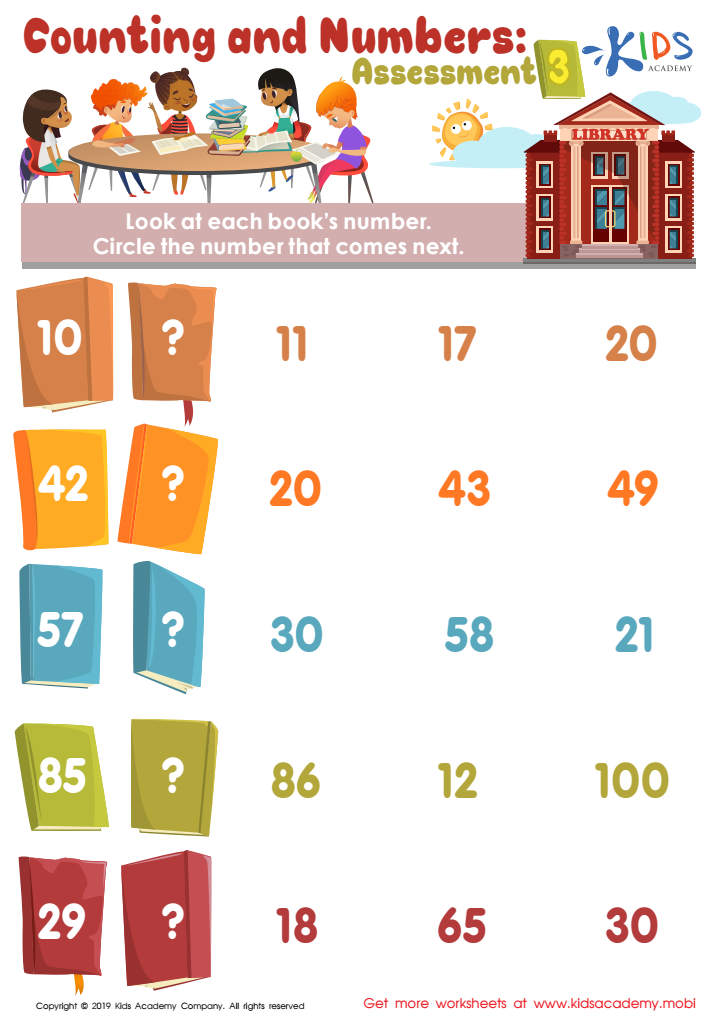
Counting and Numbers: Assessment Worksheet
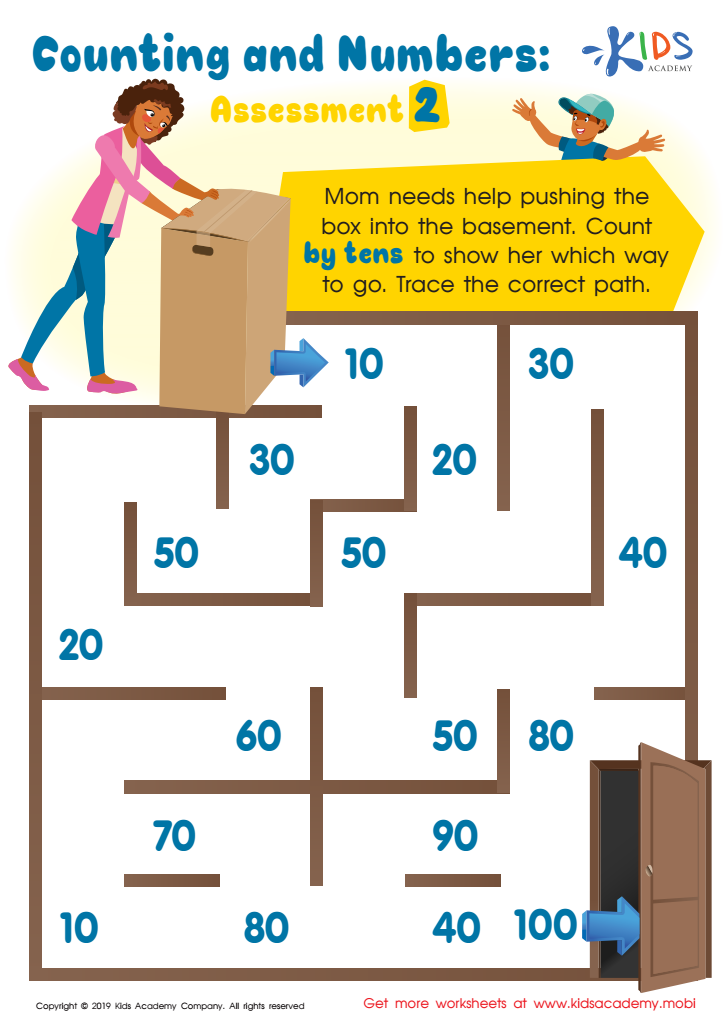
Counting and Numbers: Assessment 2 Worksheet
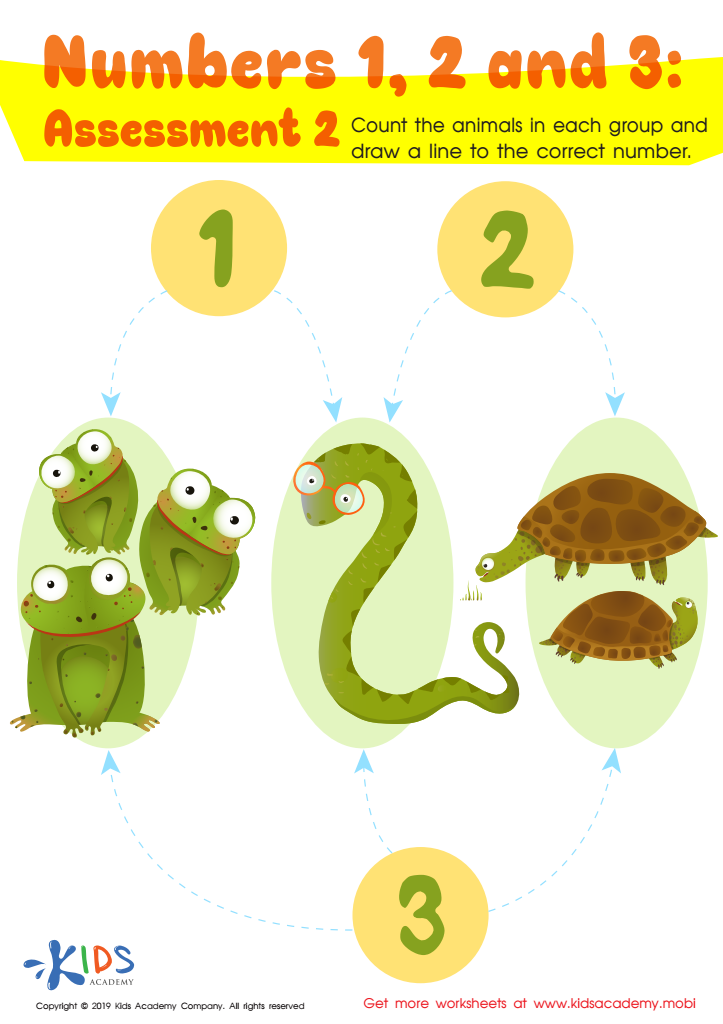
Numbers 1, 2 and 3: Assessment 2 Worksheet
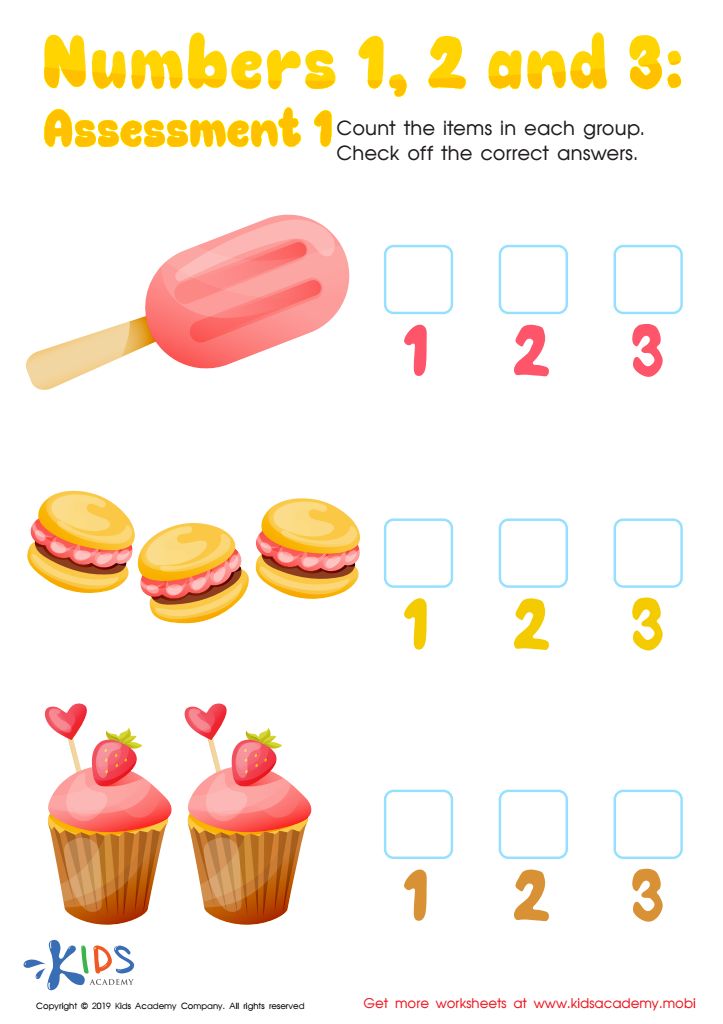
Numbers 1, 2 and 3: Assessment 1 Worksheet
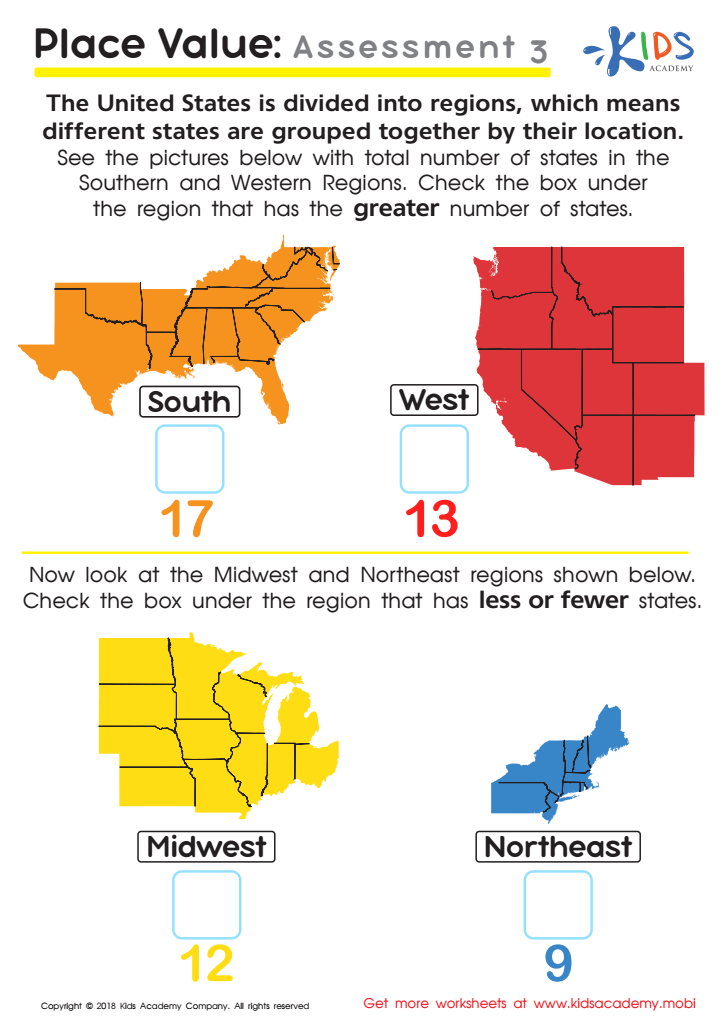
Place Value: Assessment 3 Worksheet
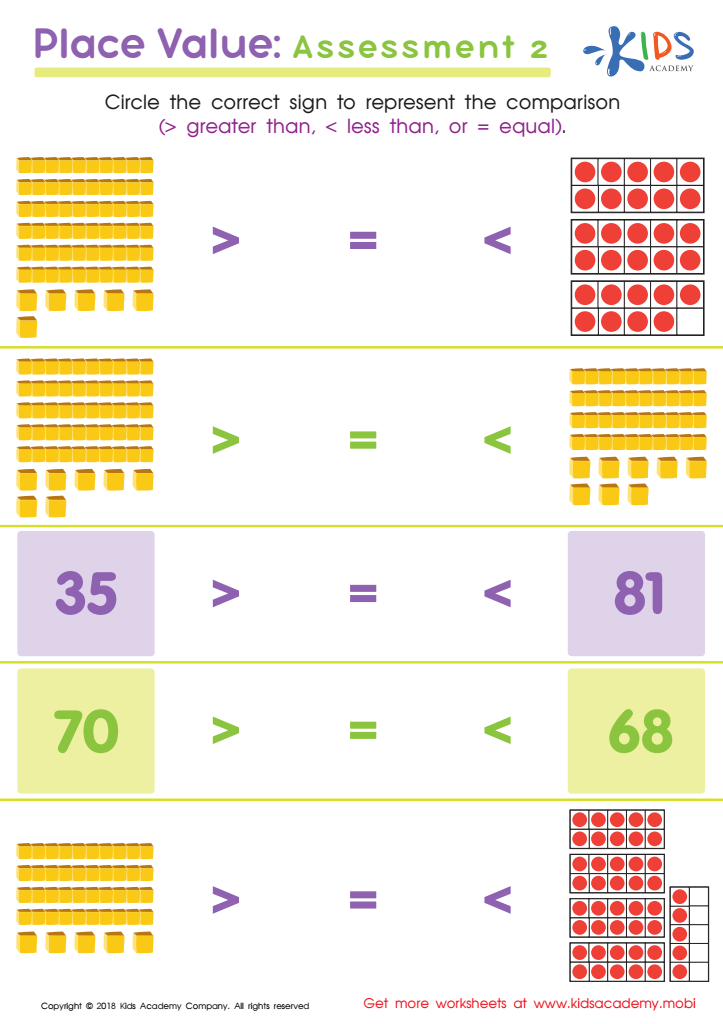
Place Value: Assessment 2 Worksheet
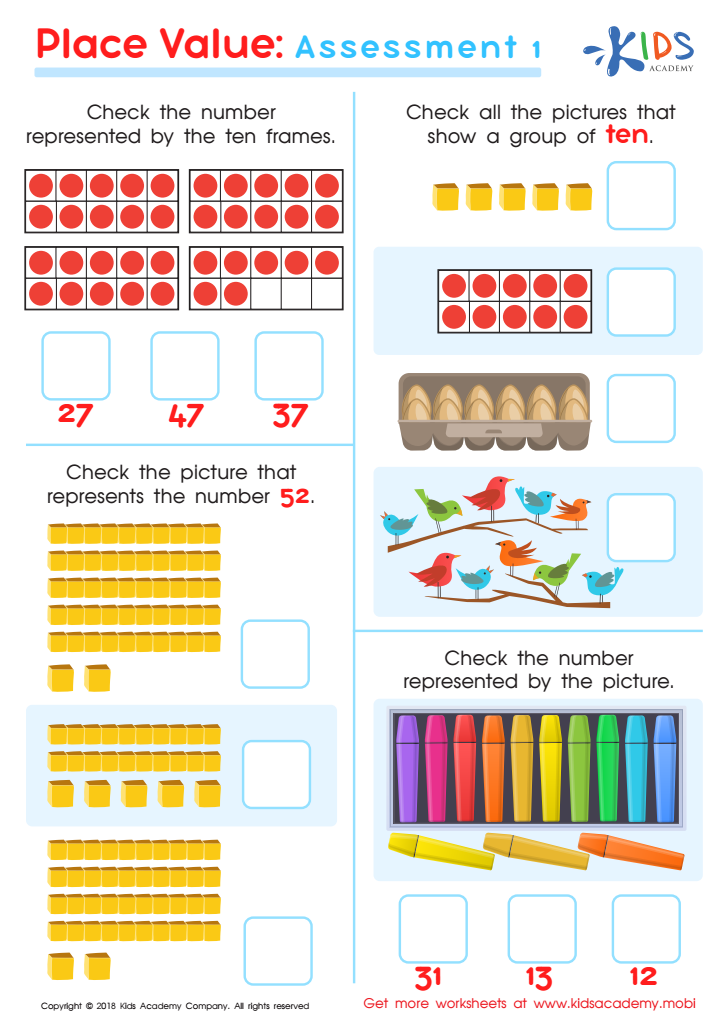
Place Value: Assessment 1 Worksheet
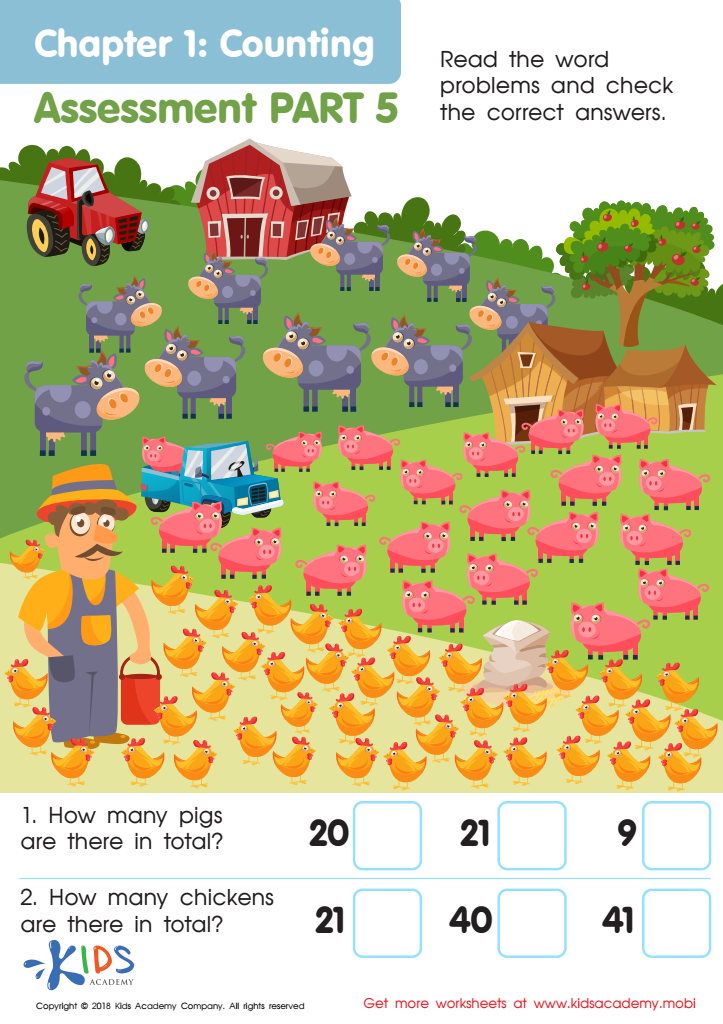
Counting: Assessment 5 Worksheet
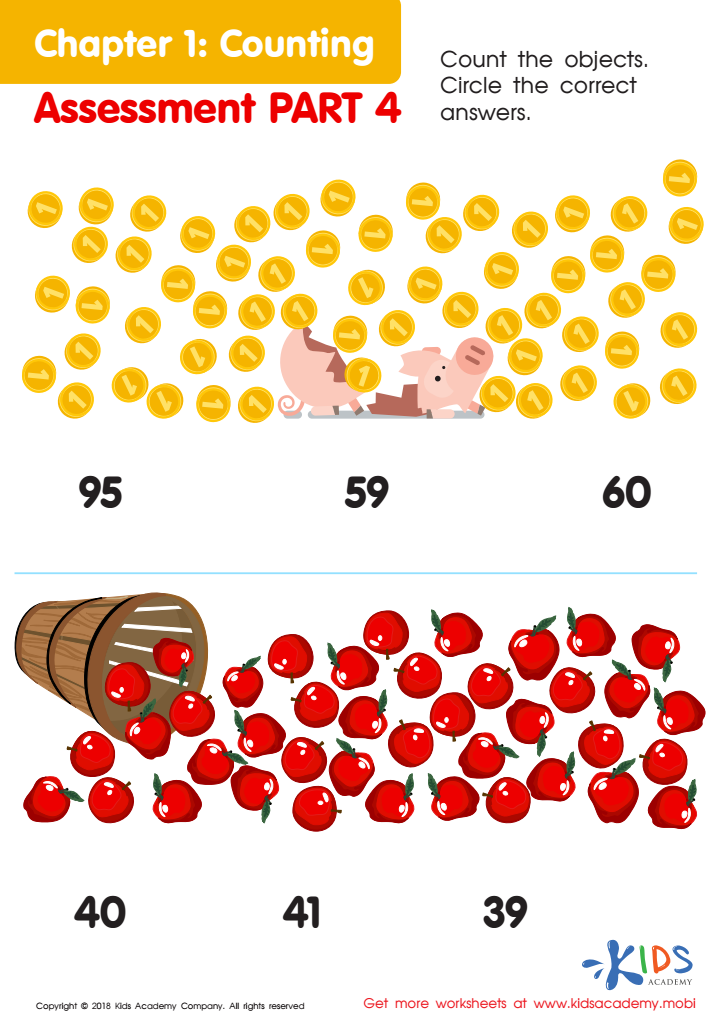
Counting: Assessment 4 Worksheet
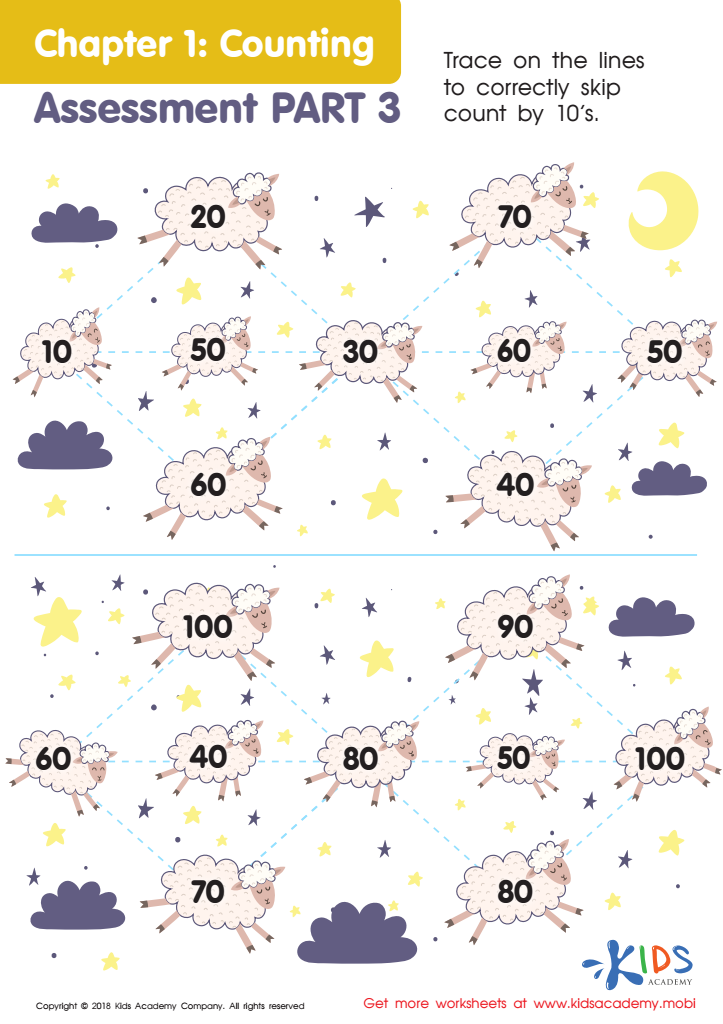
Counting: Assessment 3 Worksheet
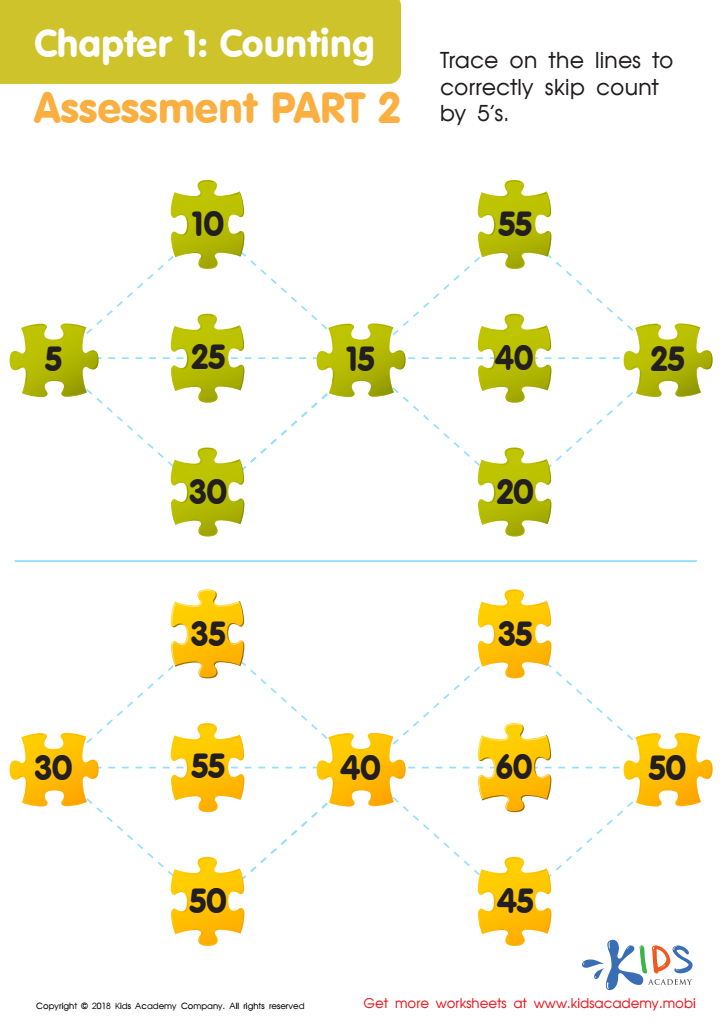
Counting: Assessment 2 Worksheet
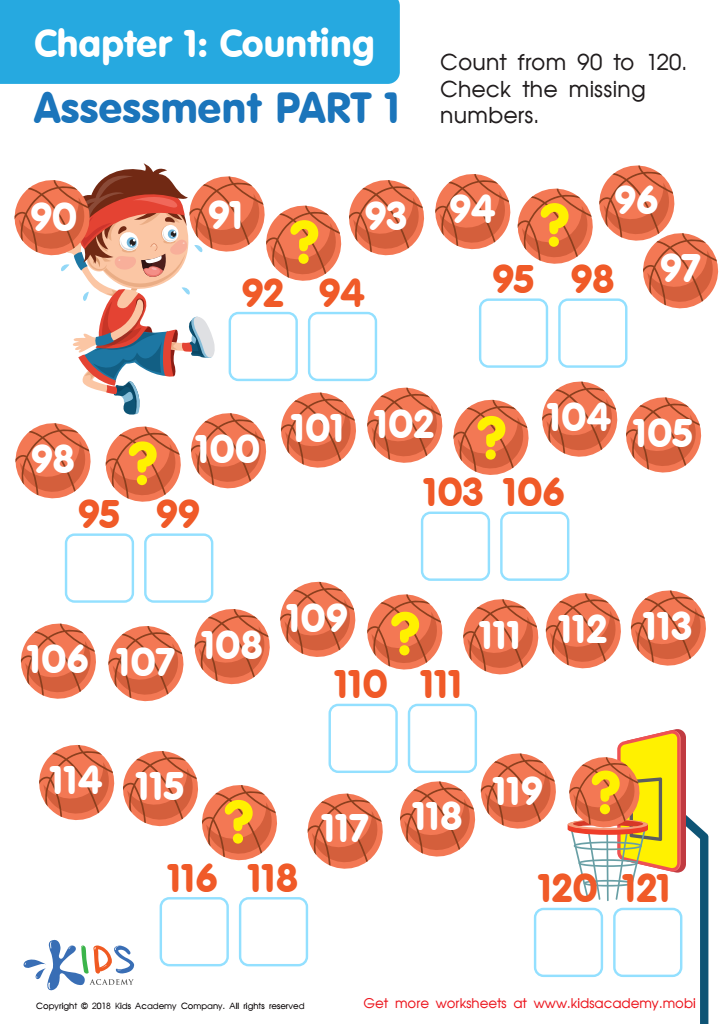
Counting Past 1: Assessment 1 Worksheet








Numbers worksheets activities are a fantastic resource for educators and parents alike, aiming to foster a deeper understanding and proficiency in mathematics among young learners. The importance of these activities cannot be overstressed, as they offer a structured, engaging way to introduce and reinforce the concepts of numbers and arithmetic. Let's delve into why numbers worksheets activities are so useful and beneficial.
Firstly, numbers worksheets activities provide a clear and focused path for practicing mathematical skills. Whether it's counting, addition, subtraction, or more advanced operations, these activities allow students to hone their abilities in a targeted manner. This focused practice is crucial for building a solid foundation in mathematics, which is essential for academic success in all areas of study.
Moreover, these activities cater to a variety of learning styles. Not all children learn in the same way; some may prefer visual aids while others might find hands-on practice more effective. Numbers worksheets activities often incorporate both of these elements, making them accessible and effective for a diverse group of learners. This inclusivity ensures that every child has the opportunity to thrive in their mathematical education.
Another significant advantage of numbers worksheets activities is the ability to track progress. As children work through these worksheets, educators and parents can easily assess where a student might be struggling or excelling. This immediate feedback is invaluable for adjusting teaching strategies and providing additional support where needed, ensuring that no child falls behind.
Furthermore, numbers worksheets activities are incredibly versatile. They can be used in a classroom setting, at home, or even on the go. This flexibility means that learning doesn’t have to stop when the school day ends; it can continue in various environments, further reinforcing the skills being taught.
In conclusion, numbers worksheets activities are an essential tool in the educational toolkit. They offer targeted practice, cater to diverse learning styles, enable progress tracking, and provide flexibility in learning environments. By incorporating these activities into the learning process, we can ensure that children develop strong numerical skills that will serve them well throughout their academic journeys and beyond.








