Matching worksheets activities for Ages 5-7 - Page 4
80 filtered results
-
From - To
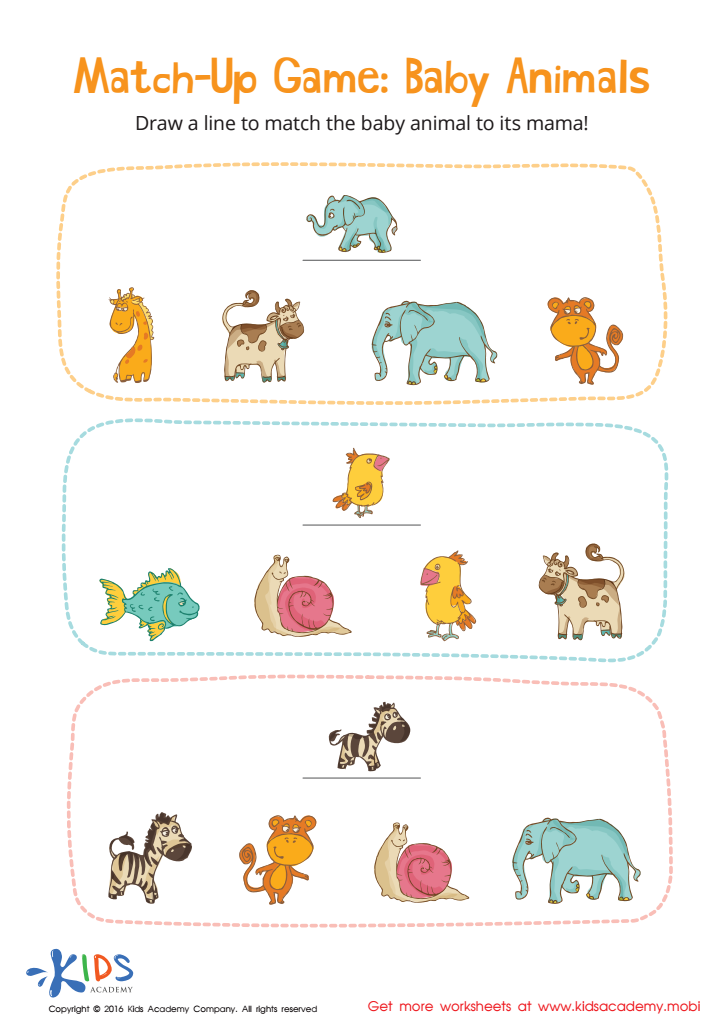
Baby Animals Match-Up Worksheet
 Assign to My Students
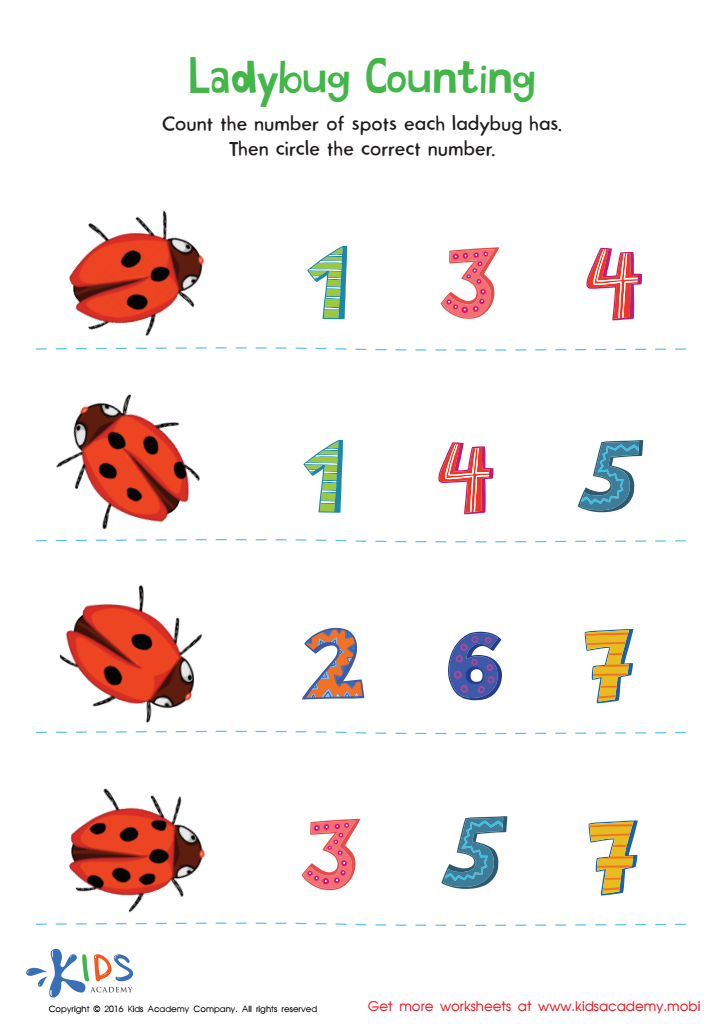
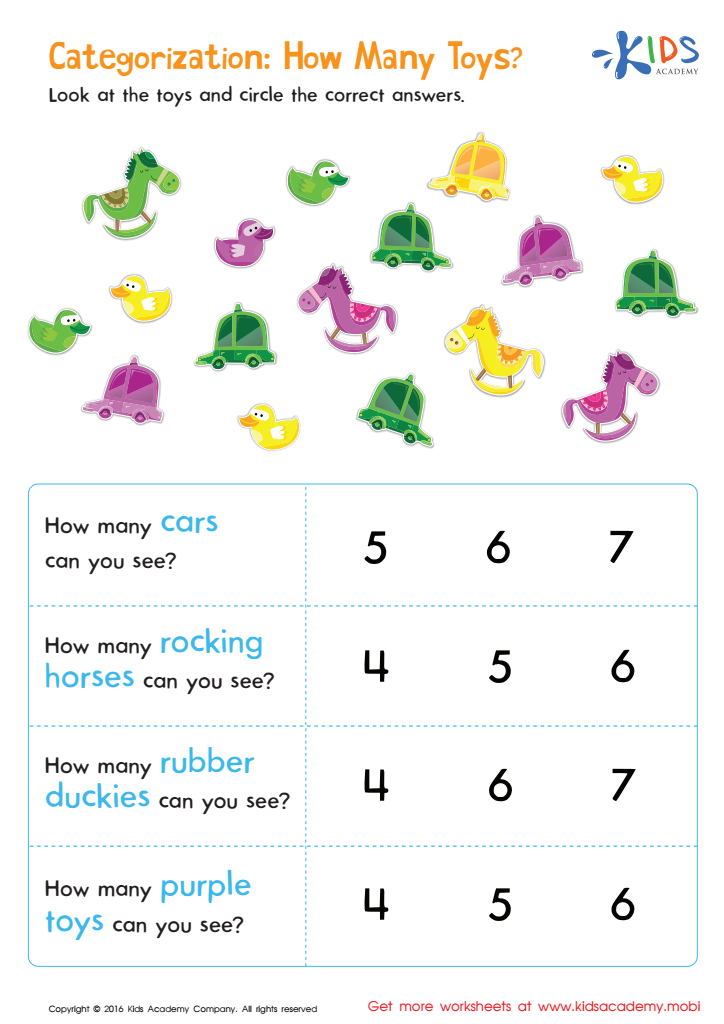
Classifying Toys by Type and Color Sorting Worksheet
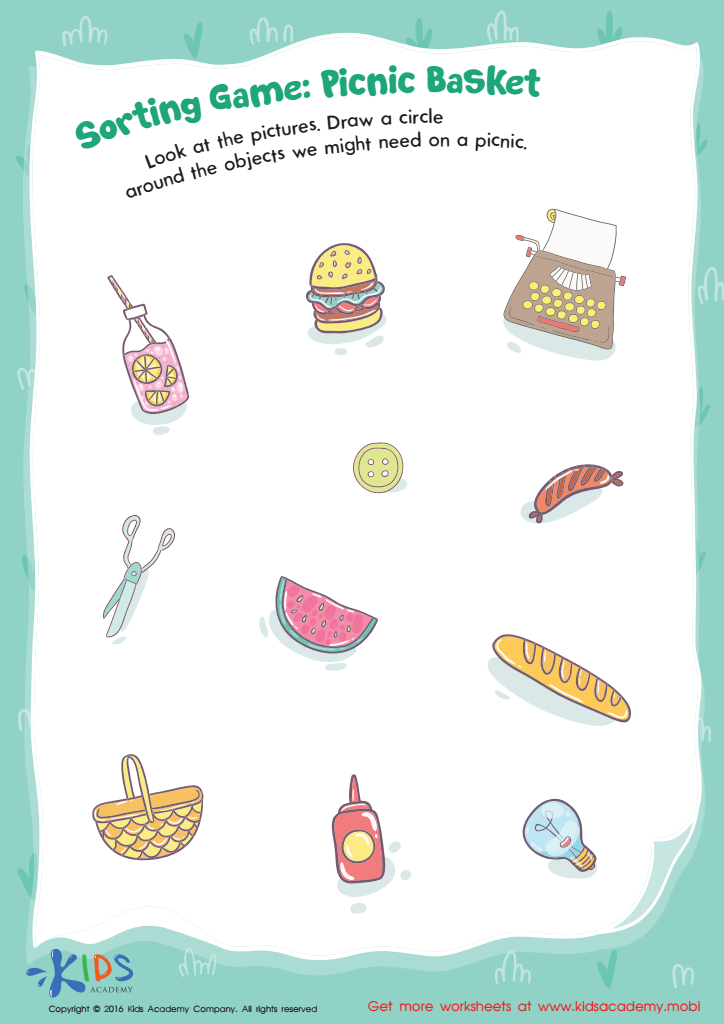
Picnic Basket Sorting Worksheet
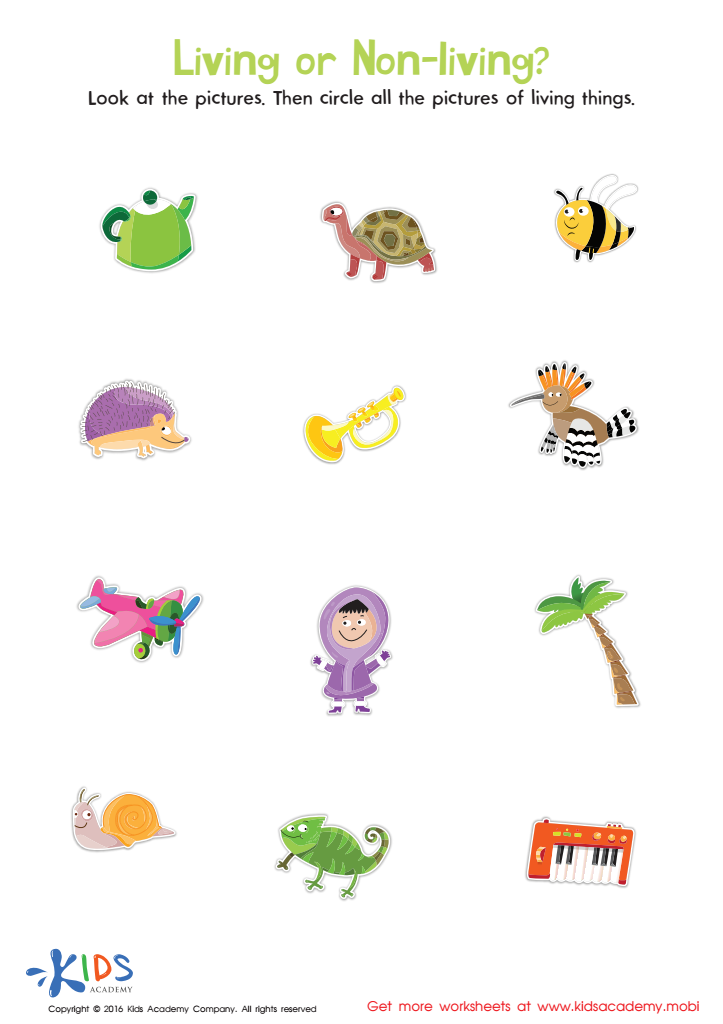
Identifying Living and Non–living Things Sorting Worksheet
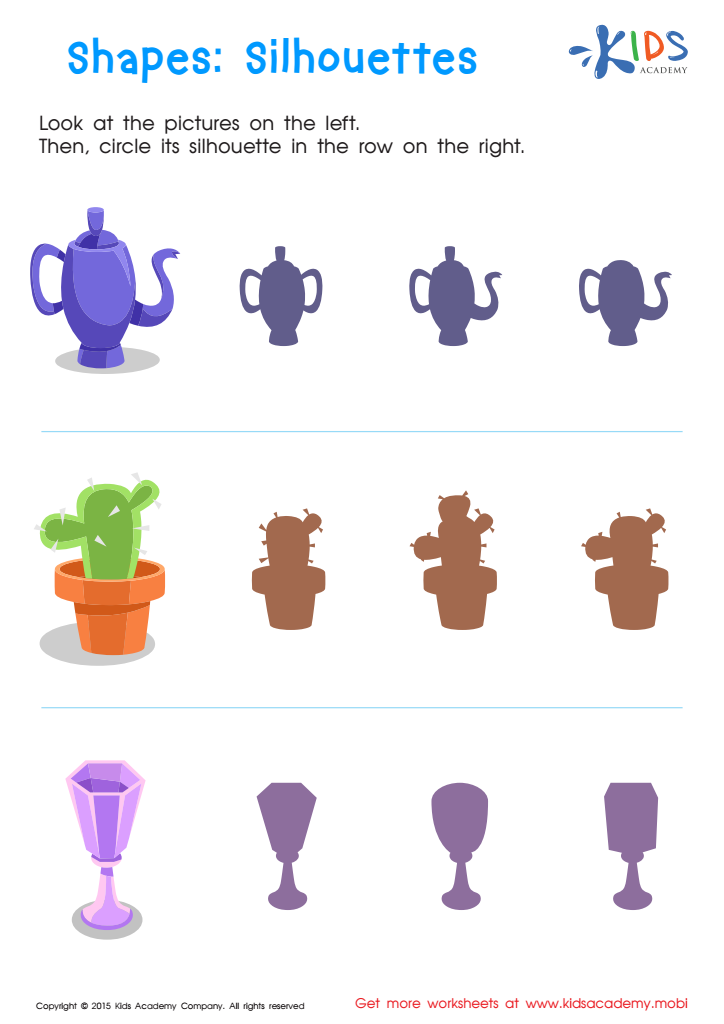
Silhouettes – Shapes Worksheet
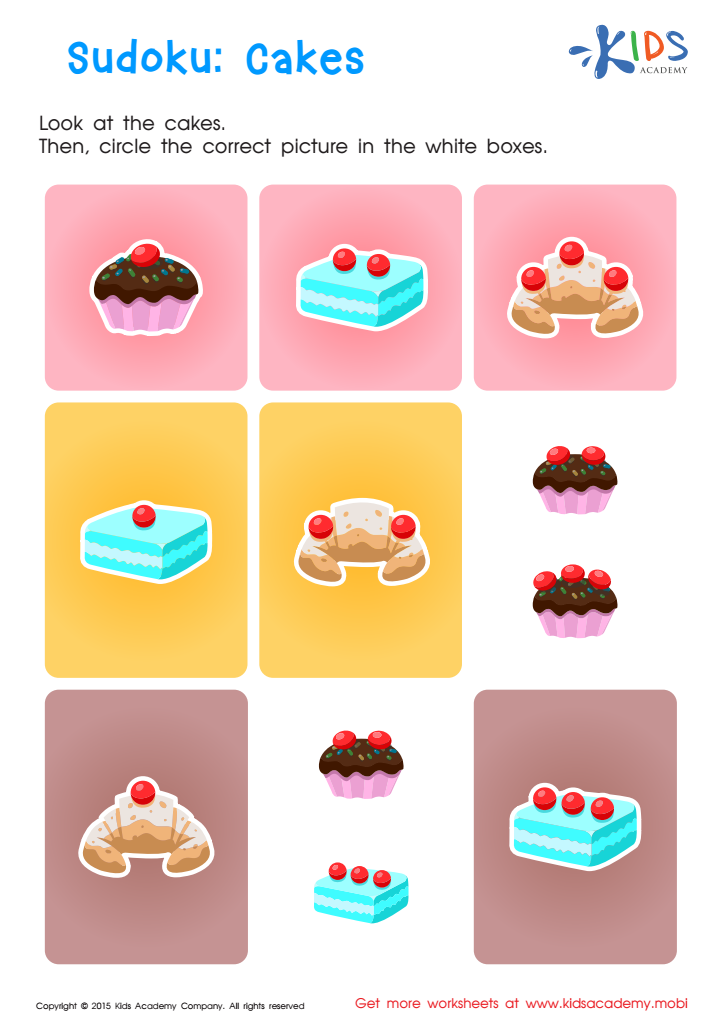
Sudoku Worksheet
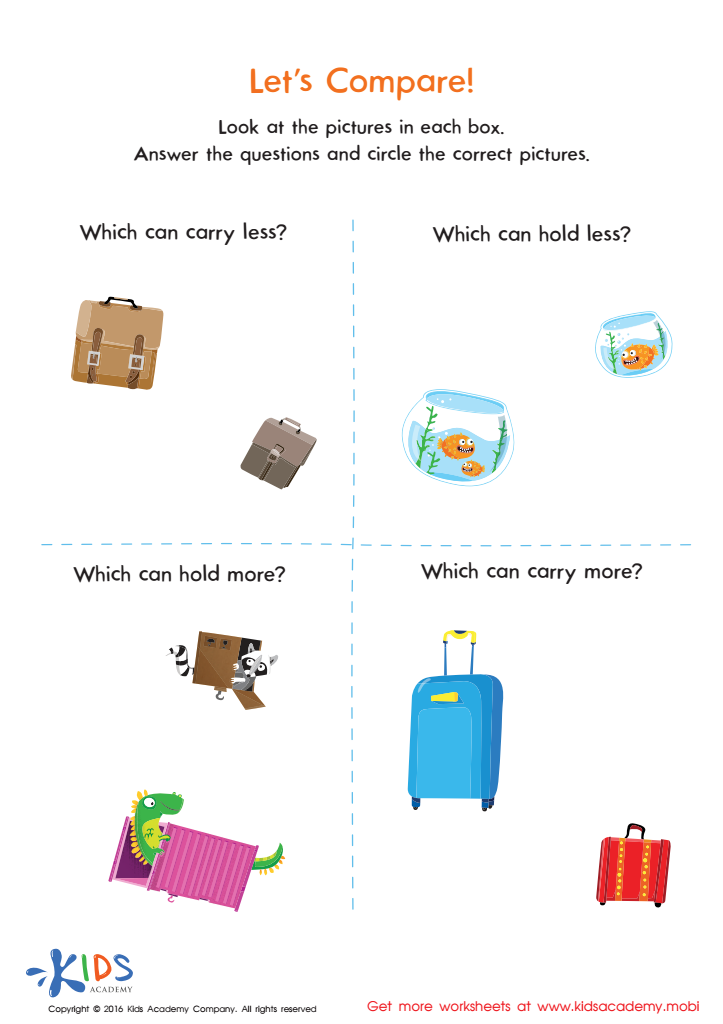
Let's Compare Worksheet: Big or Small








Matching activities for children aged 5-7 are crucial for cognitive development and foundational learning. During these formative years, young learners are honing their ability to recognize patterns, make connections, and build memory, all of which are significant components of their cognitive development.
Engaging in matching activities helps improve critical thinking skills as children learn to analyze and differentiate between similar and dissimilar items. This skill is essential not only for academic success in subjects like math and language but also for problem-solving in everyday situations.
Moreover, matching games foster language development as children verbalize their thought process while identifying matches, enhancing vocabulary and encouraging them to communicate. They also offer a great opportunity for social interaction, whether children are working in pairs or groups, thereby developing their teamwork and cooperative skills.
For parents and teachers, structuring these activities in playful and creative ways can increase engagement and motivation. It encourages exploration and curiosity, making learning enjoyable and effective. By incorporating matching activities in the curriculum or home learning, adults can nurture a love for learning that lays a solid foundation for lifelong education. Ultimately, this simple yet powerful practice can significantly impact a child’s academic and social growth.








