Easy Phonics worksheets activities for Ages 4-9
4 filtered results
-
From - To
Welcome to our Easy Phonics Worksheets Activities page for children aged 4-9! Designed to make learning fun and engaging, our worksheets help young learners master phonics skills through interactive exercises. Each activity encourages the development of essential reading and writing skills, enhancing literacy in a playful environment. From matching letters to crafting simple words, our worksheets cater to various learning styles, ensuring every child can thrive. Perfect for home or classroom use, these resources are expertly crafted to support educational growth while sparking a love for reading. Download today and watch your child's phonics skills flourish!
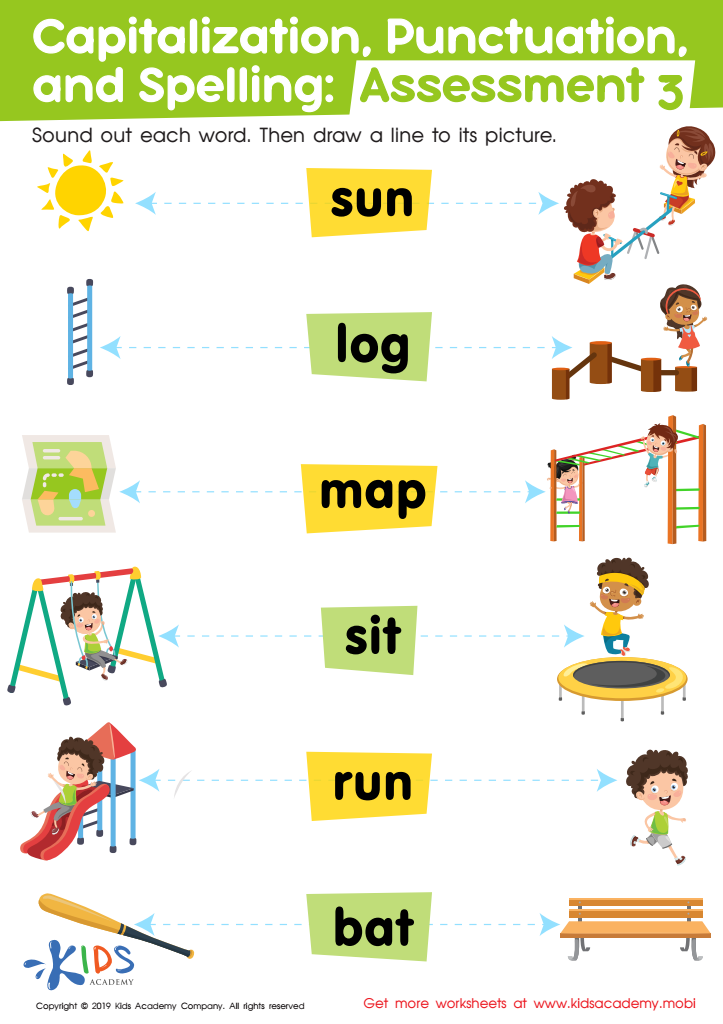
Capitalization. Punctuation. Spelling. Assessment 3 Worksheet
 Assign to My Students
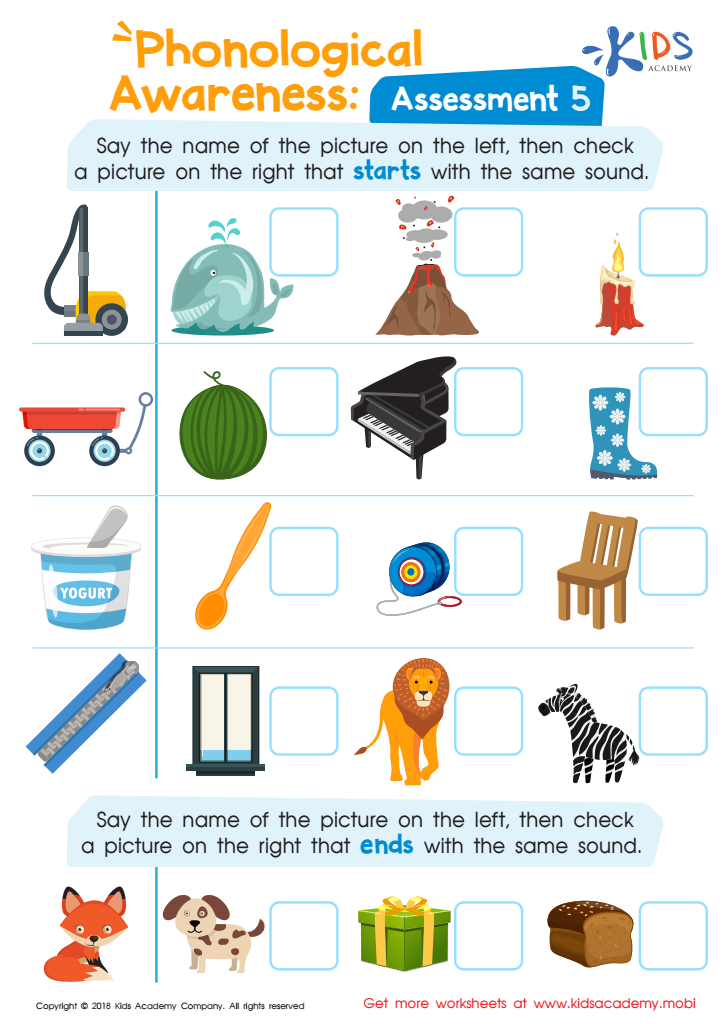
Phonological Awareness: Assessment 5 Worksheet
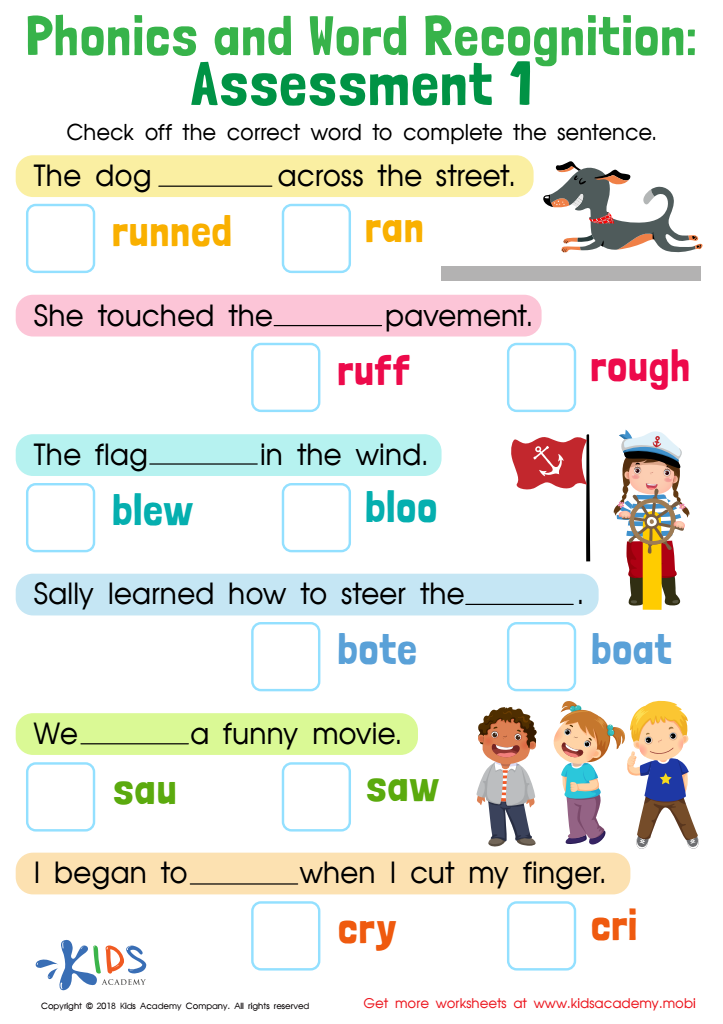
Phonics and Word Recognition: Assessment 1 Worksheet
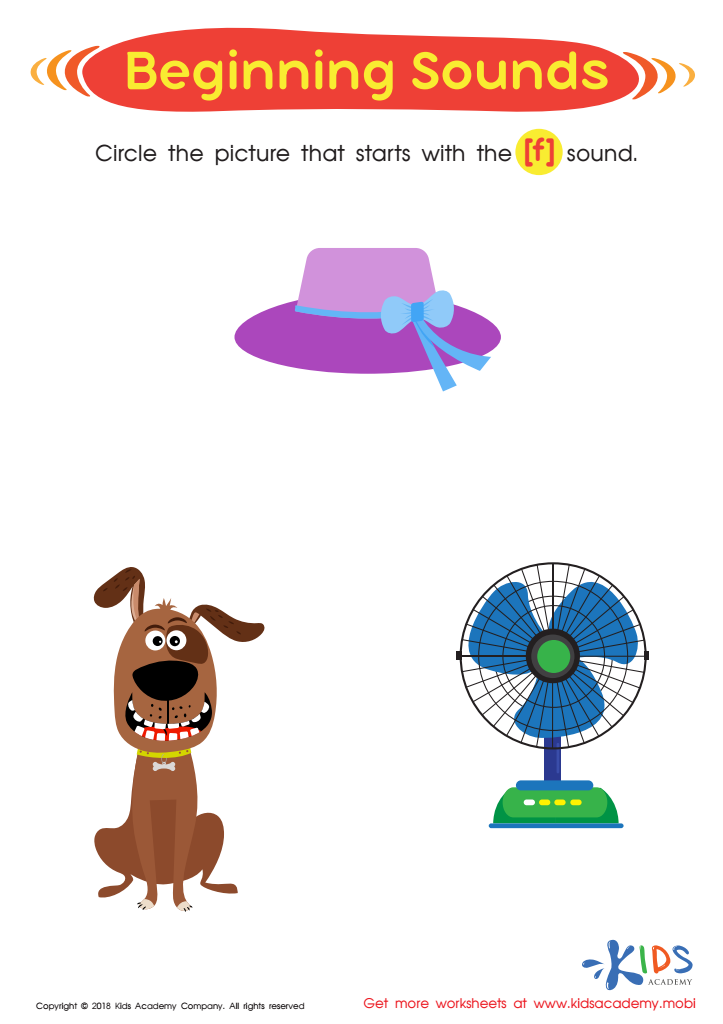
Beginning Sounds Assessment Printable







Parents and teachers should care about Easy Phonics activities for children ages 4-9 because phonics is foundational to reading success. At this critical developmental stage, children are learning the relationships between letters and sounds, which is essential for decoding words. Engaging in phonics activities fosters early literacy skills and builds confidence in young readers, making it easier for them to tackle more complex texts as they progress.
Easy Phonics activities make learning enjoyable and interactive, capturing children's interest and keeping them motivated. By incorporating games, songs, and hands-on materials, these activities transform the learning process into a playful experience, rather than a chore. This playful approach also caters to diverse learning styles, ensuring that every child has the opportunity to succeed.
Additionally, phonics knowledge supports spelling, writing, and overall communication skills. When children understand how sounds correspond with letters, they are better equipped to express themselves clearly and effectively. For parents and teachers invested in a child's academic journey, fostering phonemic awareness through targeted phonics activities is a strategic choice that can lead to lifelong learning and literacy proficiency. Ultimately, these skills will empower children in their future education and beyond.








